

Let’s be honest: when you hear “vending machine coffee,” you probably don’t picture a delicious, aromatic brew. For years, the standard was lukewarm, instant coffee from a clunky, outdated box. But that image is long overdue for an update. Today’s high-tech machines have completely changed the game, offering fresh, bean-to-cup brews, café-style lattes, and customizable options that rival your favorite coffee shop. A modern coffee vending machine is a sophisticated piece of equipment designed to deliver a premium experience. In this post, we’ll cover the technology that makes it possible and explore how you can build a profitable business around it.
Key Takeaways
- Choose the Right Machine for the Right Experience: Your machine choice, from a simple instant dispenser to a smart bean-to-cup model, sets the standard for quality and price. Align your machine's features with your target location's expectations to attract loyal customers.
- Prioritize Location and Smart Operations: Your profitability depends on two things: placing your machine in a high-traffic area and managing it efficiently. Use remote monitoring tools to streamline restocking and maintenance, ensuring your machine is always ready to serve customers.
- Calculate Your Full Investment for Accurate Pricing: The machine's sticker price is just the beginning. Factor in installation, ongoing supplies, and potential maintenance to understand your true costs. This complete financial picture allows you to set prices that are both competitive and profitable.
What Kinds of Commercial Coffee Vending Machines Are There?
When you think of a coffee vending machine, you might picture a clunky box dispensing a questionable brew. But the world of coffee vending is surprisingly diverse. The right machine for your business or vending route depends entirely on your customers' tastes, your budget, and how much time you want to spend on maintenance. From simple instant coffee dispensers to high-tech smart machines that remember a customer's favorite drink, there's a perfect fit for every location. Let's walk through the main types you'll encounter.
Traditional Coffee Vending Machines
These are the workhorses of the vending world. Traditional coffee vending machines are built for speed and simplicity, making them a common sight in busy breakrooms or waiting areas. They typically serve coffee made from pre-packaged powder, offering a quick and straightforward caffeine fix. While they may not satisfy a coffee aficionado, their main advantage is cost-effectiveness and reliability. For operators, they represent a low-barrier entry into the market, providing a simple way to offer coffee without the complexity of more advanced equipment. They get the job done when convenience is the top priority for your customers.
Bean-to-Cup Machines
For locations where quality is king, bean-to-cup machines are a fantastic choice. Just as the name suggests, these machines grind whole coffee beans on the spot for every single cup. This process delivers a much fresher, more aromatic, and flavorful beverage. Customers can often choose from a menu of café-style drinks like espressos, lattes, and cappuccinos. Offering this kind of premium experience can justify a higher price point and attract discerning customers. While they require a larger initial investment and more attention to refilling beans, the superior quality makes them some of the best coffee vending machines for offices and upscale locations.
Instant Coffee Machines
If your top priorities are budget and low maintenance, an instant coffee machine is hard to beat. Similar to traditional models, these machines use soluble coffee powder to whip up a drink in seconds. They are typically the least expensive type of coffee vendor to purchase and operate, making them an attractive option for small businesses or locations with lower foot traffic. The simplicity of the internal mechanics also means there's less that can go wrong, reducing potential downtime and service calls. This guide to coffee vending machines highlights them as a practical solution for anyone looking for a no-fuss, affordable way to serve coffee.
AI-Powered Smart Coffee Machines
Welcome to the cutting edge of coffee vending. AI-powered smart machines completely redefine the customer experience. These machines can offer personalized drink recommendations, remember past orders, and allow for seamless payment through mobile apps or a simple tap of a card. For the customer, it’s a fast, modern, and customized interaction. For the operator, the benefits are huge. You can remotely monitor inventory, track sales data in real-time, and even adjust pricing from your phone. This technology minimizes waste and maximizes profit, making these intelligent coffee vending machines the smartest investment for forward-thinking entrepreneurs and businesses aiming to impress.
How Do Coffee Vending Machines Actually Work?
Ever wondered what’s happening inside a coffee vending machine after you make your selection? It’s not just a simple dispenser; it’s a sophisticated piece of equipment designed to deliver a great cup of coffee on demand. While the specifics can vary between models, most modern machines follow a similar three-step process: you choose and customize your drink, you pay for it, and the machine brews it fresh for you.
Gone are the days of machines that only offered lukewarm, pre-mixed coffee. Today’s top-tier machines, especially bean-to-cup models, function like a compact, automated café. They house whole beans, grinders, brewers, and various ingredients like milk and sugar. When an order is placed, the machine grinds the perfect amount of beans, brews the coffee at an ideal temperature, and mixes in any selected extras. This entire process is managed by an internal computer that ensures consistency and quality with every single cup. Let’s take a closer look at the technology that makes it all happen.
A Look at Brewing Technology
The heart of any great coffee vending machine is its brewing unit. This is where the magic happens, transforming coffee beans into a rich, aromatic drink. In high-quality bean-to-cup machines, the process starts the moment you make a selection. An integrated grinder mills the perfect portion of fresh coffee beans on the spot. The machine then doses and tamps the grounds before forcing hot water through them at the optimal pressure and temperature. This method extracts the full flavor and aroma, ensuring a consistently delicious cup every time. It’s essentially a tiny, automated barista working just for you, delivering a café-quality experience without the wait.
How They Process Payments
Modern coffee vending machines are designed for convenience, and that starts with how customers pay. Today’s machines are equipped with flexible and secure payment systems that go far beyond just accepting coins. Most now come standard with readers that accept credit and debit cards, as well as contactless payment options like Apple Pay and Google Pay. This versatility makes it easy for anyone to grab a coffee, whether they have cash on hand or not. For operators, offering multiple payment methods is a simple way to increase sales and provide a better customer experience, ensuring no one walks away just because they don't have the right change.
User Interfaces and Custom Options
A great coffee machine should be easy and intuitive to use. The user interface is your customer's first point of contact, and modern machines have made this interaction seamless. Many feature bright, clear digital displays or even full-color touchscreens that guide users through the selection process. This is where customization comes in. Customers can often tailor their drinks to their exact preferences, choosing the coffee type, size, and strength. They can also add extras like a splash of milk, a specific number of sugars, or even flavored syrups. This level of personalization makes the vending experience feel much more premium and satisfying.
What Features Should You Look for in a Coffee Machine?
Choosing the right coffee vending machine is about more than just the price tag. The features you select will directly impact the quality of the coffee, your daily workload, and your overall profitability. Think about your ideal customer and your own operational capacity. Are you aiming for a high-end coffee experience or a quick, convenient caffeine fix? Answering these questions will help you zero in on the machine that’s the perfect fit for your business goals. Let's break down the key features to consider so you can make a smart investment.
Key Technical Specifications
First, let's talk about what’s happening inside the machine. The most significant factor affecting taste is how the coffee is brewed. Most modern machines make coffee from fresh ground beans, which delivers a much richer and more aromatic cup than older models that use freeze-dried or instant coffee. While instant coffee machines are often cheaper and simpler, the quality difference is noticeable. If you want to attract repeat customers who appreciate a good cup of coffee, a machine that grinds beans on the spot is the way to go. Also, consider the machine's capacity—how many cups it can serve before needing a refill—to match the foot traffic of your location.
Smart Technology and Connectivity
This is where modern vending machines really pull ahead of the pack. Smart technology can make managing your machine so much easier. Look for features like remote monitoring, which allows you to check inventory levels and sales data from your phone or computer. Some machines even send you alerts when supplies are low or if there's a technical issue. This means you can streamline your operations by restocking proactively and addressing problems before they lead to downtime. These connected features save you time, reduce unnecessary site visits, and keep your machine running smoothly, ensuring your customers are never met with an "out of order" sign.
Features That Keep Coffee Fresh
Nothing beats the smell and taste of freshly brewed coffee. To deliver that quality experience, look for a machine with features designed to preserve freshness. The best machines, like many popular café-style brewers, grind whole beans for each individual cup. This process ensures that every customer gets the freshest possible coffee, full of flavor and aroma. Other features to look for include airtight bean hoppers that protect the beans from oxygen and humidity, which can make them stale. These details might seem small, but they make a huge difference in the final product and can turn a first-time buyer into a loyal daily customer.
Maintenance and Service Needs
Every vending machine requires some level of upkeep, and coffee machines are no exception. They need regular cleaning and restocking to function properly and serve great-tasting coffee. High-end machines with more complex brewing systems can sometimes be more prone to issues and may require more frequent attention, like changing water filters. Before you buy, get a clear understanding of the daily, weekly, and monthly maintenance tasks required. Ask about the availability of tech support and replacement parts. Choosing a machine known for its reliability and ease of service will save you countless headaches and keep your revenue flowing consistently.
How Much Do Coffee Vending Machines Cost?
Figuring out the cost of a coffee vending machine is one of the first steps in starting your business. The total investment is more than just the price tag on the machine itself. You’ll need to account for the initial purchase, the cost of getting it installed, and the recurring expenses required to keep it running smoothly. Let’s break down these three key areas so you can build a realistic budget.
The Upfront Purchase Price
When you start shopping, you'll find that a new coffee vending machine can cost anywhere from about $3,900 to $14,000. This wide range reflects the variety in technology and features available. A straightforward instant coffee dispenser will fall on the lower end of that spectrum. On the higher end, you’ll find sophisticated bean-to-cup models with touch screens, multiple payment options, and a full menu of specialty drinks. Consider the experience you want to offer and your location's needs to decide which type of coffee machine is the right fit for your business goals.
Installation and Setup Fees
Don't forget to budget for what happens after the machine is delivered. Installation and setup are additional costs that depend on the machine's complexity and your specific location. Does it need a dedicated water line or special electrical wiring? These factors will influence the final setup fee. It's also incredibly important to read the fine print before you buy. Many suppliers have strict policies stating that new or custom machine orders cannot be canceled or returned. This makes your initial research and decision-making process even more critical, so be sure you’re confident in your choice before you commit.
Ongoing Supply and Operating Costs
Once your machine is up and running, your main expenses will shift to supplies and operations. This is where the day-to-day costs of the business come in. You’ll need to consistently stock coffee, cups, lids, sugar, creamer, and any other condiments you plan to offer. You should also set aside a budget for routine maintenance and unexpected repairs to keep your machine in top shape. The good news is that these operating costs are significantly lower than running a brick-and-mortar coffee shop. With no staff to pay and minimal overhead, the revenue potential can be quite attractive for entrepreneurs.
Who Makes the Best Coffee Vending Machines?
Choosing the right coffee vending machine feels like a huge decision, because it is. The machine you pick directly impacts your coffee quality, customer satisfaction, and daily maintenance workload. The "best" machine really depends on your specific needs—are you placing it in a high-traffic office lobby or a quiet employee breakroom? Let's walk through some of the top players in the game so you can find the perfect fit for your business.
Genius Vend's Smart Coffee Solutions
If you're looking for a modern, tech-forward solution, Genius Vend is a name you need to know. We specialize in smart vending machines that completely change the user experience. Our coffee machines feature intuitive touchscreens and tons of customizable options, letting customers craft their perfect cup, from brew strength to flavor additions. This level of personalization is a game-changer for office environments and public spaces where tastes vary. For operators, our smart technology means you can manage everything remotely, making your routes more efficient and profitable. It’s all about providing a seamless, premium experience for both you and your customers.
Other Leading Brands to Consider
While we’re proud of our smart machines, it’s helpful to know the whole landscape. Several other brands have built strong reputations in the coffee vending world. MarketOne is often praised for its high-quality brews and straightforward, user-friendly interfaces. For consistency and brand recognition, many operators turn to NESCAFÉ® Solution 2.0, which delivers reliable flavor cup after cup. If you want to offer a truly fresh experience, Saeco is a leader in bean-to-cup technology, grinding whole beans for every single order. Each brand has its own strengths, so consider what matters most for your location.
Comparing Performance and Reliability
When you’re comparing models, performance and reliability are your two most important metrics. A machine that’s constantly down for repairs isn't making you any money. Look for machines with a robust build quality from brands like WMF and Bohne, which are known for their durability. Performance often comes down to output. For example, some fully automatic machines can brew up to 100 cups per hour, making them perfect for high-demand locations. Dig into the specs and read reviews from other operators to get a clear picture of how a machine will perform under pressure and what kind of maintenance you can expect.
What Are the Common Challenges of a Coffee Vending Business?
Starting a coffee vending business is an exciting venture, but like any business, it comes with its own set of hurdles. Being aware of these challenges from the get-go is the best way to prepare for them and build a profitable operation. From keeping your coffee tasting great to making sure your machine is always running smoothly, success comes down to managing a few key areas. Let's walk through the most common challenges you'll face and how you can tackle them head-on.
Keeping Coffee Quality High and Customers Happy
Let's be honest: vending machine coffee has a reputation for being, well, not great. Your biggest challenge—and greatest opportunity—is to break that stereotype. A customer who gets a watery, lukewarm, or bitter cup of coffee won't be back for a second. To keep people coming back, you have to prioritize quality ingredients, from fresh, flavorful beans to quality creamers and syrups. Beyond the ingredients, cleanliness is crucial. A dirty machine will not only serve bad-tasting coffee but will also deter customers. Regular cleaning of all components, from the bean hopper to the dispensing nozzle, is non-negotiable.
Finding the Right Location
You could have the best coffee machine in the world, but if it’s hidden in a low-traffic area, you won’t see the profits you’re hoping for. Finding the right location is truly the key to success in the vending business. You need a spot with a steady stream of people who are likely to want a quick coffee fix. Think office buildings, college campuses, hospitals, transit stations, and large apartment complexes. When scouting locations, look for places with a captive audience and limited competition. An office breakroom is a goldmine because you have a built-in customer base with few other convenient options.
Handling Maintenance and Tech Support
Every vending machine requires regular attention to keep it running. This means consistent stocking, cleaning, and routine maintenance. For coffee machines, this also includes tasks like changing water filters and descaling the internal components to prevent buildup. Unfortunately, downtime is a real issue. If your machine is out of order, you're not just losing sales—you're also losing customer trust. This is where modern technology can be a game-changer. Smart vending machines with remote monitoring capabilities allow you to check inventory levels and receive alerts for technical errors right from your phone, helping you fix problems before they become serious.
Marketing Your Vending Machine
Your machine can’t just blend into the background; you need to make it stand out. Marketing your coffee vending machine starts with the machine itself. A clean, well-lit machine with an attractive design and clear, easy-to-read menu is your best advertisement. Consider running promotions, like a discount for the first week or a loyalty program, to generate initial buzz and encourage repeat business. You can also take your marketing online. Promote your vending locations on social media by posting high-quality photos of your machine and the delicious coffee it makes. If your machine is in a business, ask the company to announce it in their employee newsletter.
Can You Make Good Money with Coffee Vending Machines?
The short answer is yes, a coffee vending machine can be a very profitable business. The demand for a quick, quality cup of coffee is practically universal, and a well-placed machine can generate passive income around the clock. Once set up, it works for you without constant supervision. However, profitability isn't automatic. It hinges on a smart strategy covering where you place your machine and how you price your drinks. Let's break down what it takes to build a successful coffee vending business.
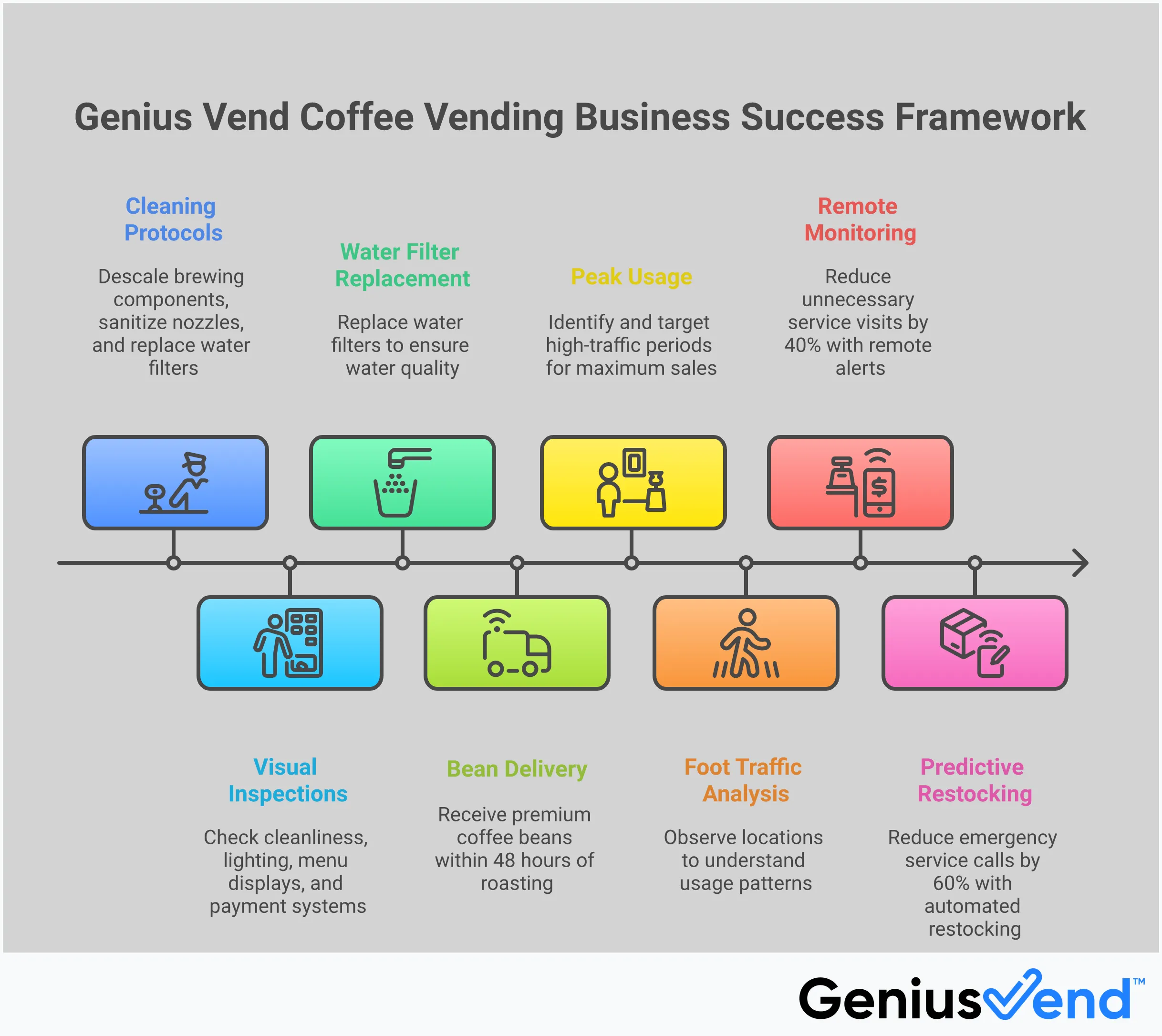
Strategies to Maximize Your Revenue
Your primary goal is to be the most convenient option for a great cup of coffee. Start by offering a variety of popular drinks—lattes, cappuccinos, and classic black coffee—to appeal to different tastes. Keeping the machine clean, stocked, and in perfect working order is non-negotiable for encouraging repeat business. You can also increase the average purchase by stocking complementary items. A smart combo machine lets you offer snacks like pastries or granola bars that pair perfectly with coffee, turning a single drink sale into a more substantial one.
How to Price Your Coffee for Profit
A huge draw of the coffee vending business is the high profit margin. The cost to produce a single cup of coffee is significantly lower than its sale price. To set your prices, first calculate your cost per cup. Then, research what local coffee shops and convenience stores are charging. You can position yourself as a more affordable, convenient alternative while still ensuring each sale is profitable. Your pricing should strike a balance that is attractive to customers while covering your business operating costs, like supplies and machine maintenance.
Why Location Is Key to Your Success
You could have the best coffee in the world, but it won't sell if no one is around to buy it. Location is everything. The best spots have high foot traffic and a captive audience—think office buildings, college campuses, hospitals, and transit stations. People in these places are often in a hurry and appreciate an easier way to get their coffee fix than a traditional café. A modern, reliable machine also builds trust. Customers are more likely to buy from equipment that looks clean and easy to use, making your machine's appearance a key part of your location strategy.
How to Set Up Your Coffee Vending Business
Getting your coffee vending business off the ground involves a few key decisions that will set you up for success. It’s not just about buying a machine; it’s about creating a reliable service that people will want to use every day. By focusing on the right location, keeping your machine well-stocked, and using modern tools to manage your operations, you can build a profitable business. Let’s walk through the essential steps to get you started.
Choosing the Best Spot for Your Machine
As with any retail venture, location is everything. The best spot for your coffee machine is a place with consistent foot traffic and a need for a quick caffeine fix. Think office break rooms, hospital waiting areas, college campuses, and apartment building lobbies. You’re looking for a captive audience. A modern, clean, and attractive machine helps build customer trust and encourages that first purchase. Before you commit to a location, spend some time observing the area to understand its traffic patterns. A great machine in a deserted hallway won’t make any money, so finding the right spots is your first and most important task.
Managing Your Inventory and Suppliers
Once your machine is in place, your focus shifts to keeping it running smoothly. A machine that’s dirty or out of coffee is a machine that’s losing money and disappointing customers. You’ll need to establish a routine for cleaning and restocking. This means finding reliable suppliers for high-quality coffee beans, cups, lids, sugar, and creamers. Building a good relationship with your suppliers ensures you get consistent products at a fair price. Remember, a well-maintained and fully stocked machine is crucial for keeping your customers happy and coming back for their daily cup. Happy customers are the foundation of a successful vending business.
Using Remote Systems to Manage Your Business
This is where modern technology gives you a serious edge. Instead of driving to each machine just to see what’s running low, you can use remote management systems to monitor everything from your phone or computer. Smart technology makes managing your coffee vending route much more efficient. You can track sales data in real-time, see which coffee blends are most popular, and get alerts when supplies are low. This allows you to plan your restock routes efficiently, saving you time, fuel, and frustration. Using a remote monitoring system means you can run a smarter, more profitable business with less guesswork.
Related Articles
- Vending Machine Buy Online: The Ultimate Guide
- 5 Best Places to Buy a Vending Machine in 2025
- Smart Vending Machines: The Ultimate Guide
- Buy Vending Machine Online: A Smart Buyer's Guide
- How to Buy a Vending Machine Near Me: A 2025 Guide
Frequently Asked Questions
How much time does it actually take to run a coffee vending machine business? While coffee vending is often called a source of passive income, it’s more accurate to think of it as a flexible business. The time you spend depends on your machine's location and technology. A busy office machine might need restocking and cleaning a few times a week, while a quieter spot may only need a weekly visit. Smart machines with remote monitoring can save you a lot of time by telling you exactly what’s needed before you even leave the house, which helps you plan your service routes much more efficiently.
Is a bean-to-cup machine always the best choice? Not necessarily. A bean-to-cup machine offers superior coffee quality that can justify a higher price, making it perfect for locations like upscale offices or client-facing lobbies. However, an instant coffee machine might be a better fit for a budget-conscious location or a factory breakroom where speed and low cost are the top priorities. The best choice depends on your customers' expectations and what they're willing to pay for their daily coffee.
What's the most important factor for making a coffee vending machine profitable? Without a doubt, it's the location. You can have the most advanced machine with the best coffee beans, but it won't make money if it's not in front of enough people. The ideal spot has a steady flow of foot traffic and a captive audience, like an office building, hospital, or college campus. Securing a great location is the foundational step that all your future success is built on.
Besides the machine itself, what are the biggest startup costs I should plan for? It's smart to budget for more than just the machine's sticker price. You'll have an initial investment in your first round of inventory, which includes coffee, cups, lids, sugar, and creamers. You should also account for potential installation fees, especially if your location needs a new water line or a specific electrical setup. Getting these numbers sorted out early helps you create a realistic financial plan from day one.
How can smart technology help me run my business more efficiently? Smart technology is a complete game-changer for vending operators. Instead of guessing when to service a machine, you can use a remote management system on your phone to see real-time sales data and inventory levels. The system can send you an alert when coffee beans are running low or if a technical issue pops up. This allows you to fix problems proactively and plan your restocking routes with precision, saving you countless hours and unnecessary trips.