

When you think of a vending machine, you might picture an old coil-based unit that only takes crumpled dollar bills. But the industry has changed dramatically. Today’s most profitable machines are powered by smart technology, offering customers a seamless tap-and-go experience and giving you powerful remote management tools. This technological shift is critical because it changes how you should approach your search to buy vending machine near me. Choosing an outdated machine can lead to constant maintenance and lost sales, while investing in modern tech sets you up for efficiency and growth. Let's break down the key differences so you can make a smart, future-proof investment.
Key Takeaways
- Invest in Technology That Simplifies Your Work: Modern features like cashless payments and remote inventory tracking are essential for success. They create a better customer experience and give you the data to manage your business efficiently, saving you time and preventing wasted trips.
- Match Your Machine to Its Location: The most profitable machine is one that fits its environment. Research your location's demographics—a gym needs different options than an office—to choose the right machine type and stock it with products people will actually buy.
- Budget for More Than Just the Machine: Your initial investment is only one piece of the financial puzzle. Create a realistic budget that includes ongoing expenses like inventory, location commissions, and potential maintenance to ensure your business is profitable from the start.
What Types of Vending Machines Can You Buy?
When you picture a vending machine, you might think of the classic coil machine from your old school cafeteria. But the options available today are much more diverse, and choosing the right one is a huge first step toward building a profitable business. The best machine for you depends entirely on your location, your potential customers, and what you want to sell. From traditional snack dispensers to high-tech smart coolers, each type has its own strengths. Let's walk through the most common categories so you can figure out which machine is the perfect fit for your new venture.
Traditional Snack Machines
These are the machines most people are familiar with—the glass-front boxes with metal coils that slowly turn to drop a bag of chips or a candy bar. They’re a straightforward option for selling pre-packaged, shelf-stable snacks. You can find them in a huge variety of configurations, from simple gumball dispensers to larger units that hold dozens of different items. While they are a proven concept, many traditional machines rely on older technology, which can mean more hands-on management for you. They are a solid starting point, but it's important to weigh their simplicity against the operational advantages of more modern systems.
Drink and Beverage Machines
Dedicated drink machines are a staple in high-traffic areas for a reason: people get thirsty. These units come in two main styles. The first is the classic push-button machine that dispenses cans from behind a solid front, often branded by a major soda company. The second is a glass-front model that lets customers see all the options, which is great for offering a wider variety of bottled drinks like water, iced tea, and juices. Placing a beverage machine in a gym, office breakroom, or community center is often a reliable way to generate consistent sales, especially as consumers increasingly look for diverse drink options beyond traditional sodas.
Versatile Combo Machines
Why choose between snacks and drinks when you can offer both? Combination machines are a fantastic, space-saving solution that gives customers the best of both worlds. These units are typically split, with the top half dedicated to snacks and the bottom half refrigerated for drinks. Their versatility makes them a popular choice for locations that may not have enough space or foot traffic to justify two separate machines. For entrepreneurs just starting a route, a combo machine is an efficient way to test a location and learn what sells without doubling your initial investment. They provide the convenience customers appreciate and the flexibility new operators need.
Smart, AI-Powered Machines
This is where the vending industry is heading. Smart, AI-powered machines are completely changing the game for both operators and customers. Instead of coils and keypads, these machines often use a "tap, grab, and go" system where a customer swipes a card, opens the door, and takes what they want. AI and cameras track their selections and charge them automatically. For you, the operator, this means you can sell items of any shape or size. Plus, these machines connect to the internet, giving you access to remote inventory management so you always know what’s selling and when to restock. They offer a seamless customer experience and powerful data to help you run your business more efficiently.
Health-Focused Vending Machines
The demand for healthy, convenient food is growing, and vending is adapting to meet it. Health-focused vending machines are designed to offer nutritious alternatives to the usual chips and candy. Think trail mix, protein bars, yogurt, fruit cups, and other wholesome snacks. These machines are a perfect fit for locations like gyms, hospitals, yoga studios, and corporate offices with wellness programs. Offering healthier choices can set your business apart and attract a loyal customer base that is actively seeking out better-for-you options. It’s a great way to align your business with modern consumer wellness trends and cater to a specific, underserved market.
Where to Buy Vending Machines
Once you know what type of vending machine you need, the next big question is where to find it. You have a few great options, and the right one for you will depend on your budget, whether you’re looking for a new or used machine, and how hands-on you want to be. Think of it like car shopping—you can go to a local dealer, browse massive online lots, or buy straight from the factory. Each path has its own benefits, so let's walk through them to find the perfect fit for your business.
Find Local Suppliers
Starting your search locally is a smart move, especially if you want to see a machine in person before buying. Local suppliers and resellers often have a variety of used machines that you can inspect for wear and tear. This gives you a chance to test the payment systems, check the cooling unit, and make sure everything is in working order. Plus, you can often save a bundle on shipping costs by picking it up yourself. Websites like Used Vending are fantastic resources for connecting with sellers in your area and can help you find exactly what you need close to home.
Browse Online Marketplaces
If you’re looking for the widest possible selection, online marketplaces are the way to go. Websites like eBay and Craigslist are treasure troves for both new and used vending machines, often at very competitive prices. You can find deals from individual sellers, liquidators, and established distributors all in one place. This is an excellent route if you’re on a tight budget or looking for a specific older model. When shopping on these platforms, just be sure to do your homework. Read seller reviews carefully, ask for detailed photos, and always factor in the cost of shipping before you commit to a purchase.
Buy Directly from the Manufacturer
For the latest technology, a full warranty, and peace of mind, buying directly from a manufacturer is your best option. When you buy new, you’re getting a machine in pristine condition with modern features like cashless payment systems, remote inventory tracking, and energy-efficient components. This is the route to take if you want to offer a premium experience and minimize the headaches that can come with used equipment. Many manufacturers sell directly from their websites, while some partner with large retailers. For example, you can find a solid range of new vending machines at Sam’s Club that can be shipped right to your door.
How Much Do Vending Machines Cost?
Figuring out your budget is one of the first steps to starting your vending business. The price of a vending machine can vary quite a bit, depending on whether you buy new or used, the technology it includes, and its overall size and capacity. Think of it like buying a car—a brand-new model with all the latest tech will have a higher price tag than a basic, pre-owned one. Understanding the different price points and what you get for your money will help you make a smart investment that pays off down the road. Let's break down what you can expect to spend.
New Vending Machine Prices
When you buy a new vending machine, you’re paying for reliability, a manufacturer's warranty, and modern features right out of the box. Expect to invest anywhere from $3,500 to over $7,000 for a new machine. The final price depends on the type—standard snack, drink, or more versatile combo vending machines. While the upfront cost is higher, a new machine often comes equipped with modern payment systems, energy-efficient cooling, and remote monitoring capabilities. This means fewer headaches and maintenance calls, allowing you to focus on keeping your machine stocked and profitable from day one.
Used Vending Machine Prices
If you're working with a tighter budget, a used or refurbished vending machine can be a great way to get started. Prices for used machines typically fall between $1,200 and $3,000. This lower entry cost can make it easier to start a vending machine business and test the waters. However, be sure to do your homework. Inspect the machine carefully for any signs of wear and tear, check that the payment systems are up-to-date (or can be upgraded), and ask about its service history. Buying used can save you money, but you want to avoid inheriting someone else's problems.
Key Factors That Influence Price
Beyond the new-versus-used debate, several other factors affect a machine's price. Technology is the biggest one. A basic machine that only accepts cash will be much cheaper than a smart machine with a touchscreen, cashless payment options, and AI-powered inventory tracking. The machine's size, capacity, and brand reputation also play a role. Finally, consider the needs of your location. A high-tech office building might require a modern, sophisticated machine, while a simple breakroom might not. Choosing the right features for your location is one of the best ways to avoid common beginner mistakes and ensure a solid return on your investment.
How to Choose the Right Vending Machine
Picking the right vending machine is one of the most important decisions you'll make for your business. It’s about more than just finding a box that dispenses snacks; it’s about choosing a reliable partner that works for you 24/7. The best machine for a quiet office breakroom is likely different from one you’d place in a bustling gym lobby. Your success depends on matching the machine’s capabilities to the location’s needs and your own operational style.
To make the best choice, you need to think through a few key areas. First, consider the location itself—how many people will see it, and who are they? Next, look at the technology. Does it offer the payment options modern customers expect? You should also think about the machine's features and how they impact your day-to-day work, from energy costs to restocking. Finally, and most importantly, you need a clear plan for what you’ll sell. By carefully considering these four elements—location, payment tech, features, and product selection—you can find a machine that not only serves your customers well but also maximizes your profits.
Analyze Your Location and Foot Traffic
Even the most advanced vending machine won't make money if no one is around to use it. Your first step is to carefully evaluate your potential location. Look for places with consistent and high foot traffic, like office buildings, schools, hospitals, or apartment complexes. But don't just count the number of people passing by; consider who they are. Are they health-conscious gym members, students grabbing a quick snack between classes, or employees looking for an afternoon pick-me-up? The demographics of your location will directly influence what kind of machine and products will succeed. A high-traffic area also demands a machine with enough capacity to avoid selling out before your next service visit, which is why finding the right location is so critical.
Compare Payment System Technology
Think about the last time you paid for something small. Did you use cash? Probably not. Traditional, cash-only vending machines are becoming obsolete because they create friction for the customer. Fumbling for exact change or dealing with a jammed bill acceptor can easily cause a lost sale. Modern machines equipped with cashless payment systems are essential. Look for machines that accept credit cards, debit cards, and mobile payments like Apple Pay and Google Pay. This convenience not only improves the customer experience but can significantly increase your sales. An AI-powered machine with a simple tap-and-go system removes barriers and makes buying effortless, encouraging more frequent purchases.
Consider Energy Efficiency and Modern Features
An old, inefficient vending machine can quietly drain your profits through high electricity bills. When comparing models, look for energy-efficient designs, like those with LED lighting and modern cooling systems. Beyond saving on utilities, consider features that make your life as an operator easier. The most valuable of these is remote inventory management. This technology allows you to see real-time sales data and stock levels from your phone or computer. You’ll know exactly what needs restocking before you even leave your house, saving you countless hours and wasted trips. Features like this transform vending from a guessing game into a data-driven business, allowing you to work smarter, not harder.
Understand Your Customers' Preferences
The most successful vending operators don't just stock their machines with their personal favorites; they stock them with what their customers want to buy. Before you place a machine, do some research. Talk to the location manager or poll a few employees to get ideas. When you first start, it’s wise to offer a wide variety of products to see what sells. Don’t buy too much inventory at first; adjust as you learn what’s popular. This is where a smart machine truly shines. With real-time sales data, you can quickly identify your best-sellers and slow-moving items, allowing you to optimize your product mix for maximum profitability at each unique location.
Key Features That Increase Profitability
When you're choosing a vending machine, you're not just buying a box that holds snacks. You're investing in a piece of technology that can either make you money or cost you money. The difference often comes down to the features. The most profitable vending machines are equipped with modern tools that streamline your operations, attract more customers, and cut down on your expenses. Let's look at the key features that will have the biggest impact on your success.
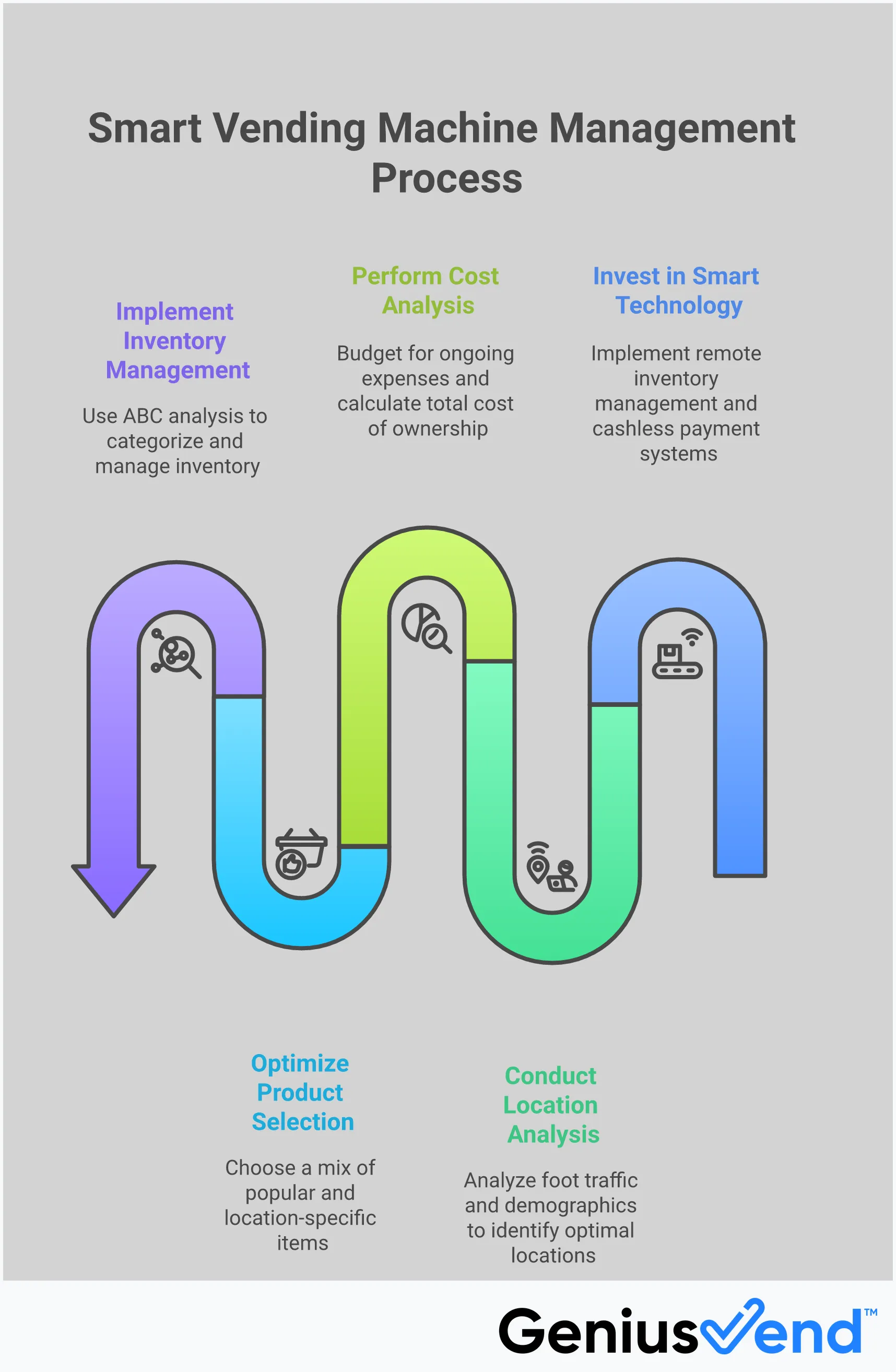
Remote Inventory Management
This is a game-changer for any vending operator. Instead of guessing what a machine needs, remote inventory management lets you see real-time stock levels from your phone or computer. You’ll know exactly which products are sold out and which ones are sitting on the shelf before you even leave your house. This means no more wasted trips or carrying unnecessary inventory. You can optimize your routes to be more efficient, saving you time, gas, and money. It also provides valuable sales data, helping you understand what your customers love so you can stock more of it and maximize your earnings.
Modern Touchscreen Interfaces
Think about the last time you used a clunky, confusing piece of technology. It was probably frustrating, right? The same goes for vending machines. A machine with a modern, interactive touchscreen creates a much better experience for your customers. It makes browsing products simple and intuitive, which can encourage more sales. These screens aren't just for making selections; they can also display promotions, highlight new items, or provide nutritional information. A positive, seamless interaction makes customers more likely to return, turning a one-time purchase into a regular habit. A great user experience is no longer a luxury—it's a core part of a successful business.
Cashless and Mobile Payment Options
Let’s be honest: how often do you carry cash? For many people, the answer is rarely, if ever. If your vending machine only accepts coins and bills, you're missing out on a huge number of potential sales. Offering cashless payment options like credit/debit cards and mobile payments (think Apple Pay or Google Pay) is essential. It makes buying from your machine incredibly convenient, capturing those impulse purchases that customers might otherwise skip. By removing the payment barrier, you cater to modern consumer habits and can see a significant lift in your revenue. It’s one of the simplest ways to make your machine more profitable from day one.
Energy-Efficient Cooling
Your vending machine will be running 24/7, and that uses electricity—especially if it’s a refrigerated unit. Energy costs can quietly eat into your profits over time. That's why choosing an energy-efficient model is such a smart move. These machines are designed with better insulation and more advanced cooling systems that use less power to keep products at the perfect temperature. This directly translates to lower monthly utility bills and more money in your pocket. Plus, an energy-efficient machine is better for the environment, which can be a great selling point for locations that value sustainability. It’s a feature that saves you money while also building a positive brand image.
Common Mistakes to Avoid When Buying a Vending Machine
Buying your first vending machine is a huge step, and it’s easy to get tripped up by a few common hurdles. This purchase isn't just about getting a piece of equipment; it's about laying the foundation for your entire business. A smart choice can set you on a path to passive income and steady growth, while a poor one can lead to endless maintenance headaches, low sales, and a lot of frustration. When you’re making a significant investment in your business, you want to be sure you’re making a smart one. The good news is that you don't have to learn these lessons the hard way. By understanding the most frequent missteps that new operators make, you can sidestep them entirely.
Many aspiring entrepreneurs get so excited about the potential profits that they rush the buying process. They might see a cheap machine online and jump on the deal without considering why it's so affordable. Or they might secure a great location but fail to research what the people there actually want to buy. These seemingly small oversights can have a massive impact on your bottom line. A machine that constantly breaks down doesn't just cost you in repairs; it costs you in lost sales and damages your reputation with the location. A machine stocked with the wrong products will just sit there, tying up your capital. We're going to walk through the key mistakes to avoid, from choosing outdated technology to buying from an unreliable seller. Think of this as your roadmap to making a confident, informed, and profitable purchase decision from the very beginning.
Choosing Outdated Technology
It can be tempting to save a few dollars by purchasing an older, traditional vending machine, but this is often a classic case of being penny-wise and pound-foolish. Outdated machines with clunky coil systems and basic buttons can lead to product jams, frustrated customers, and a lot of manual guesswork for you. In contrast, modern smart vending machines feature remote management and interactive touchscreens for a much smoother customer experience. Investing in current technology means you can track sales in real-time, accept cashless payments, and manage your inventory from your phone, which makes your business far more efficient and profitable from day one.
Underestimating the Total Cost of Ownership
The initial price tag on a vending machine is only part of the story. It’s crucial to look at the total cost of ownership to get a realistic picture of your investment. As one industry analysis points out, "Running a vending machine business has many hidden costs. Machines break down. Good locations are hard to find. And competition is tough." You need to budget for ongoing expenses like maintenance, potential repairs, location commissions, insurance, and the cost of inventory. Factoring these elements into your financial plan will help you accurately predict your break-even point and ensure your business remains healthy and sustainable for the long haul.
Buying from Unreliable Sellers
When you’re ready to buy, where you purchase your machine from matters just as much as what you purchase. Many first-time buyers make the mistake of not properly vetting the seller, which can lead to major issues with machine quality and a complete lack of after-sales support. Before you commit, do your homework. Read reviews, check their business credentials, and ask about warranties and customer service. Buying from a reputable manufacturer or a trusted distributor ensures you receive a reliable machine and have a support system to turn to if you run into any challenges with your vending solution.
Skipping Your Market Research
A vending machine is only as profitable as the products inside it, and those products need to match what your customers want. Placing a machine without first understanding the location’s demographic is a recipe for poor sales. As experts note, "Understanding consumer preferences and trends is crucial for businesses looking to implement vending machine solutions effectively." Take the time to analyze your location. Is it a gym full of health-conscious people or an office where employees crave an afternoon coffee and snack? Talk to the location manager and observe foot traffic to figure out what will sell best. This simple research step is fundamental to stocking your machine for success.
How to Find the Best Deals and Financing
The initial investment for a vending machine is one of the biggest hurdles, but a little strategic planning can make it much more manageable. Securing a great deal or the right financing doesn't just save you money upfront; it sets your business on a path to profitability from day one. A higher-quality machine with modern features might have a bigger price tag, but it also has a much higher earning potential. Don’t let the initial cost prevent you from investing in technology that will pay for itself over time. By exploring manufacturer discounts, financing programs, and bulk pricing, you can acquire the best equipment for your location without draining your capital. Think of it as your first smart business move in the vending world.
Look for Manufacturer Discounts
One of the simplest ways to save money is to look for discounts offered directly by manufacturers or major retailers. Companies often run promotions, seasonal sales, or offer special pricing to move inventory. For example, big-box stores like Sam's Club frequently have "Instant Savings" deals on their vending machines that can cut hundreds of dollars off the list price. Before you buy, visit the manufacturer’s website and check for a "deals" or "promotions" page. It’s also a great idea to sign up for their email newsletter, as companies often announce exclusive offers to their subscribers first. A few minutes of research could lead to significant savings on your initial investment.
Explore Financing and Leasing Programs
If paying the full cost of a new machine upfront isn’t feasible, don’t worry. Many operators use financing to get started. One of the most common options is equipment financing, where the vending machine itself serves as collateral for the loan. This makes it easier to get approved, even for new businesses. Financing allows you to get a high-tech, reliable machine right away, so you can start earning revenue immediately. Instead of settling for an older, less profitable model, you can invest in a smart machine with features that attract more customers and simplify your operations. Leasing is another great option if you prefer lower monthly payments and want to avoid a large initial cash outlay.
Ask About Bulk Purchase Savings
If you’re planning to start a vending route or place multiple machines in a large facility, always ask about bulk discounts. Most suppliers are willing to offer a lower price per unit when you purchase several machines at once. This isn't always advertised, so you have to be proactive and ask the sales representative what kind of deal they can offer for a multi-unit purchase. Buying a turnkey vending route can also be a cost-effective strategy, as these packages often include several machines and established locations at a bundled price. This approach not only saves you money but also accelerates the growth of your new business.
Breaking Down the Ongoing Costs
The price tag on the vending machine is just your starting point. To run a truly profitable business, you need a clear picture of the ongoing expenses that come with ownership. These recurring costs are part of the day-to-day operations and will directly affect your bottom line, so it’s smart to budget for them from the very beginning. Think of it like owning a car—you don't just pay for the car itself, you also have to cover gas, insurance, and oil changes.
For vending machines, these costs fall into a few main categories: keeping the machine running smoothly, keeping it stocked with products, and paying for the space it occupies. Overlooking these expenses is a common pitfall for new operators, but planning for them sets you up for long-term success. By understanding what to expect, you can price your products correctly, choose the right locations, and ensure your vending venture is a source of steady income, not unexpected financial stress. Let's walk through the three biggest ongoing costs you'll need to manage.
Maintenance and Repair Needs
Like any piece of equipment that runs 24/7, your vending machine will need regular care to stay in top shape. Budgeting for both routine maintenance and unexpected repairs is essential. Routine tasks include cleaning the machine and checking that payment systems are working correctly. However, you also need a fund for when things go wrong, like a bill validator jamming or a cooling unit failing. These unexpected expenses can pop up at any time. While older, used machines might seem cheaper upfront, they often come with higher repair costs down the line. Investing in a new, reliable machine can save you a lot of headaches and money on service calls.
Product Restocking and Inventory
Your biggest and most frequent expense will be the products inside your machine. Keeping your machine stocked with items customers love is the core of your business. This means you’ll be continuously purchasing inventory. Beyond the cost of the products themselves, you have to manage that inventory effectively. You don’t want to waste money on items that don’t sell or lose sales because a popular snack is sold out. Modern machines with remote management systems are a game-changer here, allowing you to track sales in real-time and know exactly what to restock before you even leave your house. This helps you optimize your inventory and prevent lost revenue.
Location Fees or Commissions
A great location with lots of foot traffic is key to high sales, but it often comes at a price. Most property owners will require a commission, which is a percentage of your machine’s monthly sales. This fee can range anywhere from 5% to over 25%, depending on the location’s value. Before you place your machine, it’s critical to negotiate a favorable commission structure and get the agreement in writing. This fee directly cuts into your profit margin, so understanding and agreeing on a fair rate is one of the most important business decisions you’ll make. Don’t be afraid to negotiate for terms that work for both you and the location owner.
Set Up Your Vending Machine for Success
Once your new vending machine arrives, the real fun begins. Getting your machine up and running correctly is just as important as choosing the right model. A thoughtful setup can make the difference between a machine that simply exists and one that becomes a profitable, reliable source of income. From picking the perfect spot to stocking it with items people actually want, these next steps are all about creating a fantastic customer experience that keeps people coming back.
Best Practices for Installation and Placement
Location is the single most important factor for your vending machine's success. You need to place it where your target customers can easily see and access it. Think high-traffic areas like office break rooms, apartment building lobbies, gyms, or waiting rooms. The spot should be well-lit, clean, and inviting. A modern, sleek machine looks out of place in a cluttered, dark corner. Make sure there’s a reliable power outlet nearby and that the machine is placed on a level surface. The goal is to make your machine a natural and convenient part of someone’s daily routine, not an obstacle they have to go out of their way to find.
Develop a Smart Stocking Strategy
Don't just fill your machine with your personal favorite snacks. A successful stocking strategy is all about catering to the specific tastes of your location. A machine at a health club should feature protein bars, electrolyte drinks, and healthy snacks. An office break room, on the other hand, might do better with classic comfort snacks, sodas, and coffee options. Start with a varied but limited inventory to see what sells. With a smart machine, you can use the operator's app to track sales data in real time and adjust your product mix accordingly. This data-driven approach eliminates guesswork and ensures you’re always stocking high-demand items that maximize your profits.
Market Your Vending Location
You can’t just set up your machine and expect customers to flock to it. A little marketing goes a long way. If your machine is in a private location like an office, work with the management to send out an email announcing the new, convenient snack and drink options. You could even offer a small launch promotion. For machines in more public spaces, make sure they are visible. Consider a simple, well-designed sign that points people in the right direction. Some operators even list their machines on Google Maps, making it easy for people searching for a quick snack nearby to find them. The key is to let people know you’re there and ready for business.
Related Articles
- Automated Vending Machines: The 2025 Guide
- Where Can I Buy a Vending Machine? A 2025 Guide
- Smart Vending Machines: The Ultimate Guide
- 7 Best Vending Machines to Buy for High Profits
- How & Where to Buy a Vending Machine in 2025
Frequently Asked Questions
Is it better to start with a new or used vending machine? This really comes down to a trade-off between your upfront budget and your time. A used machine can save you a lot of money initially, which is great when you're just starting out. However, it might come with hidden problems, require more maintenance, and lack modern features like cashless payments. A new machine is a bigger investment, but you get reliability, a warranty, and the technology that makes running your business smoother and more profitable from day one.
What's the single most important feature to look for in a vending machine? If I had to pick just one, it would be remote inventory management. This feature lets you see exactly what’s selling and what’s running low from an app on your phone. It completely changes how you operate, saving you from wasting time and gas on unnecessary trips to restock. It turns vending from a guessing game into a data-driven business and is the key to working smarter, not harder.
How do I figure out what products to sell? The best way to start is by doing a little research on your specific location. Talk to the manager or a few employees to get a sense of what they’d like to see. When you first stock the machine, offer a good variety of items to see what moves. A smart machine is incredibly helpful here because it gives you real-time sales data, allowing you to quickly replace slow sellers with more of what your customers actually want.
Do I have to pay the location owner to place my machine there? In most cases, yes. Business owners typically require a commission, which is a percentage of the machine's monthly sales, in exchange for the space and electricity. This rate is negotiable and can vary widely depending on how much foot traffic the location gets. It's crucial to discuss this, agree on a fair percentage, and get the terms in writing before you install the machine.
Can I really manage a vending machine business from my phone? Absolutely, but only if you invest in the right technology. Modern, AI-powered smart machines are designed for this. They connect to an operator's app that gives you a complete overview of your business. You can track sales, monitor inventory levels, and see performance data for each machine in your route, all without having to be there in person. This is what allows you to efficiently scale your business beyond just one or two machines.