

Vending machines aren't just about coils and cash anymore. The industry has evolved, and today’s market is filled with smart, AI-powered options that can seriously streamline how you run your business. These modern machines offer features like remote inventory tracking and frictionless "grab and go" checkouts that customers love. But does that mean a classic, reliable workhorse is the wrong choice? Not necessarily. This guide will help you understand the pros and cons of both traditional and tech-forward models, so you can decide which path is right for your goals before you vending machine buy online and build a future-proof business.
Key Takeaways
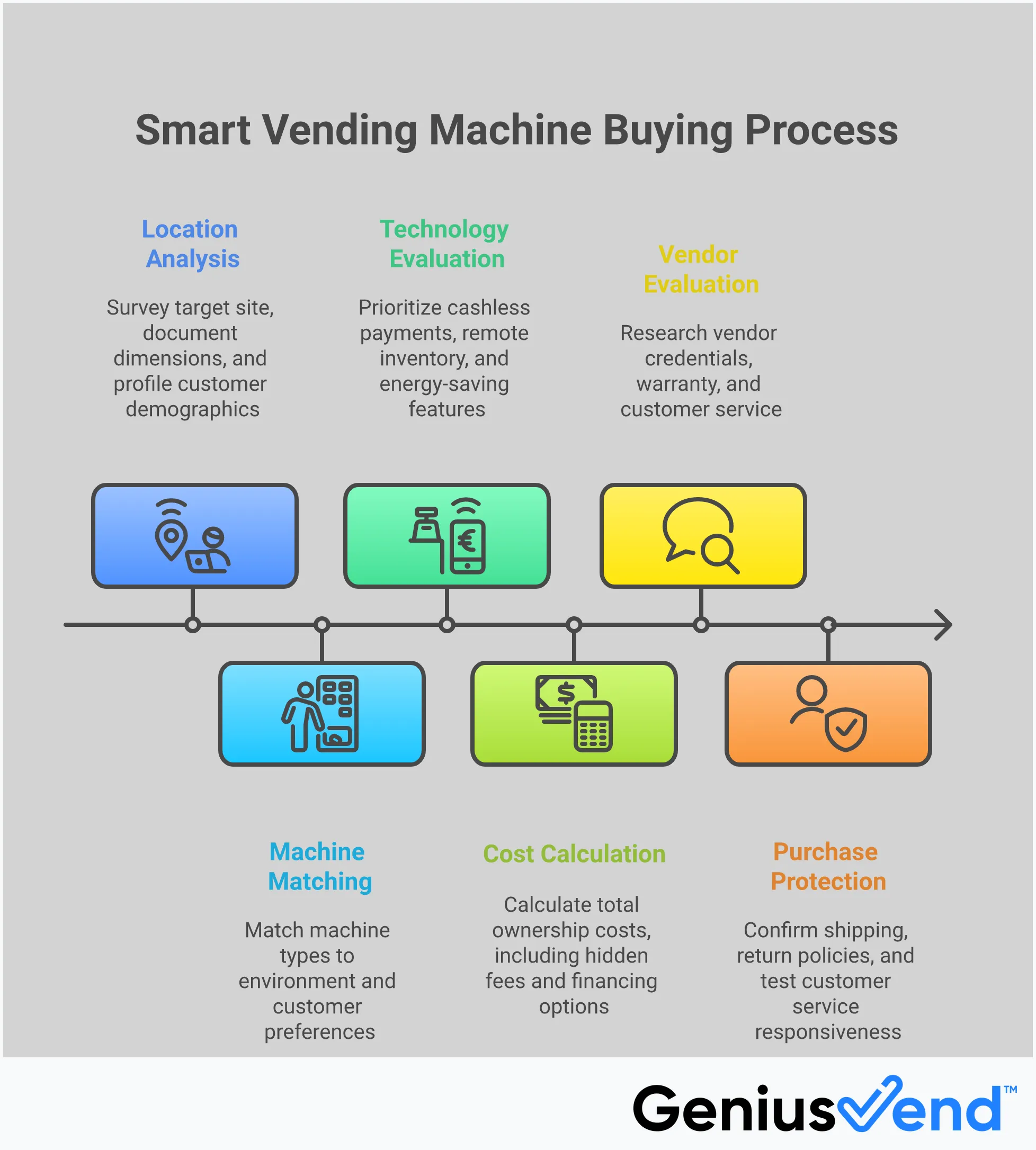
- Match Your Machine to Its Future Home: The most advanced machine will fail in the wrong spot. Before buying, analyze your location and its customers to choose a machine type—whether a smart cooler for a tech office or a classic combo for a breakroom—that meets their specific demands.
- Invest in Tech That Simplifies Your Business: Cashless payment systems and remote inventory tracking are essential tools, not just fancy features. They make purchasing easier for customers, which increases sales, and allow you to manage your route efficiently from your phone, saving you time and fuel.
- A Good Vendor is a Long-Term Partner: The company you buy from is just as important as the machine itself. Prioritize vendors with a strong reputation, transparent pricing, and excellent post-sale support, because a solid warranty and reliable tech help are crucial for keeping your machine running and profitable.
What Kind of Vending Machine Do You Need?
Before you start browsing online listings, the first step is to figure out exactly what kind of machine fits your goals. The best choice depends entirely on your location, your target customers, and the products you plan to sell. A machine that’s perfect for a busy office breakroom might not work for a gym or a school. Let’s walk through the most common types to help you find the right match for your business.
Snack Vending Machines
This is the classic vending machine everyone pictures. Snack machines are designed to dispense non-perishable items like chips, cookies, candy bars, and pastries. They are a reliable choice for locations with consistent foot traffic, such as office buildings, waiting rooms, and schools. Because they only stock shelf-stable products, managing inventory is often simpler than with other machine types. Many online retailers offer a wide selection of new and used snack machines that you can purchase directly, making it easy to get started. Just be sure to match the machine’s capacity to the location’s traffic to avoid constant restocking or stale products.
Beverage Vending Machines
From sodas and energy drinks to bottled water and iced tea, beverage machines are always in high demand. In fact, the beverage vending machine category has dominated the market for years. While traditional sodas are still popular, there’s a growing trend toward offering healthier options like sparkling water, kombucha, and cold-pressed juices. A well-stocked drink machine can be a standalone profit center or a great complement to a snack machine. Consider the preferences of your location—a gym might see more water sales, while a university library might sell more caffeinated drinks. This is a versatile option that can succeed in almost any environment.
Combo Vending Machines
Why choose between snacks and drinks when you can offer both? Combo machines provide the best of both worlds in a single footprint, making them ideal for locations where space is limited. These versatile units typically feature refrigerated slots for drinks on one side and ambient shelving for snacks on the other. This flexibility allows you to cater to multiple cravings at once, increasing your potential sales per customer. You can find a variety of combo machines directly from manufacturers and wholesale suppliers, giving you plenty of options to find one that fits your space and budget. They are a practical, all-in-one solution for smaller businesses or new vending routes.
Smart AI-Powered Vending Machines
Welcome to the future of vending. Smart machines use artificial intelligence and modern tech to create a seamless customer experience and simplify operations for you. Instead of punching in codes, customers can often just tap a payment method, open the door, grab what they want, and go. The machine uses sensors and AI to automatically charge them for the items taken. These technologies are designed to enhance user experience and provide you with powerful remote management tools. You can track sales in real-time, monitor inventory from your phone, and get alerts for any issues, which means fewer site visits and more profit.
Specialty Machines (Frozen Food, Coffee, Healthy Options)
Beyond the usual snacks and sodas, the world of vending offers machines for almost any product imaginable. Hot beverage machines that serve fresh coffee, espresso, and hot chocolate are perfect for offices and transit hubs. Frozen and cold food machines can dispense ice cream, sandwiches, and even full meals, turning a breakroom into a mini-cafeteria. There are also specialized machines designed for healthy snacks, fresh salads, or even non-food items like electronics or personal care products. If you’ve identified a specific need at a location, a specialty machine can be an incredibly profitable way to fill that gap and stand out from the competition.
Key Features to Look For in a Vending Machine
Choosing a vending machine isn't just about what it holds; it's about how it operates. The right features can make the difference between a passive income stream and a constant headache. Think about what will make your life easier as an operator and what will create a seamless experience for your customers. From payment options to remote management, the technology inside the machine is just as important as the snacks. Let's walk through the key features you should have on your checklist.
Payment Systems and Cashless Tech
Long gone are the days of digging for exact change. Today’s customers expect to pay with a tap of their card or phone. A modern vending machine absolutely must have a reliable cashless payment system that accepts credit cards, debit cards, and mobile payments like Apple Pay and Google Pay. This isn't just a convenience—it's a requirement for maximizing sales. Machines that only take cash are leaving money on the table. Offering flexible payment options makes purchasing easy and encourages more sales, turning a passing thought into a completed transaction.
Smart Tech and Remote Management
Imagine knowing exactly what’s selling and when a product is running low without ever leaving your house. That’s the power of smart vending machines. Features like real-time inventory tracking and sales analytics, accessible through a mobile app, are game-changers for operators. This technology allows you to manage your entire route from your phone, saving you time, fuel, and guesswork. You can plan restocking trips efficiently and optimize your product selection based on hard data. With a significant portion of new machines being smart-enabled, this is quickly becoming the industry standard for a reason.
Size, Capacity, and Energy Use
Before you buy, measure your space. A vending machine’s physical footprint is a critical factor. You need to ensure it fits the location while also having enough capacity to meet customer demand without needing daily restocks. Beyond size, consider energy consumption. Modern machines are designed to be more energy-efficient, using features like LED lighting and energy-saving modes that power down when the machine isn't in use. An ENERGY STAR certified machine can significantly lower your electricity bills over time, directly impacting your bottom line and making your operation more sustainable.
Product Delivery and User Experience
A customer’s interaction with your machine should be simple and successful. Nothing is more frustrating than a paid-for snack getting stuck. Look for machines with reliable delivery systems, like conveyor belts or secure drop sensors that guarantee a product is dispensed. The best machines use technology like AI to create a "grab and go" experience, where a customer simply taps their card, opens the door, takes what they want, and walks away. This kind of frictionless customer experience not only prevents errors but also builds trust and encourages repeat business.
Security and Identity Verification
Protecting your investment is crucial. Your vending machine should be built with durable materials and have secure locking mechanisms to deter theft and vandalism. For operators interested in selling age-restricted items like beer, CBD products, or vapes, advanced security is even more important. New machines are incorporating identity verification technology, using scanners or apps to confirm a customer's age before completing a purchase. This feature opens up entirely new, high-margin product categories and ensures you can operate responsibly and in compliance with local laws.
Breaking Down the Cost of a Vending Machine
Let's talk numbers. The price of a vending machine isn't a simple one-size-fits-all figure. It’s a spectrum that depends on what you need, the technology you want, and whether you’re buying new or used. Think of it like buying a car—a basic, reliable sedan will have a very different price tag than a brand-new, tech-loaded SUV. Understanding the factors that influence the cost will help you create a realistic budget and make a smart investment for your business.
The initial purchase price is just the starting point. You also need to account for everything from shipping and installation to your first round of inventory. A common mistake for new operators is underestimating the total startup cost, which can put a strain on your business before you even make your first sale. By breaking down all the potential expenses upfront, you can plan effectively and set your vending route up for success from day one. We’ll walk through the typical price ranges, what drives the cost up or down, and the "hidden" expenses you need to add to your budget.
Price Ranges by Machine Type
The type of machine you choose is the biggest factor in its cost. On the lower end, you can find a solid remanufactured snack machine for around $2,500. These are great for getting started without a huge initial investment. If you want to offer both snacks and drinks, a new combination machine can run you anywhere from $7,000 to over $11,000. Specialty machines, like those for frozen foods or hot coffee, often have higher price points due to their complex internal mechanics. Smart, AI-powered machines also sit at the higher end of the spectrum, but their advanced features, like remote inventory management and a frictionless checkout experience, can lead to higher profits and operational savings over time.
New vs. Refurbished Options
Deciding between a new or refurbished machine often comes down to your budget and risk tolerance. A brand-new machine comes straight from the factory with the latest technology, a full manufacturer's warranty, and the peace of mind that you’re its first owner. This is the most reliable but also the most expensive option. On the other hand, you can find great deals on "certified" refurbished used machines. These units have been professionally inspected, repaired, and cleaned. While they save you money upfront, they may come with older payment systems, have a shorter lifespan, and offer a more limited warranty. Just be sure you’re buying from a reputable seller who stands by their refurbishment process.
What Influences the Price?
Beyond the basic type, several features determine a machine's final cost. Advanced payment systems are a big one; a machine that accepts credit cards, mobile payments, and cash will cost more than a cash-only model. The size and capacity also play a role—larger machines that hold more products are naturally more expensive. Technology is another key driver. Features like remote inventory tracking, sales data reporting, and AI-powered checkout add to the price but can significantly streamline your operations. Finally, don't forget about durability and security. A machine built with stronger materials and strong vending machine locks will cost more but will better protect your inventory and cash.
Hidden Costs to Add to Your Budget
The sticker price isn't the total price. It’s crucial to budget for the extra expenses that come with getting your machine up and running. First, factor in shipping and delivery fees, which can be several hundred dollars depending on the machine's size and your location. You'll also need to buy your initial inventory to stock the machine, which can be a significant upfront cost. Don't forget sales tax, which is added to the final purchase price. Aspiring operators often make common missteps by overlooking these costs. Other potential expenses include credit card transaction fees, monthly fees for remote management software, and a small fund for any immediate maintenance or repairs.
Who Are the Best Vending Machine Brands?
When you start shopping for a vending machine, you’ll quickly realize there are a lot of brands to choose from. The "best" one really depends on what you need. Are you looking for the latest tech to maximize your profits and simplify management? Or are you searching for a basic, reliable workhorse for a low-traffic area? The vending world includes everything from legacy manufacturers who have been around for decades to innovative tech companies that are changing the game.
Think of it like buying a car. You have your trusted, long-standing brands known for reliability, and you have newer brands pushing the limits with smart features and efficiency. Some operators prefer the classic, straightforward models, while others see the value in investing in technology that offers a better customer experience and easier remote management. We’ll walk through some of the top names in each category so you can find the perfect fit for your business goals.
Genius Vend Smart Vending Solutions
If you’re focused on creating a modern, seamless customer experience and running your routes as efficiently as possible, Genius Vend is the brand to watch. We specialize in AI-powered smart vending machines that offer a simple "Tap, Grab & Go" system. This tech-forward approach not only delights customers but also helps you increase profits. Our lineup includes smart coolers and freezers that can handle a wide variety of products. Plus, every machine comes with a free operator's app, allowing you to remotely manage inventory, check sales data, and monitor machine health right from your phone. It’s the ideal solution for entrepreneurs who want to build a smarter, more profitable vending business.
Established Brands: Crane, GPL, and Vendo
In the world of traditional vending, names like Crane, GPL, and Vendo are titans. These companies have been building reliable snack and drink machines for years, and you’ll find their equipment in breakrooms and public spaces everywhere. They are known for their durability and straightforward operation. While they may not always have the cutting-edge tech of a smart machine, they are solid, dependable choices. You can often find these machines through wholesale distributors like Vendtek, which carries a wide selection of new and refurbished models. If you’re looking for a standard machine that simply gets the job done, these brands are a great place to start your search.
Popular Online Vendors and Marketplaces
Beyond buying directly from a manufacturer, you can find a huge selection of machines on large online marketplaces. Websites like Vending.com and Online Vending Machines, Inc. are major distributors that sell equipment from many different brands. These sites are a great resource because they offer a one-stop shop where you can compare various types of machines, from combo units to specialty vendors. They typically sell both brand-new machines and certified refurbished options, which can be a budget-friendly way to get started or expand your route. Browsing these marketplaces can give you a good sense of the different features and price points available across the industry.
How to Check Vendor Reputation and Reviews
No matter which brand or seller you’re leaning toward, doing your homework on their reputation is a critical step. A great machine from an unreliable supplier can quickly turn into a headache. Before you commit, look for online reviews, testimonials, and customer case studies. Don’t be afraid to ask the vendor for references you can speak with. A trustworthy company will be happy to connect you with satisfied customers. Remember, building a successful vending business requires more than just good equipment; it requires strong partners. Your supplier’s reliability is just as important as the machine’s features.
How to Handle Financing and Warranties
Once you’ve zeroed in on the perfect vending machine, the next step is figuring out how to pay for it and protect your investment. This part can feel a little intimidating, but it’s all about finding a plan that fits your budget and gives you peace of mind. A great machine is only a great investment if the financial terms make sense and you have support when you need it.
Think of financing as a tool to get your business up and running without draining your savings, and a warranty as your safety net. Reputable sellers understand that you’re not just buying a piece of equipment; you’re starting or growing a business. They should offer clear options for both. Let’s walk through what you should look for, from payment plans and leasing options to the fine print on warranties and return policies. Getting these details right from the start will save you headaches and help you build a profitable vending operation with confidence.
Financing Programs and Payment Plans
You don’t always need a pile of cash to buy a new vending machine. Many vendors offer financing programs designed to help you get started with minimal upfront costs. Look for options like 100% financing, which lets you acquire a machine with little to no money down. Some plans even break down the cost into small daily payments, which can be easier to manage as you start generating revenue. You might also find 0% interest deals if you can pay off the machine within a specific timeframe. Exploring these business financing options can make a huge difference in your cash flow, allowing you to invest in a high-quality machine from day one.
Deciding Between Leasing vs. Buying
Should you lease or buy? It’s a classic business question. Buying a machine means you own an asset. You can customize it, and once it’s paid off, all the revenue is yours, minus operating costs. Leasing, on the other hand, typically involves a lower upfront cost and a fixed monthly payment. This can be a great way to test a location or a new machine type without a long-term commitment. The right choice depends on your business model and financial situation. If you have the capital and are confident in your plan, buying is often the better long-term investment. If you want more flexibility, leasing equipment might be the way to go.
Warranty Coverage and Tech Support
A vending machine is a piece of technology, and sometimes, things go wrong. That’s where a good warranty and reliable tech support become your best friends. Before you buy, find out exactly what the warranty covers and for how long. A solid vendor will typically offer at least a one- or two-year warranty on parts. Even better is a company that provides free lifetime technical support. This is incredibly valuable, especially when you’re new to the business. Knowing you can call an expert for help with any issue, big or small, provides priceless peace of mind and keeps your machine running smoothly.
Return Policies and Guarantees
What happens if the machine arrives and it’s not what you expected? This is why you need to read the return policy before you click “buy.” A transparent vendor will have a clear policy outlining your options if you’re not satisfied with your purchase. Look for details on the return window, any potential restocking fees, and the process for sending a machine back. A fair return policy is a sign of a confident seller who stands behind their products. It gives you an extra layer of security, ensuring you feel good about your purchase from the moment you order it.
Common Mistakes to Avoid When Buying Online
Buying a vending machine online is an exciting step toward starting or growing your business. But it’s easy to get tripped up by a few common issues that can cost you time and money down the road. Many aspiring operators make missteps early on, like picking the wrong machine or location, which can lead to major headaches and lost profits.
Thinking ahead can help you sidestep these problems entirely. By being aware of the full cost, matching your machine to its future home, doing your homework on used equipment, and vetting your vendor, you set yourself up for success from day one. Let’s walk through the most frequent blunders so you can make your purchase with confidence.
Underestimating the Total Cost of Ownership
The sticker price is just the beginning. It’s crucial to look at the total cost of ownership to understand your real investment. This includes shipping fees, sales tax, and potential installation costs. You also need to account for ongoing expenses like credit card processing fees, software subscriptions for remote management, and a budget for maintenance and repairs. A cheaper machine might seem like a great deal upfront, but if it constantly breaks down or lacks modern features, it could end up costing you more in the long run. Creating a business budget that includes these variables will give you a much clearer picture of your potential return on investment.
Choosing the Wrong Machine for Your Location
Even the most advanced vending machine will fail if it’s in the wrong spot. Before you buy, think carefully about where the machine will go and who will be using it. A high-end office building might be perfect for a smart cooler with fresh salads and kombucha, while a factory breakroom might do better with classic snacks and sodas. Running a vending business without monitoring sales performance is like flying blind. That’s why smart machines are so valuable—they give you the data you need to stock the right products and keep customers happy, ensuring your machine is a perfect fit for its environment.
Skipping Inspections on Used Machines
If you’re considering a used or refurbished machine, don’t just take the seller’s word for it. A durable, well-built machine will save you a lot of trouble, so a detailed inspection is a must. If you can’t see it in person, ask for a video call where the seller can show you the machine in action. Request detailed photos of the interior, the cooling unit, and the payment systems. Check for rust, test the locks, and make sure all moving parts are in good working order. While a lower price is tempting, a machine that needs constant repairs will quickly eat into your profits. Buying from a reputable seller who offers a refurbishment guarantee can provide extra peace of mind.
Overlooking Vendor Reputation and Support
The company you buy from is just as important as the machine itself. Before you commit, do some research on the vendor. Look for online reviews, testimonials, and see how long they’ve been in business. A reputable vendor will be transparent about their products and pricing. More importantly, consider the support they offer after the sale. Will they be there to help if you have technical questions or need to file a warranty claim? Excellent customer support is invaluable, especially when you’re just starting out. A good vendor acts as a partner, providing the resources you need to make your vending business a success.
How to Choose the Right Online Vendor
Finding the perfect vending machine is a huge step, but the vendor you choose to buy from is just as critical to your success. A great partner will do more than just ship you a machine; they’ll provide the support and expertise you need to get your business running smoothly. On the other hand, a less-than-reputable seller can leave you with a faulty machine and no one to call for help. Think of this as a long-term business relationship. You want to partner with a company that is invested in your growth and has a solid track record of supporting operators like you. Let’s walk through the key factors to consider so you can find a vendor you can trust.
Research Vendor Credentials and Experience
Before you even think about adding a machine to your cart, do a little digging into the vendor themselves. A reputable seller will have a professional website with clear information about their company and their products. Look for how long they’ve been in business and what other operators are saying about them through testimonials and online reviews. A trustworthy vendor understands the realities of the vending machine industry and can offer genuine advice to help you succeed. They should be a resource, helping you set realistic expectations and guiding you toward the best equipment for your specific goals, not just pushing for the quickest sale.
Clarify Shipping and Installation Services
A vending machine is a large, heavy, and complex piece of equipment. Getting it from the seller’s warehouse to your location is a significant logistical step, so you need to know exactly what to expect. Ask potential vendors for a detailed breakdown of their shipping process and costs. Find out if they offer services like "White Glove Delivery," which can provide a completely hassle-free experience by having professionals deliver, unbox, and place the machine right where you want it. This service can save you a ton of time and physical effort. Be sure to confirm what’s included in the price to avoid any surprise fees for things like liftgate services or inside delivery.
Evaluate Customer Service and Support
Your relationship with a vendor shouldn't end once the machine is delivered. In fact, that’s often when it really begins. What happens when you encounter a technical issue or just have a question about programming? This is where a vendor’s customer service truly shines. Look for companies that stand by their products with strong post-sale support. A major selling point is free lifetime technical support, as this shows the vendor is committed to your long-term success. Before you buy, check their support hours and contact methods. A vendor who is easy to reach and quick to respond is an invaluable partner in the vending business.
Compare Total Value, Not Just the Price Tag
While it’s tempting to sort your search results by "price: low to high," the cheapest option is rarely the best investment. A low-cost machine might seem like a great deal, but it could come with hidden costs like frequent breakdowns, outdated technology, and nonexistent support. Instead of focusing solely on the initial price, evaluate the total value you’re receiving. This includes the machine’s quality, its features, the length of the warranty, and the level of customer support. Making the wrong choice can quickly lead to frustration and lost profits. A reliable machine from a reputable vendor might cost more upfront, but it will pay for itself with greater uptime and peace of mind.
Ready to Buy Your Vending Machine?
You’ve done your homework, compared the options, and are zeroing in on the perfect machine. Making that final purchase can feel like a big step, but it doesn’t have to be complicated. Before you click "add to cart," run through this final checklist to make sure you’re making a smart investment that will pay off for years to come.
First, double-check that the machine aligns with your goals. Ask yourself: How will this machine fit into my business plan? What kind of user experience do I want to offer? A simple, modern checkout process like a "tap, grab, and go" system can make a huge difference in customer satisfaction and sales. Also, confirm you have a clear picture of the total costs, including shipping, installation, and any potential subscription fees for software. A reliable vendor will be transparent about all expenses upfront.
When you’re ready to buy, look for vendors that make the process easy. Many top online sellers have streamlined shopping sections that let you purchase directly without waiting for a price quote. Also, don’t forget to explore your funding options. Many suppliers offer flexible financing plans that can make even high-end machines more accessible, allowing you to get started with a manageable daily or monthly payment. By focusing on a vendor’s experience, the machine’s features, and the total value, you can confidently choose a machine that’s right for your business.
Related Articles
- Where Can I Buy a Vending Machine? A 2025 Guide
- Vending Machines for Sale: A Buyer's Guide
- The 5 Best Places to Buy Vending Machines
- How to Buy a Vending Machine: A Step-by-Step Guide
Frequently Asked Questions
What's the most important thing to figure out before I even start looking at machines? Before you spend a single second browsing online listings, you need to have a location secured. The right machine is entirely dependent on the place it will live and the people it will serve. A location agreement dictates your space constraints, the type of customers you'll have, and what products are likely to sell. Once you know where your machine is going, choosing the right model becomes infinitely easier.
Is buying a used or refurbished machine a good idea for a beginner? It can be a great way to save money on your initial investment, but you have to be careful. A refurbished machine from a reputable company that includes a warranty and tech support can be a smart move. However, buying a used machine "as-is" from a private seller can be risky. You might save money upfront, but you could end up with outdated payment systems or unexpected repair bills that quickly erase those savings.
Are smart, AI-powered machines really worth the extra cost? While the initial price is higher, the long-term value is significant. Smart machines save you an incredible amount of time and fuel by letting you track inventory from your phone, so you only restock when necessary. They also provide sales data that helps you stock more of what people actually want. This efficiency and insight often lead to higher profits that can more than make up for the initial investment.
How much work is actually involved after I buy the machine? Your main jobs will be stocking products, collecting money, and performing basic maintenance. The amount of work really depends on your machine's technology and the location's traffic. A traditional machine at a busy spot might require frequent check-ins. A smart machine, however, streamlines the process by telling you exactly what's needed and when, which means fewer site visits and less guesswork on your part.
What's the biggest red flag to watch out for when choosing an online vendor? The biggest red flag is a lack of transparency and poor post-sale support. If a vendor is vague about the total cost, doesn't have a clear warranty, or makes it difficult to find customer reviews, you should be cautious. A great vendor acts like a partner and is invested in your success, which means they are upfront about everything and offer reliable support long after your machine has been delivered.