

The vending industry has changed dramatically. We’ve moved from coin-only machines to smart, AI-powered coolers that offer a seamless "Tap, Grab & Go" experience. This technological leap is directly reflected in modern vending machine prices. While a basic coil machine has a lower entry cost, a smart machine is an investment in efficiency and higher revenue. It offers powerful tools like remote inventory management and cashless payments that customers now demand. This article explains how technology impacts cost and why a higher initial investment in a smart machine can lead to a much faster and greater return for your business.
Key Takeaways
- Look Beyond the Sticker Price: The cheapest machine is rarely the best investment. Factor in the long-term costs of potential repairs and lost sales from outdated tech versus the reliability and higher revenue potential of a new, smart machine.
- Use Smart Features to Work Smarter: Modern technology is your best employee. Remote inventory management saves you countless hours and fuel costs, while cashless payment options meet customer expectations and increase the value of each sale.
- Match Your Machine to Your Market: Your success depends on placing the right machine in the right location. Analyze your potential customers and their preferences before you buy to ensure your investment is set up to be profitable from day one.
What Factors Into a Vending Machine's Price Tag?
When you start shopping for a vending machine, you'll quickly see that prices are all over the map. One machine might be listed for $2,000, while another, seemingly similar one, costs $10,000. So, what gives? The price tag isn't arbitrary; it's a reflection of the machine's capabilities, condition, and long-term value. Understanding the key factors that influence cost is the first step to making a smart investment for your business. Think of it like buying a car—a basic sedan and a luxury SUV both get you from point A to point B, but their features, reliability, and performance are worlds apart. Let's break down exactly what you're paying for.
Machine Type and Size
The most basic factor influencing price is what the machine sells. A standard snack machine is typically the most affordable option, often falling in the $3,000 to $5,000 range when new. Drink machines, with their required refrigeration components, usually cost a bit more, from $4,000 to $6,000. If you want to offer both, a combo machine is a great space-saver but will have a higher upfront cost. The machine's size and capacity also play a role; a larger machine that holds more inventory will naturally be more expensive than a compact model designed for a small office breakroom.
Technology and Smart Features
This is where the price can really start to climb—but for good reason. A bare-bones machine that only takes cash is a thing of the past. Modern machines come equipped with technology that makes life easier for you and your customers. Features like cashless payment systems that accept credit cards and mobile payments are now essential for maximizing sales. Advanced options like touchscreens and remote inventory monitoring add to the initial cost, but they also provide data that helps you run your business more efficiently, saving you time and money on restocking trips. These smart features are an investment in a smoother, more profitable operation.
Brand Reputation and Warranty
Just like with any major appliance, the manufacturer's reputation matters. A machine from a well-established brand known for quality and durability will command a higher price than one from a lesser-known company. You're not just paying for the name; you're paying for higher-quality components and engineering that lead to fewer breakdowns. A solid warranty is also part of the package. A longer, more comprehensive warranty is a clear sign that the manufacturer stands behind their product, giving you valuable peace of mind and protecting your investment from unexpected repair bills down the road.
New vs. Used Condition
The temptation to save money with a used machine is strong. You can find refurbished units for as little as $1,500, which seems like a great deal. However, that lower price often comes with risks. A used machine may have hidden mechanical problems, require costly repairs, and likely won't include a warranty. More importantly, older models often lack the modern features customers expect, like cashless payment options. Buying new costs more upfront, but you get a reliable, untouched machine with the latest tech and a full manufacturer's warranty, making it a safer long-term investment.
How Much Do Vending Machines Actually Cost?
When you start shopping for a vending machine, you'll quickly see that prices are all over the map. The final cost depends heavily on the machine's type, features, and condition. Think of it less like buying a standard appliance and more like buying a car—there’s a huge range from a basic, used model to a brand-new, fully-loaded smart vehicle. Let's break down the typical price ranges you can expect for different types of machines so you can find the right fit for your budget and business goals.
Traditional Snack and Drink Machines
These are the classic machines you see everywhere. For a brand-new, basic snack machine, you’re looking at a price tag between $3,000 and $5,000. A new machine that only dispenses drinks will run a bit higher, typically from $4,000 to $6,000. If you're working with a tighter budget, you can find used or refurbished machines for as little as $1,500. While the lower upfront cost is tempting, be aware that older models often come with potential downsides. They might need more frequent repairs and usually lack modern conveniences like cashless payment options, which can be a dealbreaker for today's customers.
Combo Vending Machines
A combination machine is a great space-saver, offering both snacks and drinks in a single unit. This makes them a popular choice for locations that can't accommodate two separate machines. A new combo machine generally costs between $3,000 and $5,500. The price varies based on capacity, the number of selections it offers, and the cooling system's quality. Just like their single-purpose counterparts, you can find used combo machines for less, but it’s important to weigh the initial savings against the potential for future maintenance costs and the lack of modern payment technology that customers have come to expect.
Smart AI-Powered Vending Machines
This is where vending technology gets exciting. Smart, AI-powered machines like the ones from Genius Vend represent the cutting edge of the industry. While their upfront cost is higher than traditional models, they are packed with features designed to maximize your profits and simplify operations. These machines offer a "Tap, Grab & Go" experience, automatically calculating purchases in real-time. From your phone, you can manage inventory, adjust pricing dynamically, and view sales reports. This remote management capability saves you countless hours on the road and ensures your machines are always stocked with what sells best, making the investment pay for itself over time.
Specialty Machines (Coffee, Frozen Food, etc.)
If you're looking to offer something beyond chips and soda, specialty machines open up a world of possibilities. You can find machines that dispense hot coffee, frozen meals, fresh salads, or even ice. Because these machines are more complex, their prices vary dramatically. A high-quality coffee vending machine might be in the same range as a combo machine, but more specialized equipment, like an ice vending machine, can cost tens of thousands of dollars. When considering a specialty machine, it’s crucial to research your target location to ensure there’s strong demand for the products you plan to offer.
Common Myths About Vending Machine Costs
When you're exploring the world of vending, it's easy to get tripped up by common misconceptions about the costs involved. Thinking that the sticker price is the only number that matters or that any used machine is a bargain can lead to some expensive lessons down the road. Let's clear the air and look at some of the most persistent myths about vending machine expenses so you can make a truly informed investment in your business.
Myth: The Purchase Price Is Your Only Expense
It’s tempting to focus solely on the upfront cost of the machine, but that’s only one piece of the financial puzzle. Your vending machine is the heart of your business, but it needs more than that to run. You'll have ongoing costs for inventory, potential location fees or commissions, payment processing fees for cashless transactions, and routine maintenance. Building a reliable income stream with vending takes dedication and a clear understanding of all the associated business expenses, not just the initial hardware purchase.
Myth: Used Machines Are Always a Better Deal
Scoring a used machine for a few hundred dollars feels like a win, but it can often cost you more in the long run. Older machines frequently lack the features modern customers expect, like reliable cashless payment options, which can severely limit your sales. They’re also more prone to breakdowns, come without a warranty, and can be energy hogs. While the initial price is lower, you might quickly spend the difference—and then some—on repairs, lost sales from downtime, and higher utility bills. A new machine is an investment in reliability and modern technology.
Myth: All Smart Technology Is the Same
The term "smart" gets thrown around a lot, but not all tech is created equal. Some machines are called smart simply because they have a credit card reader. True AI-powered smart vending, however, is a different league. This technology offers a frictionless "Tap, Grab & Go" experience for customers and gives you powerful remote management tools. You can track inventory in real-time, analyze sales data, and manage your entire route from your phone. This level of operational efficiency and data collection is what truly justifies the investment and separates a basic machine from a genius one.
Myth: Profits Are Immediate
Many newcomers imagine their machines will instantly start printing money. While vending can be very profitable, it’s not a get-rich-quick scheme. It takes time to find the right location, learn your customers' preferences, and optimize your product selection for maximum sales. Your first few months will be a learning period as you build your route and establish your business. Thinking of it as a marathon, not a sprint, helps set realistic expectations. Profitability is the goal, and it’s absolutely achievable with the right strategy and patience.
Where to Buy Vending Machines (And Why It Matters)
Deciding where to buy your vending machine is a huge step that shapes your entire business journey. It’s not just about the initial price tag; it’s about the quality of the machine, the support you’ll receive, and the technology that will power your sales. Think of your supplier as a long-term partner. A great one can provide you with reliable equipment and valuable advice, while a poor choice can lead to mechanical headaches and lost revenue. Let’s look at the most common places to source your machines and what each option means for your investment.
Genius Vend Smart Vending Solutions
Buying directly from a technology-focused manufacturer like Genius Vend means you’re getting the most advanced features straight from the source. These aren't your standard coil machines; they are AI-powered smart coolers that offer a simple "TAP, GRAB & GO™" experience for customers. This modern approach uses AI vision to track purchases in real-time, which means no more product jams or incorrect vends. For you, the operator, this translates to powerful tools like remote inventory management and dynamic pricing, all managed from an app on your phone. While the initial investment might be higher, you’re paying for cutting-edge tech designed to maximize your profits and simplify operations.
Traditional Vending Suppliers
Traditional suppliers are the go-to for many new and established vending operators. These companies typically offer a wide selection of both new and used machines, from standard snack dispensers to drink coolers. This is often a more budget-friendly route, especially if you’re just starting out. You can find reliable, refurbished machines that get the job done without the premium cost of brand-new technology. The key here is to work with a reputable dealer who thoroughly inspects and services their used equipment. They can be a great resource for parts and repairs, offering a level of hands-on support that you might not find elsewhere.
Online Marketplaces and Auctions
Websites like Vendtek or even eBay can feel like a treasure trove of vending machines, with listings that span every type, age, and price point imaginable. You can find everything from vintage soda machines to nearly new combo units. The main advantage here is the sheer variety and the potential to find a great deal. However, this route requires a bit more diligence. You’ll need to carefully vet sellers, ask for detailed photos and service histories, and factor in shipping costs, which can be substantial. Buying online often means purchasing "as-is," so be prepared to handle any potential repairs yourself.
How Your Supplier Choice Affects Your Investment
Ultimately, your supplier choice directly impacts your bottom line and your day-to-day stress levels. A reliable supplier provides more than just a machine; they offer peace of mind through warranties, technical support, and access to replacement parts. This relationship is crucial for building a sustainable business. A good machine from a trusted source allows you to focus on what really matters: securing high-traffic locations and keeping your customers happy. Remember, the vending business is built one successful machine at a time, and that success starts with making a smart purchasing decision.
How to Pay for Your Vending Machine
Seeing the price tag on a new vending machine can feel like a roadblock, but it’s really just a fork in the road. You don’t need a pile of cash sitting in the bank to get your vending business started or to upgrade your existing route. There are several smart ways to fund your purchase, from leasing agreements to straightforward loans that make even the most advanced AI-powered machines accessible. The right path depends on your financial situation and business goals. Let's walk through the most common options so you can make a confident choice.
Leasing vs. Buying
This is one of the first financial decisions you'll face. Leasing a machine can mean lower monthly payments and less commitment, which is appealing if you're testing a new location. However, you won't own the asset. Buying, on the other hand, is a long-term investment. While the initial cost is higher, you own the machine outright and keep all the profits it generates. Don't let the sticker price scare you away from buying; many equipment financing options can break the cost down into manageable payments, making it surprisingly affordable to own from day one.
Manufacturer Financing
One of the most direct ways to pay for your machine is to finance it through the manufacturer. Companies that sell vending machines often have in-house financing programs designed to get you up and running quickly. This process is usually streamlined because the company already knows the value of the asset you're financing. They can offer competitive rates and payment plans tailored to vending operators. This option can make a brand-new, high-tech machine feel as affordable as a used one, with some industry plans costing less than a fancy coffee per day. It’s a great way to get the best technology without draining your capital.
Third-Party Loans
If manufacturer financing isn't the right fit, you can secure funding from a third-party lender. This could be a traditional business loan from your bank or a loan from a company specializing in small business financing. This route gives you the flexibility to shop around for the best interest rates and terms. When you apply, be prepared to present a solid business plan, especially if you're investing in advanced technology like a smart vending machine. Lenders will want to see that the higher initial cost is justified by features that improve efficiency and lead to a stronger return on investment.
Don't Forget These Ongoing Vending Costs
The sticker price of a vending machine is just the starting line. To accurately forecast your profits and build a sustainable business, you need to account for the recurring costs that come with operating your machine. Think of these as the regular expenses that keep your business running smoothly and your customers happy. Factoring them into your budget from day one is the key to long-term success.
Maintenance and Repairs
Just like a car, your vending machine will need regular tune-ups and the occasional repair to stay in top shape. While new machines often come with a warranty and technical support, you should still set aside a small budget for potential issues. If you're considering a used machine, be aware that it might come with hidden wear and tear that could lead to unexpected repair bills. Proactive maintenance, like regular cleaning and checking components, can save you from more expensive emergency fixes down the road.
Inventory and Restocking
Your products are the heart of your business, and keeping your machine stocked is your single most important ongoing expense. The cost of inventory will depend entirely on what you sell and where you source it from. Buying in bulk from wholesale suppliers is a great way to lower your cost per item. How much you can make really depends on your location, product selection, and pricing strategy. Modern machines can help you manage your inventory remotely, giving you real-time sales data so you only buy what you know will sell.
Location and Utility Fees
A great location is crucial, but it sometimes comes at a price. High-traffic spots like office buildings, schools, or hospitals might charge a commission—a percentage of your sales—or a flat monthly fee for the space and electricity your machine uses. Before you sign a location agreement, make sure you understand all the associated costs. It's important to find a location that provides enough foot traffic to easily cover these fees and still turn a healthy profit.
Payment and Tech Fees
Offering modern payment options is a fantastic way to increase sales, but these conveniences come with small transaction fees. Whether it's for credit cards, debit cards, or mobile payments, you can expect a small percentage of each cashless sale to go to the payment processor. If you have a smart machine, you may also have a monthly software fee for remote management and data analytics. While these are added costs, the benefits of accepting cashless payments and having detailed sales data often far outweigh the expense.
Are Smart Vending Machines Worth the Investment?
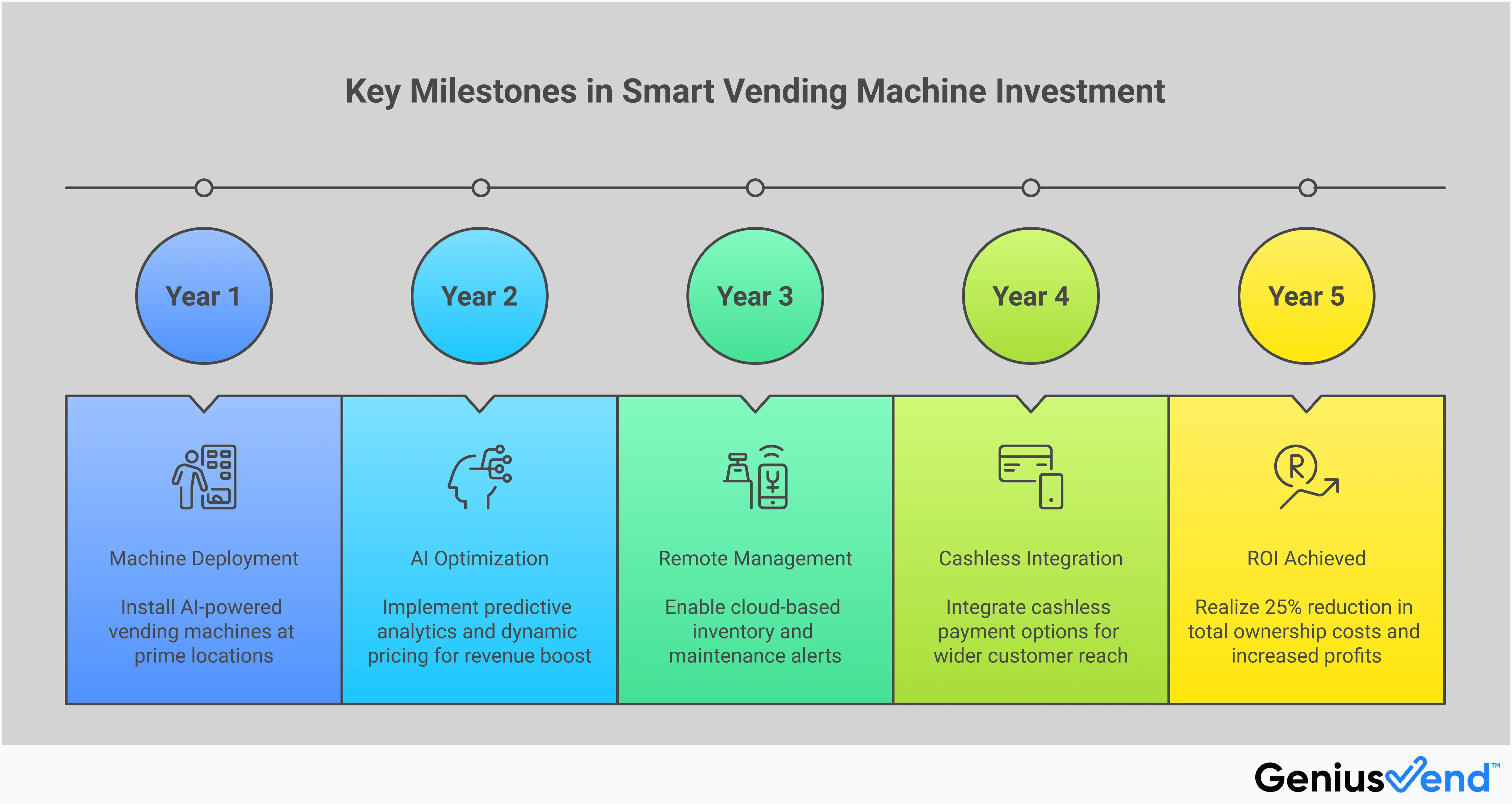
When you see the higher price tag on a smart vending machine, it’s natural to wonder if it’s really worth it. The short answer is a resounding yes. While the initial purchase price is higher than a traditional coil machine, the return on investment tells a much different story. Think of it less as a simple purchase and more as a strategic investment in a more profitable, efficient, and scalable business.
Smart vending machines, especially those powered by AI, are designed to do two things exceptionally well: make you more money and save you more time. They accomplish this by completely transforming the customer experience and streamlining your backend operations. Features like cashless payments, real-time inventory tracking, and predictive analytics aren't just fancy add-ons; they are powerful tools that directly impact your bottom line. Instead of just dispensing snacks, you’re operating a sophisticated, data-driven retail point that can adapt to customer behavior and reduce operational headaches. Let's break down exactly how these features translate into real-world value.
AI Features That Generate More Revenue
The "smart" in smart vending isn't just a gimmick; it's your key to higher profits. AI-powered machines outperform traditional ones because they use data to make smarter business decisions for you. As one industry analysis notes, "AI vending machines outperform traditional snack vending through predictive analytics, dynamic pricing, and automated inventory management." Predictive analytics help you understand what products are selling and when, so you can stock more of what your customers love and avoid missed sales due to empty slots. Meanwhile, dynamic pricing allows you to adjust prices based on demand or run promotions, maximizing your revenue on every single item.
Savings From Remote Management
One of the biggest hidden costs of running a traditional vending route is time and fuel. How many trips have you made to a machine just to find out it only needed a few items restocked? Smart machines eliminate this guesswork entirely. Genius Vend’s AI machines are built for efficiency with features like a "Tap, Grab & Go" system, real-time purchase data, and complete remote inventory management. You can see exactly what’s been sold and what you need to restock from your phone or computer. This means fewer trips, lower fuel costs, and more time to focus on growing your business instead of just maintaining it.
Lower Operational and Energy Costs
Beyond saving you time on the road, smart machines cut down on other operational costs. Traditional machines are vulnerable to "shrinkage"—product loss from theft, vandalism, or machine errors. Smart coolers with AI cameras and secure access virtually eliminate this problem. As one report highlights, "With real-time tracking, zero shrinkage, and increased transaction values, [smart machines] are proving to be a scalable and cost-effective solution." Plus, modern smart machines are often built with energy-efficient components, which can lead to noticeable savings on your electricity bills over the life of the machine, especially if you have multiple locations.
Higher Sales From Cashless Options
How many times have you walked away from a vending machine because you didn't have cash? Smart machines solve this problem by offering seamless cashless payments, including credit cards and mobile wallets. This convenience doesn't just prevent lost sales; it actually encourages customers to spend more. One study found that the average transaction value in a smart machine was $3.50, compared to just $1.90 in a traditional machine. When customers aren't limited by the bills in their wallet, they're more likely to buy multiple items, instantly increasing your revenue per transaction.
Your Vending Machine Pre-Purchase Checklist
Jumping into the vending world is exciting, but a little prep work goes a long way. Before you make a purchase, walking through a simple checklist can help you clarify your goals and ensure you’re choosing a machine that will actually make you money. Think of it as creating a business plan for your new machine. It helps you move forward with confidence, knowing you’ve covered all your bases and are setting yourself up for a profitable venture from day one.
Calculate the Total Cost of Ownership
The sticker price is just the beginning. A used machine might seem like a steal at $2,000, but will it need constant repairs or lack the modern payment options customers expect? On the other hand, a new, high-tech machine might cost upwards of $10,000 but come with a warranty and features that generate more revenue. You need to look at the total cost of ownership, which includes the initial purchase, potential repairs, maintenance, and any subscription fees for software. A clear understanding of the full vending machine cost helps you budget properly and avoid surprise expenses down the road.
Analyze Your Location and Market
Where you place your machine is one of the biggest factors in its success. A high-traffic office building with employees returning to work has different needs than a quiet community center or a busy gym. Think about who will be using your machine. What do they want? Are they looking for healthy snacks, energy drinks, or full meals? Starting a vending business doesn't require a huge storefront, but it does require a great location. Take the time to research potential spots and talk to property managers to find the perfect home for your machine.
Project Your Return on Investment
It’s tempting to dream of instant, passive income, but building a profitable vending route takes effort. Your return on investment (ROI) depends on your machine's cost, your product margins, and your sales volume. A traditional machine might have a lower upfront cost, but a smart machine can lead to a higher average transaction value. For example, modern machines often see nearly double the revenue per purchase compared to older models. By projecting your potential income and expenses, you can set realistic expectations and make a smarter investment in your business.
Match the Tech to Your Customers
Today’s customers rarely carry cash. If your machine doesn’t accept credit cards or mobile payments, you’re leaving money on the table. The right technology makes the entire experience better for your customers and easier for you. Features like a simple "Tap, Grab & Go" system remove friction and encourage more sales. For you, the operator, remote inventory management means no more wasted trips to check on a full machine. When you choose a smart vending machine, you’re not just buying a piece of equipment; you’re investing in a tool that meets modern customer expectations and streamlines your operations.
Related Articles
- Cost to Buy a Vending Machine: 2025 Pricing Guide
- How Much to Buy a Vending Machine: The Real Cost
- How Much Does It Cost to Buy a Vending Machine?
Frequently Asked Questions
How much can I realistically expect to make from one vending machine? There isn't a single magic number, as your profit depends heavily on your strategy. The most critical factors are your location's foot traffic and the products you stock. A well-placed machine in a busy office can generate significant income, while the same machine in a quiet lobby might barely break even. Your earnings are also tied to the machine itself; models with reliable cashless payment systems and smart technology that helps you optimize inventory consistently outperform older, cash-only units.
Is it ever a good idea to start with a cheap, used machine? While the low upfront cost of a used machine is tempting, it often creates more problems than it solves. You might save money initially, but you'll likely spend more in the long run on repairs, lost sales from machine downtime, and frustrated customers. More importantly, older machines typically lack the modern payment options and smooth user experience that people now expect, which directly limits your income potential from day one.
What's the biggest mistake new vending operators make? The most common mistake is focusing only on the machine's purchase price instead of the total business picture. Vending is about more than just the hardware; it's about securing a great location, understanding your customers' preferences, and managing your inventory efficiently. Choosing a machine based solely on a low price tag often means you end up with outdated technology in a low-traffic spot, which is a recipe for failure.
How do I find a good location for my first machine? Start by looking for places with a "captive audience"—think office break rooms, manufacturing facilities, apartment building lounges, or gyms where people are present for long periods. Once you have a few ideas, approach the business owner or property manager professionally. Explain how your modern vending service can be a valuable, no-cost amenity for their employees or residents. A great machine is only profitable in a great spot.
Why should I pay more for a smart machine if a traditional one still takes credit cards? A simple credit card reader is just one feature, but a true smart machine is an entire business platform. The higher investment gives you powerful remote management tools, so you can see your sales and inventory levels from your phone without wasting time and gas on unnecessary restocking trips. This technology also provides a better customer experience, like a "Tap, Grab & Go" system, which encourages more sales and builds a more efficient, scalable business.