

The vending machine you remember from your school cafeteria is a thing of the past. Today’s machines are smart, connected business tools that offer a far better customer experience. Modern features like cashless payment readers, remote inventory management, and a "Tap, Grab & Go" system are changing the game for operators. While this advanced technology means the cost to buy a vending machine is higher than it used to be, these features can also lead to more sales and a much more efficient operation. We’ll explore how these smart features impact the price and why they are a worthwhile investment for your business.
Key Takeaways
- Factor in All Costs for a Realistic Budget: The machine's sticker price is just the start. A successful business plan accounts for ongoing expenses like inventory, location commissions, and potential repairs to ensure you're truly profitable.
- Invest in Technology to Work Smarter: Features like cashless payment systems and remote inventory tracking might increase the initial price, but they lead to more sales and save you significant time and fuel on restocking routes.
- Tailor Your Machine to Its Location: The most successful vending setups match their product offerings to the customers they serve. Always research your location's needs, and if buying used, insist on an in-person inspection to avoid costly surprises.
How Much Do Vending Machines Cost?
Figuring out your budget is one of the first steps to starting your vending business, and the price of a machine can swing dramatically. You could spend a few hundred dollars on a basic, used machine or invest over $10,000 in a brand-new, high-tech model. The right choice depends on your business goals, your location, and the experience you want to offer customers. Let’s break down the main factors that determine the price tag so you can find the perfect fit for your new venture.
New vs. Used: A Price Comparison
One of the biggest decisions you'll make is whether to buy a new or used machine. A used machine is the most budget-friendly way to get started, with prices often ranging from $200 to $600 for a simple model. If you’re looking for something more reliable, a professionally refurbished snack machine might cost between $1,500 and $3,000. On the other hand, a new machine offers the latest technology and a full warranty. You can expect to pay between $3,000 and $5,000 for a standard new snack machine, but the true cost to buy a vending machine can go up from there depending on its features.
How Features Affect the Final Price
The technology inside the machine is a major driver of its cost. Basic machines that only accept cash will be on the lower end of the price spectrum. However, modern vending machines come packed with features that create a better customer experience and make your life easier as an operator. Things like touch screens, cashless payment systems, and remote inventory management tools add to the initial investment. These advanced, high-tech models can easily cost between $6,000 and $10,000 or more. The machine’s size and capacity also affect the final price, with larger units that hold more products naturally costing more.
What Factors Influence the Price?
When you start shopping for a vending machine, you’ll quickly see that prices can be all over the map. There isn’t one single sticker price because the final cost depends on a mix of factors. Think of it like buying a car—a basic sedan is going to cost a lot less than a fully-loaded SUV. The same logic applies here. Understanding what drives the price up or down will help you find the right machine for your budget and your business goals.
Machine Type and Size
First, what are you planning to sell? A machine designed only for canned drinks will have a different price than one that vends a variety of snacks or fresh food. Larger machines that hold more products also cost more upfront, but they can serve more customers between restocks. When you're looking at price, it's helpful to also consider the machine's long-term operating costs and its overall earning potential.
Brand and Build Quality
Just like with any other piece of equipment, brand reputation matters. Established vending machine brands have a track record of reliability and are often built with more durable materials. A machine from a well-known manufacturer might cost more initially, but it’s an investment in quality that can pay off with fewer breakdowns and a longer lifespan. A cheaper machine might save you money today but cost you more in repairs tomorrow.
Tech and Smart Features
Technology is one of the biggest price differentiators in modern vending. A basic, old-school machine that only takes cash will be on the lower end of the price spectrum. In contrast, modern connected machines with cashless payment readers, touch screens, and remote inventory management cost more. These features create a smoother customer experience and make your operations far more efficient, helping you know exactly what to restock without a wasted trip.
Age and Condition (For Used Machines)
If you’re exploring the used market to save money, the machine's age and condition are the most critical factors. A refurbished machine that’s only a few years old will cost significantly more than a 15-year-old machine sold "as-is." A lower price might hide problems like a faulty cooling unit or a finicky bill validator. It’s essential to inspect the machine thoroughly and know which features to look for to avoid buying a headache.
Vending Machine Price Ranges by Type
Let's get into the numbers. The biggest factor that determines a vending machine's price tag is its type. Are you planning to sell chips, sodas, or a little bit of both? Or are you looking for a high-tech machine that offers a more modern experience? Each category comes with its own price range, driven by specific features and capabilities. Understanding these differences is the first step to figuring out your budget and choosing the right machine for your business goals. We'll walk through the most common types, from the classic snack and drink dispensers to the more advanced smart machines that are changing the game. This will give you a clear picture of what to expect financially as you start your search. The machine you choose will directly impact your startup costs, but it also influences your potential earnings and the kind of customer experience you can provide. A simple snack machine might be perfect for a low-traffic office, while a bustling tech campus might demand a smart machine with all the bells and whistles. Thinking about your ideal location and customer base now will help you make a smarter investment later. Let's break down what you can expect to pay for each type.
Snack Machines
Think of the classic, reliable snack machine you see in office breakrooms and waiting areas. These are often the most affordable entry point into the vending world. A brand-new snack machine will typically run you between $3,000 and $5,000. They are straightforward, designed to do one thing well: dispense a variety of chips, candy, and other shelf-stable treats. Because they don't require complex refrigeration systems, their manufacturing costs and, therefore, their purchase price, are lower. For new operators, their simplicity and lower initial cost make them an attractive option to get a route started without a massive upfront investment.
Beverage Machines
Next up are beverage machines, which are a staple in almost any location. These machines usually cost a bit more than their snack-only counterparts, with prices for new models falling between $4,000 and $6,000. The slightly higher price is due to the essential refrigeration systems needed to keep drinks perfectly chilled. This feature is non-negotiable for selling sodas, juices, or bottled water, as customers expect a cold, refreshing drink. These machines are built to handle the weight and cooling requirements of a full beverage inventory, ensuring every sale delivers on that expectation.
Combo Machines
What if you want to offer the best of both worlds? That's where combo machines come in. These versatile units provide both snacks and drinks, making them a fantastic solution for locations where space is tight. You get the variety customers love without needing two separate machines. The price for a new combo machine generally ranges from $3,000 to $5,500, making it a cost-effective choice that maximizes your product offerings and potential profit in a single footprint. This approach can be a smart financial move, giving you a diverse inventory without doubling your equipment costs.
Smart and AI-Powered Machines
Now we're talking about the future of vending. Smart and AI-powered machines represent the top tier of vending technology, and their prices reflect that, typically ranging from $6,000 to $10,000 or more. While the initial investment is higher, these advanced models can pay for themselves through superior features. Think remote inventory management that tells you exactly what to restock, cashless payment systems, and the "tap, grab, and go" experience that customers love. This technology leads to higher sales, less waste, and a much more efficient operation, which is why savvy operators see them as a long-term investment in their business's profitability.
Top Vending Machine Brands to Know
When you start shopping for a vending machine, you’ll quickly notice a few brand names that pop up again and again. Just like with cars or appliances, certain manufacturers have built a reputation for reliability, innovation, or value. Choosing the right brand often comes down to your specific needs. Are you looking for a classic, no-frills machine for a quiet office, or a high-tech smart cooler for a busy airport? Each brand has its own strengths.
Some manufacturers are known for their durable, workhorse machines that can withstand years of use with minimal issues. Others are pushing the industry forward with smart technology, cashless payment systems, and remote management capabilities that make an operator's life much easier. Getting familiar with the key players will help you narrow down your options and find a machine that’s the perfect fit for your business goals, your location, and your budget. We’ll walk through some of the most respected vending machine brands so you can feel confident in your choice.
Genius Vend Smart Machines
Genius Vend is at the forefront of vending technology, specializing in AI-powered smart machines that create a seamless "Tap, Grab & Go" customer experience. Instead of dealing with clunky coils or product jams, customers simply tap their card, open the door, and take what they want. The smart cooler automatically detects the items and charges them accordingly. This modern approach not only delights customers but also allows you to sell products of any shape or size. For operators, Genius Vend machines offer powerful remote management tools right from your phone, helping you track sales and inventory in real-time to maximize your profits.
AMS Vending Machines
AMS (Automated Merchandising Systems) is a name you’ll often hear when people talk about reliability. Based in West Virginia, AMS has a long-standing reputation for building sturdy and dependable machines that are made in the USA. They are known for their Sensit® guaranteed delivery system, which helps prevent product jams and ensures a customer gets their item or their money back. Some of the best-selling models from AMS include versatile combo units like the Visi-Combo Outsider, which are built to handle various environments. If you’re looking for a durable machine that’s easy to service, AMS is a solid choice.
Crane Merchandising Systems
Crane Merchandising Systems, also known as Crane National, is one of the largest and most established manufacturers in the world. They are widely recognized for producing innovative and connected machines that focus on improving both the user experience and your operational workflow. Crane offers a huge range of equipment, from snack and beverage machines to food and coffee vendors. Many of their newer models come equipped with media screens for advertising and advanced payment systems, making them a popular choice for high-traffic locations where customer engagement is key.
U-Select-It and Other Leading Brands
Beyond the big names, you’ll find other excellent manufacturers like U-Select-It (USI). USI has been in the business for decades and is another one of the leading brands in the vending industry, offering a wide selection of machines known for their quality and performance. Along with brands like Selectivend, USI provides a variety of snack, drink, and combo machines to suit different business needs. These established companies have a proven track record, offering reliable equipment that can serve as the foundation for a successful vending route. When you see these names, you know you're looking at a product with a history of quality.
Which Smart Features Add to the Cost?
When you start shopping for a vending machine, you’ll quickly see that not all machines are created equal. The price tag often reflects the technology packed inside. While a basic, no-frills machine might seem like a bargain, investing in smart features can dramatically change your business operations and profitability for the better. Think of these features less as costs and more as investments in efficiency and customer satisfaction.
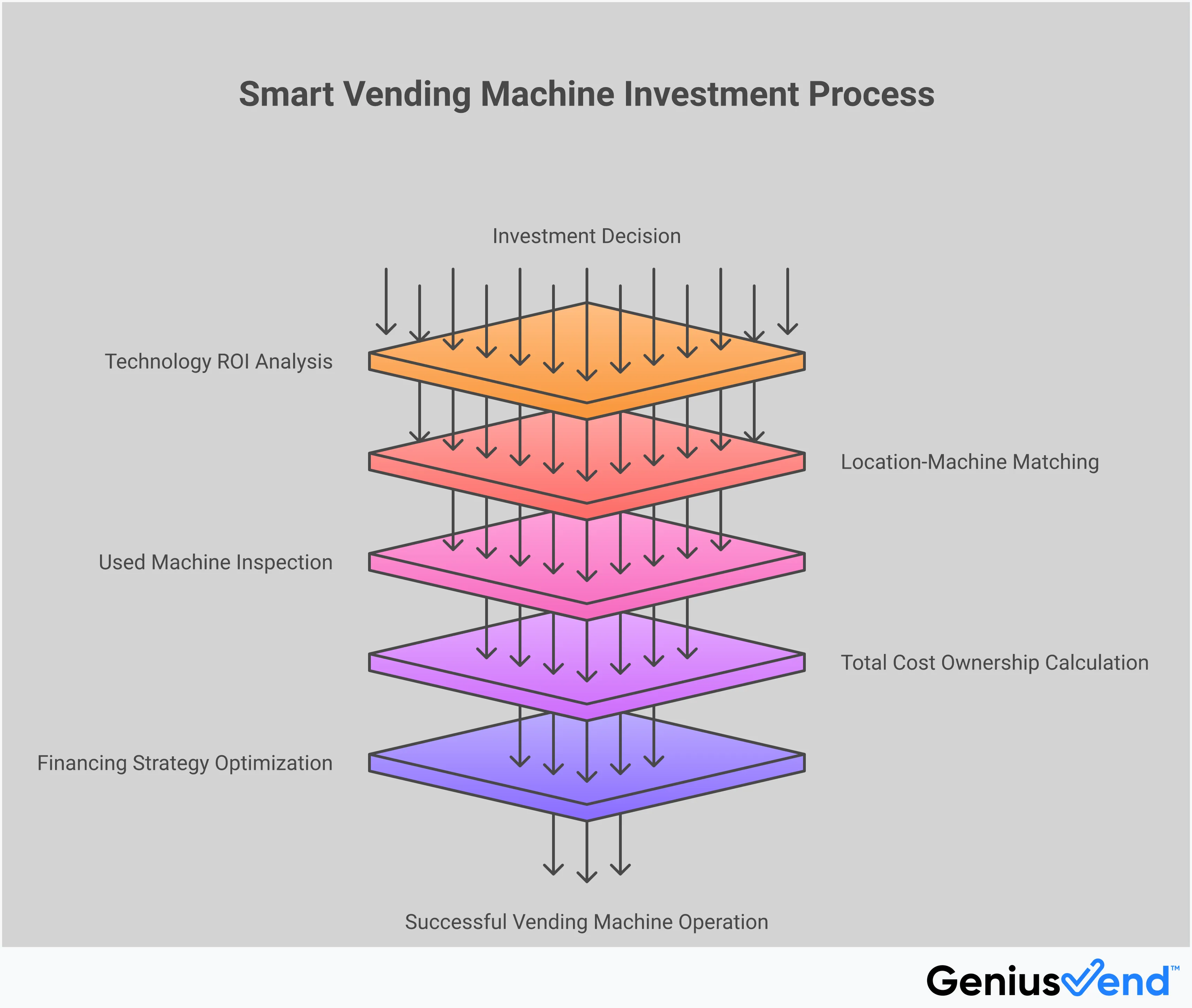
Modern vending machines have evolved far beyond simple coin slots and spiral dispensers. Today’s top models are equipped with technology that simplifies management, attracts more customers, and provides valuable data to help you run your routes smarter. Features like cashless payment systems, remote inventory tracking, and interactive displays are becoming the standard because they deliver a real return. They allow you to serve customers better and save you precious time and money on the back end. While these additions increase the initial purchase price, they are designed to lower your long-term operational costs and increase your sales, ultimately paying for themselves over the life of the machine.
Cashless Payments
In a world where fewer people carry cash, offering cashless payment options is essential for maximizing sales. A machine that only accepts coins and bills is leaving money on the table. Integrating a sophisticated payment system allows customers to pay with credit cards, debit cards, or mobile wallets like Apple Pay and Google Pay. This convenience not only makes purchasing easier but can also encourage larger transactions. The hardware and software required for these systems add to the machine's upfront cost, but the ability to accept cashless payments directly translates into more revenue and a better customer experience, making it one of the most valuable upgrades you can choose.
Remote Inventory Management
One of the biggest game-changers for vending operators is remote inventory management. This technology uses sensors and an internet connection to give you a real-time view of your machine's stock levels from your phone or computer. You can say goodbye to wasted trips and guessing games. Instead of driving to a location only to find out a machine is fully stocked, you’ll know exactly what’s sold out and what needs to be replenished. This allows you to plan your restocking routes with incredible efficiency, saving time, fuel, and labor. The Internet of Things (IoT) technology that powers this feature adds to the machine’s price, but the operational savings and prevention of lost sales from empty slots provide a clear return on investment.
Interactive Touch Screens
An interactive touch screen instantly modernizes the look and feel of a vending machine, creating a user-friendly experience that customers are familiar with. Instead of clunky buttons, users can browse products on a bright, clear display, view nutritional information, and even watch promotional videos. For operators, these screens offer a platform for advertising and upselling. The cost of a machine with a touch screen is higher due to the industrial-grade screen, the processing power needed to run the interface, and the sophisticated software. However, this premium feature can attract more users and make your machine the preferred choice in any location.
Energy-Efficient Cooling
For machines that sell cold drinks and fresh food, the refrigeration unit is one of the biggest contributors to your ongoing electricity bill. That’s why investing in a machine with energy-efficient cooling is such a smart move. Modern machines often include features like superior insulation, LED lighting instead of fluorescent bulbs, and high-efficiency compressors that use significantly less power. While these eco-friendly design elements can increase the initial purchase price, they lead to substantial savings on your energy costs month after month. This not only lowers your total cost of ownership but also reduces your business's environmental footprint.
Don't Forget These Ongoing Costs
The sticker price of a vending machine is just the starting line. To run a truly profitable business, you need to account for the recurring expenses that come with the territory. Thinking about these costs upfront will help you create a realistic budget and set your prices correctly, ensuring you’re actually making money from day one. From the snacks you sell to the fees you pay, these ongoing costs are simply part of the business plan and are crucial for calculating your true return on investment.
The good news is that modern technology can help you manage and even reduce some of these expenses. For example, a smart machine that offers remote inventory management saves you from making unnecessary trips to a fully stocked machine, cutting down on fuel and wasted time. This real-time data allows you to see what's selling and what's not, so you can optimize your product selection and avoid tying up cash in slow-moving inventory. By understanding the full financial picture—from the initial purchase to the daily operational costs—you can make smarter decisions and build a more resilient vending operation. Let's break down the main ongoing costs you should plan for.
Inventory and Restocking
This is your most significant and frequent expense. You have to spend money to make money, and that means keeping your machine filled with products people want to buy. The cost of inventory can add up quickly, especially in a high-traffic location where you might need to restock products weekly or even more often. You’ll need to budget for purchasing drinks, snacks, or other items consistently. Smart planning, like buying in bulk from wholesale clubs or finding a good local supplier, can help keep these costs in check and your profit margins healthy.
Maintenance and Repairs
Just like a car, your vending machine needs regular care to run smoothly and last for years. This includes routine tasks like cleaning the glass and wiping down surfaces, as well as checking that the payment systems and cooling unit are working correctly. It’s also wise to set aside a small fund for unexpected repairs. A bill acceptor might jam or a component could fail at the worst possible time. Having a budget for these moments means a small hiccup won’t turn into a major financial setback, allowing you to get your machine back in service quickly and keep the revenue flowing.
Location Fees or Commissions
Finding the perfect spot for your machine is key, but the best locations often aren't free. Many property owners will ask for a small commission—typically a percentage of your monthly sales—or a flat monthly fee in exchange for the space and electricity. This is a standard part of the business and something you should negotiate before placing your machine. Be sure to get any commission agreements in writing to avoid any misunderstandings down the road. This fee directly impacts your profitability, so factor it into your calculations when deciding if a location is worth it.
Insurance, Licenses, and Processing Fees
Operating a vending machine means you’re running a legitimate business, and that comes with a few administrative costs. You will likely need to get a business license from your city or state to operate legally. It’s also a good idea to have liability insurance to protect yourself, your machine, and the location owner. If your machine accepts credit cards or mobile payments—which is a must for maximizing sales—you’ll also have small processing fees on each transaction. While these costs may seem small individually, they are essential for running a professional and protected operation.
New or Used: Which Is Right for You?
One of the biggest decisions you'll make when starting your vending business is whether to invest in a brand-new machine or save some cash with a used one. There’s no single right answer—it really comes down to your budget, your business goals, and how much time you’re willing to spend on maintenance.
Buying new offers reliability and the latest technology, giving you a machine that’s ready to start making money from day one. It’s a bigger upfront investment, but it often comes with a warranty and the peace of mind that you won’t be dealing with unexpected breakdowns right away.
On the other hand, a used machine can be a great way to get started with less capital. You can find some real bargains if you know what to look for. However, this path requires more hands-on work. You’ll need to be comfortable inspecting equipment and potentially handling repairs yourself. Let’s break down the pros and cons of each option so you can decide which route is the best fit for you.
The Case for Buying New
Opting for a new vending machine is an investment in reliability and a modern customer experience. While a new machine can cost anywhere from $4,000 to over $15,000, that price tag comes with significant advantages. You get a pristine machine, often backed by a manufacturer's warranty, which means fewer headaches and unexpected repair bills. Newer models are equipped with features that customers now expect, like interactive touch screens and versatile cashless payment options. These features not only make purchasing easier for your customers but also simplify management for you with tools like remote inventory tracking. A new machine is a plug-and-play solution that lets you focus on growing your business, not fixing old equipment.
The Perks of Buying Used
The biggest draw for buying a used machine is the lower upfront cost. If you're working with a tight budget, the second-hand market can help you get your business off the ground for a fraction of the price of a new unit. Going this route also has a hidden benefit: it forces you to learn the ins and outs of your equipment. When you buy used, you’ll likely learn how to troubleshoot issues and make repairs yourself, which is an incredibly valuable skill for any vending operator. Just be sure to do your homework. Always check the machine's condition thoroughly and ask if it comes with any kind of warranty or service history before you commit.
Red Flags When Buying Used
While a used machine can be a great deal, you need to be careful to avoid a money pit. The number one rule is to never buy a used machine without seeing it in person. It’s easy to be tempted by online listings, but you should never send money before you’ve physically inspected the machine and confirmed that it’s in good working order. Be wary of machines that look excessively worn or have signs of neglect. A low price might be hiding serious problems, like a failing cooling unit or a faulty payment system. Remember, an old or broken machine could end up costing you more in repairs and lost sales than you saved on the initial purchase.
How Can You Finance Your Vending Machine?
Seeing the price tag on a new, high-tech vending machine can feel a little daunting, but don't let that stop you. The initial investment is just one part of the equation, and there are several smart ways to fund your purchase without draining your bank account. Most operators don't pay for machines with cash. Instead, they use financing to get their business running and let the machine's profits cover the monthly payments.
Think of it as a strategic business move. By financing, you can preserve your capital for other essential costs like inventory and location fees. Let's walk through the most common paths you can take to finance your new vending machine.
Equipment Financing
One of the most straightforward ways to fund your purchase is through equipment financing. This is a type of business loan created specifically for buying physical assets—like a vending machine. The great thing about this option is that the machine itself usually serves as the collateral for the loan, which can make it easier to qualify for.
While new machines can be expensive, many equipment financing options may only require a small down payment. This allows you to get a brand-new, reliable machine up and running quickly, spreading the cost over several years. You get to own the asset and start generating revenue right away, making it a popular choice for entrepreneurs who are serious about building their vending business for the long term.
Leasing vs. Buying: What's the Difference?
Deciding whether to lease or buy is a classic business dilemma, and the right answer depends on your cash flow and goals. Leasing means lower costs at first, but you pay more over time. Buying costs more upfront but saves money in the long run.
Think of leasing like renting an apartment. You'll have lower monthly payments and the leasing company handles major repairs, which can be great for predictable budgeting. However, you don't own the machine. Buying is like purchasing a house. The initial cost is higher, but you're building equity. Once it's paid off, all the revenue is yours, and you have a valuable asset you can sell later. A thorough comparison can help you weigh the pros and cons for your specific situation.
Direct-from-Manufacturer Plans
Many top-tier manufacturers offer their own in-house financing or payment plans. This can be an excellent way to streamline your purchase, as you’re working with a single company for both the machine and the funding. They know their products inside and out and can often create a financing package tailored to their equipment.
If you have some capital saved up, this is a good choice. When you work directly with a manufacturer, you can be confident you're getting a quality machine and transparent terms. Just be sure to work with trusted, established companies. Always do your research to confirm the company is legitimate and has a solid reputation in the industry before signing any agreements.
Where to Find Vending Machines for Sale
Once you have a budget in mind, it’s time for the fun part: shopping for your machine. Finding the right vending machine is a lot like buying a car—you can go straight to the source, work with a trusted dealer, or hunt for a deal on a used model. Each path has its own perks, so let’s break down where you can find the perfect machine for your business.
Straight from the Manufacturer
Buying directly from the manufacturer is your best bet for getting the latest technology, a full warranty, and dedicated customer support. This is the route you’ll want to take if you’re looking for a brand-new, high-tech machine, like one of our Genius Vend smart coolers. When you buy direct, you’re getting a machine straight off the line, ensuring it has the most up-to-date features and a long lifespan ahead of it.
This approach also gives you access to some of the most innovative and specialized machines on the market. Some vending machine brands focus on unique niches, like machines that dispense cell phone cases or even fresh cotton candy. If you have a specific, high-demand product in mind, going directly to the company that makes the machine is often the smartest move.
Through Authorized Dealers
Think of authorized dealers as the seasoned experts of the vending world. They typically carry a variety of machines from several reputable brands and can offer personalized advice to help you find the best fit for your location and budget. A good dealer will ask about your goals, the types of products you want to sell, and your expected foot traffic to recommend the right model.
Another major advantage of working with a dealer is the potential for financing. Many dealers have established relationships with lenders and can offer payment plans that make it easier to invest in a quality machine without a huge upfront cost. They are a fantastic resource, especially for first-time buyers who could use a little guidance.
On Online Marketplaces
If you’re looking for a great deal or are open to starting with a used machine, online marketplaces are the place to be. Websites like Facebook Marketplace, OfferUp, and eBay are full of listings for both new and pre-owned vending machines. A simple Google search for "vending machines for sale near me" can also uncover local sellers you might not find otherwise.
While you can find some incredible bargains online, this route requires a bit more diligence. If you’re buying a used machine, it’s essential to inspect it thoroughly before you buy. We highly recommend using an equipment checklist to guide your inspection, checking everything from the cooling system and payment acceptors to the general condition of the machine. A little extra homework here can save you from a major headache later on.
Common Mistakes First-Time Buyers Make
Buying your first vending machine is an exciting step, but a few common mistakes can easily trip you up. I’ve seen new operators make the same errors that cost them time, money, and a lot of headaches. Learning what to watch for from the start will help you avoid these setbacks and set your business up for success. Let’s walk through the three biggest mistakes I see first-time buyers make so you can feel confident in your investment.
Ignoring the Total Cost of Ownership
It’s tempting to focus only on the sticker price, but that’s just one piece of the financial puzzle. The total cost of owning a vending machine includes ongoing expenses that can catch you by surprise if you haven’t budgeted for them. Think about electricity, regular maintenance to prevent breakdowns, and the cost of keeping it stocked with products. Factoring in these recurring costs from the beginning gives you a realistic picture of your potential profit and helps you avoid unexpected financial strain down the road.
Skipping a Thorough Inspection
When buying a used machine, a thorough inspection isn’t just recommended—it’s essential. I can’t stress this enough: never buy a used machine without seeing it in person and making sure it works properly. It’s easy to get stuck with a lemon that needs expensive repairs. Before sending any money, you need to physically check the machine. If you’re not sure what to look for, you can find an equipment checklist online to guide you. This single step can save you from a major financial headache.
Picking the Wrong Machine for Your Spot
Not all vending machines are created equal, and neither are locations. Placing a machine full of chips and candy in a health-conscious gym is a recipe for low sales. To get the best return on your investment, you need to pick the right machine for your specific customers. Take time to research the demographics of your spot. What do the people there want? Are they looking for healthy snacks, cold drinks, or fresh food? Matching your machine and products to the needs of your audience is fundamental to building a profitable vending business.
Related Articles
- How Much to Buy a Vending Machine: The Real Cost
- The True Cost to Buy a Vending Machine in 2025
- How Much to Buy a Vending Machine? A Cost Breakdown
- How Much Can I Make With a Vending Machine?
Frequently Asked Questions
What's a realistic budget to start my first vending machine business? While you can find used machines for a few hundred dollars, a safe starting point is to budget between $2,000 and $4,000. This range allows you to get a reliable refurbished machine or an entry-level new one, and it leaves you with enough cash for your first round of inventory and any initial location fees. Starting with a quality machine prevents the immediate headaches and repair costs that often come with the cheapest options on the market.
Are smart machines really worth the higher price tag? Yes, for operators who are serious about efficiency and profit, they absolutely are. The higher initial cost is an investment that pays you back in time and money. Remote inventory management means you'll never waste gas driving to a machine that doesn't need service. Plus, the simple "tap, grab, and go" experience and cashless payment options attract more customers and can lead to higher sales, helping the machine pay for itself faster.
How can I avoid buying a used machine that will just break down? The most important rule is to always inspect a used machine in person before you buy it. Plug it in and make sure the cooling unit gets cold. Test the payment systems with both bills and coins to see if they accept and dispense correctly. Look for rust, damage, or signs of neglect. If the seller is hesitant to let you test it, that's a major red flag. Trust your gut and be prepared to walk away from a deal that seems too good to be true.
Besides the machine, what's the biggest ongoing cost I should prepare for? Your single largest recurring expense will be your product inventory. You constantly have to spend money on snacks and drinks to make money selling them. This cost can fluctuate depending on your location's traffic and how quickly products sell. To manage this, plan on buying your inventory in bulk from wholesale suppliers to keep your costs down and your profit margins healthy from the start.
Should I find a location before I buy a machine? Finding your location first is always the smarter move. The needs of the location should dictate the type of machine you buy, not the other way around. An office building might be perfect for a combo machine with snacks and drinks, while a health club would do better with a smart cooler stocked with protein shakes and healthy options. Securing a spot first ensures you invest in a machine that perfectly matches your customers' demands.