

The vending industry is undergoing a major transformation, driven by smart technology that helps operators run their businesses more effectively. It’s no longer just about dispensing snacks; it’s about leveraging data to maximize profit. At the heart of this shift is the cashless vending machine, which does much more than just process credit cards. These connected devices provide real-time inventory tracking, sales analytics, and remote management capabilities right from your smartphone. This guide explains the technology behind these smart machines, showing you how to use data-driven insights to optimize your product selection, plan efficient restocking routes, and build a more intelligent, profitable vending business from the ground up.
Key Takeaways
- Cashless Payments Drive Sales: By accepting credit cards and mobile wallets, you remove the biggest barrier to purchase and capture sales you would otherwise miss. A seamless tap-to-pay experience encourages impulse buys and keeps customers coming back.
- Use Real-Time Data to Work Smarter: Smart vending machines give you the power to manage your business from anywhere. Use remote inventory tracking to optimize your product mix, plan efficient restocking routes, and reduce machine downtime.
- Invest in the Right Features for Your Location: The best machine is one that fits your specific needs. Consider the available space, your target audience's preferences, and the level of technical support you'll need to ensure your vending operation is profitable from day one.
How Do Cashless Vending Machines Work?
At its core, a cashless vending machine is simply a modern retail solution that accepts payments other than cash. Instead of fumbling for exact change, customers can buy a snack or a drink using the same payment methods they use everywhere else: credit cards, debit cards, and mobile wallets like Apple Pay or Google Pay. This shift is all about meeting customers where they are and providing a faster, more convenient experience.
The process is designed to be seamless. A customer walks up, selects their item, and pays by tapping their card or phone on a reader. The transaction is processed in seconds, and the product is dispensed. This simple interaction removes the frustration of a machine rejecting a wrinkled dollar bill or not having the right coins. For operators, it means you never miss a sale because a customer doesn't have cash on hand. It’s a straightforward upgrade that aligns with modern buying habits and makes your vending service more accessible and user-friendly.
The Tech Behind the Tap
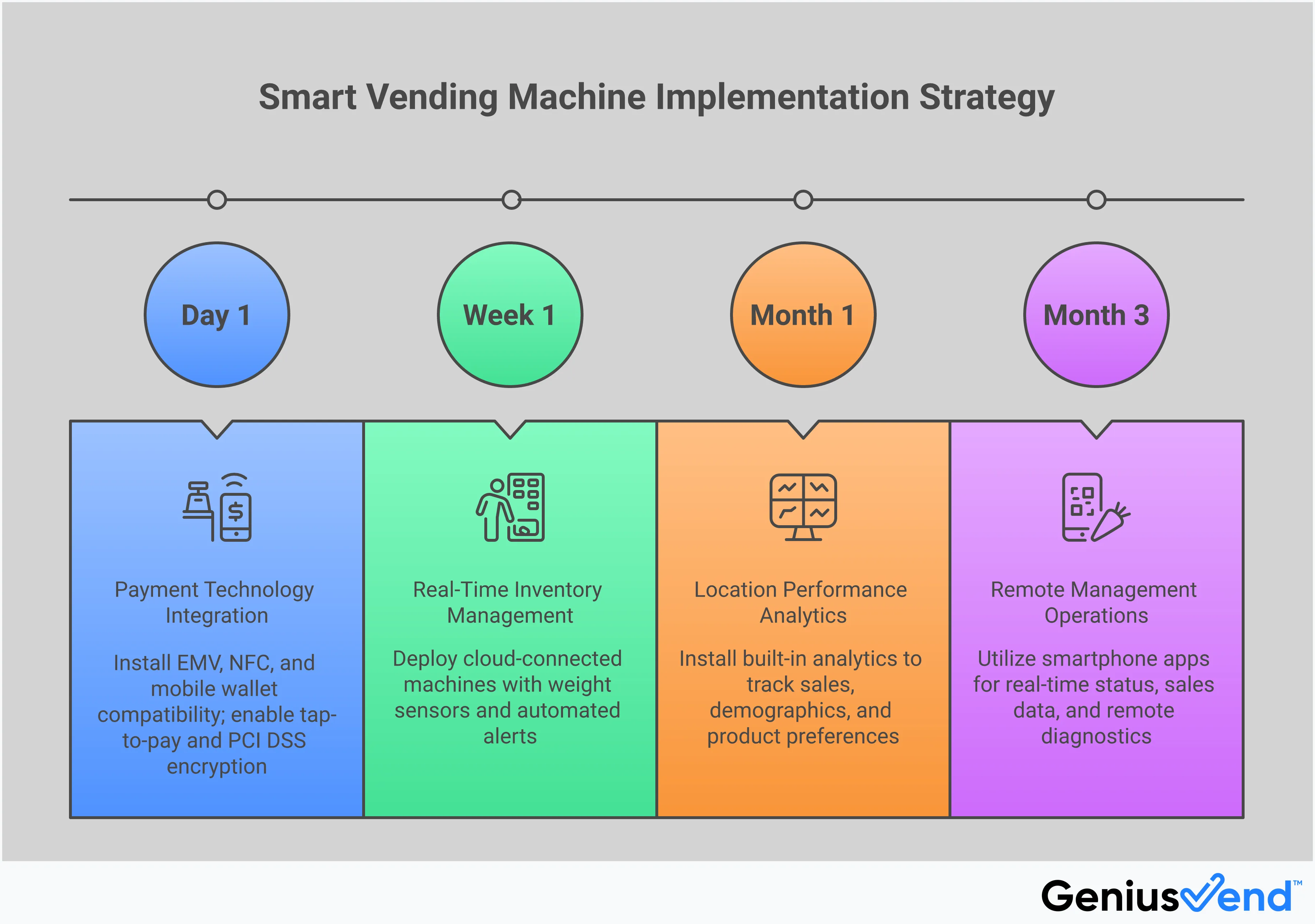
The magic behind a cashless transaction is a small device called a card reader, which is integrated into the vending machine. This reader securely communicates with payment networks to approve the purchase instantly. Many modern machines also offer a more interactive experience through mobile apps. For example, a customer might scan a QR code on the machine with their phone, browse the product selection in an app, and complete the payment right from their device. This touchless vending process is not only incredibly convenient but also adds a layer of hygiene that many people appreciate. It’s all about making the purchase as quick and effortless as tapping a screen.
What Makes Them "Smart"?
While "cashless" describes how you pay, "smart" describes how the machine operates. Smart vending machines are equipped with technology like artificial intelligence that helps you run your business more effectively. For instance, a Genius Vend AI-powered machine does more than just accept credit cards. It tracks every sale in real-time, analyzing which products are popular and when they sell out. This data gives you powerful insights, allowing you to stock your machines with items customers actually want, optimize pricing, and maximize your revenue. It’s like having a data analyst dedicated to each of your machines.
Manage Your Machine from Anywhere
One of the biggest game-changers for operators is remote management. The rise of connected vending machines means you no longer have to physically visit a machine to know what’s going on inside. Using a simple app on your smartphone, you can see real-time sales data, check inventory levels, and receive alerts when a product is running low or if the machine needs service. This allows you to plan your restocking routes more efficiently, saving you time, gas, and money. You can manage your entire vending route from your couch, ensuring your machines are always stocked, running smoothly, and making you money.
Why Go Cashless? The Benefits for Your Business
Switching to a cashless vending machine isn't just about keeping up with technology—it's a strategic move that can transform your business. By removing the reliance on coins and bills, you open up a world of benefits that affect your bottom line, daily operations, and customer satisfaction. Think of it as an upgrade that simplifies everything. You’ll spend less time managing cash and more time growing your route. The demand for convenient payment options is higher than ever, and meeting that demand is the first step toward a more profitable and efficient vending operation. Let's walk through exactly how going cashless pays off.
Increase Your Revenue
Let’s be honest: how often do you have the right amount of cash on you? Your customers are no different. By offering cashless payments, you eliminate a huge barrier to purchase. No more lost sales because someone didn't have a dollar bill or the right change. Customers can buy what they want, when they want, using the card or phone already in their hand. This simple convenience often leads to more impulse buys and larger purchases. The entire North America vending machine market is growing, driven largely by the demand for cashless options and smarter tech. When you make it easier for people to buy, they simply buy more.
Lower Your Operating Costs
Remember the days of counting sticky coins, making trips to the bank for change, and dealing with jammed bill acceptors? Cashless vending machines drastically reduce those headaches. With no cash to collect, count, or transport, you save valuable time and labor on every service visit. This also means fewer mechanical issues. Traditional machines often break down due to coin jams or full bill validators, leading to frustrating downtime and repair costs. Cash-free revenue streams mean your machines stay up and running, consistently serving customers and earning you money without the constant need for hands-on maintenance.
Give Customers an Easier Way to Buy
A great customer experience is key to repeat business. Cashless vending offers a seamless "Tap, Grab & Go" transaction that takes seconds. Whether it's a quick tap of a credit card, a smartphone with a mobile wallet, or a smartwatch, the process is fast and frictionless. This modern convenience is what today's consumers expect. A quick and near-instant purchase process not only satisfies the customer in the moment but also builds a positive association with your machine, making them more likely to come back next time they need a snack or drink.
Understand Your Sales with Real-Time Data
What if you knew exactly which products were best-sellers and at what time of day? Smart cashless machines give you that power. They connect to the cloud, providing you with real-time sales data and inventory levels right on your phone. This information is a game-changer. You can see what’s selling and what’s not, allowing you to optimize your product mix for maximum profit. These powerful analytics help businesses make smarter decisions, ensuring you stock more of what customers love and waste less on unpopular items. It’s like having a crystal ball for your inventory.
Improve Security and Hygiene
A machine full of cash is a target for theft and vandalism. By going cashless, you remove the incentive for break-ins, making your investment significantly safer. This not only protects your revenue but also saves you from the cost and hassle of repairing a damaged machine. Beyond security, there's a major hygiene benefit. Contactless vending means customers touch the machine less, reducing the spread of germs—a feature everyone can appreciate. It’s a cleaner, safer experience for your customers and a more secure business model for you.
What Payment Options Do They Offer?
Modern cashless vending machines are all about convenience, and that starts with how people pay. Gone are the days of digging for exact change. Today’s machines meet customers where they are by accepting the same payment methods they use for their daily coffee run or online shopping. This flexibility not only makes customers happier but also opens the door to more sales for you. By offering a variety of familiar and secure payment options, you remove any friction from the buying process. A customer with a credit card or a smartphone is always ready to buy, which means your machine is always ready to sell. Let’s look at the most common payment types you can expect to offer.
Credit and Debit Cards
The most fundamental feature of any cashless vending machine is its ability to accept credit and debit cards. This is the baseline expectation for most consumers today. Fortunately, you don't have to worry about sourcing and installing this technology yourself. Most modern machines, including many popular AMS vending machines, come with a reliable credit card reader already installed. This means your machine is ready to accept Visa, Mastercard, American Express, and Discover right out of the box. It’s a simple, essential feature that ensures you never miss a sale just because someone isn't carrying cash.
Mobile Wallets (Apple Pay, Google Pay)
More and more, customers are leaving their physical wallets at home and relying on their smartphones to pay for everything. Accepting mobile wallets like Apple Pay, Google Pay, and Samsung Pay is a fantastic way to cater to this growing trend. It’s especially popular with younger, tech-forward customers who value speed and security. Offering touchless vending options shows that your business is modern and customer-focused. When a customer can simply hold their phone up to the reader to buy a snack or drink, you provide a seamless experience that encourages them to come back again and again.
Tap-to-Pay Technology
Tap-to-pay, or contactless payment, is the technology that makes mobile wallets and tap-enabled credit cards work. It’s all about speed. Instead of swiping a card or inserting a chip, customers just tap their card or device on the reader for a near-instant transaction. This is a huge advantage in high-traffic areas like office break rooms, lobbies, or schools where people are often in a hurry. The quick and easy nature of cashless vending reduces lines and makes purchasing an effortless impulse. It’s the ultimate grab-and-go experience that busy customers love.
How to Choose the Right Cashless Vending Machine
Picking the right vending machine feels like a big decision, but it doesn't have to be overwhelming. By breaking it down and focusing on a few key areas, you can find the perfect fit for your business goals. Think about where the machine will live, what you'll sell, and the technology you need to run your operation smoothly. Let's walk through the essential factors to consider so you can choose a machine that works for you and your customers.
Consider Your Location and Space
First, think about where you'll place your machine. High-traffic areas like office break rooms, lobbies, gyms, or apartment complexes are ideal. The North America vending machine market is growing partly because machines are popping up in more unconventional locations. Measure your available space carefully—height, width, and depth—to ensure the machine fits comfortably and is accessible. Also, check for a nearby power outlet. The right spot not only guarantees visibility but also makes it easy for customers to grab what they need, which is the first step to a profitable machine.
Plan Your Product Inventory
What you sell is just as important as where you sell it. A major hurdle for new operators is effective inventory management. You don't want to run out of best-sellers or get stuck with items nobody wants. Think about your audience. Are they health-conscious office workers or students looking for a quick snack? Start by analyzing the local demand. Smart vending machines can make this much easier by tracking sales in real-time, so you can see what's popular and adjust your stock from anywhere, ensuring your customers always find their favorites.
Check for Key Tech Features
Modern vending machines are packed with technology that makes life easier for you and your customers. Look for features like large, interactive touch screens that create a better user experience. Behind the scenes, cloud-based management software is a game-changer. This technology provides valuable data analytics for tracking sales and managing your inventory remotely from your phone. An intuitive operator app means you can monitor performance, get alerts for low stock, and manage your entire route without being physically present at each machine. These features are what separate a good vending business from a great one.
Calculate Your Initial Cost and Return
Before you buy, you need to run the numbers. Your initial investment includes the cost of the machine itself, plus any delivery fees and the initial stock of products. While it's an upfront cost, remember that the growing demand for cashless payments is a huge driver of the market's expansion. Think about your potential return on investment (ROI). Calculate your break-even point by estimating your daily sales and subtracting the cost of goods. This will give you a clear picture of the machine's profitability and help you make a smart financial decision for your business.
Understand Maintenance and Support Needs
Your vending machine is an asset, and like any asset, it needs care. Before you commit, find out what kind of maintenance is required and what level of customer support the manufacturer offers. Integrating a new machine into your business should be a smooth process, not a headache. Having reliable technical support can save you from lost sales and frustration if an issue comes up. Look for a company that provides strong maintenance and support needs coverage, including troubleshooting guides, responsive customer service, and a solid warranty. A great partner will help you keep your machine running perfectly.
Comparing the Top Cashless Vending Machines
Once you know what you’re looking for, it’s time to see what’s out there. The market for cashless vending machines is growing, with several key players offering unique features. Let's look at how they stack up so you can find the right fit for your business goals.
The Genius Vend Advantage
Genius Vend is focused on one thing: creating AI-powered smart vending machines that help you increase revenue and simplify your operations. The "Tap, Grab & Go" system is designed for how people shop today. Customers simply tap their card or phone, take the items they want, and walk away. The AI technology identifies the products taken and charges the customer automatically.
This approach removes the friction of a traditional vending experience. The PRIME™ AI Vending Machine, for example, accepts all major credit cards, mobile wallets like Apple Pay and Google Pay, and other contactless options. This makes it a versatile choice that meets modern consumer expectations and helps you make more sales.
A Look at Other Leading Brands
Of course, there are other options on the market. You can find a wide variety of combo vending machines with card readers on sites like Amazon, which are designed to sell both snacks and drinks. These machines cater to a broad range of preferences and can be a starting point for new operators.
Other companies, like Silkron, are also leaning into modern technology. They offer solutions that are cashless, contactless, and touchless. This focus on a clean and worry-free shopping experience is a direct response to what today’s customers want, especially in high-traffic public spaces. These brands show the industry-wide shift away from cash-only models.
What's New in Vending Technology
The entire vending industry is moving toward smarter, more connected solutions. The demand for cashless payments is a huge driver, but it’s also about placing machines in new and unconventional locations. Think gyms, apartment buildings, and co-working spaces. This expansion is changing how people view vending.
Market trends show a clear picture: the number of connected vending machines worldwide is expected to nearly double by 2028. This means more machines will be able to process digital payments, track inventory in real-time, and provide valuable sales data. Investing in a machine with this technology sets your business up for future success.
Find the Perfect Machine for Your Business
Ultimately, choosing the right machine comes down to balancing cost with profitability. Every business faces unique challenges when implementing vending solutions, and your machine is your biggest asset. The rapid growth of the vending market is almost entirely fueled by the move to cashless options, so picking a machine that excels in this area is critical.
Consider what kind of experience you want to offer your customers and how much time you want to spend managing your operations. A smart machine with remote management capabilities can save you countless hours, while a seamless payment system ensures you never miss a sale. By understanding the technology and comparing your options, you can find the perfect machine to build your business around.
Related Articles
- Smart Vending Machines: The Ultimate Guide
- The Essential Touchless Vending Machine Guide
- Where Can I Buy a Vending Machine? A 2025 Guide
- What Is a Smart Retail Vending Machine? A Guide
- 5 Best Places to Buy a Vending Machine in 2025
Frequently Asked Questions
Do I have to pay credit card processing fees with a cashless machine? Yes, just like any business that accepts credit cards, there are small processing fees for each transaction. Think of it as a normal cost of doing business that is easily outweighed by the benefits. You'll likely see a significant increase in sales by offering convenient payment options, which more than covers the cost of the fees.
What happens if the machine's internet connection goes down? This is a common concern, but modern smart machines are built to handle it. Most are designed with an offline mode that securely stores transaction information. Once the connection is restored, the machine processes all the saved payments automatically. This ensures you rarely miss a sale, even if the Wi-Fi temporarily drops out.
Can I just add a card reader to my old vending machine? You can often retrofit an older machine with a third-party card reader to start accepting cashless payments. While this is a good first step, it won't give you the powerful features of a truly smart machine. You'll miss out on the real-time sales data, remote inventory management, and AI-driven insights that save you time and help you earn more from each machine.
Is a "smart" machine really that different from a standard cashless one? Absolutely. A standard cashless machine simply accepts cards. A smart machine, on the other hand, is the brain of your operation. It tracks every sale, analyzes which products are popular, and lets you manage your inventory from an app on your phone. It’s the difference between just making a sale and having the data to build a smarter, more profitable business.
How secure are cashless payments for my customers? The payment systems in modern vending machines use the same secure and encrypted technology that major retail stores use. Customers can feel confident that their credit card or mobile payment information is protected. By going cashless, you also eliminate the physical security risk of having a machine full of cash, making your investment safer overall.