

When you think of a vending machine, you probably picture coils dispensing chips and candy. It’s time to think bigger. A smart vending machine is less of a snack dispenser and more of an automated, unattended storefront. Thanks to flexible interiors and advanced temperature controls, you can sell almost anything—from fresh salads and sandwiches in a smart cooler to ice cream and frozen meals in a smart freezer. This technology opens up entirely new markets and locations. It’s a true smart retail vending machine, giving you the power to offer a diverse range of products 24/7, all while gathering valuable data to help you succeed.
Key Takeaways
- Run your entire vending business from your phone: The real power of a smart machine is its internet connectivity. This gives you real-time data on sales and inventory, allowing you to manage everything remotely and plan restock routes efficiently, saving you time and fuel.
- A seamless customer experience leads to more sales: By offering a simple "Tap, Grab & Go" system with flexible payment options, you remove the frustrations of old machines. When buying is easy and convenient, customers are more likely to make a purchase.
- Your location and product mix determine your profit: The most advanced machine won't succeed in the wrong spot. Focus on securing a high-traffic location and use the sales data to stock items that your specific audience actually wants to buy.
What is a Smart Vending Machine?
Forget the clunky, coin-operated machines of the past that ate your dollar bills. A smart vending machine is a modern retail powerhouse that’s connected to the internet, transforming it from a simple snack dispenser into a tiny, automated storefront. These machines are changing how people shop by using technology like the Internet of Things (IoT) to offer a seamless, self-service experience for everything from fresh salads and coffee to electronics and personal care items.
At its core, a smart vending machine is all about data and connectivity. It knows what’s in stock, what’s selling best, and when it needs a refill—all in real time. This constant communication allows operators to manage their entire business from a phone or computer, making decisions based on actual sales data instead of just guesswork. For customers, it means a more reliable and user-friendly experience with flexible payment options and products that are always available when they want them.
The Technology That Powers Them
So, what exactly makes these machines "smart"? It all comes down to a combination of hardware and software working in sync. The key ingredient is the Internet of Things (IoT), which is a simple way of saying the machine is connected to the internet, usually through Wi-Fi or a cellular network. This connection allows it to send and receive data constantly. Inside, a system of sensors and cameras tracks inventory, while a central computer processes sales and monitors the machine's health. This entire system is managed through a cloud-based software platform, giving you a complete overview of your operations from anywhere.
How They Work
For a customer, the process is incredibly simple and intuitive. They walk up to the machine, often greeted by a sleek touchscreen display. They can browse products, view nutritional information, and even see targeted promotions. To make a purchase, they simply tap their credit card or phone. The machine unlocks, they grab what they want, and walk away. Smart sensors automatically detect which items were taken and charge their account accordingly. This "Tap, Grab & Go" model eliminates the frustration of jammed products or rejected cash, creating a smooth and modern automated retail experience.
What Makes a Vending Machine "Smart"?
When you hear the term "smart vending machine," you might picture a futuristic robot, but the reality is much more practical and powerful. A smart vending machine is essentially a traditional vending concept supercharged with modern technology. Unlike the clunky machines of the past that relied on coils and cash, smart machines are connected to the internet and run on sophisticated software. This connectivity is the key that unlocks a whole new level of efficiency, customer experience, and profitability.
Think of it this way: a traditional machine is a standalone box. A smart machine is part of a network. This allows it to communicate with you, the operator, in real-time. It can tell you what’s selling, when it needs a refill, and how customers are paying. It also transforms the customer interaction from a simple transaction into a seamless retail experience. These machines use a combination of sensors, cloud-based software, and digital payment systems to operate. This technology is what allows for features like remote management, AI-driven insights, and the simple "Tap, Grab & Go" experience that customers love. It’s not just about adding a credit card reader; it’s about rethinking the entire vending process from the ground up.
Remote Management and Connectivity
One of the biggest game-changers with smart vending is the ability to manage your entire fleet from anywhere. Because these machines are connected to the internet, you can log into a simple app on your phone or computer and get a complete overview of your business. You can remotely update prices, check inventory levels to plan your restock routes, and even change the digital advertisements displayed on the screen. This level of remote control means you spend less time driving to each location for routine checks and more time growing your business. It turns a hands-on job into a streamlined, modern operation.
AI-Powered Features
This is where smart vending gets truly intelligent. The platform uses Artificial Intelligence (AI) to make the vending experience smarter and more personal for customers. For example, some machines can recognize faces to suggest products a repeat customer might like or to verify a person's age for restricted items. For you as an operator, AI helps with sales forecasting by suggesting which products to stock at specific locations based on buying patterns. This intelligence helps you make smarter decisions that lead to higher sales and less waste, turning raw data into a real competitive advantage.
Flexible Payment Options
Gone are the days of customers walking away because they don’t have exact change. Smart vending machines are built for the modern consumer and offer a wide array of cashless payment options. Customers can easily pay with credit or debit cards, tap their phone using apps like Apple Pay or Google Pay, or use other digital e-wallets. By making the payment process as simple and convenient as possible, you remove a major barrier to purchase. This flexibility ensures you never miss a sale and provides a smooth, frustration-free experience that keeps customers coming back.
Real-Time Inventory Tracking
Imagine knowing exactly what you need to restock before you even leave your house. Smart vending machines use sensors to track every item that’s taken, giving you a live view of your inventory levels. This real-time data is a massive advantage for operators. You can avoid wasting trips to machines that are fully stocked and prevent disappointing customers by ensuring popular items never run out. This precise inventory management allows you to run a much more efficient route, saving you time, gas, and money while maximizing your sales potential.
The Advantages of Smart Vending
Smart vending machines are more than just a cool piece of tech; they're a powerful business tool. By blending automation with data, they offer some serious perks over traditional vending. If you're looking to start or scale a vending business, understanding these advantages is key to seeing how you can get a much faster return on your investment and build a more sustainable operation. From selling products 24/7 to giving you the data you need to succeed, smart vending is designed to make your life easier and your business more profitable.
Generate Revenue Around the Clock
One of the biggest draws of a vending business is its ability to generate passive income, and smart machines take this to the next level. Unlike a traditional storefront with set hours, your smart vending machine works for you 24/7. It’s always on, ready to make a sale whether it’s midday in a busy office or late at night in an apartment complex lobby. This constant availability means you capture every possible sales opportunity, not just those between 9 and 5. It’s an automated employee that never calls in sick or takes a vacation, helping you maximize your revenue around the clock.
Lower Your Operational Costs
Running a business always comes down to numbers, and smart vending machines help you keep more money in your pocket. The most obvious saving is on staffing. You don’t need a cashier to manage transactions, which eliminates the costs of wages, benefits, and training. This also reduces the chance of human error in cash handling. Beyond payroll, the remote management features mean fewer trips to your machines, saving you time, gas, and effort. While there are annual maintenance costs, they are predictable and minimal compared to the overhead of a brick-and-mortar store, making your business model leaner and more profitable from day one.
Create a Better Customer Experience
Today’s customers expect speed and convenience, and smart vending machines deliver exactly that. Forget fumbling for wrinkled cash or dealing with a coin jam. With a simple "Tap, Grab & Go" system, customers can use their credit card, debit card, or phone to pay in seconds. The experience feels less like a clunky old machine and more like a modern, self-serve retail kiosk. Many machines feature bright touchscreens that make browsing products easy and engaging. This seamless, user-friendly interface not only makes customers happier but also encourages repeat business. A great customer experience is no longer a nice-to-have; it’s a must for building a loyal following.
Get Actionable Business Insights
This is where the "smart" part really shines. A traditional vending machine is a black box; you only know what sold when you show up to restock it. A smart machine, however, is a source of valuable data. You get real-time updates on inventory levels, so you know exactly what to bring on a restock trip. More importantly, you can see which products are best-sellers and which ones are collecting dust. This information allows you to make data-driven decisions about your product mix, pricing, and promotions. You can tailor your offerings to each specific location, ensuring you’re always stocking what customers actually want to buy.
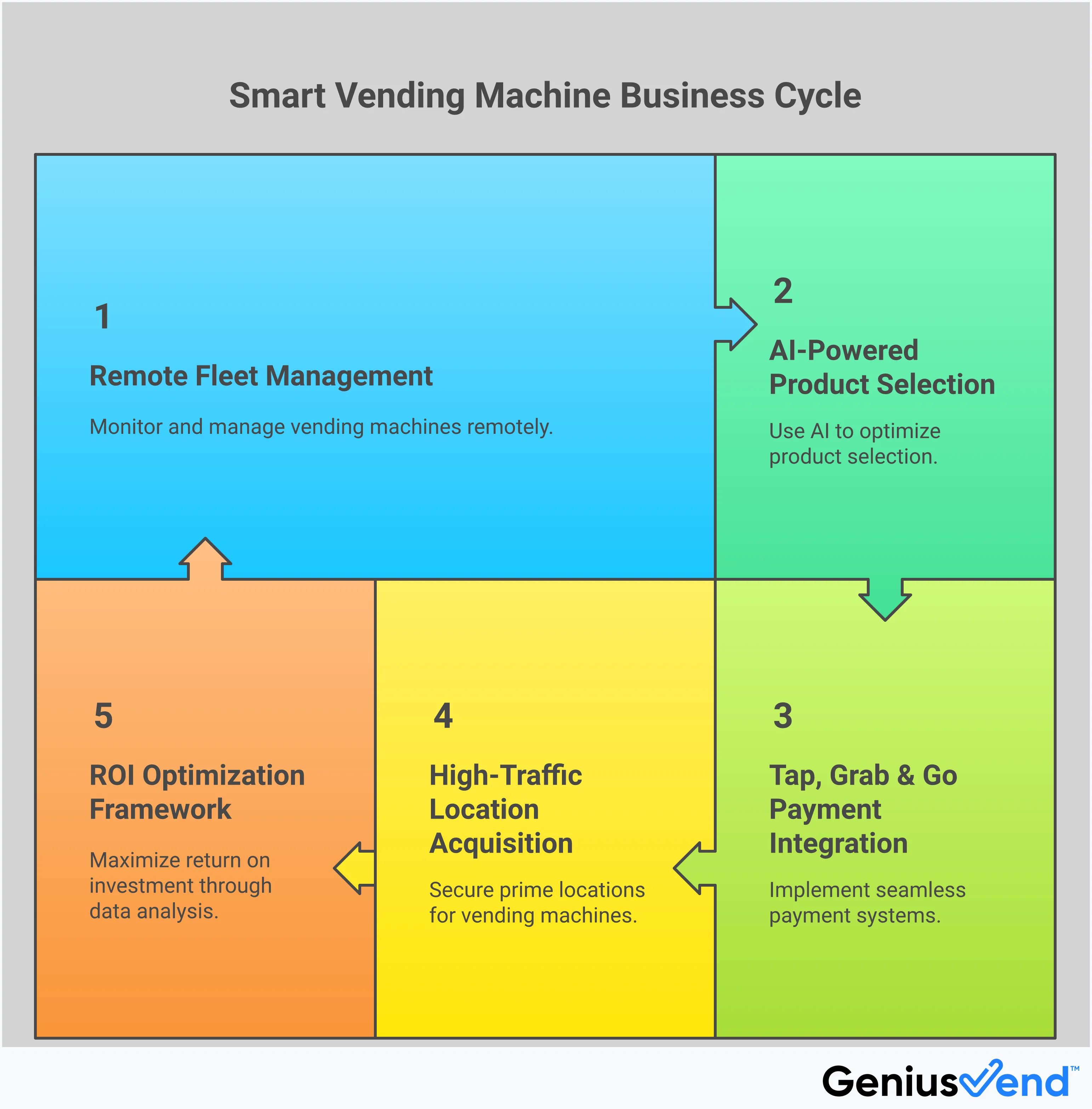
Who Makes the Best Smart Vending Machines?
The smart vending industry is full of innovative companies, which is great news for you—it means you have options. Finding the right machine depends entirely on your goals, whether you’re stocking a company break room or building a vending route. Some brands focus on creating all-in-one micro-market experiences, while others specialize in machines that sell unique products like fresh salads or frozen meals. The key is to understand what each company does best so you can find the perfect fit for your business. To help you get a feel for the landscape, let's look at some of the key players and what makes each of them stand out.
Genius Vend
We designed Genius Vend machines to make vending smarter and more profitable for operators. Our machines use an AI-powered "Tap, Grab & Go" system that simplifies the entire customer experience, eliminating product jams and other common frustrations. For operators, the free mobile app is a game-changer, allowing you to manage inventory, check sales, and monitor machine health from anywhere. We also believe in transparency, which is why we provide a clear overview of the costs associated with vending machines to help you plan your investment with confidence.
365 Retail Markets
You’ll likely see 365 Retail Markets mentioned as a leading player in the unattended retail space. They offer a wide range of solutions that go beyond traditional vending, including micro-markets and dining technology. Their focus is on creating comprehensive food service options for modern workplaces and public spaces. For businesses looking to build out a complete, self-service break room experience with multiple points of sale, 365 Retail Markets provides a connected and scalable solution that caters to today’s consumer expectations for convenience and variety.
Farmer's Fridge and N&W Global Vending
Some companies are using smart technology to completely change what can be sold in a vending machine. Farmer's Fridge is a perfect example, using IoT-enabled refrigerated kiosks to offer fresh salads, bowls, and other healthy meals. On the more traditional side, N&W Global Vending (now part of the Evoca Group) is known for its intelligent vending solutions like the Spazio and Bravo lines. These machines use IoT connectivity to help operators streamline their daily tasks, improve restocking efficiency, and gather valuable sales data to better serve their customers.
How the Top Brands Compare
The smart vending market is dynamic, with several prominent players constantly pushing the technology forward. Companies like SandenVendo America, Beta Automation, and Vendstop each bring their own unique strengths to the table, from specialized hardware to innovative software platforms. This variety means you can find a machine tailored to almost any need, whether you're selling frozen goods, fresh food, or classic snacks and drinks. The key is to identify your specific goals and find the brand whose technology best aligns with your business vision.
How Much Do Smart Vending Machines Cost?
Let’s talk about the bottom line. Investing in a smart vending machine is different from buying a traditional one, and the price reflects that. You’re not just buying a machine; you’re investing in technology that can streamline your operations and increase your profits. The total cost includes the initial price of the hardware and the ongoing expenses required to keep it running smoothly. By understanding both, you can get a clear picture of the investment and its potential return.
Your Initial Investment
The upfront cost to buy a vending machine can vary quite a bit. While you can find used traditional machines for as little as $1,500 or new ones for up to $10,000, smart vending machines are in a different league. Entry-level smart machines typically start around $15,000, with more advanced models exceeding $25,000. This price difference accounts for the sophisticated technology inside—like AI-powered cameras, sensors, and cloud connectivity—that enables features like remote management and a "Tap, Grab & Go" customer experience.
Ongoing Operating Costs
Beyond the initial purchase, you’ll want to budget for ongoing operating costs to keep your machine in top shape. Regular maintenance is essential for any vending machine and typically runs between $100 and $200 per month. It’s also wise to set aside an additional $200 to $500 per machine for annual maintenance, which covers routine servicing, cleaning, and any necessary part replacements. While these costs are important to factor in, remember that a smart machine’s remote management capabilities can help lower other expenses, like fuel and time spent on unnecessary restocking trips.
Calculating Your Return on Investment
The true value of a smart vending machine becomes clear when you look at its return on investment (ROI). These machines are designed to maximize profitability. First, they can generate sales 24/7 without needing an attendant. More importantly, they provide a constant stream of data on customer purchasing habits. This information is incredibly valuable. It allows you to make data-driven decisions about which products to stock and when. This approach to smart retail helps you optimize your inventory, reduce waste, and ensure you’re always offering what your customers want most, leading to higher sales over time.
What Types of Smart Vending Machines Are Available?
When you picture a vending machine, you might think of the classic coil machines that dispense chips and candy. But smart vending has opened up a whole new world of possibilities. These modern units are more like unattended, automated storefronts than simple snack dispensers. They come in various forms, each designed to meet specific needs and sell different types of products.
The biggest shift is the move toward open-concept coolers and freezers that allow customers to browse products freely before making a purchase. This is made possible by the advanced Internet of Things (IoT) and AI technology that powers them. Whether you want to offer fresh salads in an office break room or frozen meals in a residential building, there’s a smart machine built for the job. Let's explore the most common types you'll find.
Smart Coolers and Combo Machines
Smart coolers are the workhorses of the smart vending world. Think of them as intelligent, glass-front refrigerators that offer a "Tap, Grab & Go" experience. Customers simply tap their card, open the door, take what they want, and walk away. AI-powered sensors and cameras identify the selected items and charge the customer automatically. This setup is perfect for selling fresh foods like sandwiches, salads, yogurts, and healthy snacks alongside bottled drinks.
Because they don't rely on traditional coils, these machines can be configured as combo units, holding a wide variety of product shapes and sizes. This flexibility allows you to cater to diverse tastes and easily swap out inventory based on sales data, ensuring your offerings are always fresh and appealing.
Smart Freezer Units
Just as smart coolers revolutionized fresh food vending, smart freezers are doing the same for frozen goods. These units operate on the same "Tap, Grab & Go" principle but are designed to maintain sub-zero temperatures. This opens up an entirely new market for vending operators, allowing you to sell popular items like ice cream, frozen yogurt, pizzas, and ready-to-heat meals.
This new generation of automated machines is perfect for locations like apartment complexes, university dorms, and busy transit hubs where people are looking for quick and convenient meal options. By offering frozen products, you can provide more substantial food choices that go far beyond typical snacks.
Different Sizes and Capacities
Smart vending machines aren't one-size-fits-all. They come in a range of sizes and capacities to suit different locations and business needs. You can find compact units perfect for a small office break room or larger, high-capacity models designed for high-traffic areas like airports or shopping centers. The size you choose will influence your initial investment and your product variety.
When selecting a machine, consider the physical space available and the potential customer volume. A larger machine can hold more inventory, reducing the frequency of restocks, but it also comes with a higher upfront cost. It's important to balance capacity with your budget and sales projections to find the perfect fit for your vending business.
How Do Customers Pay?
One of the biggest upgrades smart vending machines offer is in the payment process. Gone are the days of customers walking away frustrated because they don't have exact change. Modern machines are designed to make purchasing as simple as possible, which means offering a wide variety of ways to pay. This flexibility not only creates a better experience for your customers but also ensures you never miss out on a sale. By catering to every payment preference, you make it easy for people to buy what they want, when they want it.
Contactless and Mobile Payments
The "Tap, Grab & Go" experience is built on the speed and convenience of modern payments. Customers can pay in seconds using their preferred method, whether it's a credit card, a phone app, or an e-wallet like Apple Pay or Google Pay. This seamless process removes the friction of traditional vending, where a customer might have to search for cash or deal with a finicky card reader. Offering these contactless payment options meets the expectations of today's consumers and makes impulse buys effortless, which is great news for your bottom line.
Support for Traditional Methods
While tech-forward payment options are essential, smart vending machines don't exclude customers who prefer traditional methods. Most smart machines are still equipped to accept both cash and credit/debit cards. This inclusivity ensures that anyone can make a purchase, regardless of their comfort level with technology. Whether a customer wants to use the loose change in their pocket or swipe their trusty debit card, a smart machine is ready to handle the transaction. This versatility makes them a perfect fit for any location, from a high-tech office to a community center.
Security and Fraud Prevention
With more ways to pay comes a greater need for security, and smart vending machines are built to protect every transaction. These machines use secure and reliable connections, often leveraging cellular IoT technology, to process payments quickly and safely. This means you don't have to worry about spotty Wi-Fi causing payment failures or security breaches. The same technology that enables remote management also ensures that customer payment data is encrypted and protected, giving both you and your customers peace of mind with every purchase.
How to Manage Your Machines Remotely
One of the biggest game-changers with smart vending machines is the ability to manage your entire business from anywhere. Gone are the days of driving to each machine just to check inventory levels or troubleshoot a minor issue. Modern machines connect to the internet, giving you a live look into your operations 24/7. This connectivity is the foundation for a more efficient, profitable, and scalable vending business. It fundamentally changes how you interact with your machines, shifting from a reactive, hands-on model to a proactive, strategic one.
Instead of reacting to problems, you can anticipate needs. You’ll know exactly which products are selling, which machines need restocking, and how much revenue you’re generating in real time. This level of oversight means fewer wasted trips, smarter inventory decisions, and more time to focus on growing your business. Whether you have one machine or one hundred, remote management tools turn your smartphone into a central command center for your entire operation. It’s about working smarter, not harder, and letting the technology handle the heavy lifting so you can focus on the big picture. This shift not only saves you money on operational costs like fuel and labor but also frees up your most valuable asset: your time.
Control Everything From an App
Imagine running your entire vending route from the palm of your hand. That’s exactly what you can do with a smart vending machine. Most providers, including Genius Vend, offer a dedicated operator’s app that puts you in complete control. From your phone, you can check sales data, update product pricing, and monitor the status of each machine. These mobile applications are designed for busy operators on the go, providing all the essential information you need with just a few taps. This allows you to manage your business from your office, your home, or even while on vacation, giving you unparalleled flexibility and freedom.
Monitor Inventory and Get Alerts
Guesswork is a thing of the past with smart vending. These machines use sensors to track every item in real time, so you always know exactly what’s in stock. This live look at your inventory is a massive advantage. The system can automatically send you an alert when a popular item is running low, ensuring you can restock it before you miss out on sales. This real-time inventory tracking eliminates the need for manual checks and helps you plan your restocking routes with maximum efficiency. You’ll only visit the machines that actually need service, saving you significant time, fuel, and effort.
Analyze Performance with Reports
A smart vending machine does more than just sell products; it gathers valuable data that can help you grow your business. The operator’s app can generate detailed reports on sales trends, peak purchase times, and top-performing products for each location. By analyzing this data, you can make informed decisions about what to stock, optimizing your product mix to match customer preferences and increase your profits. You can also track your machine’s technical health and manage maintenance schedules right from the app, ensuring your investment continues to run smoothly and generate revenue around the clock.
What to Know Before You Invest
Jumping into the world of smart vending is exciting, but a little planning goes a long way. Before you make your first purchase, it’s important to think through a few key details that will set your new venture up for success. Focusing on the right location, the perfect product mix, and the necessary technical details will ensure you get the best possible return on your investment and create an experience your customers will love.
Find the Perfect Location
The single most important factor for a profitable vending machine is its placement. A state-of-the-art machine will gather dust if no one is around to use it. The success of your machine heavily depends on finding a spot with consistent foot traffic. Think about places where people congregate or wait, like office break rooms, apartment building lobbies, gyms, and university common areas. You’ll want to find a location that aligns with your target market. A high-end cooler with fresh salads and kombucha might be a hit at a tech company’s headquarters but a flop at a community pool.
Stock the Right Products
Once you’ve secured a great location, your next step is to fill your machine with items people actually want to buy. Smart vending machines are changing how people shop, moving far beyond just chips and soda. You can offer anything from fresh meals and healthy snacks to electronics and personal care items. The beauty of a smart machine is that it gives you the data to make informed decisions. You can track sales in real time to see what’s popular and what’s not, allowing you to optimize your product mix and keep your customers coming back for their favorites.
Check Your Tech Requirements
A smart vending machine needs a few technical things in place to work its magic. First and foremost is a reliable internet connection, either through Wi-Fi or a cellular network. This connection is what allows for remote management, cashless payments, and real-time inventory tracking. It also powers advanced features like dynamic pricing, which can automatically adjust prices based on the time of day. Don’t forget to budget for upkeep. Annual vending machine maintenance typically costs between $200 and $500 per machine, covering routine servicing and cleaning to keep it running smoothly.
Is a Smart Vending Machine Right for You?
Okay, you understand the tech and the benefits. Now for the big question: Is a smart vending machine a good investment for your business or vending route? The answer depends less on the machine itself and more on your strategy. The right machine in the wrong place won't perform, but a well-placed one can become a serious revenue stream. Let's walk through the key factors to consider so you can make a confident decision. We'll cover where these machines perform best, how to choose between different types of locations, and the first steps to take if you're ready to move forward.
Ideal Businesses and Locations
The success of any vending machine, smart or not, hinges on location. You need a steady stream of people. Think about places with high foot traffic: busy office buildings, college campuses, hospitals, airports, and gyms are all prime candidates. But with a smart machine, you can think bigger. Since you can sell more than just chips and soda, you can target locations with specific needs. For example, a smart cooler with fresh salads and sandwiches would be perfect for a corporate office without a cafeteria. The key is to analyze the foot traffic patterns and the demographics of a location to ensure your products are a great match for the people there.
Choosing Between Break Rooms and Public Spaces
Where you place your machine—in a private break room or a public lobby—shapes your entire product strategy. A break room gives you a captive audience. These are the same people every day, so you can stock items that build habits, like healthy lunches, premium coffee drinks, or afternoon energy snacks. You can learn their preferences and cater directly to them. Public spaces, like shopping malls or transit stations, are about impulse and convenience. Here, you’re serving a constantly changing crowd. Your product mix should cater to a wider audience, focusing on grab-and-go items that appeal to a broad range of tastes. The choice really depends on the target audience and product offerings you want to focus on.
How to Get Started
Ready to take the next step? The first thing to do is assess your budget. A new smart vending machine is a significant investment, with costs often ranging from $15,000 to over $25,000 depending on the features. Once you have a number in mind, you can start looking at specific models. Think about what technology you truly need. Do you require a freezer for frozen meals, or will a smart cooler work for your product line? Finally, create a simple business plan. Factor in the cost of the machine, your initial inventory, and any potential fees for the location. This planning will help you understand the full scope of the costs before you commit.
Related Articles
- AI Vending Machine: Your Ultimate Business Guide
- What is an AI Smart Vending Machine? Explained
- AI Vending Machines: Boost Sales & Cut Costs
- Where Can I Buy a Vending Machine? A 2025 Guide
Frequently Asked Questions
Is a smart vending machine just a regular machine with a credit card reader? Not at all. While accepting cashless payments is a key feature, it's only a small part of what makes these machines smart. The real difference is the internet connectivity. This allows the machine to communicate with you in real time, giving you live updates on sales and inventory. It also powers the advanced sensors and AI that enable the simple "Tap, Grab & Go" experience for customers.
Do I need to be tech-savvy to operate a smart vending machine? Absolutely not. The technology behind the machine is complex, but the software you'll use is designed to be incredibly user-friendly. If you can use a simple app on your smartphone, you have all the technical skills you need. The goal of the technology is to make your job easier, so everything from checking sales data to planning your restock routes is presented in a clear and straightforward way.
How do I choose the right products for a specific location? The best part about a smart machine is that it helps you answer this question with real data. You can start with a broad mix of popular items, and within a few weeks, the machine's sales reports will show you exactly what's selling and what isn't. This allows you to quickly adjust your inventory to match the unique tastes of that location, ensuring you're always stocking what people actually want to buy.
What's the biggest operational difference compared to a traditional vending route? The biggest change is the shift from reactive to proactive management. With a traditional route, you often drive to a machine just to find out it doesn't need servicing. With a smart machine, you know exactly what's needed before you even leave your house. This remote insight saves an incredible amount of time, fuel, and guesswork, allowing you to run a much more efficient and profitable business.
How does the "Tap, Grab & Go" system actually know what a customer took? It feels like magic, but it's actually a clever combination of technology. When a customer opens the door, a system of internal cameras and sensors creates a virtual map of all the products inside. As they remove items, the system detects exactly what was taken. Once the door is closed, it confirms the selection and charges the customer's card for only those items, creating a seamless and error-free transaction.