

When you think of vending, artificial intelligence probably isn't the first thing that comes to mind. But the most advanced machines are more than just dispensers; they're intelligent retail points. An AI-powered touchless vending machine uses technology to create an incredibly seamless "Tap, Grab & Go" experience. Customers can open a smart cooler, take what they want, and simply walk away as the system automatically charges their account. For operators, this technology provides powerful data on consumer behavior, helping you make smarter stocking decisions. This is the future of automated retail, where convenience and business intelligence come together in one sophisticated package.
Key Takeaways
- A better customer experience drives a smarter business: Touchless systems give customers a fast, simple way to buy, while giving you the remote management tools to track sales, optimize inventory, and run your routes more efficiently.
- Focus on features that simplify your work: A modern machine must have mobile payment integration through QR codes or an app, broad contactless options like Apple Pay, and a remote inventory system that saves you time and unnecessary trips.
- Make a data-driven decision: The right machine is an investment. Analyze your location's foot traffic, understand your customers' needs, and calculate the total cost of ownership to choose a model that delivers the strongest return.
What is a Touchless Vending Machine?
At its core, a touchless vending machine is exactly what it sounds like: a machine that lets customers buy products without physically touching buttons, keypads, or payment slots. Instead of the old-school push-and-pay method, these modern machines use advanced technology to create a safer, cleaner, and incredibly convenient shopping experience. Think of it as putting the entire vending interface right onto your customer’s smartphone.
This technology is a game-changer for both business owners and vending operators. For customers, it means a faster, more hygienic way to grab a snack or drink. For you, it means a more modern and appealing setup that can attract more sales and simplify transactions. By minimizing physical contact, you’re not just offering a product; you’re providing peace of mind and a seamless experience that aligns with modern consumer expectations. It’s a smart move that shows you’re invested in both customer well-being and cutting-edge service.
How the "Tap, Grab & Go" Experience Works
The "Tap, Grab & Go" model is designed for ultimate simplicity. Your customer walks up to the machine and uses their phone to start shopping. This usually happens in one of two ways. They can either download a dedicated app for your machines or, for an even lower-barrier option, simply scan a QR code on the machine with their phone’s camera.
Once they scan the code, their phone’s web browser opens a digital storefront showing everything inside the machine. They can browse products, make their selection, and pay right from their device. Their phone essentially becomes a personal remote control for the machine. After the payment goes through, the machine dispenses their item, and they can just grab it and go. It’s a quick, intuitive process that takes the friction out of vending.
Exploring Your Payment Options
One of the biggest perks of going touchless is the flexibility in payments. These systems are built for the way people pay today, which means they are completely cashless. Touchless vending machines easily accept a wide range of cashless payment methods, making the transaction process smooth and fast for everyone.
Customers can pay using their credit or debit cards with a simple tap, or use mobile payment services like Apple Pay and Google Pay directly from their smartphones. This removes the hassle of carrying cash or dealing with jammed coin slots and bill acceptors. For you as an operator, it means more reliable transactions, less cash to handle, and a better overall experience that encourages repeat business. It’s all about making the purchase as effortless as possible.
Different Types of Touchless Solutions
Touchless technology isn't just for traditional snack and soda machines. The same principles can be applied to a whole host of automated retail equipment, giving you incredible versatility for your business. You can find touchless solutions in smart fridges and coolers that sell fresh food, salads, or beverages. There are also smart freezers for ice cream and frozen meals, and even high-tech coffee machines that let customers order a custom latte from their phone.
This flexibility allows you to cater to specific needs and locations. Whether you’re placing a machine in a corporate breakroom, a gym, or a hotel lobby, you can choose a touchless solution that fits the environment and the products you want to offer. It’s about expanding your reach beyond typical vending fare and creating unique, modern retail experiences.
Why Go Touchless? The Key Benefits
Switching to touchless vending machines is more than just a modern upgrade; it's a strategic move that benefits both you and your customers. In any shared space, from an office break room to a public lobby, people value speed, convenience, and cleanliness. A touchless system delivers on all three, creating a seamless experience that traditional machines just can't match. For vending operators, this translates directly into happier customers and a healthier bottom line.
The core idea is to remove friction from the buying process. When a customer can simply tap their card or phone, grab what they want, and walk away, they're more likely to make a purchase. This "Tap, Grab & Go" model isn't just a novelty; it meets the modern consumer's expectation for instant gratification. For entrepreneurs and business owners, the advantages go even deeper. These smart machines offer powerful tools for remote management, inventory tracking, and sales analytics, allowing you to run your business more efficiently and make data-driven decisions that drive growth. It’s about working smarter, not harder, to provide a superior service.
Improve Hygiene and Safety
One of the most immediate advantages of a touchless vending machine is the significant improvement in hygiene. By minimizing physical contact with buttons and payment slots, you create a cleaner, safer transaction for everyone. This is especially important in high-traffic areas where countless hands touch the same surfaces throughout the day. Offering a touch-free option shows your customers and employees that you prioritize their well-being. This simple change helps build trust and provides a worry-free shopping experience that people appreciate. It’s a small detail that makes a big difference in how people perceive the space and your business.
Create a Better Customer Experience
A great customer experience is all about convenience. Touchless vending machines excel here by offering a variety of fast and easy payment methods, from credit cards to mobile wallets. When customers can pay with their preferred method in seconds, the entire process feels effortless. This removes a major barrier to purchase, as fumbling for the right cash or dealing with a jammed coin slot becomes a thing of the past. A smooth, quick transaction not only increases the likelihood of a sale but also leaves a lasting positive impression, encouraging repeat business and building a loyal customer base.
Streamline Your Operations
For vending route operators, touchless smart machines are a game-changer for efficiency. The ability to remotely manage your inventory means you can say goodbye to unnecessary trips to check stock levels. Instead, you get real-time data sent directly to your phone, so you know exactly what’s needed and when. This allows you to optimize your routes, save time, and reduce fuel costs. By tracking key performance metrics like machine uptime and sales data, you can make smarter decisions about product placement and pricing. This level of insight helps you fine-tune your business, reduce operational costs, and ultimately increase your profitability.
Must-Have Features for Your Touchless Vending Machine
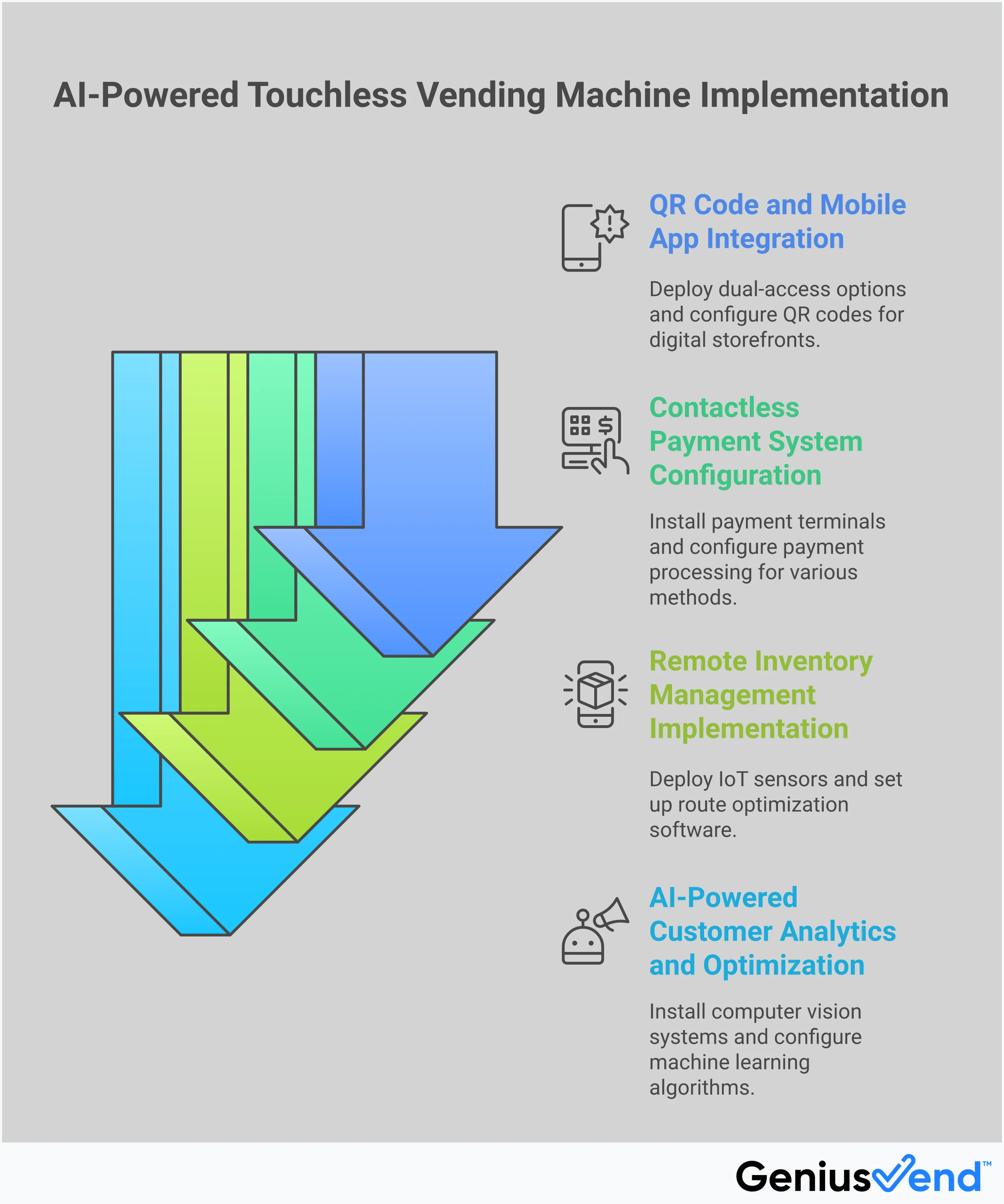
When you're shopping for a touchless vending machine, it's easy to get lost in the technical specs. But what really matters is how the machine works for both you and your customers. The best touchless solutions are about more than just avoiding germs; they're about creating a smarter, smoother, and more profitable experience for everyone involved. A truly modern machine goes beyond a simple credit card reader. It uses technology to make purchasing effortless for customers and management a breeze for you, turning a simple transaction into a seamless interaction. As you compare your options, think of the machine as a key part of your business strategy. The right features can reduce your workload, increase your sales, and give you valuable insights into what your customers want. These aren't just bells and whistles; they are foundational elements that define a high-performing vending operation. From mobile payments to remote management, the technology built into your machine directly impacts your daily tasks and long-term success. Keep an eye out for these four essential features—they are the difference between a basic machine and a powerful business tool that can help you grow your vending route or keep your employees happy and refreshed.
Mobile Apps and QR Code Scanning
The easiest way to create a touchless experience is to let customers use the one device they always have with them: their smartphone. Top-tier machines feature mobile integration, often through a dedicated app or a simple QR code scan. A customer can walk up to the machine, scan the code with their phone’s camera, and instantly see a menu of available products on their screen. From there, they can browse items, read nutritional information, and complete their purchase right from their phone. This process eliminates the need to touch any buttons or screens on the machine itself, offering a fast, clean, and intuitive way to buy.
Seamless Contactless Payments
Cash is no longer king, and your vending machine shouldn't rely on it. A crucial feature is the ability to accept a wide range of cashless payments. This includes traditional tap-to-pay debit and credit cards, but more importantly, it means supporting mobile wallets like Apple Pay and Google Pay. When a customer can pay with a quick tap of their card or phone, you remove a major barrier to making a sale. This convenience not only improves the customer experience but also speeds up transaction times, allowing you to serve more people during peak hours. It’s a simple feature that has a huge impact on your sales potential.
Remote Inventory Management
One of the biggest game-changers for vending operators is the ability to see what’s happening inside your machines without being there. Look for a machine that offers robust vending management software, allowing you to track sales and inventory levels in real time from your phone or computer. This means you’ll know exactly which products are running low before you even leave your home or warehouse. You can plan your restocking routes more efficiently, avoid wasting trips, and ensure your machines are always stocked with the items your customers love. This feature saves you time, gas, and money, directly impacting your bottom line.
Smart AI and Digital Displays
The smartest machines on the market use artificial intelligence (AI) and bright digital displays to create a superior experience. AI-powered systems can track which items are picked up and automatically charge the customer's account, creating a simple "grab-and-go" interaction. This technology also provides valuable data on purchasing habits, helping you make smarter decisions about what to stock. Meanwhile, digital screens replace static product displays with dynamic content. You can use them to showcase promotions, display eye-catching videos, or provide detailed product information. This not only attracts more customers but also gives your machine a modern, high-tech feel that builds trust and encourages sales.
Comparing the Top Touchless Vending Brands
Once you know what features you need, it’s time to look at the brands bringing this technology to life. The touchless vending space has a few key players, each with its own strengths. Choosing the right one comes down to matching their offerings with your specific business goals, whether you're stocking a single office breakroom or managing a route with dozens of locations. Let's break down some of the top names you'll encounter.
Genius Vend: The AI-Powered Choice
Genius Vend stands out by putting artificial intelligence at the core of its machines. This isn't just about offering a touch-free experience; it's about creating a smarter one. The AI-powered system allows for an incredibly simple "Tap, Grab & Go" process for customers. For operators, the benefits are even bigger. The technology provides advanced tools for smarter inventory management, helping you understand what’s selling and what’s not in real-time. This data-driven approach helps you optimize your product selection, reduce waste, and maximize profit on every machine. The focus on AI also leads to an enhanced customer interaction that feels modern and effortless.
A Look at Crane Merchandising Systems
Crane is a well-established name in the industry, known for building reliable and connected machines. They are a strong contender in the touchless market, with a focus on integrating proven technology like cashless payment systems and real-time inventory tracking. While they may not have the deep AI integration of a brand like Genius Vend, their machines are known for their durability and user-friendly interfaces. For operators who want a dependable machine from one of the top vending machine brands with solid, modern features, Crane is a name that frequently comes up. Their systems are designed to be straightforward and efficient for both the customer and the operator.
Other Players: Azkoyen and AMS
Beyond the biggest names, you'll find other excellent manufacturers offering unique solutions. Azkoyen, for example, designs machines with secure payment solutions that are built to serve a wide variety of locations, from busy city centers to more remote spots. Meanwhile, AMS (Automatic Merchandising Systems) is known for its efficient and flexible product dispensers. Their machines often feature powerful digital payment systems and can be configured to handle different product shapes and sizes, making them a versatile choice. These unique vending machine producers offer solid alternatives that might be the perfect fit for your specific needs.
How to Compare Your Options
With several great options available, how do you make the final call? It comes down to the numbers. Don't just look at the upfront cost of the machine; think about its long-term earning potential. Start by analyzing your location's needs and foot traffic. From there, you can compare machines based on the metrics that matter most to your bottom line. To make a truly informed decision, you’ll want to monitor key essential vending metrics like sales per machine, product sell-through rates, and overall location profitability. The right machine is the one that best serves your customers while delivering the strongest return on your investment.
Understanding the Cost of Touchless Vending
Let's talk about the numbers. Investing in a new touchless vending machine is a big decision, and the price tag is a huge part of that. But the initial cost of the machine is just one piece of the puzzle. To get a clear picture of your potential profit, you also need to think about the day-to-day operational costs and, most importantly, your return on investment. It’s easy to focus only on the upfront price, but smart operators know that the true cost includes everything from electricity bills to the time you spend managing inventory.
Thinking through these factors helps you make a more informed choice. A cheaper machine might seem like a deal, but if it's an energy hog or requires constant hands-on maintenance, it could cost you more over time. On the other hand, a smarter, more efficient machine might have a higher initial price but save you money and headaches down the road. This section will walk you through the key costs to consider so you can find a machine that not only delights your customers but also makes great business sense.
The Initial Investment
The first number you'll look at is the price of the machine itself. This can vary widely depending on the size, features, and technology inside. A basic touchless machine will cost less than an AI-powered smart cooler that offers a "Tap, Grab & Go" experience. Beyond the hardware, consider any setup or installation fees. It's also wise to think about the resources needed to run it effectively. While you might not be hiring a full team, you'll need to account for the time it takes to manage inventory and learn any new software, like a vending machine app. These initial investments set the foundation for your operation.
Factoring in Ongoing Expenses
Once your machine is up and running, you'll have regular costs to keep in mind. These ongoing expenses are where efficiency really starts to pay off. For example, choosing an energy-efficient vending machine can make a noticeable difference in your monthly electricity bill. Other recurring costs include restocking products, credit card processing fees, and any software subscriptions for remote management. This is where a smart system shines—being able to check inventory from your phone saves you from making unnecessary trips, cutting down on both time and fuel costs. Thinking about these long-term expenses will help you choose a machine that is profitable for years to come.
How to Calculate Your Return on Investment
So, how do you know if your investment is paying off? That's where calculating your Return on Investment (ROI) comes in. Simply put, ROI quantifies the profitability of your machine by comparing your net profit to your initial cost. It’s the key metric that tells you how quickly you’ll earn back your investment and start making pure profit. For vending machines, a strong ROI can range from 24% to 36% annually. Tracking this number helps you make smarter decisions, like adjusting your product mix or even finding better locations to maximize your earnings. It turns a gut feeling into a data-backed strategy for growing your business.
Common Challenges and How to Solve Them
Switching to any new technology comes with a few questions, and touchless vending is no different. While the benefits are clear, you might wonder about the technical side, how your customers will react, and how to measure your success. The good news is that these challenges are straightforward to manage. Many operators worry about the cost and complexity of upgrading, the learning curve for their customers, and whether they'll be able to see a clear return on their investment. These are all valid concerns, but modern smart vending systems were designed specifically to solve them. With the right machine and a solid plan, you can easily clear these hurdles and build a more efficient, profitable vending business. Let's walk through the most common concerns and their simple solutions.
Overcoming Technical Hurdles
The idea of developing touchless technology from the ground up can seem daunting. For many in the industry, creating new systems or trying to retrofit existing machines is a long and expensive process. But as a business owner or route operator, you don't have to be the one inventing the technology. The biggest technical hurdle has already been solved for you. The key is to choose a system that is already built, tested, and proven to work. Instead of worrying about development, your focus can be on deploying a reliable, ready-made solution. Companies like Genius Vend have invested the time and resources to perfect the AI-powered "Tap, Grab & Go" experience, meaning you can skip the technical headaches and get straight to offering your customers a seamless, modern vending option.
Helping Customers Adapt to New Tech
Your customers are used to the old way of vending: insert cash, punch in a code, and wait for a product to drop. A "Tap, Grab & Go" system is a new, faster experience, and a little guidance can go a long way in making them feel comfortable. The goal is to make the transition feel like an obvious upgrade. Start with clear, simple signage on the machine itself. A three-step visual guide—"1. Tap to Pay, 2. Grab Your Items, 3. Go!"—is often all it takes. You can also use a QR code that links to a short video demonstrating how it works. Highlighting the benefits is also key. Remind customers that they can use their preferred payment method and that the process is quicker and more hygienic. This focus on customer convenience helps them quickly embrace the new technology.
Tracking and Improving Performance
With traditional vending, you often don't know how a machine is performing until you physically visit it. This guesswork makes it tough to optimize your inventory, plan your routes, and maximize your profits. Smart touchless vending machines completely change the game by giving you access to real-time data. Modern systems allow you to track key performance indicators (KPIs) right from your phone. You can monitor essential vending metrics like sales per machine, which products are selling fastest, and machine uptime. This information lets you make data-driven decisions, like stocking more of what people love and scheduling refills only when they're truly needed. By continuously tracking and analyzing your performance, you can refine your operations and ensure every machine is as profitable as possible.
How to Choose the Right Touchless Vending Machine
Picking the perfect touchless vending machine is about more than just features and price. It’s about finding the right fit for your specific goals, location, and customers. A machine that thrives in a busy airport might be overkill for a small office breakroom, while a basic model could leave money on the table in a high-tech campus. To make the best choice, you need to think like a strategist. It's easy to get caught up in the excitement of new technology, but the most successful operators know that the foundation of a profitable vending business is a machine that aligns perfectly with its environment. This means looking past the spec sheet and considering the complete picture.
Before you even compare brands, take a step back and define what success looks like for your specific placement. Are you aiming to provide a convenient amenity for employees, or are you focused on maximizing revenue in a public space? The answer will shape every decision you make. By focusing on three key areas—where you'll place the machine, who will use it, and what it takes to run it—you can confidently select a model that sets your business up for success from day one. This thoughtful approach ensures you’re not just buying a piece of equipment, but investing in a solution that will deliver a great customer experience and a strong return for years to come. Let's walk through the three essential steps to guide your decision.
Assess Your Location and Foot Traffic
Your machine's location is one of the biggest factors in its profitability. A high-traffic area can dramatically increase your sales potential, so it's vital to evaluate foot traffic patterns before you commit. Think about the environment. Is it a corporate office with a steady 9-to-5 crowd, a 24/7 hospital with round-the-clock needs, or a university common area with predictable rushes between classes? Don't just guess—spend time observing the flow of people. When are the peak hours? Understanding these patterns will not only help you project sales but also determine the right machine size and capacity to meet demand without constant restocking or missed opportunities.
Match the Machine to Your Customers' Needs
Once you know where your machine will live, think about who will be using it. Are they tech-savvy professionals who expect a seamless mobile experience, or busy parents who need a quick and easy transaction? Modern customers value convenience, and smart vending machines deliver just that. Features like simple app-based payments and real-time inventory tracking create a frictionless experience that encourages repeat business. When customers can easily pay with their preferred method and trust that their favorite items are in stock, they’re far more likely to make a purchase. Tailoring the product selection and the technology to your specific audience is key to maximizing sales and building a loyal customer base.
Plan for Installation and Upkeep
Your initial investment is just one piece of the financial puzzle. It's crucial to factor in the ongoing expenses required to keep your machine running smoothly. This includes the logistics of installation, which might involve delivery fees and setup. More importantly, you need a plan for upkeep. While advanced systems like Genius Vend's operator app streamline inventory management, you still need to account for the time and cost of restocking products and performing routine maintenance. Creating a realistic budget for your vending business that includes these operational costs will give you a clear picture of your true return on investment and prevent any surprises down the road.
Related Articles
- The Ultimate Touch Screen Vending Machine Guide
- Automated Vending Machines: The 2025 Guide
- Vending Machine with Touch Screen: Buyer's Guide
- Smart Vending Machines: The Ultimate Guide
- AI Powered Smart Vending Machines & Solutions
Frequently Asked Questions
Is a "touchless" machine just a regular vending machine with a credit card reader? Not at all. While a credit card reader offers a cashless option, a true touchless system changes the entire interaction. Instead of touching machine buttons, your customer uses their own smartphone to control everything. By scanning a QR code, they can browse products, make a selection, and pay right from their device, creating a faster, cleaner, and more modern "Tap, Grab & Go" experience.
Will my customers be confused by this new technology? That's a common concern, but these systems are designed to be incredibly intuitive. Most people are already comfortable using their phones for everything, and the process is very straightforward. Clear and simple instructions on the machine, like a three-step visual guide, are usually all it takes for customers to understand how it works. The convenience of a quick, seamless transaction usually wins them over instantly.
How much more work is it to manage a smart machine compared to a traditional one? It's actually significantly less work. With a traditional machine, you have to physically visit it to check inventory, which leads to a lot of wasted time and fuel. A smart machine gives you remote access to real-time sales and stock levels right on your phone. This means you can plan your restocking routes with perfect efficiency, visiting machines only when they truly need service.
Are these AI-powered machines worth the higher initial cost? It's best to think of it as an investment in a more profitable business tool, not just a machine. The upfront cost is higher because you're getting technology that directly impacts your bottom line. The ability to track sales data helps you stock more of what people actually want, and remote management drastically cuts down on your operational costs. These efficiencies lead to a stronger and faster return on your investment over time.
How do I know what to stock if I can't see the machine in person? This is where the "smart" part of the machine really helps you out. The remote management software does more than just tell you what's sold out; it shows you sales trends and performance data for every single product. You can see exactly what's popular and what's not, allowing you to make informed decisions from anywhere. This data turns stocking from a guessing game into a clear strategy.