

The Smart Apple Pay Vending Machine Buyer's Guide
How many sales did your vending machine miss today because a potential customer didn't have cash? Every person who walks away represents lost revenue. The solution is simpler than you think. By offering the payment methods people already use every day, you can capture those missed opportunities and significantly increase your profits. An Apple Pay vending machine is the new standard for a reason: it removes the biggest barrier to a sale. This article breaks down why upgrading is a smart investment, what key features to look for, and how to choose the right machine to make your vending route more successful and easier to manage.
Key Takeaways
- Embrace Cashless Payments to Increase Sales: Upgrading to a machine that accepts Apple Pay and other digital wallets directly addresses modern buying habits. You'll capture sales previously lost to a lack of cash and provide a faster, more convenient experience for every customer.
- Prioritize Smart Features for Efficient Operations: The best machines offer more than just tap-to-pay. Remote management is a must-have for tracking sales and inventory from anywhere, allowing you to make smarter stocking decisions and run your routes more effectively.
- Invest Wisely by Looking Beyond the Price Tag: The right machine is an investment in your business's future. Consider the total cost, including transaction fees and software, and ask detailed questions about connectivity, warranty, and support before you buy to ensure you're getting a reliable, long-term solution.
What is an Apple Pay Vending Machine?
Let's be honest, fumbling for exact change is a thing of the past. An Apple Pay vending machine is simply a modern vending machine that accepts cashless payments directly from a customer's smartphone, smartwatch, or tap-to-pay card. It’s a huge leap from the coin-and-dollar-only machines we grew up with. Think of it as a smart vending machine equipped to handle the way people actually pay for things today.
These machines are designed for convenience, both for you and your customers. Instead of being limited to whatever cash they have on hand, customers can use their preferred digital wallets, like Apple Pay or Google Pay, or just tap their credit card. This simple change has completely revolutionized the vending experience, making it faster and easier for people to grab what they want. For operators, this means no more counting stacks of coins or dealing with jammed bill acceptors. It’s about meeting customers where they are and making the sale as smooth as possible.
How Does Apple Pay Work on a Vending Machine?
The magic behind these seamless transactions is a technology called Near Field Communication, or NFC. It’s the same tech that powers tap-to-pay at the grocery store. Your vending machine’s card reader has an NFC chip that can communicate with the chip in a customer's phone or card over a very short distance.
When a customer holds their iPhone or Apple Watch near the reader, the two devices securely exchange payment information to complete the purchase. It’s a quick, encrypted process that takes just a second. This is why you'll see the universal "tap-to-pay" symbol on these machines. It’s a simple signal to customers that they can use their favorite AI vending machine without digging through their pockets for cash.
Why Cashless is the New Standard
The shift to a cashless world isn't just a trend; it's a fundamental change in consumer behavior. People carry less cash than ever before, and they expect quick, digital payment options everywhere they go. By offering cashless payments, you remove the biggest barrier to a sale: not having the right change. This directly translates to more sales and happier, more loyal customers.
While it's true that smart vending machines have a higher upfront cost and that cashless payments come with small transaction fees, the return on investment is clear. You capture sales you would have otherwise missed, and you spend far less time managing cash. Embracing cashless isn't just an upgrade; it's the new standard for running a successful and profitable vending business.
Why Upgrade to an Apple Pay Vending Machine?
Let's be honest: fewer and fewer people carry cash. If your vending machine only accepts coins and crumpled bills, you're missing out on sales every single day. Upgrading to a machine that accepts Apple Pay isn't just about adding a new feature; it's about meeting your customers where they are and future-proofing your business.
An Apple Pay vending machine transforms the customer experience from a clunky transaction into a seamless interaction. It opens the door to more impulse buys, builds customer trust, and gives you, the operator, powerful tools to manage your business more effectively. By embracing this technology, you’re not just keeping up—you’re providing a modern, convenient service that will keep people coming back. It’s a strategic move that pays for itself through increased revenue and smarter operations.
Offer Secure, Worry-Free Payments
Security is a top concern for modern consumers, and Apple Pay delivers. When a customer uses their iPhone or Apple Watch to pay, the system uses a transaction-specific security code, meaning their actual card numbers are never shared with the machine or stored on Apple's servers. This process, known as tokenization, provides a powerful layer of protection against fraud.
For your customers, this means they can grab a snack or drink with confidence, knowing their financial information is safe. This trust eliminates a major point of friction, making them more likely to complete a purchase. Offering a secure, worry-free payment method shows that you value your customers' safety, which helps build a positive reputation for your vending business.
Make More Sales and Happier Customers
The single biggest reason to upgrade is simple: you'll make more money. When you remove the "I don't have any cash" barrier, you instantly expand your customer base to include anyone with a smartphone or credit card. This convenience is a game-changer for driving impulse buys. That afternoon slump or late-night craving is much more likely to turn into a sale when payment is as easy as a quick tap.
Accepting a variety of cashless payments—from Apple Pay and Google Pay to traditional credit and debit cards—ensures you never miss a sale due to payment limitations. A smooth, successful transaction leads to a happier customer, and happy customers are far more likely to become repeat customers.
Manage Your Business From Anywhere
Moving to a smart, cashless system does more than just benefit your customers; it revolutionizes how you manage your operations. Every Apple Pay transaction is a data point. This information can automatically sync with a vending management system, giving you a real-time look at your business from your phone or computer.
Imagine knowing exactly which products are best-sellers in each location, tracking sales trends, and receiving alerts when inventory is low—all without having to physically visit the machine. This data allows you to make smarter stocking decisions, optimize your product mix for maximum profitability, and manage your routes more efficiently. You can spend less time guessing and more time growing your business.
Give Customers the "Tap and Go" Speed They Want
In a world of instant gratification, speed is everything. Customers are used to quick, frictionless experiences, and vending should be no different. An Apple Pay vending machine offers the ultimate "tap and go" convenience. There's no need to search for the right change, swipe a card multiple times, or deal with a jammed bill acceptor.
A customer can simply hold their phone or watch near the reader, and the transaction is complete in seconds. This effortless process is exactly what people have come to expect. By providing a fast and reliable payment experience, you eliminate frustration and make your machine the go-to choice for a quick purchase. It’s a small change that makes a huge difference in customer satisfaction.
Key Features to Look For in an Apple Pay Vending Machine
When you’re shopping for a new vending machine, it's easy to get overwhelmed by the options. But if you're focusing on an Apple Pay-enabled machine, you're already on the right track. The key is to look beyond the simple fact that it accepts cashless payments and dig into the features that will actually make your business more profitable and easier to run. A great machine isn't just a box that dispenses snacks; it's a smart, efficient retail partner that enhances the customer experience and simplifies your operations.
Think about the entire customer journey, from the moment they walk up to the machine to the second they grab their item. You also need to consider your own experience as the operator. How easy is it to manage inventory? Can you track sales from your phone? The right features will save you time, reduce headaches, and ultimately, put more money in your pocket. Let's walk through the must-have features that separate the best Apple Pay vending machines from the rest, ensuring you invest in a machine that works as hard as you do.
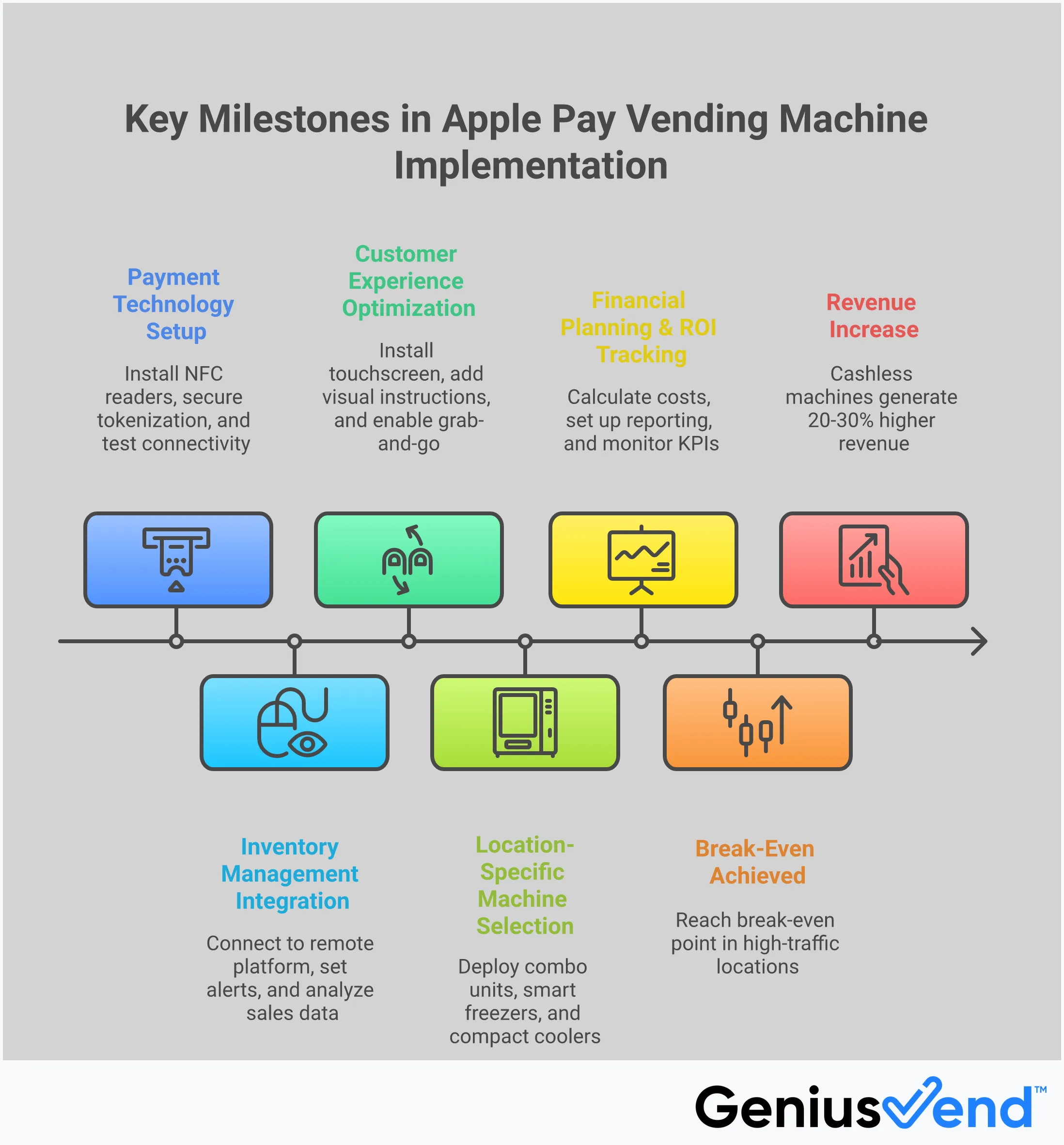
Reliable Tap-to-Pay Technology
This seems obvious, but it’s the most critical piece of the puzzle. The tap-to-pay reader is your machine's handshake with the customer—it needs to be firm and confident. A slow, glitchy, or confusing payment system will send potential buyers walking away in frustration. The technology for contactless payments has come a long way, and customers now expect a seamless experience. When someone taps their iPhone or Apple Watch, the transaction should be nearly instant. Look for machines with modern, well-regarded card readers that are known for their speed and reliability. This single feature can make or break a sale, so don't compromise on quality here. A smooth payment process builds trust and encourages repeat business.
Smart Features and Remote Management
This is where modern vending machines truly shine. The best Apple Pay machines are also smart machines, equipped with technology that helps you run your business more effectively. Imagine being able to check your inventory levels, see real-time sales data, and manage pricing from an app on your phone. This is what remote management offers. Beyond that, look for AI-powered features that enhance the customer experience. Some machines use cameras and weight-sensing shelves to create a simple "grab and go" system, automatically charging the customer for what they take. This technology simplifies the entire interaction, making it faster and more enjoyable for everyone involved.
Flexible Cooling and Freezing Options
Your product selection is limited by your machine's capabilities. To maximize sales, you need a machine that can offer a variety of products that people actually want. Most modern machines are refrigerated, allowing you to sell cold drinks alongside shelf-stable snacks like chips and candy. This combination is a classic for a reason. But don't stop there. Consider a machine with a freezer section to offer ice cream or frozen meals, which can be a huge hit in office break rooms or residential buildings. The more diverse your product offering, the wider the audience you can appeal to. A machine with flexible temperature zones gives you the freedom to experiment and find the perfect product mix for any location.
An Easy-to-Use Screen
The screen is the main point of interaction between the customer and your machine. A small, confusing, or unresponsive screen can be a major turn-off. Look for a machine with a large, bright, and intuitive touchscreen display. It should clearly show the products, their prices, and simple instructions for making a purchase. When a customer is ready to pay, the screen should make it obvious where to tap their phone or card. A great user interface makes the whole process feel modern and effortless. It guides the customer smoothly from selection to payment, ensuring there's no confusion or friction that could cause them to abandon the sale.
Support for All Major Payment Types
While Apple Pay is a huge draw, you don't want to exclude customers who use other payment methods. The ideal machine is a true cashless vending machine, accepting every popular form of electronic payment. This includes Google Pay, Samsung Pay, tap-to-pay credit and debit cards, and traditional swipe or chip cards. The goal is to make it easy for everyone to buy from you. By supporting all major payment types, you ensure that you never miss a sale just because a customer left their wallet at home or prefers using an Android device. It’s about providing convenience and accessibility for every single person who walks up to your machine.
A Look at the Top Apple Pay Vending Machines
Once you decide to add Apple Pay to your vending route, the next step is choosing the right machine. Several excellent manufacturers offer modern, cashless payment solutions, but they each bring something different to the table. Your best choice will depend on your business goals, the products you plan to sell, and the level of technology you’re comfortable with. Some machines offer a simple and reliable tap-to-pay experience, while others use advanced AI to completely change how customers shop. Let’s walk through a few of the leading brands so you can see how they stack up and find the perfect fit for your needs.
Genius Vend Smart Vending Machines
Genius Vend is all about creating a seamless customer experience with its AI-powered smart vending machines. Instead of the traditional "select, pay, and dispense" model, customers simply tap their phone or card, grab the items they want, and walk away. The machine uses smart sensors to track what’s taken and charges the customer automatically. This "Tap, Grab & Go" system is incredibly fast and convenient. All Genius Vend smart coolers and freezers come ready to accept Apple Pay, credit cards, and other tap-to-pay options, making them a great choice for operators who want to offer the most modern vending technology available.
AMS Vending Solutions
AMS (Automated Merchandising Systems) is a well-known name in the industry, recognized for building durable and reliable machines. Their machines come standard with a Nayax Touch Credit Card Reader, so they are ready for cashless payments right out of the box. This makes it easy for customers to use Apple Pay, credit cards, or other mobile payment apps. While they don't have the AI-driven grab-and-go functionality, AMS machines are a solid, dependable choice for operators who want to add proven cashless technology to their routes without a steep learning curve. They are workhorses designed for efficiency and ease of use.
ePay Cashless Systems
As the name suggests, ePay focuses exclusively on electronic payments. The ePay combo vending machine is designed to be 100% cashless, accepting all major credit cards, debit cards, Apple Pay, and Google Pay. This is a great option for locations where cash is rarely used, like modern offices, gyms, or co-working spaces. By eliminating cash handling entirely, operators can reduce service time and security concerns associated with collecting and managing physical money. If you're ready to go all-in on cashless, ePay offers a streamlined solution built specifically for that purpose.
Seaga Manufacturing
Seaga is another key player that has embraced modern payment technology. Seaga vending machines are designed with user convenience in mind, offering reliable cashless payment options, including Apple Pay. They provide a wide range of machine types, from snack and drink combos to more specialized units, all equipped to meet today's consumer expectations. For operators looking for a versatile lineup of machines that blend traditional vending reliability with essential modern payment features, Seaga is a brand worth considering. Their focus is on providing a straightforward and satisfying experience for both the customer and the operator.
How the Top Brands Compare
When you line these brands up, the main difference comes down to the level of technology and the customer experience. Genius Vend leads with its AI-powered, checkout-free model, which offers the fastest and most futuristic interaction. Brands like AMS, ePay, and Seaga provide more traditional vending experiences but have fully integrated modern payment systems. While smart machines offer incredible benefits, their advanced payment technology and remote management features often mean a higher upfront cost. Your decision will ultimately balance your budget with the type of experience you want to provide for your customers.
Understanding the Cost of an Apple Pay Vending Machine
Figuring out the price of an Apple Pay vending machine isn't as simple as looking up a single number. The final cost is an investment in your business, and it depends on the technology you choose. Think of it like buying a car—a basic model will get you from A to B, but a high-performance vehicle with all the latest tech comes at a different price point. The same is true for vending machines. The price reflects everything from the payment reader itself to the smart technology running behind the scenes. Let's break down what you can expect to pay and what factors into that final price tag.
General Price Ranges
When you start looking, you'll see a huge range of prices. A quick online search for an Apple Pay vending machine shows listings from as low as $80 to over $6,900. This massive gap exists because you can either buy a simple card reader to retrofit an old machine or invest in a completely new, smart vending machine. A standalone credit card reader is a small piece of hardware, while a full machine includes refrigeration, shelving, a user interface, and the payment system all in one. Your first step is to decide if you're upgrading an existing machine or starting fresh with modern technology.
Cost Breakdown: Coolers, Combos, and Freezers
The type of machine you need will also play a big role in the cost. A standard combo machine that vends both snacks and drinks is a popular, versatile option. For example, models like the ePay Combo Vending Machine are designed to give customers a variety of choices from a single unit. If you plan to sell fresh food like salads or sandwiches, you’ll need a smart cooler with reliable temperature control. And if you want to offer frozen treats like ice cream, you’ll need a smart freezer, which involves more complex and costly technology. Think about the products you want to sell first, as that will guide you to the right type of machine for your route.
Factoring in Fees and Ongoing Costs
The initial purchase price is just one part of the equation. To run a successful vending business, you need to account for ongoing operational costs. The most significant of these are the transaction fees associated with every cashless payment. These are typically a small percentage of each sale, but they add up over time and impact your overall profit margin. You may also have costs for software subscriptions to manage your machine remotely, a data plan for connectivity, and routine maintenance. Be sure to ask any potential seller for a full breakdown of all associated fees so you can accurately project your profitability from day one.
What Influences the Final Price?
So, what makes one machine more expensive than another? It really comes down to the technology. Smart vending machines cost more because they offer features that can make you more money in the long run. These include AI-powered purchasing, which allows for a "grab and go" experience, and real-time inventory monitoring that helps you restock efficiently. Other factors that influence the price include the machine's size and capacity, whether it's new or refurbished, and the brand's reputation for quality and support. Weigh the upfront cost against the long-term benefits to find the best fit for your business goals.
Common Challenges and How to Solve Them
Switching to a smart Apple Pay vending machine is one of the best moves you can make for your business. The technology is designed to be intuitive, making your life easier and your customers happier. But like any new piece of equipment, there are a few things to consider to make sure your launch goes off without a hitch. Thinking through these common hurdles ahead of time will save you headaches down the road and set you up for a smooth, profitable operation from day one. These aren't major roadblocks, but rather small details that, when handled correctly, make a huge difference in your day-to-day operations and overall success.
The good news is that these challenges are completely manageable with a little planning. From ensuring your machine has a solid internet connection to showing customers how easy it is to use, we’ve got you covered. Let’s walk through the four main areas to focus on: connectivity, payment processing, customer onboarding, and maintenance. By tackling these head-on, you can ensure your new machine starts making you money right away and continues to be a reliable source of income for years to come. A little preparation now pays off big time later, letting you focus on growing your business instead of troubleshooting.
Getting and Staying Connected
Your smart vending machine is a powerful piece of tech, but it needs a steady internet connection to do its job. This connection is the lifeline that allows it to process payments, send you real-time inventory updates, and receive remote price changes. Without it, the "smart" features can't function. Before placing your machine, test the location’s Wi-Fi signal. If it’s weak or unreliable, consider using a dedicated cellular data plan. Many modern machines are built with this in mind. A stable connection is the foundation for a successful smart vending operation, so make it a top priority.
Choosing the Right Payment Processor
It might seem like a given, but not all credit card readers or payment processors are set up to handle Apple Pay. To avoid any frustrating surprises, you need to confirm that the machine you’re buying has a fully compatible system. The easiest way to do this is to buy from a manufacturer that builds everything to work together seamlessly. When you’re shopping around, ask directly: “Is your payment processor fully compatible with Apple Pay?” This simple question ensures you’re getting a machine that meets modern customer expectations and won’t require a costly hardware upgrade later on.
Introducing the New Machine to Customers
While many people are familiar with tap-to-pay, some might need a little encouragement to try it on a vending machine for the first time. Make the introduction clear and inviting. Use simple, bold signage on the machine like, “Tap to Pay with Your Phone!” or “We Now Accept Apple Pay.” You could even run a small launch promotion to get people excited. The goal is to make the new technology feel approachable. Once customers see how quick and easy the “Tap, Grab & Go” experience is, they’ll be hooked.
Planning for Maintenance and Support
A smart machine streamlines many tasks, but it doesn’t eliminate the need for regular upkeep. Just like a traditional machine, it needs to be cleaned, stocked, and checked for any issues. Create a simple preventive maintenance schedule. Wipe down the glass and payment screen regularly, make sure the cooling or freezer unit is running correctly, and keep an eye on product expiration dates. Consistent care not only keeps your machine looking professional but also extends its lifespan, protecting your investment and ensuring it’s always ready for the next sale.
Where to Buy an Apple Pay Vending Machine
Once you know what features you need, the next step is finding the right place to buy your machine. You have a few different paths you can take, each with its own benefits. Thinking through these options will help you find a reliable partner and a machine that fits your business perfectly, ensuring you get the best return on your investment.
Dealers vs. Direct from the Manufacturer
Think of this as buying a car—you can go to a dealership that sells multiple brands or go straight to the manufacturer. A local dealer might offer convenience and a variety of machines, but they may not have deep knowledge of every single model. When you buy directly from the source, like Genius Vend, you’re talking to the experts. They can give you the most detailed information about their technology, software, and capabilities. This is especially important with smart machines, where understanding the AI and remote management tools is key. An expert can help you decide if a smart cooler or a combo machine is the best fit for your specific goals.
Buying Online vs. In Person
Shopping for a vending machine online gives you the power to compare dozens of models, features, and prices from your office or home. Marketplaces and direct-to-consumer websites lay out all the options, making it easy to see what’s available. On the other hand, some people prefer to see a machine in person before buying. While this can be helpful, many modern manufacturers provide detailed video tours and virtual demos that give you a comprehensive look at the machine’s functionality without you ever having to leave your desk. This gives you the best of both worlds: the convenience of online shopping with the confidence of seeing how the machine works.
Exploring Your Financing Options
A new smart vending machine is a significant investment, but you don’t always have to pay the full cost upfront. Most sellers offer financing that breaks the price down into manageable monthly payments. Some plans can cost as little as a few dollars per day, allowing you to get your business running and generating revenue right away. This makes it much more accessible for new entrepreneurs to get started or for existing operators to expand their routes with modern technology. When you’re exploring your options, be sure to ask about business equipment financing to understand the terms, interest rates, and what your daily or monthly payment would look like.
Questions to Ask Before You Buy
Before you commit, make sure you have clear answers to a few key questions. Getting this information will help you avoid surprises and ensure the machine you choose is the right one for your business needs.
- What type of machine is this? Is it a combo unit for snacks and drinks, a cooler, or a freezer?
- Besides Apple Pay, what other payment types does it accept? (e.g., Google Pay, credit cards, cash)
- What are the connectivity requirements? Does it need Wi-Fi or does it use a cellular connection?
- What kind of remote management software is included, and is there a monthly fee?
- What does the warranty cover, and what does ongoing technical support look like?
Related Articles
- What is a POS Vending Machine & Why You Need One
- Vending Machine with Touch Screen: Buyer's Guide
- 5 Benefits of a Cashless Vending Machine
- New Vending Machines for Sale: A Buyer's Guide
- AI Powered Smart Vending Machines for Business
Frequently Asked Questions
Do I have to buy a whole new machine just to accept Apple Pay? Not necessarily. If you have an older machine that's still in great shape, you can often upgrade it by adding a modern cashless card reader. This is a cost-effective way to start accepting tap-to-pay, Apple Pay, and credit cards. However, investing in a new smart machine gives you access to powerful tools like remote inventory management and real-time sales data, which can save you significant time and help you make more profitable stocking decisions in the long run.
Is a 'Tap, Grab & Go' machine really that different from a regular one? Yes, the experience is completely different. With a traditional machine, you select your item, pay, and then wait for a coil to turn and drop your product. A "Tap, Grab & Go" machine, like the ones from Genius Vend, lets a customer tap their card or phone to unlock the door, take whatever items they want, and simply walk away. Smart sensors figure out what they took and charge them automatically, which feels much faster and more modern to the customer.
Are the transaction fees for cashless payments actually worth it? The short answer is a definite yes. While it's true that every cashless sale has a small transaction fee, think about how many sales you lose when people don't have cash on them. Accepting Apple Pay and credit cards opens you up to a much larger pool of customers. The increase in total sales from people making impulse buys with their phone or card almost always outweighs the cost of the fees, leading to higher overall profits.
What happens if the machine's internet connection goes down? This is a great question. A stable connection is key for processing payments and sending you data in real-time. Most smart machines are designed with backups in mind. If a Wi-Fi signal drops, many can switch to a cellular data plan to stay online. In the rare case a machine goes completely offline, it typically won't be able to process new sales until the connection is restored. That's why it's so important to check the location's connectivity before you place your machine.
Will my customers be confused by this new technology? Most people are already very comfortable with tap-to-pay from using it at grocery stores and coffee shops, so the learning curve is incredibly small. The key is to make the process obvious. Clear, simple signage right on the machine that says "Tap Here to Pay" or shows the contactless payment symbol is usually all it takes. Once someone experiences how fast and easy it is, they'll have no problem using it again.
