

How to Choose New Vending Machines for Sale
Your vending machine is your hardest-working employee. It operates 24/7, serves every customer, and is the primary driver of your revenue. That’s why choosing the right one is the most critical business decision you'll make. A cheap, unreliable machine will cost you far more in the long run through lost sales, frequent service calls, and wasted trips for restocking. In contrast, a smart machine equipped with modern features like remote management and cashless payments actively works to increase your profits. As you evaluate the different new vending machines for sale, this guide will show you which features deliver the best return on your investment.
Key Takeaways
- Modern Features Drive Sales: The most profitable machines meet customers where they are. Prioritize features like cashless and mobile payments, as a seamless transaction is no longer a bonus—it's a baseline expectation that captures more impulse buys.
- Your Location Dictates Your Machine: Before you even look at models, analyze your audience. A machine in a gym has different needs than one in an office breakroom. Understanding your customers' preferences is the key to choosing the right machine and stocking it with products that sell.
- Think Long-Term Investment, Not Upfront Cost: The cheapest machine is rarely the best deal. Factor in the total cost of ownership, including potential repairs, energy use, and lost sales from downtime. A reliable, modern machine is a smarter investment that pays for itself in efficiency and consistent earnings.
What Kinds of Vending Machines Can You Buy?
When you picture a vending machine, you might think of the classic coil machine from your high school hallway, rattling a bag of chips down to the collection slot. While those still exist, the world of vending has expanded dramatically. Today’s machines are smarter, more versatile, and designed to meet a wider range of customer needs. Understanding the different types is the first step to choosing the right one for your business, whether you’re placing it in an office breakroom or starting a multi-location route.
The best machine for you depends entirely on your location, your target customers, and the products you plan to sell. Are you serving a lunch crowd that wants fresh food, a gym that needs protein drinks, or an office that runs on coffee and snacks? Let’s walk through the main categories you’ll find as you start your search.
Smart Coolers and Combo Machines
Think of smart coolers and combo machines as the modern workhorse of the vending world. These versatile units are designed to offer both snacks and drinks, saving space while providing variety. What makes them "smart" is the built-in technology. Most are equipped with cashless payment options, energy-saving features, and smart inventory tracking systems. This means less guesswork for you when it’s time to restock and a much smoother experience for your customers. They get the convenience of tapping a card or phone to pay, and you get valuable data to help manage your business more efficiently.
Traditional Snack and Drink Machines
This is the category for the classic, reliable machines you’re used to seeing. You can find dedicated vending machines for sale that only dispense snacks, only dispense drinks, or offer a simple combination of both. These are straightforward, proven machines that get the job done. They are often a more budget-friendly entry point into the business, especially if you consider remanufactured or used models. While they may lack the advanced technology of their smarter counterparts, they are a solid choice for high-traffic locations where customers expect the basics without any fuss.
Specialty and Healthy Option Machines
People are looking for better food choices everywhere, and vending is no exception. Specialty machines are designed to meet this demand by offering products beyond the usual chips and soda. These can range from machines dispensing fresh salads and sandwiches to smart micro-retail kiosks focused on providing healthy food options. If your target location is a gym, a hospital, or a health-conscious corporate office, a specialty machine can be a huge success. It shows you understand your customers' preferences and allows you to serve a niche market that traditional machines often miss.
AI-Powered Smart Vending Machines
This is the cutting edge of the industry. AI-powered vending machines use technology to create a truly seamless and personalized customer experience. Instead of just dispensing a product, these machines can leverage customer data to offer tailored recommendations, much like an online store. This technology is what powers the simple "Tap, Grab & Go" model, where a customer can open the door, take what they want, and be automatically charged. For operators, AI-powered vending machines provide incredible insights into purchasing habits, making inventory management and product selection smarter than ever.
What Features Matter Most in a New Vending Machine?
When you’re shopping for a new vending machine, it’s easy to get caught up in the price tag. But the features inside the machine are what truly determine your long-term success and profitability. The right technology can save you countless hours, reduce operational headaches, and create a customer experience that keeps people coming back. Think of it less as buying a box that dispenses snacks and more as investing in a retail tool.
From how you track inventory to how your customers pay, every detail matters. A machine that’s constantly out of stock or only accepts crumpled dollar bills isn’t just an inconvenience—it’s a missed opportunity. Modern machines are designed to solve these old-school problems. They work smarter, not harder, by giving you the data and tools you need to run your business efficiently. Let’s break down the essential features you should look for.
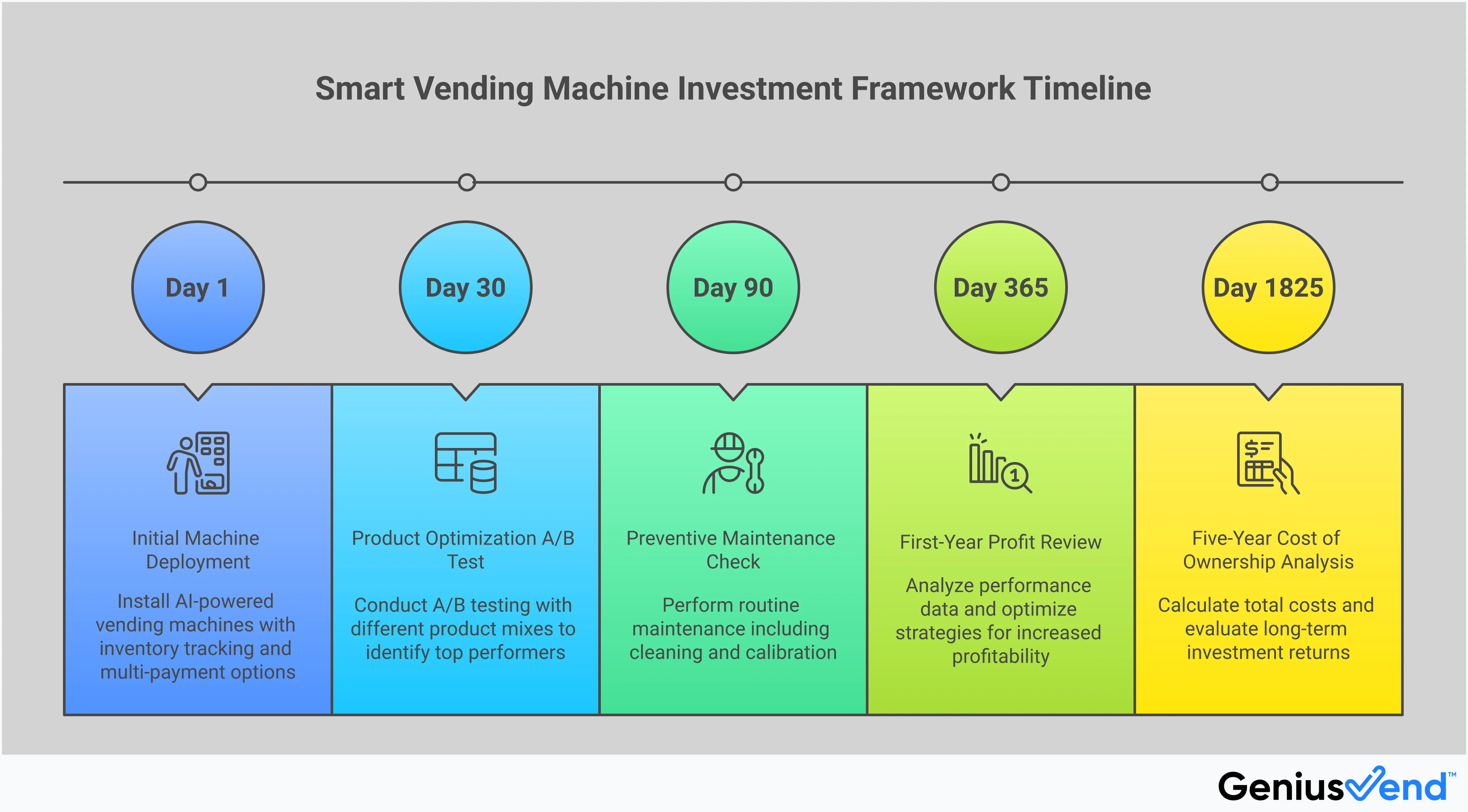
Remote Management & AI Inventory
The days of driving to a machine just to see what’s sold out are over. Modern vending machines offer remote monitoring, allowing you to check inventory levels, sales data, and machine status from your phone or computer. This means fewer wasted trips and perfectly timed restocks. AI-powered systems take this a step further by analyzing sales patterns to predict what will sell best and when. This data-driven approach helps you optimize your product mix, reduce spoilage, and ensure your most popular items are always available, directly impacting your bottom line. It’s about having the right information at your fingertips to make smarter business decisions.
Effortless Payments: Cashless & Contactless
If your machine only takes cash, you’re leaving money on the table. Fewer people carry cash today, so offering a variety of payment options is non-negotiable. Look for machines equipped with readers that accept credit cards, debit cards, and mobile payments like Apple Pay and Google Pay. This convenience is exactly what customers expect. Providing a seamless payment integration not only makes the buying process faster and easier but also captures impulse buys from customers who don’t have cash on hand. It’s a simple feature that makes a huge difference in sales volume and shows your customers you value their time.
Energy Efficiency & Built-to-Last Design
A vending machine is a 24/7 operation, and that can add up on your electricity bill. Newer models are designed with energy-saving features like LED lighting and high-efficiency cooling systems that significantly reduce power consumption. This lowers your ongoing operational costs and is better for the environment. Beyond efficiency, consider the machine's construction. A durable, well-built machine will withstand daily use and require less maintenance over its lifespan, protecting your investment and ensuring it stays in service and earning for you. Look for sturdy materials and a solid warranty.
A Modern, User-Friendly Experience
The overall customer experience can turn a one-time buyer into a regular. A machine that is clean, well-lit, and easy to use is far more appealing. Look for features like large, bright touchscreens and a simple purchasing process. Smart vending machines excel here, offering a "Tap, Grab & Go" experience that is quick and intuitive. This modern approach not only attracts more customers but also builds trust. When the process is effortless and reliable, people are more likely to use your machine again and again. It’s about creating a positive interaction that makes them feel confident in their purchase.
How Much Does a New Vending Machine Cost?
Let's talk numbers. The price of a new vending machine isn't one-size-fits-all. It can range from a few thousand dollars for a basic model to five figures for a machine packed with the latest technology. The final cost depends on what you need—from size and capacity to payment systems and management software. To make sense of it all, it helps to think about the options in tiers. Each level offers different features and benefits, so you can find the right fit for your budget and your business goals.
The Starter Tier: Entry-Level Machines ($2,000-$4,000)
Think of these as the reliable workhorses of the vending world. In this price range, you’ll find brand-new, traditional snack and drink machines. They get the job done with simple, proven technology like coil delivery systems and basic payment acceptors. While they won't have advanced features like remote inventory tracking or a slick touchscreen, they are a solid, budget-friendly way to test a new location or get your first route started without a huge upfront investment. They are perfect for operators who prefer a straightforward, no-frills approach to vending and are comfortable with more hands-on management for stocking and service.
The Smart Upgrade: Mid-Range Options ($4,000-$8,000)
This tier is where modern convenience really starts to shine. Machines in this price range typically come standard with the features today’s customers expect, like cashless and contactless payment readers. You'll also find better build quality, improved energy efficiency, and often some form of remote monitoring. This means you can track sales data from your phone and get alerts for technical issues, saving you time and unnecessary trips. For many serious operators, this is the sweet spot. It’s a strategic investment that balances advanced capabilities with a manageable cost, setting you up for a more profitable vending business.
The Genius Level: Premium AI Machines ($8,000+)
Welcome to the top tier. These machines are more than just dispensers; they're intelligent retail points. This is where you’ll find AI-powered smart coolers and freezers that offer a "Tap, Grab & Go" experience. Instead of being limited by coils, customers can open the door, choose multiple items, and walk away, with AI cameras and sensors automatically charging them for what they took. This technology justifies the higher price tag by creating a frictionless customer experience, reducing service errors, and allowing you to sell a wider variety of products. The advanced remote management also provides real-time inventory data, which means you only restock what’s needed, maximizing efficiency and profit.
Beyond the Sticker Price: Financing & Ownership Costs
The initial purchase price is just one part of the equation. When you're budgeting, remember to account for the total cost of ownership. This includes the cost of inventory to stock your machine, potential location fees, and routine maintenance. However, a higher upfront cost doesn't always mean a more expensive operation. An AI-powered machine might reduce your fuel and labor costs with smarter restocking schedules. If the initial investment feels steep, don't worry. Most suppliers offer equipment financing options that allow you to pay for the machine over time as it generates revenue, making even the most advanced technology accessible for your business.
Who Makes the Best Vending Machines?
When you start shopping for a new machine, you’ll find a mix of long-standing manufacturers and innovative tech companies. The "best" brand really comes down to your business goals, your location, and the experience you want to offer customers. Some operators prefer the familiarity of traditional brands, while others are looking for the most advanced technology to maximize profits and simplify operations. Let's look at how the key players stack up.
Genius Vend: The AI-Powered Choice
Genius Vend is at the forefront of the industry's tech evolution. Instead of just dispensing items, these machines create a smart retail experience. They use AI to understand customer behavior, tracking purchase history and even time of day to suggest products people are most likely to buy. This personalized approach is one of the key ways AI vending machines create a better customer experience, which often leads to more impulse buys and higher sales. For operators, this means a machine that doesn't just sell, but actively works to increase its own profitability through data.
A Look at Traditional Brands
Established brands like Crane, Royal, and Vendo have been the backbone of the vending industry for decades. You can find their new machines through distributors like A&M Equipment Sales, and they’ve certainly kept up with some modern demands. Most new models from these brands come equipped with the essentials, like cashless payment readers, energy-efficient cooling systems, and basic remote inventory tracking. They are reliable workhorses, but they generally lack the deep, data-driven intelligence and seamless "grab-and-go" technology that defines a truly smart vending experience.
What Sets Them Apart: Tech & Features
The biggest difference between an AI-powered machine and a traditional one is the technology's purpose. Traditional machines have added tech as a feature—like a credit card reader or a sensor to ensure a product vends. In contrast, AI machines are built around technology. The entire system, from the payment process to inventory management, is integrated. This allows for a frictionless "Tap, Grab & Go" experience for the customer and gives you, the operator, real-time data on what's selling and when. This level of insight helps you optimize your product selection and reduce waste in a way older systems can't match.
Don't Forget: Warranty & Support
No matter which machine you choose, a solid warranty and reliable customer support are non-negotiable. Most reputable sellers offer at least a one-year parts warranty and provide training to get you started. When you're evaluating a company, look for signs that they stand behind their product. Do they offer lifetime technical help? What's their return policy? Strong customer support is a sign of a trustworthy company, whether you're buying a classic snack machine or a cutting-edge smart cooler. It’s your safety net for keeping your machine running and profitable.
Avoid These Common Vending Machine Buying Mistakes
Buying your first—or your next—vending machine is a huge step for your business. It’s easy to get caught up in the excitement, but a few common missteps can turn a great investment into a major headache. By learning from the mistakes others have made, you can set yourself up for a more profitable and stress-free operation from day one.
Think of this as your guide to sidestepping the most frequent pitfalls. We’ll cover everything from looking past the sticker price to truly understanding what your future customers want. Whether you’re just starting out or expanding your route, avoiding these errors will help you choose a machine that works for you, not against you.
Ignoring the True Cost of Operations
That used machine on a resale site might look like a bargain, but its low price tag can be deceiving. The biggest mistake new operators make is underestimating the real cost of a cheap vending machine. Older models often come with hidden expenses, including frequent breakdowns, hard-to-find replacement parts, and higher energy bills. Every hour your machine is out of order is an hour you’re losing sales. A reliable, modern machine may require a larger initial investment, but it pays for itself with lower maintenance needs, better efficiency, and consistent uptime. Thinking about the total cost of ownership will save you money and frustration in the long run.
Skipping Modern Payment Options
In a world where most people pay with a tap of their card or phone, a cash-only vending machine is a relic. Insisting on coins and bills severely limits your sales potential and alienates a huge portion of your customer base. Today’s consumers expect convenience, and that means offering a variety of cashless payment methods. Equipping your machine with readers for credit cards, debit cards, and mobile wallets like Apple Pay is no longer an upgrade—it’s a basic requirement for success. By meeting customers where they are, you ensure a smooth, quick transaction that encourages impulse buys and repeat business. Don’t let outdated payment tech be the reason you miss out on a sale.
Mismatched Machine, Location, or Products
A vending machine is only as good as the products it sells and the people it serves. Placing a machine full of sugary snacks in a health-conscious gym is a recipe for failure. Similarly, stocking premium, high-priced items in a blue-collar breakroom will likely result in slow sales. Before you buy a single product, get to know the location’s demographics and daily traffic. Are you serving students, office workers, or hospital visitors? Understanding your customers is the key to creating a product mix that flies off the shelves. The right machine with the right products in the right place is the foundation of a profitable vending business.
Forgetting What Today's Customers Want
Vending machines have evolved far beyond simple snack dispensers. They are now seen as valuable workplace amenities that can improve employee satisfaction and offer incredible convenience. Modern customers expect a clean, attractive, and user-friendly experience. An old, clunky machine with a confusing interface or poor lighting can frustrate users and reflect poorly on the business hosting it. Look for machines with bright LED lighting, clear product displays, and an intuitive purchasing process. A sleek design and a seamless transaction show customers that you value their business and are committed to providing a quality experience.
Your Vending Machine Buying Checklist
Ready to make a smart investment? Before you click 'buy,' let's walk through a simple checklist. Taking a few minutes to think through these key areas will help you choose the perfect machine for your goals and set your vending business up for success from day one. It’s all about matching the right technology with the right opportunity.
Know Your Customers and Location
Even the most advanced vending machine won't succeed in the wrong spot. Think about who will be using your machine every day. Is it a gym full of health-conscious members, an office of busy professionals, or a school with hungry students? The products you stock should directly reflect their preferences and budget. A high-end organic snack might not sell in a location where customers are looking for a fifty-cent treat. Understanding your target audience is the first step to stocking a machine that people actually want to buy from.
Measure Your Space and Plan the Setup
This might sound obvious, but you’d be surprised how often it’s overlooked. Before you fall in love with a machine, grab a tape measure. Check the height, width, and depth of your intended location, and don't forget to measure doorways and hallways along the delivery path. You can find the exact dimensions for different smart coolers on our product pages. You’ll also need easy access to a standard electrical outlet. A great machine needs a great spot—one that’s visible, accessible, and has the right physical fit for a smooth installation.
Calculate Your Profit Potential
Now, let's talk numbers. Your potential profit isn't just about the price of your products minus their cost. You need to consider the location's foot traffic, nearby competition, and your pricing strategy. This is where modern technology makes a huge difference. Running a machine without real-time sales data is like driving without a map. With a smart vending machine, you can remotely manage inventory and see what’s selling, allowing you to make data-backed decisions that maximize your earnings and keep customers happy.
Related Articles
- Automated Vending Machines: The 2025 Guide
- Where Can I Buy a Vending Machine? A 2025 Guide
- Smart Vending Machines: The Ultimate Guide
- 7 Best Vending Machines to Buy for High Profits
- How & Where to Buy a Vending Machine in 2025
Frequently Asked Questions
What's the main difference between a smart machine and a traditional one? Think of it this way: a traditional machine is reactive, while a smart machine is proactive. With an older machine, you only know you're out of a popular snack when you physically go to restock it or get a complaint. A smart machine, especially an AI-powered one, gives you a live look at your inventory from your phone. It helps you make data-driven decisions about what to stock and when, so you're always prepared before an item runs out.
Is it better to buy a new machine or a used one? While a used machine might have an attractive initial price, it often comes with hidden costs. You could face more frequent breakdowns, spend time hunting for obsolete parts, and pay more in energy bills. Investing in a new machine with a warranty and modern features gives you reliability and peace of mind. It's an asset that works for you from day one, rather than a potential project that costs you time and lost sales.
How do I know what products will sell best in my location? Traditionally, this involved a lot of trial and error. You'd stock a variety of items and see what sold over a few weeks. The best modern machines take the guesswork out of this process. They provide detailed sales reports that show you which items are popular and even what time of day they sell most. This allows you to fine-tune your product mix based on real customer behavior, not just a hunch.
How does the 'Tap, Grab & Go' system actually work? It's designed to be incredibly simple for the customer. They start by tapping their credit card or phone to unlock the machine's door. Then, they can simply open it, look at all the products, and take whatever they want. Smart sensors and cameras inside the machine identify which items they've picked up. Once they close the door, their card is automatically charged for what they took. It removes the entire process of selecting items on a keypad and waiting for them to dispense.
Do I need to be tech-savvy to operate a smart vending machine? Not at all. These systems are built to be user-friendly for the operator. The management software is typically run through a simple app on your smartphone or a website on your computer. If you're comfortable using everyday apps, you'll have no problem checking your sales data or managing your inventory remotely. The technology is there to make your job easier, not to create a technical hurdle.
