

Buying your first vending machine can feel like a treasure hunt, but without a map, you might end up with a costly mistake. A cheap, used machine from an online listing can quickly turn into a money pit of constant repairs and lost sales. On the other hand, the most expensive, high-tech option isn't always the right fit for every location. The key is to make an informed decision. This guide will help you become a smarter shopper by showing you what to look for, what to avoid, and how to analyze the true cost of ownership. We’ll cover the essential features that drive profit and explore the best places where to buy a vending machine that will be a reliable asset for your business.
Key Takeaways
- Invest in a Better Buying Experience: Modern features like cashless payments and remote monitoring are essential tools, not just upgrades. They make purchasing seamless for your customers and management simpler for you, directly impacting your efficiency and sales.
- Understand the Full Financial Picture: The machine's price tag is just the starting point. A smart investment accounts for ongoing costs like inventory and fees, the long-term value of a new machine with a warranty, and financing options that preserve your cash flow.
- Let Your Location Dictate Your Strategy: The success of your vending business hinges on choosing the right spot. Analyze foot traffic and customer needs before you buy a machine, as this research will guide every decision from product selection to profitability.
Explore Your Vending Machine Options
Before you start shopping, it’s helpful to know what’s out there. The vending world has expanded far beyond the classic coil machines you might remember from your school days. From high-tech smart coolers to machines that dispense everything from laundry soap to fresh salads, your options are pretty vast. Understanding the main categories will help you pinpoint the perfect machine for your business goals and location. Let's break down the main types you'll encounter.
Smart Vending Machines
Think of smart vending machines as the modern evolution of the classic model. These machines are equipped with technology that makes life easier for both you and your customers. Most come standard with cashless and contactless payment options, but their real power lies in connectivity. Smart machines feature remote monitoring systems that let you track sales and inventory from your phone or computer. This means no more wasted trips to restock a machine that’s still full. Many also use AI-driven inventory management to help you optimize your product selection, ensuring you always have the best-sellers on hand. This technology helps you run a more efficient, data-driven, and profitable business.
Traditional Vending Machines
Traditional vending machines are the reliable workhorses of the industry. This category includes the classic glass-front machines that dispense snacks and drinks using a coil or tray system. You’ll typically find them as dedicated snack machines, drink machines, or a combination of both. While they may lack the advanced software of their smart counterparts, they are a straightforward and often more affordable way to get started in the vending business. You can find a wide variety of new and refurbished combo vending machines from factory dealers and even warehouse clubs, making them an accessible choice for entrepreneurs testing the waters.
Specialty Vending Machines
If you can imagine it, there’s probably a vending machine for it. Specialty machines are designed to sell products beyond the typical chips and sodas, allowing you to cater to niche markets. You can find machines that dispense anything from hot coffee and fresh pizza to personal protective equipment (PPE) and electronics. Some companies even offer pre-configured machines stocked for specific locations, like laundry products for apartment buildings or carwash supplies for, well, a car wash. Choosing a specialty machine can be a brilliant way to stand out from the competition and meet a specific customer need that’s currently being overlooked.
Where to Buy New Vending Machines
Once you’ve decided a new machine is the right fit for your business, the next question is where to find it. The right supplier can make all the difference, offering not just the machine itself but also the support you need to succeed. From direct-from-the-factory models to convenient online superstores, let’s walk through the most common places to buy a new vending machine.
From the Manufacturer
Going straight to the source is often the smartest move, especially if you’re looking for the latest technology. When you buy directly from a manufacturer like Genius Vend, you get access to their full lineup, including innovative options like AI-powered smart coolers. This route ensures you receive a brand-new machine with a full factory warranty and dedicated customer support. Manufacturers can also provide in-depth training and setup assistance, which is a huge help for first-time operators. The peace of mind and direct line for support can be invaluable for your business long-term.
Online Marketplaces
Online marketplaces are the superstores of the vending world. Websites like Vending.com bring together machines from various sellers, making it easy to compare different brands, models, and prices all in one place. You can often find pre-configured machines that are ready to ship, which simplifies the buying process. However, it’s important to do your homework. Since you’re not buying direct, carefully read seller reviews and double-check the details on warranties and shipping policies. A great deal isn't so great if it comes with a poor warranty, so be sure to vet the seller before you commit.
Local Distributors
If you’re the type of person who likes to see things in person before buying, a local distributor is your best bet. Visiting a showroom allows you to inspect the machines, ask questions, and get a feel for the build quality. Building a relationship with a local supplier can also pay off down the road, as they can be a great resource for parts, service, and even advice on profitable locations. The selection might be more limited than what you’d find online, but the hands-on experience and potential for local support can make it a worthwhile trade-off. A quick search for “vending machine distributors near me” should give you a few places to start.
Warehouse Clubs
For business owners looking for a simple, straightforward solution, warehouse clubs like Sam's Club can be a good starting point. They typically stock standard snack, soda, and combo machines that are perfect for an office breakroom or a first location. The pricing is usually competitive and transparent, and you can often pick one up during a regular shopping trip. The downside is a limited selection—you won’t find specialized or smart vending machines here. Additionally, the post-purchase support might not be as comprehensive as what you’d get from a dedicated vending machine manufacturer.
How to Find a Quality Used Vending Machine
Buying a used vending machine can be a smart way to lower your startup costs, but it requires a bit of detective work. You’re looking for a reliable machine that won’t turn into a money pit of constant repairs. The key is knowing where to look and what to look for. From online listings to local sellers, there are plenty of places to find a pre-owned machine that fits your budget and business goals. Think of it as a treasure hunt—with the right map, you can find a real gem.
Online Marketplaces
The internet is your biggest resource for finding used machines. Websites like Vending.com and Vendtek specialize in new and used equipment, offering a wide selection you can browse from your couch. Many of these platforms make it easy to compare models, and some even offer pre-configured machines with popular product choices already set up. If you’re new to the industry, look for sellers who have experts you can call for advice and a price quote. They can often help you get financing as well, which simplifies the buying process. Just be sure to factor in shipping costs, as they can add a significant amount to the final price.
Local Sellers
Don’t underestimate the power of a local search. Checking platforms like Facebook Marketplace, Craigslist, or even warehouse clubs can uncover great deals right in your neighborhood. Places like Sam's Club sometimes sell drink, snack, or combo machines that are perfect for various locations. The biggest advantage of buying locally is the ability to inspect the machine in person before you hand over any money. You can check for physical damage, test the payment systems, and see how it runs. This hands-on approach can save you from a lot of potential headaches down the road.
Industry Forums
Vending industry forums and online communities are goldmines of information. While you might find for-sale listings, their real value lies in the shared knowledge of experienced operators. People in these groups are often happy to share tips, recommend reliable models, and warn you about common pitfalls. Before you even start looking for a machine, spending time in these forums can help you conduct thorough market research. Learning from others' experiences and getting customer feedback on different machine types is invaluable for making a smart purchase and improving your business strategy.
Auctions and Liquidations
If you’re comfortable with a bit more risk, auctions and business liquidation sales can be a fantastic place to find a bargain. This is where you’ll often find machines from businesses that are closing or upgrading their equipment. However, these machines are usually sold "as-is," so it's crucial to do your homework. A machine's resale value depends heavily on its age, condition, and brand reputation. Well-known brands tend to hold their value better because of their proven reliability. Before you bid, try to inspect the machine if possible and set a firm budget to avoid getting caught up in the excitement.
What to Look For in a Vending Machine
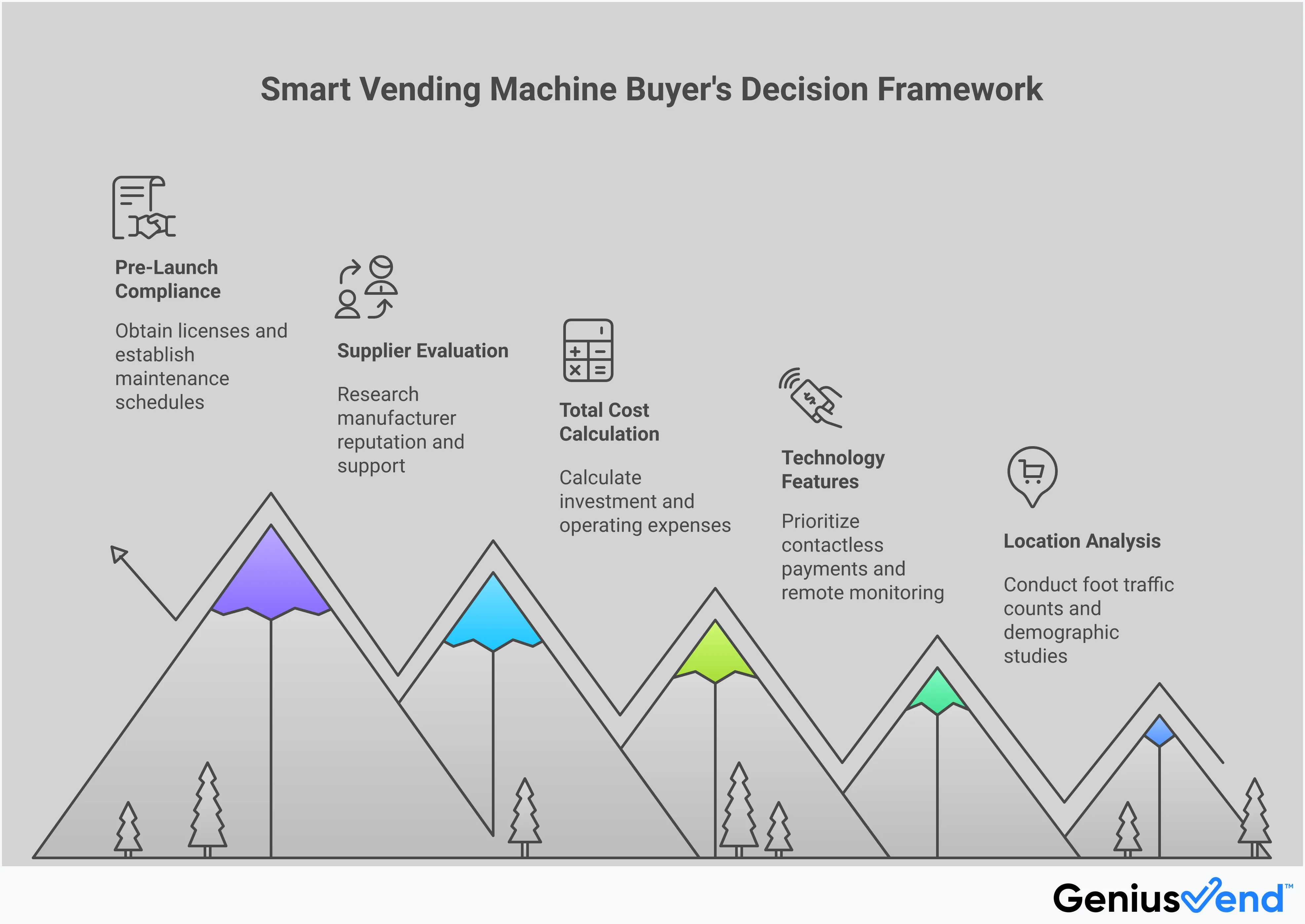
Choosing the right vending machine is about more than just price and size. The features you select will directly impact your daily operations, customer satisfaction, and ultimately, your profits. A machine that looks great but is a pain to use—for you or your customers—won't do you any favors. Think of your machine as your silent salesperson; it needs to be efficient, reliable, and easy for people to interact with. As you compare your options, focus on the technology that simplifies the buying process for customers and makes management easier for you. A little extra investment in the right features upfront can save you countless hours and headaches down the road, helping you build a more profitable and scalable business.
Must-Have Features
A great vending machine starts with a great user experience. Look for a machine with a simple, intuitive design that makes it easy for customers to see what’s available and make a purchase quickly. The best modern machines offer a flexible product range, allowing you to sell everything from traditional snacks and drinks to fresh food, salads, or even non-food items. This versatility lets you cater to your specific location and customer base. Most importantly, you need a reliable inventory management system that tracks sales in real-time. This data is crucial for knowing what to restock and when, preventing lost sales from empty slots.
Modern Payment Systems
If your machine only takes cash, you’re leaving money on the table. We live in a world where fewer people carry bills and coins, so offering flexible payment options is essential. Your machine absolutely must accept credit and debit cards. Even better, look for one that supports contactless and mobile payments like Apple Pay and Google Pay. This convenience not only meets customer expectations but can also encourage impulse buys. A quick tap of a card or phone is much easier than searching for exact change, leading to more transactions and higher revenue for your business. Don't let an outdated payment system become a barrier between a hungry customer and a sale.
Remote Management Capabilities
One of the most powerful tools for a vending operator is the ability to monitor your machines from anywhere. Remote management technology allows you to check inventory levels, see sales data, and receive alerts for any technical issues right from your phone or computer. This means you can stop wasting time and gas on unnecessary trips to check on a machine. Instead, you can plan your restocking routes with precision, only visiting machines that actually need service. This proactive approach keeps your machines stocked with popular items, reduces downtime, and gives you a clear, data-driven picture of your business performance.
Energy Efficiency
An often-overlooked feature that directly impacts your bottom line is energy efficiency. A vending machine runs 24/7, and the electricity costs can add up quickly, especially if you have multiple machines. Look for models with features like LED lighting, high-quality insulation, and energy-saving modes. An ENERGY STAR certified machine, for example, is designed to use less power without compromising performance. Choosing an energy-efficient model not only lowers your monthly operating costs but also reduces your environmental footprint, which is a win-win for your business and the planet.
What's the True Cost of a Vending Machine?
The sticker price on a vending machine is just one piece of the puzzle. To truly understand the investment and set your business up for success, you need to look at the complete financial picture. This includes the initial purchase, the day-to-day expenses of running the machine, and even the long-term value of your equipment. Thinking through these costs ahead of time helps you create a realistic budget and a solid business plan. It’s the difference between simply buying a machine and building a profitable, sustainable vending operation. Let's break down what you can expect to spend, from the moment you buy your machine to your daily operations.
Upfront Purchase Price
The initial cost of a vending machine can vary quite a bit. Generally, you can expect to pay anywhere from $3,500 for a basic model to $7,500 or more for a machine with advanced features. The price depends on factors like size, type (snack, drink, or combo), and technology. For example, a machine with a simple coin and bill acceptor will cost less than a smart machine equipped with AI-powered purchasing and cashless payment systems. While the initial investment for a smarter machine is higher, its modern features can lead to more sales and a better customer experience, paying off in the long run.
Ongoing Operating Costs
Your spending doesn't stop after you buy the machine. To run a profitable business, you have to keep a close eye on your ongoing operating costs. The most obvious expense is your inventory—the snacks and drinks you stock. You’ll also need to budget for gas and vehicle maintenance for servicing your route, credit card transaction fees for cashless payments, and potential location commissions. Some systems also require software subscription fees for remote management. Tracking your sales performance and expenses is essential; without it, you’re just guessing at your profitability.
New vs. Used: A Cost Comparison
Deciding between a new and used machine is a classic cost-benefit analysis. A used machine will have a lower upfront price, which can be tempting for new operators. However, it might come with outdated payment systems, higher energy consumption, and a greater risk of breaking down—with no warranty to cover repairs. A new machine is a larger initial investment, but it comes with reliability, modern technology, and a manufacturer's warranty. Plus, premium, well-known brands tend to have a much better resale value, making a new machine a more secure long-term asset for your business.
Your Financing Options
You don't necessarily need thousands of dollars in cash to get started. Many manufacturers and distributors offer excellent equipment financing options that make buying a new machine much more accessible. It’s common to find plans that cover 100% of the equipment cost, sometimes with 0% interest for a promotional period. These programs allow you to get a top-of-the-line machine for a manageable monthly or even daily payment. Financing helps you preserve your cash for other startup costs, like initial inventory and business licenses, while still investing in reliable equipment that will generate revenue from day one.
The Importance of a Good Warranty
A warranty is your safety net. When you’re investing thousands of dollars into a piece of equipment, you want assurance that you’re protected if something goes wrong. Most new and professionally refurbished machines come with a parts warranty, often for one or two years, that covers manufacturing defects. This protection can save you from hundreds or even thousands of dollars in unexpected repair costs. A used machine bought from a private seller typically comes "as-is," meaning you're on the hook for any and all repairs. Before you finalize a purchase, always read the warranty terms carefully to understand what’s covered and for how long.
Your Pre-Purchase Checklist
Before you swipe your card on a new vending machine, it’s smart to run through a final checklist. Think of this as your last line of defense against common headaches and costly surprises. Taking a few hours to confirm these details will set you up for a much smoother launch and a more profitable business down the road. From measuring your space to planning the delivery, these are the essential steps every operator should take.
Analyze Your Location
Even the most advanced machine will fail in the wrong spot. Your location’s success hinges on foot traffic and the specific needs of the people there. Is it a busy office building full of health-conscious professionals, a college dorm where late-night snacks are a must, or a factory with workers looking for a hearty lunch? Spend time observing the flow of people. A great location has a steady stream of potential customers throughout the day. Understanding your audience will not only confirm if the spot is viable but will also give you a clear idea of what products you should stock to keep them coming back.
Check Space and Power Needs
This may seem obvious, but you’d be surprised how often it’s overlooked. Get out a tape measure and confirm the exact dimensions of the space where the machine will live. Remember to account for clearance—you’ll need room for the door to swing open, for you to restock comfortably, and for proper ventilation around the unit to prevent overheating. Next, check the power source. Does the location have a dedicated, grounded outlet nearby? Smart vending machines often require a standard outlet but confirming the electrical requirements beforehand prevents any last-minute scrambling or the need for an electrician.
Research Local Regulations
The last thing you want is to have your new business shut down over a paperwork issue. Vending regulations can vary significantly depending on your city and state. You’ll likely need a business license and a sales tax permit to operate legally. If you plan to sell fresh food, you may also need to comply with local health department codes. A great first step is to contact your local chamber of commerce or visit the U.S. Small Business Administration website. They can point you toward the specific requirements in your area, ensuring your business is compliant from day one.
Confirm Tech Support is Available
When your machine goes down, every minute of downtime is a minute you’re not making money. That’s why reliable technical support is non-negotiable. Before you buy, ask the seller about their support policy. Is help available during your operating hours? Do they offer phone support with a real person? What, exactly, does the warranty cover? Companies that sell new equipment often provide robust, lifetime technical support, which can be a lifesaver. This is a major advantage over buying a used machine from a third-party seller, where you’re often left on your own if something goes wrong.
Plan Your Installation
Getting a several-hundred-pound machine from the truck to its final destination requires a solid plan. First, map out the delivery path. Are there any obstacles like stairs, tight corners, or narrow doorways? Communicate these details to the delivery company. Ask if they offer "white glove" service, which means they’ll bring the machine inside and place it for you, versus "curbside delivery," where they leave it on the sidewalk. You’ll also want to coordinate with the property manager to schedule a convenient delivery time. A little bit of logistical planning ensures your new machine arrives and gets set up without a hitch.
Common (and Costly) Buying Mistakes to Avoid
Buying your first—or next—vending machine is an exciting step. It’s easy to get caught up in the possibilities and rush through the decision-making process. But moving too quickly can lead to some expensive missteps that can eat into your profits for years to come. I’ve seen many new operators stumble by focusing only on the machine itself, without considering the bigger picture of where it will go, who will use it, and how it will be managed.
The truth is, even the world’s smartest vending machine won’t be profitable if it’s in the wrong place or constantly breaking down. A little extra planning on the front end will save you major headaches and financial strain down the road. Think of it as building a strong foundation for your business. By learning to spot these common traps, you can make a smarter investment and set your vending route up for success from day one. Let’s walk through the biggest mistakes I see people make and, more importantly, how you can steer clear of them.
Picking the Wrong Spot
You can have the best machine stocked with the most popular products, but if it’s tucked away in a location with no foot traffic, it will never make money. Location is everything. Many aspiring operators get so focused on securing a location that they forget to qualify if it’s the right location. Before you even think about buying a machine, you need to have a specific, high-potential spot in mind.
Analyze the daily traffic, the demographics of the people there, and their specific needs. An office breakroom has different demands than a college dorm or a hotel lobby. Choosing the right location is the single most important factor for success, so don’t treat it as an afterthought.
Forgetting About Hidden Costs
The price tag on a vending machine is just the starting point. It’s crucial to budget for the total cost of ownership, not just the upfront purchase price. New operators are often surprised by the additional expenses that pop up, like shipping and delivery fees, installation costs, sales tax, and the initial price of stocking the machine with inventory.
Then there are the ongoing costs: credit card transaction fees, software subscriptions for remote management, and potential repairs. A cheap, used machine might seem like a bargain, but it could end up costing you more in the long run if it needs constant maintenance. Always factor these hidden business costs into your budget to get a realistic picture of your investment.
Underestimating Key Features
It’s easy to assume that as long as a machine dispenses products, it’s good to go. But in reality, the features of the machine itself have a huge impact on both your sales and your workload. Many new owners focus entirely on what’s inside and forget how the machine appears and functions for customers. A machine that only takes cash, for example, will miss out on countless sales.
Modern features like cashless payment systems, guaranteed vends, and a bright, clean appearance make a huge difference. For you, the operator, remote management capabilities are a game-changer, allowing you to track sales and inventory from your phone instead of driving to each location. Don’t underestimate how these features contribute to a better customer experience and a more efficient business.
Skipping Market Research
Placing a machine in a busy location is a great start, but what are you going to put in it? Guessing what people want to buy is a recipe for wasted inventory and disappointing sales. Before you buy a machine or sign a location agreement, you need to do your homework. This means understanding the specific preferences of the customers at that location.
Thorough market research helps you understand local demand and what your competition is (or isn’t) offering. Talk to the location manager or survey potential customers. Are they looking for healthy snacks, energy drinks, or fresh food options? Knowing this information allows you to stock your machine with products that are guaranteed to sell, maximizing your revenue from the very beginning.
Having No Maintenance Plan
A vending machine is not a passive, “set it and forget it” investment. It’s a piece of equipment that requires regular attention to keep it running smoothly and looking appealing to customers. Overlooking routine maintenance is a costly error. A dirty, poorly lit, or out-of-stock machine will quickly be ignored, and a malfunctioning one can kill your reputation at a location.
Before you buy, make sure you have a plan for regular cleaning, restocking, and technical upkeep. Check the terms of the warranty and find out what kind of tech support is available from the seller. Having a clear vending machine maintenance plan in place ensures your machine remains a reliable source of income, not a constant source of problems.
Related Articles
- Where Can I Buy a Vending Machine? A 2025 Guide
- How to Buy a Vending Machine: A 7-Step Guide
- Vending Machine for Sale: A Buyer's Guide for 2025
- How to Buy a Vending Machine: A Starter Guide
- How to Buy Vending Machines: A Beginner's Guide
Frequently Asked Questions
Should I start with a new or used vending machine? A used machine can seem like a great deal because of the lower initial price, but it often comes with hidden risks like outdated payment systems and no warranty. A new machine is a larger upfront investment, but you're paying for reliability, modern technology, and the peace of mind that comes with a factory warranty and customer support. Think of it as choosing between a lower startup cost and a more secure long-term asset for your business.
Are smart features like remote monitoring really worth the extra cost? Yes, because they save you your most valuable resource: time. Remote management technology lets you see sales and inventory levels from your phone, so you can stop wasting time and gas driving to check on machines that are fully stocked. This allows you to plan efficient restocking routes and ensures you always have your best-sellers on hand, which directly translates to more sales and a healthier bottom line.
What's more important: the machine I buy or the location I put it in? Hands down, the location. You could have the most incredible, high-tech machine on the market, but if it’s in a spot with no foot traffic, it will never be profitable. A great location with a steady stream of customers is the true foundation of a successful vending business. Always focus on securing a high-potential spot before you decide on the specific machine to place there.
What happens if my machine breaks down? This is where your pre-purchase research really pays off. If you buy a new machine from a manufacturer, it will come with a warranty that covers parts and access to a technical support team who can walk you through fixes. This can save you from major unexpected expenses. If you buy a used machine from a private seller, it's typically sold "as-is," meaning you are responsible for finding a repair person and covering the full cost of any issues that arise.
Besides the machine itself, what are the biggest costs I should budget for? The initial purchase is just one piece of the financial puzzle. Your largest ongoing expense will be the inventory—the products you sell. You also need to plan for credit card transaction fees for every cashless sale, gas for servicing your route, and any potential sales commission you agree to pay the property owner. Budgeting for these operating costs from the start gives you a realistic picture of your business's profitability.