

The vending industry has changed more in the last few years than it has in the last few decades. Gone are the days of coin-only machines that required you to guess when they needed a refill. Today, technology is the name of the game. When you start looking at vending machines for sell, you'll see a clear divide between traditional models and modern, AI-powered units that offer a seamless "Tap, Grab & Go" experience. Choosing the right technology isn't just about having cool features; it's about running a smarter, more profitable business. This article breaks down the different types of machines to help you decide which one will give you the competitive edge you need.
Key Takeaways
- Invest in smart features to work smarter, not harder: Modern capabilities like remote inventory tracking and cashless payments are essential. They save you from unnecessary trips and ensure you never miss a sale, directly impacting your bottom line.
- Your machine is only as good as its location: Finding the right spot is half the battle. Focus on high-traffic areas with a captive audience, like offices or apartment complexes, and always get your agreement in writing to protect your business.
- Look beyond the sticker price to the total cost of ownership: Your initial investment includes more than just the machine. Factor in ongoing costs like inventory and potential repairs, and recognize how a reliable new machine with a warranty can offer better long-term value than a cheaper used one.
What Kind of Vending Machine Should You Buy?
Choosing your first vending machine is a huge step, and with so many options out there, it’s easy to feel a little lost. The machine you pick will be the foundation of your business, so it’s worth taking the time to understand the landscape. The main players fall into a few key categories: traditional coil machines, specialty machines for niche products, and modern smart machines powered by advanced technology.
The right choice for you really comes down to your business goals. Are you looking for a hands-off operation you can manage from your phone? Do you want to sell unique, high-margin products? Or are you starting with a tight budget and looking for a simple, entry-level option? Each type of machine comes with its own set of benefits and challenges. Thinking through what you want to sell, where you want to place your machine, and how you want to run your day-to-day operations will help you zero in on the perfect fit for your new venture.
Smart Vending Machines
Think of smart vending machines as the modern workhorse of the industry. These aren't your parents' clunky snack dispensers. With features like real-time sales tracking, cashless payments, and remote inventory management, AI-powered smart vending machines transform a simple snack stop into a streamlined retail experience. You can see what’s selling and what’s not from an app on your phone, which means no more wasted trips to restock unpopular items. This technology gives you the data you need to optimize your product selection, adjust pricing on the fly, and keep your customers happy with a fully stocked, functional machine.
Traditional Vending Machines
When you picture a vending machine, you’re probably thinking of a traditional model with spiral coils that drop a product after you pay. These machines are the old-school standard and can often be found secondhand for a lower upfront cost. However, they come with significant drawbacks. Running a business with them can feel like you're "trying to navigate an unfamiliar city without any directions," because you have no way to monitor sales performance remotely. You have to physically visit the machine to know what’s sold, which makes inventory management a guessing game and can lead to lost sales from empty slots.
Specialty Vending Machines
Ready to think outside the snack box? Specialty vending machines sell everything from hot coffee and fresh pizza to electronics and beauty products. These machines can be incredibly profitable because they offer unique items that command higher prices. As one industry expert notes, "The best way to reach $100,000 with fewer machines is to choose high-profit machines and put them in busy places." This path requires more research into your target market and product sourcing, but the payoff can be huge. If you find an untapped niche in a high-traffic location, a specialty machine could be your golden ticket.
The Rise of AI Technology
The latest evolution in vending is the introduction of artificial intelligence. AI-powered machines take all the benefits of smart vending and add another layer of intelligence and convenience. For example, Genius Vend’s AI delivers ~99% accuracy on purchases, creating a seamless "Tap, Grab & Go" experience for customers. They simply tap their card, open the door, take what they want, and walk away. The AI identifies the products and charges them correctly. This advanced technology makes the buying process incredibly simple for customers and provides operators with powerful, reliable data to run their business efficiently.
The Real Cost of a Vending Machine
When you're thinking about buying a vending machine, the sticker price is just the first number to consider. To build a truly profitable business, you need to look at the complete financial picture, from the initial purchase to the day-to-day costs of running it. Understanding these numbers upfront will help you set realistic goals and create a solid plan for success. Let's break down what you can expect to invest.
New vs. Used Machine Prices
The initial cost of a vending machine can vary quite a bit. For a brand-new, standard snack machine, you can expect to pay anywhere from about $1,500 to $2,500. More advanced models, like smart coolers or machines with specialized features, will naturally have a higher price tag. While you can find used snack vending machines for less, it's important to weigh the lower upfront cost against potential maintenance issues down the road. Think of this initial purchase as the foundation of your business—it’s worth investing in something reliable that will serve you and your customers well for years to come.
Factor in Operating Expenses
Once your machine is in place, you’ll have ongoing costs to keep it running smoothly. The most obvious expense is your inventory—the snacks, drinks, or other products you’ll be selling. You'll also need to budget for regular maintenance and the occasional repair to keep your machine in top shape. Some locations may require a commission or a flat fee for placing your machine on their property, so be sure to clarify that in your location agreement. While electricity costs are typically minimal, they are still a part of your operational budget. Factoring these expenses into your plan is essential for accurately calculating your monthly profit and setting your prices correctly.
Watch Out for Hidden Costs
One of the most significant—and often overlooked—costs in the vending business is lost revenue from poor inventory management. Operating a machine without tracking what sells is like driving in a new city without a map; you’re bound to make some wrong turns. If you don't know which items are popular and which are just taking up space, you'll end up with expired products and miss out on sales. Many common beginner mistakes can be traced back to a lack of data. This is where smart machines truly shine, offering real-time sales insights so you can stock exactly what your customers want and maximize every sale.
How to Finance Your Purchase
Feeling a little sticker shock? Don't worry. You don't necessarily need thousands of dollars in cash to get started. Many vending machine suppliers understand that the initial investment can be a hurdle, so they offer financing options to make it more manageable. You can often find payment plans that allow you to pay for your machine over time, sometimes for less than $150 per month. This approach allows you to get your business up and running and start generating revenue right away. Exploring financing can make even the most advanced and affordable vending machines accessible, turning your entrepreneurial dream into a reality without draining your savings.
Key Features to Look For in a Vending Machine
Choosing a vending machine isn't just about picking a box that dispenses snacks. The right machine is a powerful business tool, and its features can directly impact your daily operations, customer satisfaction, and, most importantly, your profits. As technology has evolved, so have vending machines. Gone are the days of coin-only, frequently malfunctioning units that required you to guess when they needed a refill. Today’s market is filled with options, from basic refurbished models to high-tech smart machines that practically run themselves.
When you're ready to invest, you need to look beyond the price tag and consider the features that will save you time, reduce headaches, and help you sell more. Think of it as hiring your most reliable employee—one that works 24/7 without complaint. A machine with modern payment systems can capture sales that would otherwise be lost, while remote management tools can turn hours of guesswork into a few minutes of planning. These aren't just bells and whistles; they are strategic advantages that separate a struggling route from a thriving one. Let's walk through the essential features you should have on your checklist.
Modern Payment Options
In a world where most people tap their phone or card to pay for everything, a cash-only vending machine feels ancient. To maximize sales, you need to make buying as easy as possible for your customers. That means offering modern, cashless payment options. Look for machines equipped with credit and debit card readers, as well as NFC technology for mobile payments like Apple Pay and Google Pay. The easier it is for a customer to make an impulse purchase, the more likely they are to do it. AI-powered smart vending machines are setting the standard by transforming a simple snack stop into a seamless retail experience, and flexible payments are a huge part of that.
The Right Size and Capacity
One size does not fit all when it comes to vending machines. The ideal machine for your chosen location depends on two key factors: foot traffic and product variety. A high-traffic area like a busy office lobby or a university common area will require a machine with a large capacity to avoid constant sellouts and lost revenue. A smaller location might only need a compact unit. Consider the physical space available, ensuring the machine is accessible and doesn't obstruct pathways. The goal is to match the machine’s capacity to the location’s demand to minimize restocking trips while keeping popular items available for your specific audience.
Remote Management Capabilities
This is a game-changer for vending operators. Remote management capabilities allow you to monitor your entire business from your phone or computer. Imagine knowing exactly which items are sold out, tracking sales in real-time, and analyzing performance data without ever leaving your home. This technology saves an incredible amount of time and fuel by eliminating unnecessary trips to check on a machine's status. With real-time inventory management, you can create efficient restocking routes and make data-driven decisions about which products are most popular, ensuring your machines are always stocked with what customers want.
Security and Anti-Theft Features
A vending machine is an asset filled with cash and inventory, making it a potential target for theft and vandalism. Prioritize machines built with durable materials, high-quality locks, and shatterproof glass. Beyond the machine itself, it's crucial to secure the best locations by choosing well-lit, visible spots, preferably with security cameras nearby. Modern smart coolers offer an added layer of security; because customers tap a payment method to unlock the door, their purchase is tied directly to their account, which naturally deters theft and gives you peace of mind.
Energy-Efficient Models
Your vending machine will be running 24/7, and electricity will be one of your consistent operating costs. An energy-efficient model can significantly reduce your monthly utility bills, adding more to your bottom line over the machine's lifespan. Look for features like LED lighting instead of fluorescent bulbs and modern, energy-saving cooling systems. Some machines even have programmable settings to enter a low-power mode during off-peak hours, like overnight in an office building. Choosing an eco-friendly machine isn't just good for your wallet; it's also a great selling point for environmentally conscious locations.
Maintenance and Upkeep
Downtime equals lost income, so reliability is key. Choose a machine from a reputable manufacturer known for quality and durability. Check what kind of warranty and customer support they offer. Even the best machines need occasional maintenance, so you want to know that help is available when you need it. Smart machines often come with self-diagnostic features that can alert you to potential issues before they become major problems. Running a business without monitoring your machines’ sales performance and operational health is a recipe for failure, so pick a machine that makes it easy to stay on top of upkeep.
New vs. Used: Which Should You Buy?
Deciding between a new or used vending machine is one of the first major choices you'll make. The lower price of a used machine can be tempting, but it's important to weigh the immediate savings against the long-term value. Let's break down the key factors to help you decide which path is right for your business.
The Pros of Buying New
Buying a new vending machine is an investment in reliability and modern technology. New machines come straight from the factory with the latest features, like touchscreens, remote management, and guaranteed performance. You get the peace of mind that comes with a full manufacturer's warranty, protecting you from costly, unexpected repairs. While the initial price is higher, many manufacturers offer attractive equipment financing options that can break the cost down into manageable monthly payments, making it easier to get started with the best gear.
The Perks of Buying Used
The most significant advantage of buying a used machine is the lower upfront cost. You can often find refurbished snack or drink machines for a fraction of the price of a new one, sometimes in the $1,500 to $2,500 range. This can be a great way to launch your business on a tight budget or expand your route without a major capital expense. However, this route comes with trade-offs. Used machines may have outdated payment systems, require more maintenance, and are typically sold "as-is" from resellers like A&M Equipment Sales, meaning you’re on the hook for any repairs.
Don't Forget the Warranty
A warranty is your business's safety net. With a new machine, you get coverage that typically includes parts, labor, and technical support for a set period—some manufacturers even offer a two-year warranty. This protection is invaluable, as a single major component failure on an older machine could cost you hundreds or even thousands of dollars, wiping out your initial savings. When you buy used, you're taking a gamble. If the machine breaks down a week after you install it, that repair bill is entirely your responsibility.
Assessing Long-Term Value
Ultimately, your decision should come down to long-term value and potential return on investment. A cheap machine that constantly breaks down or can't accept modern payments isn't a bargain—it's a liability. A new, reliable machine with smart features will have more uptime and attract more customers, leading to higher and more consistent profits. While a traditional machine might make a few hundred dollars in profit each month, a high-performing machine is the key to scaling your business and reaching your income goals faster.
How to Find the Perfect Vending Location
A state-of-the-art vending machine is a fantastic asset, but its success hinges almost entirely on where you put it. Think of it like retail: location is everything. The most well-stocked, high-tech machine won't turn a profit if it's tucked away in a forgotten corner. Finding the perfect spot is a mix of research, observation, and a little bit of salesmanship. It’s about identifying places where people are looking for a quick, convenient snack, drink, or meal, and making your machine the most obvious solution.
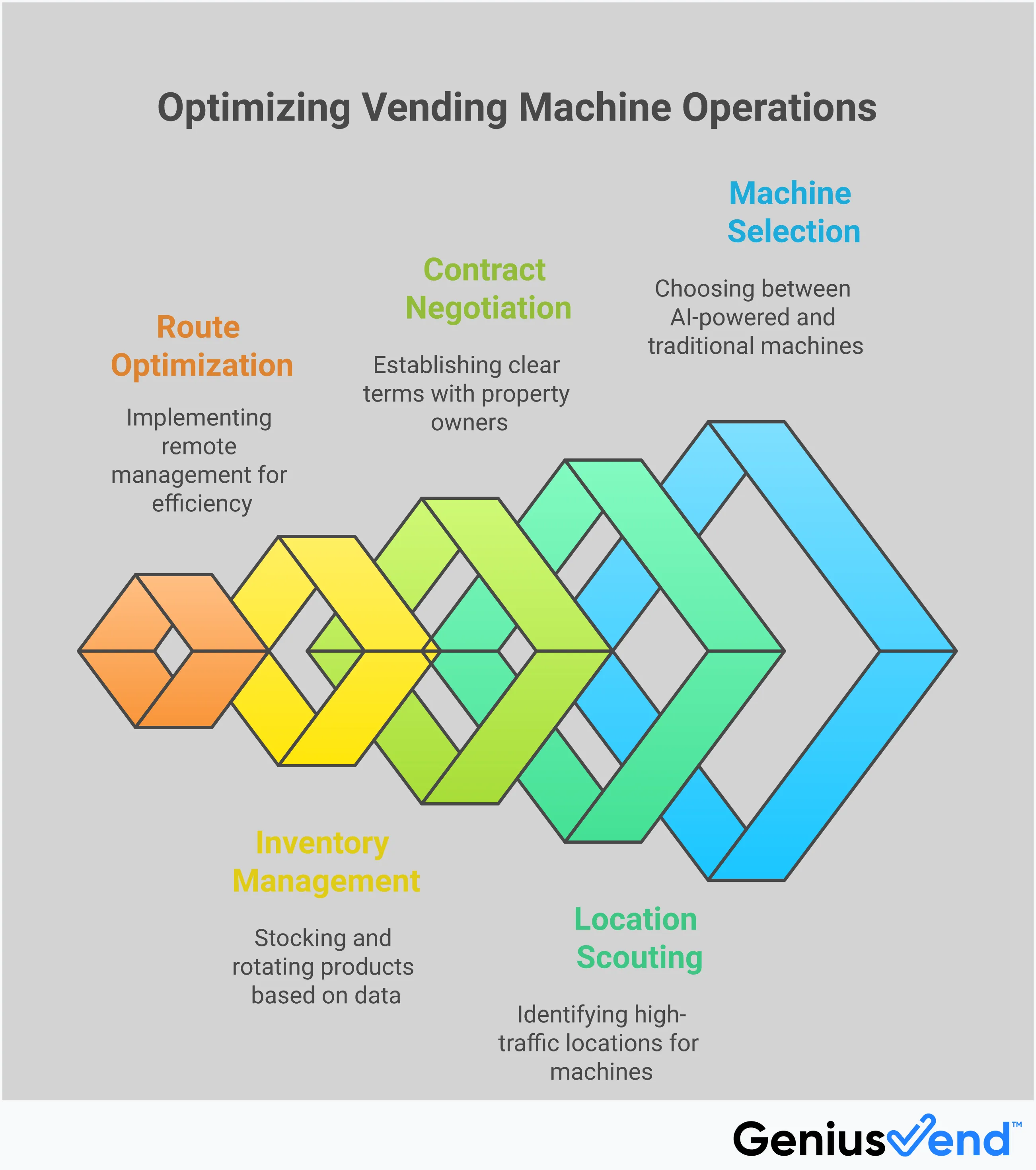
The process isn't complicated, but it does require a plan. You'll want to start by brainstorming and scouting for areas with lots of foot traffic. Once you have a few promising spots in mind, you'll need to check the practical details, like whether there's enough space and a power source. From there, it's about understanding the rules and getting the right permissions from property owners. Finally, you'll seal the deal with a clear, fair contract that protects both you and the location. Following these steps will help you find a profitable home for your machine and build a strong foundation for your vending business.
Scout for High-Traffic Spots
Your first mission is to become a location scout. The best spots are what you’d call "high traffic, high convenience." Think about places where people gather or pass through regularly and might need a quick bite. Offices, manufacturing plants, and hospitals are classic examples because they have a built-in "captive audience" of employees and visitors. Other fantastic options include apartment complexes, college dorms, gyms, and laundromats. Make a list of potential locations in your area and spend some time just observing. Watch the flow of people. Are they in a hurry? Do they seem like they'd appreciate a grab-and-go option? Finding profitable vending machine locations is about matching your machine to people's daily routines.
Check Space and Power Needs
Once you’ve identified a promising location, it’s time to get practical. Before you even start talking to a manager, pull out a tape measure. Make sure there's enough physical space for the machine, plus a little extra room around it for ventilation and servicing. Next, look for a standard, three-prong electrical outlet nearby. Running extension cords is often against safety codes and looks unprofessional. You also want to consider security. The ideal spot is well-lit and in a visible area with regular human presence, which naturally deters theft or vandalism. A location with security cameras is even better, giving you extra peace of mind.
Know the Legal Rules
You can’t just drop a vending machine anywhere you please—you need permission. This means you'll need to approach the property owner or business manager to pitch your vending service. Be prepared to explain the benefits for them, like providing a convenient amenity for their employees or customers. It's also important to ask if they have an existing vending contract. Many larger locations already have exclusive agreements with other providers. Beyond getting permission from the property owner, you should also do a quick check on your local business requirements. Some cities or counties require special permits or licenses for vending operations, so a call to your local clerk's office is a smart move.
Nail Your Location Contract
A verbal agreement isn't enough; you need everything in writing. A vending machine location contract protects both you and the property owner by clearly defining the terms of your arrangement. This document doesn't have to be overly complex, but it should cover the essentials. Specify the commission rate, which is the percentage of sales you'll pay the location owner for hosting your machine. Also, outline the length of the agreement and the conditions for renewal or termination. A good vending location agreement will also clarify responsibilities, such as who pays for the electricity and who to contact for service issues. A solid contract prevents future misunderstandings and builds a professional relationship.
Where to Buy Your Vending Machine
Once you know what kind of vending machine you want, the next big question is where to find it. The good news is you have plenty of options, from brand-new, cutting-edge models to reliable, budget-friendly used machines. Your best path depends on your business goals, your budget, and the features you need. For example, if you’re set on offering a modern, cashless experience, you’ll likely look in different places than someone starting a route with a few refurbished snack machines.
Think of this as a shopping trip. You can go straight to the brand's flagship store, browse a large department store with multiple brands, or hunt for a deal at a consignment shop. Each has its pros and cons. Exploring all your options will help you find the right machine at the right price, setting your vending business up for success from day one. Let’s break down the most common places to buy a vending machine so you can decide which route is right for you.
Go Direct with Manufacturers
Going straight to the source is often the best way to get exactly what you want. When you buy directly from a manufacturer, you’re getting a brand-new machine with the latest technology, a full warranty, and direct customer support. This is the ideal route if you’re investing in smart vending machines with AI or advanced payment systems. Manufacturers often provide helpful services like easy financing, nationwide delivery, and even custom branding to make the machine truly yours. While the initial cost might be higher than buying used, the peace of mind and long-term support can be well worth it, especially for new operators who want reliability from the start.
Find Reputable Resellers
If you're working with a tighter budget, the world of used and refurbished machines is your best friend. Reputable resellers are companies that specialize in breathing new life into pre-owned equipment. They inspect, repair, and clean machines before listing them for sale, often at a fraction of the cost of a new one. This can be a fantastic way to get your business off the ground without a huge upfront investment. Companies that sell used snack vending machines showcase a wide selection, allowing you to find quality equipment that fits your specific needs and price point. Just be sure to check the warranty and return policy before you buy.
Tap into Distributor Networks
Think of distributors as the superstores of the vending world. They partner with various manufacturers to offer a wide selection of machines all in one place. This can save you a ton of time since you can compare different brands and models without hopping from site to site. Distributors are a great resource for both new and used equipment and often stock parts and supplies, too. Some have even streamlined the process with simple "Buy Now" options on their websites, making it incredibly easy to get the machines you need delivered quickly. Tapping into a distributor network is a smart move for operators who value convenience and selection.
Use Industry Resources
Don’t underestimate the power of community and industry knowledge. Beyond direct sellers, there are many resources you can use to find vending machines for sale. Online forums, social media groups for vending operators, and industry trade shows are fantastic places to find leads, get advice, and even buy directly from other operators. Additionally, many established companies in the vending space provide extensive support for starting a business, including guides and checklists for purchasing your first machine. Using these resources helps you make a more informed decision and connect with other professionals in the field who can share their experiences.
Your Vending Business Launch Plan
Once you’ve chosen your machine and secured a great location, it’s time to get your business up and running. A successful launch isn’t just about plugging in the machine; it’s about setting up smart systems from day one. Think of this as building the foundation for a business that can grow with you. From stocking the right products to managing your finances, a solid plan will help you avoid common pitfalls and start earning a profit faster.
Treating your vending operation with the seriousness it deserves is key. As the experts at Vendstop note, you should "approach vending as the full-time business it truly is." This means creating efficient workflows for inventory, route management, payments, and daily operations. With the right tools and a clear strategy, you can build a streamlined business that practically runs itself, giving you more time to focus on finding new locations and expanding your route.
Plan Your Product Inventory
Stocking your machine is more than just a guessing game of what people might like. Running a vending business without monitoring sales performance is like trying to get around an unfamiliar city without directions. You need to know what’s selling and what’s not to maximize your profits. Start with a popular mix of snacks and drinks, but pay close attention to the sales reports from your machine. Smart vending machines provide real-time data, showing you exactly which items are flying off the shelves. This allows you to refine your product selection and keep customers coming back for their favorites.
Manage Your Vending Route
One of the biggest hurdles for new operators is "finding the right locations for their machines." But once you have them, managing your route efficiently is just as important. With traditional machines, you have to visit each location just to see if it needs restocking. Smart machines with remote management capabilities change the game completely. You can check inventory levels from your phone, saving you countless hours and gallons of gas. This technology lets you build a smarter service schedule, visiting machines only when they actually need attention and making your entire operation more profitable.
Set Up Payment Processing
In a world where fewer people carry cash, offering modern payment options is non-negotiable. A customer craving a snack is a lost sale if your machine only takes coins and dollar bills. Systems like Greenlite Cashless allow customers to "pay with credit cards or phones," which dramatically improves the customer experience. For you, the operator, it also provides a simple way to track sales data remotely. Genius Vend’s "Tap, Grab & Go" model is built on this seamless, cashless technology, making transactions effortless for customers and providing you with valuable business insights.
Handle Your Business Operations
To build a lasting business, you need to manage your back-end operations professionally. This includes formally registering your business, tracking your income and expenses, and maintaining your machines. Using an operator app to monitor your entire route from one dashboard simplifies these tasks. You can see sales data, check inventory, and monitor machine health from anywhere. By establishing these sound business practices from the start, you set yourself up for long-term success and can confidently grow your vending empire one machine at a time.
Related Articles
- How to Start a Vending Machine Business
- Where Can I Buy a Vending Machine? A 2025 Guide
- How to Buy a Vending Machine: A 7-Step Guide
- How to Buy a Vending Machine: A Starter Guide
- Vending Machine for Sale: A Buyer's Guide for 2025
Frequently Asked Questions
How much profit can I realistically expect to make from one vending machine? This is the million-dollar question, and the honest answer is: it varies widely. Your profit depends almost entirely on your location's foot traffic and the products you sell. A machine in a quiet office might bring in a couple of hundred dollars a month, while one in a busy manufacturing plant or large apartment complex could generate significantly more. The key is to focus on placing your machine where there's a steady stream of people and using sales data to stock it with high-margin items that people actually want to buy.
Is a smart vending machine really worth the higher upfront cost? Think of it as an investment in your time and sanity. While a used, traditional machine is cheaper at the start, it costs you in other ways. You'll spend more time and gas driving to locations just to check inventory, and you'll lose sales every time someone walks away because they don't have cash. A smart machine with remote management and cashless payments solves these problems. You can run your business more efficiently from your phone, which means you can manage more machines and earn more money in the long run.
What's the single biggest mistake new vending operators make? The most common pitfall is trying to run the business blind. Many beginners buy a cheap machine, fill it with their favorite snacks, and hope for the best. This leads to wasted inventory, empty product slots, and inefficient restocking trips because they have no idea what's actually selling. Success in vending comes from making data-driven decisions, which is why starting with a machine that gives you real-time sales insights is such a powerful advantage.
How do I decide what products to stock in my machine for the first time? When you're just starting, it's a good strategy to stock your machine with a variety of well-known, popular brands. Think classic chips, candy bars, and sodas that have broad appeal. This gives you a solid baseline. From there, the most important thing you can do is pay close attention to your sales data. After a few weeks, you'll see clear patterns emerge. You can then start swapping out the slow-movers for new items or double-down on the bestsellers to perfectly tailor your offerings to that location's tastes.
Do I have to pay the business owner to place my machine at their location? In most cases, yes. It's standard practice to pay the location owner a commission, which is typically a percentage of the machine's monthly sales. This payment is their incentive for giving you access to their space and customers. The exact rate is negotiable and should be clearly spelled out in your location agreement. Think of it as a partnership; you provide a convenient service for their employees or customers, and they provide the profitable space for your machine.