

Buying a vending machine is more than just a purchase; it’s a significant investment in your financial future. The right machine in a great location can be a reliable source of income, but the wrong one can quickly become a frustrating money pit. Your journey likely starts with a simple search for ‘vending machines for sale near me,’ but a successful investment requires a solid strategy. You need to know what to look for, what questions to ask, and how to spot a great deal from a potential disaster. This guide will walk you through the entire process, ensuring you invest wisely and set your new business up for long-term success.
Key Takeaways
- Choose Your Location Before Your Machine: The most successful vending businesses start by securing a high-traffic location and understanding its customers. Let the needs of the space and its people dictate the type of machine and products you choose.
- Prioritize Modern Vending Technology: Features like cashless payments and remote inventory management are non-negotiable. They directly increase sales by offering convenience and save you time and money by making your restocking routes more efficient.
- Evaluate the Total Cost, Not Just the Price Tag: A cheaper machine isn't always a better deal. A truly smart investment includes factoring in the quality of the supplier, the warranty, technical support, and potential repair costs to ensure long-term profitability.
What Kind of Vending Machine Do You Need?
Before you start searching for listings, it’s important to know what you’re looking for. The right vending machine depends entirely on your location, your potential customers, and the products you plan to sell. A machine that’s perfect for a quiet office breakroom will likely fail in a busy public transit station. Getting clear on the type of machine you need is the first step toward building a profitable business. From classic snack dispensers to high-tech smart coolers, let's walk through the main categories to help you find the perfect fit for your goals.
Traditional Snack and Drink Machines
You’ve seen these everywhere—the classic workhorses of the vending world. Traditional machines are typically specialized, meaning you’ll need one machine for shelf-stable snacks like chips and candy bars (with the familiar coil system) and a separate one for canned or bottled drinks. While they are a common sight, managing two separate machines can mean more work, more space, and more potential maintenance issues. You can find these standard snack and drink machines from many big-box retailers and distributors, making them an accessible entry point for new operators.
All-in-One Combo Machines
If you’re short on space or want to offer a variety of products in one footprint, a combo machine is a great solution. These units combine snacks and drinks into a single machine, often with a refrigerated section for cold beverages and a non-refrigerated area for snacks. This all-in-one approach simplifies things for both you and your customers. It’s an efficient way to cater to different tastes without having to purchase, place, and maintain two separate machines. This makes them a popular choice for locations like small office breakrooms, laundromats, and apartment building lobbies where space is at a premium.
Smart, AI-Powered Machines
This is where vending technology gets really exciting. Smart, AI-powered machines like the ones from Genius Vend offer a completely different experience. Instead of coils and slots, they often use a "Tap, Grab & Go" system. Customers tap their card, open the door, take what they want, and are automatically charged for the items they selected. These machines use internal cameras and sensors to monitor inventory in real time, so you always know what’s selling and what needs to be restocked without ever leaving your home. This technology leads to happier customers, less wasted time, and much smarter inventory management.
Niche and Specialty Machines
Vending isn't just about chips and soda anymore. Depending on your location and audience, a specialty machine could be a huge hit. Think about machines that dispense hot coffee, frozen treats like ice cream, or even non-food items like phone chargers, hygiene products, or PPE. These niche machines can help you stand out from the competition and serve a specific customer need. If you're looking for something unique, marketplaces for used vending machines are often a great place to find refurbished or less common models that can open up entirely new business opportunities.
How Much Do Vending Machines Cost?
Figuring out your budget is one of the first steps to starting or growing your vending business. The price of a vending machine can vary widely, from a few thousand dollars for a basic used model to much more for a brand-new, high-tech machine. Think of it as an investment in your business—the initial cost is just one piece of the puzzle. The right machine will pay for itself over time, so it’s important to understand what you’re paying for and why. Let’s break down the costs so you can find a machine that fits your budget and your business goals.
New vs. Used: A Price Comparison
When you start shopping, you’ll see that new vending machines typically run from about $3,500 to over $7,000. The final price depends on the features and size. For instance, a simple, new snack machine might be on the lower end of that spectrum, while a larger combination machine that dispenses both snacks and drinks will cost more. On the other hand, buying a used machine can be a great way to save money upfront. You can often find refurbished machines that have been thoroughly cleaned and tested. Many reputable sellers even offer a 90-day warranty on parts and provide technical support, giving you some peace of mind with your purchase.
What Factors Influence the Price?
So, what makes one machine cost $3,000 and another $7,000? Several key factors come into play. First is capacity—a machine that can hold 40 different selections will naturally cost more than one that only holds 10. Refrigeration is another big one; a machine with a cooling unit for drinks and fresh food is more complex and expensive than an ambient machine for chips and candy. Finally, technology is a major price driver. A machine with a simple coin and bill acceptor is standard, but modern machines with credit card readers, mobile payment options, and remote management software will have a higher price tag, reflecting their advanced capabilities.
Calculating the Total Cost of Ownership
The sticker price is just the beginning. To truly understand the investment, you need to think about the total cost of ownership. This includes the ongoing expenses required to run your machine successfully. You’ll have the cost of inventory to keep it stocked, potential location fees or commissions, and a budget for maintenance and repairs. Building a profitable vending route takes time and effort. It’s crucial to monitor your machine’s sales performance to know which products are selling and when to restock. Without that data, you’re just guessing. Factoring in these ongoing costs will give you a much clearer picture of your potential return on investment.
Where to Find Vending Machines for Sale
Once you have a good idea of the type of machine you need, it’s time for the fun part: shopping. Finding the right vending machine is a lot like buying a car—you can go new or used, buy from a local dealer, or purchase directly from the manufacturer. Each option has its own set of benefits, so let's walk through the most common places to find vending machines for your business.
Local Dealers and Distributors
Starting your search locally is often a smart move. Local dealers and distributors can be a great resource, especially if you want to see a machine in person before you buy. Building a relationship with a local supplier can also pay off down the line when you need maintenance or a quick restock on parts. A simple online search for “vending machine suppliers near me” is a good starting point. You can also use platforms that allow you to search by zip code to find machines that are conveniently located near you, saving you a potential headache with shipping costs and logistics.
Online Marketplaces
If you’re looking for the widest possible selection, online marketplaces are the way to go. Websites like UsedVending.com and A&M Equipment Sales specialize in new and refurbished machines, giving you a huge inventory to browse from the comfort of your home. You can also find listings on general marketplaces like eBay or Facebook Marketplace, but be sure to vet the seller carefully. While you can often find great deals online, the downside is that you can’t inspect the machine beforehand. Always read reviews, ask for detailed photos and videos, and clarify the warranty and return policy before making a purchase.
Manufacturer Showrooms and Trade Shows
Buying directly from a manufacturer like Genius Vend is the best way to get the latest technology, a full warranty, and dedicated customer support. Many manufacturers have showrooms where you can see their machines in action and ask detailed questions. Another fantastic option is attending industry trade shows, where you can compare the newest models from various brands all in one place. Even some large retailers like Sam's Club carry a selection of new machines. This route is ideal if you’re focused on long-term reliability and want access to the most modern features, like AI-powered coolers and remote management apps.
How to Choose the Right Vending Machine
Once you start looking at machines, you’ll realize there are a ton of options out there. Picking the right one isn't just about finding a good deal; it's about matching the machine to your specific business goals. The perfect machine for a high-traffic office building might be totally wrong for a quiet local laundromat. Think of it like this: even the best vending machine won’t perform well in the wrong location. You need a machine that fits the space, serves the customers, and makes your life as an operator easier.
To find the right fit, you need to look at a few key factors. First, where will the machine live? The physical space and the type of location will immediately narrow down your choices. Next, who will be using it? Understanding your customers is the secret to stocking products that actually sell. Finally, what kind of technology will help you run your business more efficiently? Modern features can be the difference between a profitable venture and a frustrating hobby. Let’s walk through how to think about each of these pieces so you can choose a machine with confidence.
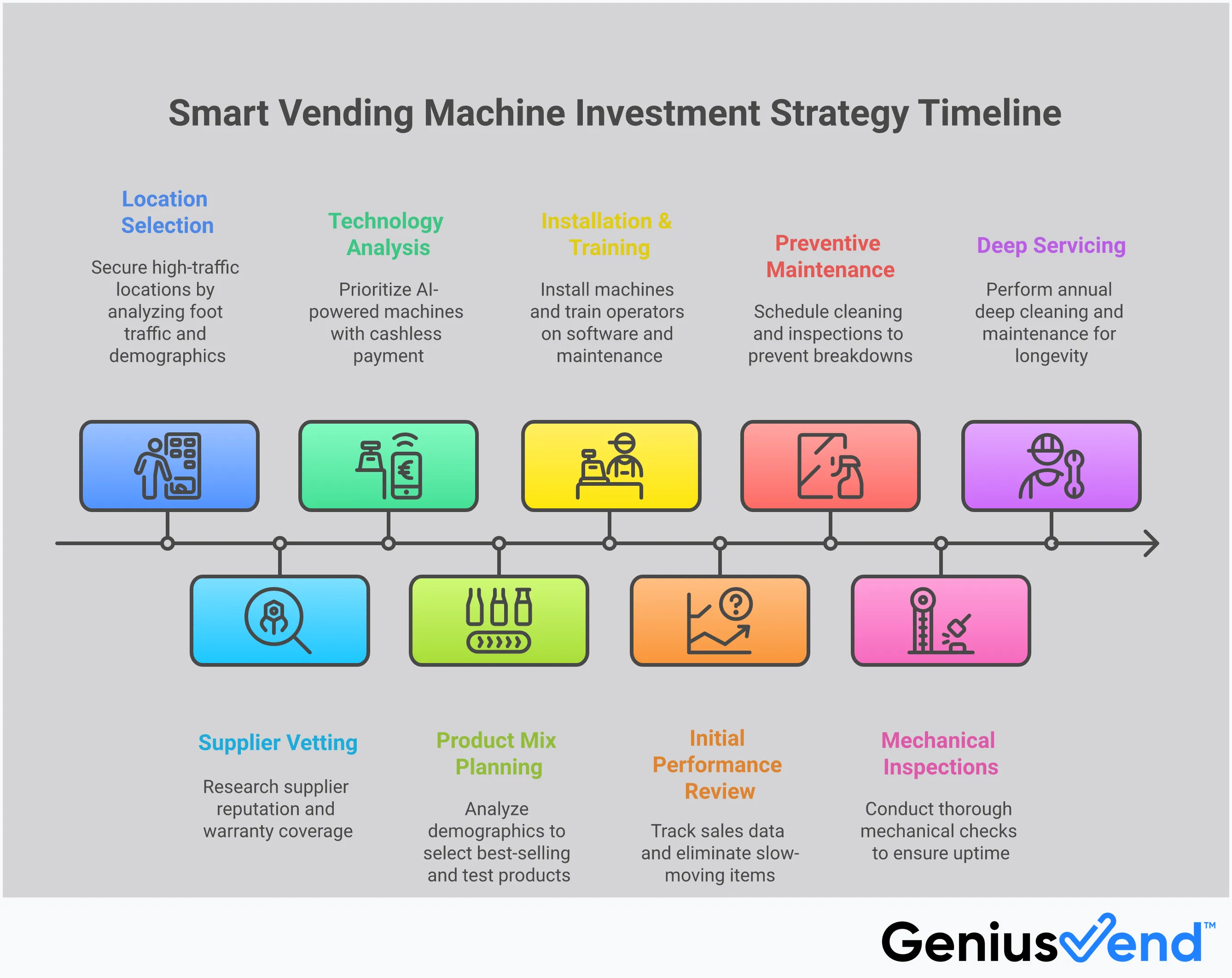
Consider Your Location and Space
Before you even think about products, think about placement. Your machine's location is the single most important factor for its success. You need to consider the physical footprint—how much room do you actually have? Measure the height, width, and depth of the available space to ensure a good fit, and don't forget to account for clearance around the machine for stocking and maintenance. You also need to think about the environment. Is it a busy corporate breakroom, a school hallway, or a 24-hour gym? High-traffic areas are ideal, but the type of traffic matters just as much. A machine that’s a hit in one spot could be a dud in another.
Know Your Customers and Products
Once you've secured a location, get to know the people who will be using your machine. Are they students looking for affordable snacks, office workers needing a midday caffeine fix, or health-conscious gym members? Your product selection should directly reflect their needs and budget. For example, if you place your machine in a lower-income area, customers will likely gravitate toward lower-priced items. The key is to offer a tailored experience. A smart machine that provides sales data can be a huge help here, showing you exactly what’s selling so you can optimize your inventory and stop guessing what people want.
Pinpoint Essential Tech Features
This is where you decide between a basic, traditional machine and a modern, intelligent one. While older machines might be cheaper upfront, they lack the features that make a vending business truly efficient. Smart vending machines offer game-changing benefits like real-time inventory tracking. Imagine knowing exactly what your machine needs before you even leave the house—no more wasted trips or lost sales from an empty slot. This remote management capability saves you time, gas, and headaches. It also gives you the data you need to make smarter decisions about your product mix, ensuring your machine is always stocked with best-sellers.
Check for Modern Payment Options
In a world where fewer people carry cash, your vending machine absolutely must accept modern payments. Limiting yourself to coins and bills means you’re turning away potential customers every single day. Look for machines equipped with features like cashless payment options, including credit card readers and mobile payments like Apple Pay and Google Pay. These systems make purchasing quick and effortless, which is exactly what customers want. A seamless payment experience not only attracts more users but also encourages them to spend more, directly impacting your bottom line. Don't let outdated payment tech hold your business back.
How to Vet Suppliers and Brands
Buying a vending machine isn't just a one-time transaction; it's the start of a long-term relationship. The supplier you choose can be a valuable partner in your business's success, providing support and expertise long after the sale is complete. That’s why it’s so important to do your homework before you commit. A great machine from a questionable supplier can quickly become a major headache. Taking the time to properly vet both the brand and the local dealer ensures you’re investing in a reliable piece of equipment and a partnership you can count on. You’re looking for a company that is invested in your success, not just in making a quick sale. A little research upfront can save you a ton of time, money, and frustration down the road.
Check Their Reputation and Service
A supplier's reputation is one of the best indicators of the experience you'll have. Start by looking for online reviews, testimonials, and case studies from other vending operators. Don't be afraid to ask a potential supplier for references you can speak with directly. A confident company with a solid track record will be happy to connect you with satisfied customers. Pay attention to how they talk about their service. Do they take a customer-centric approach, helping you select the best machine for your specific needs and budget? A great partner acts more like a consultant, guiding you to the right solution rather than pushing the most expensive model. You can also check their business rating to see if any complaints have been filed.
Review Warranty and Support Options
Every vending machine will need maintenance or repairs at some point. Before you buy, get a clear understanding of the warranty and support options. A standard warranty might last 90 days and cover parts, but you should ask for specifics. What exactly is covered? Who performs the labor? Also, find out what kind of technical support is available. Is it free? Can you call someone when a machine goes down on a weekend? With modern smart machines, this is even more critical. Look for suppliers that offer robust support for the machine’s software and can help you troubleshoot issues remotely, which can get you back up and running much faster than waiting for a technician.
Ask About Training and Installation
Getting your new machine delivered is just the beginning. You also need to know how to operate it effectively. Ask potential suppliers if they offer training and what it covers. For a traditional machine, this might be basic operation and maintenance. For an AI-powered machine, training should include a deep dive into the management software, showing you how to track inventory, monitor sales, and manage settings from your phone. Also, clarify the details of installation. Will they deliver the machine to your location, set it up, and make sure it's working perfectly? Or will they simply drop it on the curb? A supplier that provides comprehensive training and white-glove installation is setting you up for success from day one.
Common (and Costly) Purchasing Mistakes to Avoid
Buying your first (or next) vending machine is a huge step, but it’s easy to get tripped up by a few common hurdles. Many aspiring operators make missteps early on, like choosing the wrong machine or location, which can lead to major headaches and lost profits down the road. A little foresight can save you a lot of time and money, ensuring your investment pays off from the start.
Think of this as your friendly guide to sidestepping the most frequent and expensive errors. By learning what not to do, you can approach your purchase with confidence and set your vending business on the right track for long-term success. Let’s walk through the three biggest mistakes I see people make and how you can easily steer clear of them.
Underestimating the Full Cost
The sticker price on a vending machine is just the beginning. It’s crucial to budget for the total cost of ownership to get a realistic picture of your initial investment. First, factor in delivery and installation fees, which can vary widely depending on the supplier and your location. You’ll also need to account for sales tax. Beyond that, your biggest upfront expense will be stocking the machine with its first round of inventory. If you’re buying a used machine, it’s smart to set aside a fund for potential repairs or replacement parts that might be needed sooner rather than later. Thinking through these additional costs will prevent surprises and ensure you have enough capital to get your machine up and running smoothly.
Skipping Location Research
Even the most advanced vending machine on the market won’t make money if no one is around to use it. One of the biggest mistakes you can make is securing a machine before you’ve secured a profitable location. Take the time to analyze potential spots. Look for consistent foot traffic, consider the demographics of the people there (students, office workers, gym-goers), and check for nearby competition. A great machine in a bad spot will always underperform. Trying to run a business without monitoring your sales performance is like trying to find your way in a new city without a map. Do your homework on the location first, and you’ll be positioned for success from day one.
Overlooking Key Tech Features
In a world of tap-to-pay and instant gratification, an old machine that only takes crumpled dollar bills just won’t cut it. Overlooking modern technology is a surefire way to lose sales. Customers expect convenience, and that includes seamless payment options like credit cards, debit cards, and mobile wallets. Beyond payments, smart vending technology offers game-changing benefits for you as an operator. Features like real-time inventory tracking let you know exactly what’s selling and when to restock, all from your phone. This saves you from wasted trips and ensures your machine is always full of the products your customers love, which ultimately leads to more sales and happier clients.
How to Pay for Your Vending Machine
Once you’ve picked out the perfect vending machine, the next big question is how you’ll pay for it. This decision is just as important as choosing the right model, as it impacts your business's cash flow and long-term financial health. The good news is you have several options, and the best one for you depends entirely on your budget and business goals. You can buy the machine outright with cash, finance it through a loan, or lease it for a set period.
Each path has its own set of benefits. Paying with cash is straightforward and leaves you debt-free, while financing allows you to get started with less money upfront. Think of a high-tech machine as a long-term investment. An AI-powered machine from Genius Vend, for example, can generate two to three times the profit of a traditional one, so spreading the cost over time can be a smart financial move that pays for itself. Before you commit, take a moment to weigh the pros and cons of each payment method to find the one that aligns with your strategy.
Paying Cash vs. Financing
Paying for your vending machine with cash is the most direct route. You own the machine from day one, with no monthly payments or interest fees to worry about. This is a fantastic option if you have the capital available, as it simplifies your accounting and means every dollar the machine earns (after costs) is pure profit. However, a large upfront purchase can tie up cash that you might need for inventory, location fees, or other business expenses.
That’s where financing comes in. Securing vending machine financing allows you to acquire the equipment you need while keeping your cash reserves intact. You’ll make smaller, manageable payments over time, which can make it much easier to get your business off the ground or expand your existing route.
Exploring Equipment Leases
If you’re not ready to commit to a purchase, an equipment lease can be a great alternative. Leasing is essentially a long-term rental agreement where you pay a monthly fee to use the machine. The biggest advantage is the low initial cost—you can get a brand-new, high-tech machine running without a significant upfront investment. This makes it an ideal choice for new operators who want to test a location or the vending business in general.
Many vending machine leasing agreements also include maintenance and service packages, which can save you from unexpected repair bills. Just remember that at the end of the lease term, you won’t own the machine.
Looking into Loans and Credit
For those who want to own their machine but need some financial help, a traditional loan is a popular choice. You can apply for an equipment loan through a bank or a credit union, which is a great option if you have a solid credit history and are planning to purchase multiple machines. The approval process can sometimes be slow, but you’ll often get competitive interest rates.
If you need funding more quickly, you might consider other forms of vending machine finance like a merchant cash advance. While these are often easier to secure, they can come with higher fees. Always be sure to read the fine print and compare the terms of any loan or credit agreement to ensure it’s the right financial fit for your business.
Must-Have Features for a Modern Vending Machine
Vending machines have come a long way from the coin-only models of the past. To run a truly profitable business, you need a machine that meets modern customer expectations and makes your life as an operator easier. The right technology isn't just a nice-to-have; it's the engine that drives sales and efficiency. When you're shopping for a machine, make sure these essential features are on your checklist.
Seamless Cashless and Mobile Payments
This one is non-negotiable. Fewer people carry cash, and customers expect the convenience of paying with a card or their phone. A machine that only accepts coins and bills is a machine that’s missing out on sales. Smart vending machines that offer a range of cashless payment options—including tap-to-pay with credit cards and mobile wallets like Apple Pay and Google Pay—make purchasing effortless. This simple convenience encourages more impulse buys and keeps customers coming back. By meeting your customers where they are, you ensure you never miss a sale simply because someone didn't have a dollar bill on hand.
Remote Inventory and Machine Management
Imagine knowing exactly what’s selling and what needs to be restocked in all of your machines without ever leaving your home. That’s the power of remote management. This technology uses real-time data to give you a complete overview of your inventory, sales, and machine health right from your smartphone. You can say goodbye to wasted trips and unnecessary fuel costs from visiting a fully stocked machine. Instead, you can plan your restocking routes with maximum efficiency, ensuring popular items are never sold out. This level of vending machine management not only saves you time and money but also helps you make smarter decisions about which products to carry based on actual sales data.
Energy-Efficient and Sustainable Design
A modern vending machine should be as smart about its energy use as it is about its sales. Look for models with energy-efficient features like LED lighting and superior insulation. These components significantly reduce electricity consumption, which directly lowers your operating costs and increases your profit margins over time. Beyond the savings, an eco-friendly machine is a great selling point when pitching your services to potential locations. Many businesses prioritize sustainability, and having an energy-efficient machine shows that your values align with theirs. It’s a feature that’s good for your bottom line and for the planet.
Set Up Your Vending Machine for Success
Once you've purchased your machine, the real work begins. Setting it up correctly from day one is the difference between a profitable side hustle and a very large, expensive paperweight. Your success comes down to three key things: where you put your machine, what you put in it, and how you take care of it. Getting these three elements right will create a solid foundation for your vending business and put you on the path to a great return on your investment.
Secure a Great Location
Location is everything. You could have the best machine stocked with the most delicious snacks, but if it's hidden in a deserted hallway, it won't make a dime. Look for spots with consistent foot traffic, like office break rooms, apartment complexes, gyms, or busy lobbies. The goal is to find a captive audience that will see and use your machine regularly. Also, consider the environment. A sleek, modern machine looks professional and trustworthy, which can encourage more sales. Before you sign any agreement, spend some time observing the location to estimate potential foot traffic and make sure it’s the right fit for your business.
Choose Your Products and Set Prices
What you sell is just as important as where you sell it. Don't make the rookie mistake of just stocking your personal favorites. Your product mix should cater to the people at that specific location. A machine at a health club should offer protein bars, kombucha, and healthy snacks. An office break room might do better with fresh food options, premium coffee, and satisfying afternoon treats. Pay attention to the local demographic and their price sensitivity. Smart machines give you real-time sales data, so you can see what’s selling and what’s not, allowing you to optimize your product selection and maximize profits.
Plan for Maintenance and Support
A vending machine isn't a passive investment; it requires ongoing attention to stay profitable. This means regular visits for cleaning, restocking, and preventative maintenance. Running your business without tracking performance is like driving with your eyes closed. That’s why remote management is a game-changer. With a smart machine, you can monitor inventory levels and sales from your phone, which means you only visit when it actually needs service. This is a core part of an effective business operations plan. Also, make sure your machine comes with a solid warranty and reliable technical support. Knowing you have backup when something goes wrong provides incredible peace of mind.
Related Articles
- How to Buy a Vending Machine Near Me: A 2025 Guide
- How to Buy a Vending Machine: A Step-by-Step Guide
- Where Can I Buy a Vending Machine? A 2025 Guide
- Vending Machines for Sale: A Buyer's Guide
Frequently Asked Questions
Is a new, smart machine really worth the higher price compared to a used one? Think of it as an investment in your time and sanity. While a used machine has a lower entry price, a new smart machine pays you back in efficiency. The ability to see your inventory from your phone means you'll never waste a trip to a machine that doesn't need service. Plus, modern features like cashless payments are non-negotiable for today's customers, which means you'll capture more sales from the start. The higher initial cost often leads to greater profits and fewer headaches over the life of the machine.
What's the first step: finding a machine or finding a location? Always find your location first. The location is the foundation of your vending business and will tell you everything you need to know. The people there will determine what products you should sell, and the physical space will dictate the size and type of machine you need. Securing a profitable spot before you shop for a machine ensures you're buying the right equipment for a business that already has a place to thrive.
How much work is actually involved in running a vending machine? It’s more hands-on than you might think, but technology makes it much more manageable. With a traditional machine, you're stuck making regular trips for restocking and maintenance, whether it needs it or not. A smart machine changes the game completely. You'll still handle the stocking and cleaning, but the remote management app tells you exactly when to go and what to bring, turning a guessing game into a streamlined, efficient process.
What happens if my machine breaks down? This is precisely why choosing a reputable supplier is so important. A good partner won't disappear after the sale. Before you buy, get a clear understanding of the warranty and the technical support they offer. A solid warranty and a responsive support team you can call are your safety net. Some smart machines can even run remote diagnostics, helping you identify the problem quickly so you can get back to business faster.
Can I really manage my entire vending business from my phone? Yes, in the ways that matter most for running your business efficiently. The operator's app that comes with a smart machine acts as your business dashboard. You can track sales in real time, see which items are popular, and monitor inventory levels for every machine on your route. While you can't physically restock it from your couch, you can make all of your strategic decisions from anywhere, ensuring you're always working smarter, not harder.