

Let's talk about what really matters: profit. Starting a vending business is about creating a reliable stream of income, and that begins with your very first purchase. Many new operators get stuck on the initial price tag, but the smartest entrepreneurs ask a better question. Instead of just asking how do you buy a vending machine, they ask how to buy one that maximizes profitability from the start. This comes down to understanding the total cost of ownership, the power of modern features like remote management, and the value of a seamless customer experience. This guide focuses on the strategic decisions that directly impact your bottom line.
Key Takeaways
- Let Technology Do the Heavy Lifting: Smart machines are essential tools for a modern vending business. Features like remote inventory management and sales analytics save you time and fuel, allowing you to make data-driven decisions that increase your profits from day one.
- Match Your Machine to the Market: A great machine in a bad spot won't make money. Scout high-traffic locations with a clear need for convenience, and then tailor your product offerings to match the specific customers you'll be serving there.
- Prioritize Reliability for Long-Term Profit: While a used machine might seem cheaper upfront, unexpected repairs and downtime can quickly erase those savings. Investing in a new machine with a warranty provides peace of mind and ensures a consistent income stream, which is crucial for a new business.
What Kind of Vending Machine Should You Buy?
Choosing your first vending machine is a huge step, and the type you pick will shape your entire business. The options can feel endless, but they generally fall into a few key categories. Your decision should come down to your business goals, the location you have in mind, and the kind of experience you want to offer customers. Let's walk through the main types so you can find the perfect fit for your new venture.
Smart vs. Traditional Machines
The biggest choice you'll make is between a traditional machine and a smart one. Traditional machines are the ones you probably grew up with—basic buttons, a coin slot, and maybe a bill acceptor. They get the job done, but they’re a bit dated. Smart vending machines, on the other hand, are built for modern business. They come equipped with features like interactive touchscreens, remote management capabilities, and AI-powered personalization. This technology allows you to track sales in real-time, manage inventory from your phone, and avoid wasting time on unnecessary restock trips. They’re designed to be more efficient and profitable from day one.
Key Payment Systems and Features
One of the most significant advantages of a smart machine is payment flexibility. While older models rely on cash, modern machines are built for a cashless world. They accept credit cards, mobile payments like Apple Pay, and other tap-to-pay options, which means you never miss a sale because someone doesn't have change. Beyond payments, AI vending machines use data to your advantage. They can analyze customer behavior to suggest promotions, offer discounts, and recommend popular products. For you, this means less food waste, lower operational costs, and a clear picture of what your customers actually want to buy.
Specialty and Combo Options
What do you plan to sell? The answer will guide you toward a specialty or combo machine. Specialty machines are designed for one type of product, like coffee, ice cream, or fresh food. In fact, the food vending machine market is growing quickly as more people look for convenient, on-the-go meal options. Combo machines offer the best of both worlds, with space for both snacks and refrigerated drinks. This versatility makes them a great choice for most locations, from office break rooms to apartment building lobbies. They let you cater to different tastes without needing to buy and manage two separate machines.
How to Make a Smart Purchase
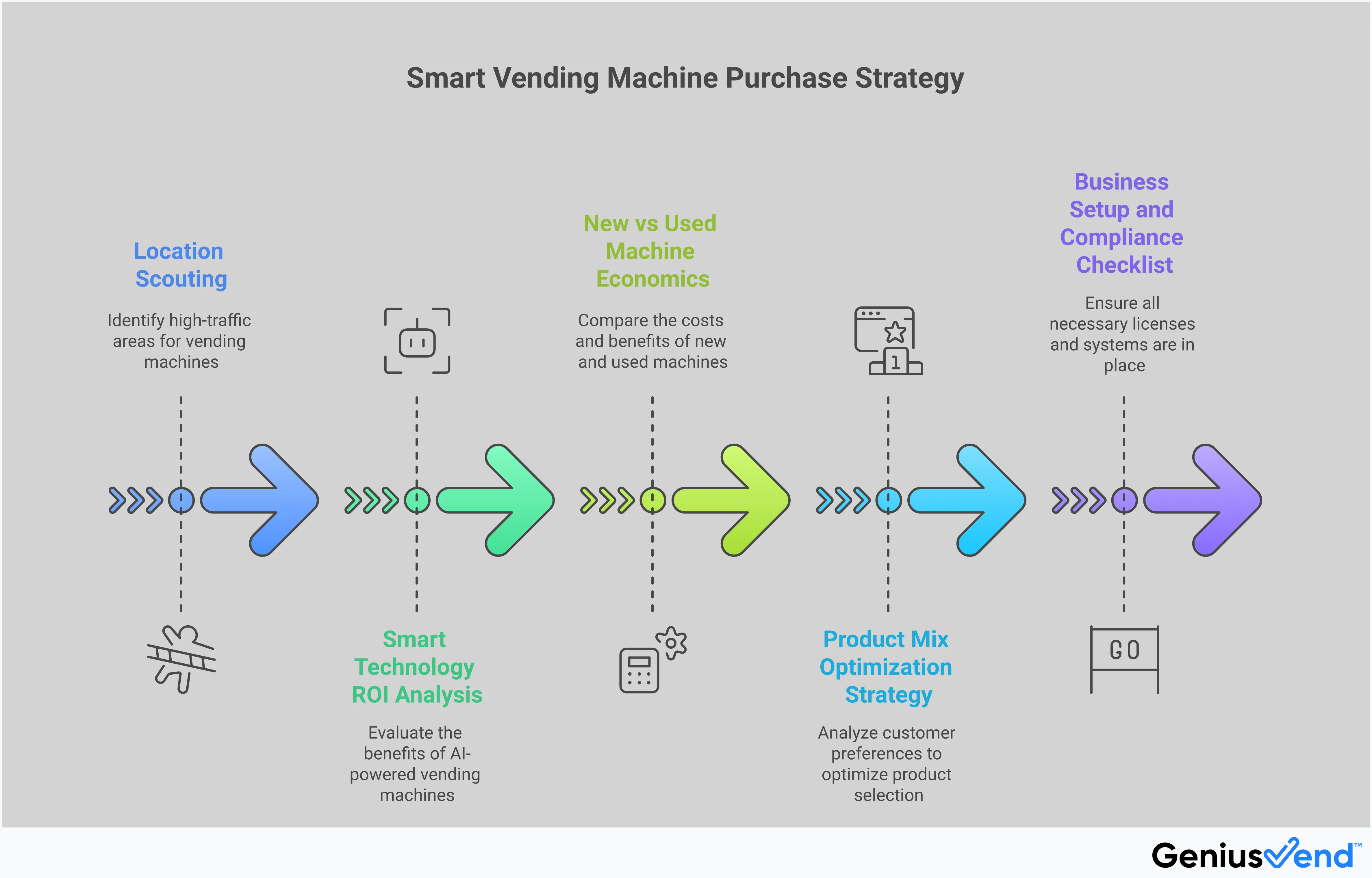
Buying your first vending machine is a strategic decision that sets the foundation for your business. A little planning now saves you from costly mistakes later. Before you browse models, you need a clear picture of where your machine will go and who it will serve. By thinking through your location, customers, space, and budget, you can choose a machine that’s set up for success from day one.
Define Your Location Requirements
Location is everything in the vending business. As one operator put it, "Finding a good location is the most important thing for your business." Even a great machine won't make money in a bad spot. Think about where you plan to place it: a busy office, a school, a gym, or an apartment lobby? A prime location has consistent daily foot traffic and limited competition, giving you a built-in customer base ready to buy from day one.
Analyze Your Target Market
Once you have a location, understand the people who will use your machine. This is where a little market research comes in. Your goal is to match your products to their preferences. A gym is perfect for protein bars and healthy drinks, while a university library calls for coffee and study snacks. Don’t guess what people want. Observe their habits or ask the location manager for input. This insight helps you stock items that are guaranteed to sell.
Calculate Space and Power Needs
Now for the practical stuff. Before you commit, get out a tape measure and confirm the exact dimensions of your spot, leaving clearance for ventilation and the door swing. The good news is you don’t need special wiring. Most modern machines only require a standard 110-volt wall outlet. Just make sure the outlet is easily accessible and won’t create a tripping hazard. Thinking through these simple logistics ensures a smooth installation day.
Plan Your Initial Investment
Starting a vending business requires upfront capital. It’s wise to have at least $5,000 ready to get started. This initial investment covers more than just the machine. You’ll also need to budget for your first round of inventory, equipment like a dolly, and any business licensing fees. Mapping out these expenses gives you a clear financial picture and helps you explore small business funding options if needed.
Should You Buy a New or Used Machine?
One of the first big decisions you'll make as a vending operator is whether to invest in a new machine or save some cash upfront with a used one. It’s a classic business trade-off: lower initial cost versus long-term reliability and modern features. While a used machine might seem like a bargain, it’s important to look beyond the sticker price and consider the total cost of ownership. A machine that’s constantly out of order isn’t just a hassle—it’s a source of lost income and can damage your reputation at a location.
Your budget, technical skills, and how much risk you're willing to take on will all play a role in this choice. A new machine offers peace of mind and the latest technology, which can directly impact your profits by providing a better customer experience and making your business easier to run. A used machine can get you started for less, but it might come with hidden headaches. Let's break down the pros and cons of each path so you can make a decision that sets your business up for success.
The Benefits of Buying New
The biggest advantage of buying a new vending machine is the peace of mind that comes with it. New machines include a manufacturer's warranty, which is a huge deal. If a part fails or something stops working, you’re not on the hook for expensive repair bills. This protection saves you money and a lot of stress, especially in your first year of operation. A reliable machine means consistent sales and happy customers who trust that your machine will work every time.
Beyond the warranty, new machines are equipped with the latest technology. Modern features like AI-powered purchasing, remote inventory management, and comprehensive sales analytics aren't just nice to have—they are tools that help you run a smarter, more profitable business. You can manage your entire route from your phone, see what’s selling in real-time, and give customers the simple "Tap, Grab & Go" experience they expect. This efficiency and modern convenience can make a significant difference in your bottom line.
What to Consider When Buying Used
The main draw of a used vending machine is, of course, the lower purchase price. For entrepreneurs starting on a tight budget, this can make the business feel more accessible. However, that initial savings can disappear quickly if you're not careful. Used machines rarely come with a warranty, meaning you are fully responsible for any and all repairs. If you don't know how to fix a broken bill validator or a faulty cooling unit, you’ll be paying a technician for help.
Finding replacement parts for older models can also be a challenge, leading to extended downtime and lost sales. Many older machines also lack modern payment systems. If a machine only takes cash, you’re missing out on sales from customers who only carry cards or use mobile pay. Before you buy used, be honest with yourself about your ability to handle potential repairs and whether the machine’s technology will meet modern customer expectations.
Check for Warranties and Inspections
If you decide the used route is right for you, it’s critical to do your homework to minimize risk. Avoid buying from a random seller on a marketplace site unless you’re an expert. Instead, look for a trusted, professional refurbisher. These companies often inspect and repair machines before selling them and may even offer a limited warranty, delivery, and setup support. This can provide a much-needed safety net.
No matter where you buy from, you must test the machine thoroughly before any money changes hands. Don't just plug it in and see if it turns on. Test every single function: the coin mechanism, the bill validator, the credit card reader, the cooling or heating system, and every product slot. If possible, run it for a full day to ensure it operates correctly. If you’re not confident in your own assessment, it’s worth paying a technician to inspect it for you.
Common Mistakes to Avoid
The most common mistake new operators make is underestimating the true cost of a used machine. A cheap machine can quickly become a money pit. We’ve heard stories of operators buying a $1,000 used machine only to spend another $2,000 on repairs within the first few months. At that point, you’ve nearly paid the price of a brand-new machine without any of the benefits, like a warranty or modern tech.
Remember to factor in the cost of downtime. Every day your machine is out of order is a day you're not making money. Frustrated customers at that location might even decide not to use your machine again. While a used machine can sometimes be a good find, it requires a lot of diligence. For most operators, the reliability, advanced features, and warranty that come with a new machine provide a much clearer and less stressful path to profitability.
Where to Find Your Vending Machine
Once you know what kind of machine you need, the next step is figuring out where to get it. You have a few solid options, each with its own set of benefits. Whether you’re looking for the latest technology straight from the source or a budget-friendly machine to get your route started, knowing where to look will save you time and potential headaches. Let’s walk through the most common places to find your next vending machine.
Buying Direct from Manufacturers
Going straight to the source is the best way to get a brand-new machine with the latest technology and a full warranty. When you buy directly from a manufacturer, you’re investing in reliability. You’ll receive a pristine machine, comprehensive customer support, and the peace of mind that comes with a factory guarantee. While this is typically the most expensive option upfront, it often saves you money in the long run by avoiding the unexpected repair costs and performance issues that can come with used equipment. For operators who want to offer a premium experience with features like AI-powered checkout, buying new is the way to go.
Exploring Online Marketplaces
If you’re working with a tighter budget, online marketplaces can be a goldmine for used vending machines. Websites like eBay and Facebook Marketplace have countless listings from individual sellers, often at a significantly lower cost than new machines. This path requires a bit more homework, as you’re usually buying the machine "as-is." You’ll need to carefully inspect photos, read descriptions, and ask plenty of questions. This is a great option for entrepreneurs who are handy with repairs or are willing to trade a lower entry cost for a bit more risk. Just be sure to factor in potential shipping or pickup costs before you commit to a purchase.
Working with Local Distributors
Connecting with a local vending distributor offers a great middle ground. These companies often sell professionally refurbished machines that have been inspected, cleaned, and repaired. This gives you a more reliable product than you might find from a private seller, but at a lower price than a brand-new machine. A major advantage is the ability to see the machine in person before you buy it. Building a relationship with a local distributor can also be valuable for future parts and service needs. Some even offer payment plans, making it easier to manage your initial investment while getting your business off the ground.
How to Vet a Seller
Regardless of where you find your machine, vetting the seller is a critical step—especially when buying used. Don’t be shy about asking detailed questions to understand exactly what you’re getting. Start with the basics: How long have they owned the machine? Why are they selling it? Have they had to do any major repairs? Ask about its sales history to get a sense of its performance in its previous location. If possible, request to see the machine in operation. A trustworthy seller should be transparent and willing to provide you with the information you need to make a confident decision.
What's the Total Cost of a Vending Machine?
When you’re planning your vending business, the sticker price of the machine is just one piece of the puzzle. To truly understand your investment, you need to look at the total cost of ownership, which includes everything from the initial purchase to ongoing operational expenses and potential repairs. Thinking through these costs upfront will help you create a realistic budget and set your business up for long-term profitability. Let’s break down the key financial components you need to consider.
The Initial Purchase Price
Your first major expense will be the machine itself. You can find vending machines from several sources, including direct from manufacturers, through online retailers, or on peer-to-peer marketplaces. New machines have a higher initial cost, but they offer reliability and peace of mind, often coming with a warranty that protects your investment. A brand-new smart machine can range from $3,000 to $10,000 or more, depending on its features and technology. While the upfront cost is higher, a new machine is a dependable asset that starts generating revenue from day one without the immediate worry of breakdowns.
Ongoing Operating Expenses
Once your machine is in place, you’ll have recurring costs to keep it running smoothly. The most significant of these is your initial inventory. You’ll need to plan for the cost of stocking your machine completely for the first time. Beyond inventory, you’ll need to secure the proper business licenses and permits to operate legally in your city and state. These requirements and fees can vary widely by location, so it’s a good idea to check with your local chamber of commerce. Factoring these ongoing expenses into your business plan is essential for managing your cash flow effectively.
Potential Hidden Costs
This is where buying a used machine can get tricky. A lower upfront price might seem like a great deal, but it can come with hidden costs that quickly add up. Used machines often have significant wear and tear, which can lead to unexpected and expensive repairs. A malfunctioning payment system or a failing cooling unit can put your machine out of service, costing you not only in repair bills but also in lost sales. While you might save money initially, the long-term expenses and headaches associated with an unreliable used machine can easily outweigh the early savings.
Future Maintenance Needs
Every vending machine will eventually require maintenance. The real question is whether you’ll be paying for it out of pocket. New machines typically come with a manufacturer's warranty, which can cover parts and repairs for several years. This is a huge advantage, as it provides a safety net and protects you from surprise expenses while you’re getting your business off the ground. If you buy a machine without a warranty, you’ll be on the hook for every repair. Learning how to fix common problems yourself can save some money, but a solid warranty is the best way to protect your investment.
Smart Features That Drive Profit
When you’re choosing a vending machine, it’s easy to focus on the price tag. But the smartest investment isn’t always the cheapest one. Modern vending machines are packed with features that do more than just dispense snacks—they actively help you run a more efficient and profitable business. Think of it as the difference between a basic flip phone and a smartphone. Both can make calls, but one gives you the tools to manage your entire life from your pocket.
Smart vending machines use a combination of technology and data to streamline your operations. Instead of guessing what your customers want or driving across town just to find a machine is still full, you get real-time information that helps you make better decisions. These features are designed to save you time, reduce waste, and create a better experience for your customers, which all leads to more money in your bank account. Let’s look at the specific features that make the biggest impact on your bottom line.
AI-Powered Technology
Artificial intelligence might sound like something out of a sci-fi movie, but in vending, it’s a practical tool that transforms the customer experience. Instead of fumbling with cash or watching a product get stuck, customers can enjoy a seamless "Tap, Grab & Go" system. AI-powered sensors and cameras identify which items are taken, automatically charging the customer’s card. This frictionless process encourages more sales because it’s incredibly fast and simple. For you, this intelligent workflow means fewer service calls for jammed products and a more reliable, modern machine that customers trust and prefer to use.
Remote Machine Management
One of the biggest game-changers for vending operators is the ability to manage your entire route from your phone or computer. Traditional vending requires you to physically visit each machine to check inventory, collect cash, and diagnose problems. With remote management, you can see real-time sales data, check stock levels, and get alerts for any technical issues without ever leaving your office. This saves an incredible amount of time, fuel, and labor, allowing you to manage more machines more effectively. You can plan your restocking routes based on actual need, not a fixed schedule, making your entire operation more efficient.
Automated Inventory Tracking
Knowing exactly what’s in your machine and what’s selling is crucial for profitability. Smart machines use AI to track every single item in real time. This automated system eliminates the guesswork of manual inventory counts. You’ll know instantly when your most popular items are running low so you can restock before you miss out on sales. It also helps you identify slow-moving products that are tying up your capital and shelf space. By optimizing your product mix based on this data, you can reduce waste from expired items and ensure your machines are always filled with the products your customers actually want to buy.
In-Depth Sales Analytics
Data is one of the most valuable assets for any business, and smart vending machines give you plenty of it. Beyond simple sales numbers, you get access to in-depth analytics that reveal powerful insights about customer behavior. You can see peak sales times, identify which products sell well together, and understand the purchasing habits at each specific location. This information allows you to make strategic decisions, like creating product bundles or running targeted promotions. Using AI-powered analytics to guide your strategy helps you tailor your offerings to each location, maximizing sales potential and building a smarter, more responsive business.
How to Secure the Perfect Location
You can have the smartest, most advanced vending machine on the market, but it won’t make a dime if it’s sitting in an empty room. Finding the right location is one of the most critical steps to building a profitable vending business. It’s about more than just finding a spot with an outlet; it’s about finding the perfect home for your machine where it can serve a steady stream of happy customers. This takes a bit of research and a solid strategy, but getting it right from the start will save you a lot of headaches later.
Scout High-Traffic Areas
Your first mission is to become a location scout. Think about places where people gather, work, or wait. The best spots are high-traffic areas where folks might get hungry or thirsty but don't have easy access to a store. Prime examples include office break rooms, apartment complexes, auto repair waiting rooms, laundromats, and schools. These locations have a built-in audience. When you're scouting, pay attention to the flow of people throughout the day. A busy lobby in the morning might be a ghost town by the afternoon. The goal is to find a place with consistent foot traffic and a clear need for the convenience you can offer.
Assess the Local Competition
Once you have a few potential spots in mind, it’s time to do some detective work. A great location can be spoiled by too much competition. Take a walk around the area. Are there other vending machines nearby? Is there a café or convenience store right next door? Finding a location with less saturation gives your machine a better chance to succeed. Don't be discouraged if there's some competition, but be realistic. If there are already three snack machines in a building, adding a fourth might not be the best move unless you can offer something completely different. A thorough competitive analysis will help you spot untapped opportunities.
Understand Location Agreements
This is the part that surprises many new vending operators: you often don't have to pay to place your machine. Many businesses see a vending machine as a valuable amenity for their employees or customers. You're providing a service, so they're happy to give you the space for free. However, you should always have a clear agreement in place. This document outlines expectations for both you and the location owner. Some high-demand locations might ask for a small commission, or a percentage of sales, so be prepared to negotiate the terms. Always get it in writing to protect your business.
Create Your Product Strategy
The products you stock should be tailored to the people at that specific location. One size does not fit all in the vending world. A machine at a gym should be filled with protein bars, electrolyte drinks, and water, while one in a corporate office might do better with gourmet coffee, healthy snacks, and afternoon energy boosters. Think about the demographics and their needs. A Genius Vend smart machine makes this easy, as you can track sales data remotely and see what’s selling. This allows you to fine-tune your offerings and keep your customers coming back for their favorite items.
How to Set Up Your Vending Business
Once you've bought your machine, the real work begins. Setting up your business operations correctly from the start will save you headaches and help you become profitable faster. It’s all about creating solid systems for maintenance, inventory, payments, and legal compliance. Let's walk through the key steps to get your vending business up and running smoothly.
Create a Maintenance Schedule
It’s a fact of life: machines sometimes break down. Instead of waiting for a problem to happen, get ahead of it with a proactive maintenance schedule. Take some time to learn the ins and outs of your machine and how to fix common issues yourself. This will save you from costly emergency repairs and keep your machine running, which means it keeps making you money. Regular check-ups to clean the machine, test the payment systems, and ensure the cooling unit is working properly can prevent most issues. Think of it as a health check-up for your business—a little prevention goes a long way.
Master Your Inventory Management
Knowing what’s selling and what’s not is the key to a profitable vending business. Effective inventory management means you’ll never run out of popular items or waste money on products that just sit there. This is where smart vending machines really shine. Instead of guessing, you can use an operator's app to see real-time sales data and stock levels from your phone. This technology helps you know exactly what to restock and when, making your routes more efficient. AI-powered analytics can even suggest new products or promotions based on customer buying habits, helping you fine-tune your offerings for maximum profit.
Set Up Payment Processing
We live in a world where fewer people carry cash. To capture every possible sale, you need to offer flexible payment options. Modern vending machines make this easy by accepting credit cards, debit cards, and mobile payments like Apple Pay or Google Pay. This convenience not only makes customers happy but also encourages more sales, as they aren't limited by the cash in their pocket. When you're choosing a machine, make sure it comes equipped with a reliable and secure cashless payment system. It’s a non-negotiable feature for a successful vending business today.
Get the Right Permits and Licenses
Before you place your machine and start selling, you need to make sure your business is fully compliant with local laws. The requirements for permits and licenses can vary quite a bit depending on your city and state. You’ll likely need a general business license, and you may also need a seller’s permit or food handler’s permit depending on what you sell. A great first step is to check with your local city hall or chamber of commerce. Taking the time to get all your legal paperwork in order from the beginning protects your business and helps you build a professional reputation.
Related Articles
- Where Can I Buy a Vending Machine? A 2025 Guide
- Vending Machines for Sale: A Buyer's Guide
- The True Cost to Buy a Vending Machine in 2025
- How to Buy a Vending Machine: A 7-Step Guide
Frequently Asked Questions
How much money do I actually need to get started? While the machine itself is the biggest line item, you should plan for more than just that initial purchase. A good starting point is to have at least $5,000 set aside. This gives you enough capital to cover the machine, your first full round of inventory, any necessary business licenses, and a dolly for moving your equipment. Thinking about the total investment from the beginning helps you create a realistic budget and avoid surprises.
Is buying a used machine a smart way to save money? It can feel like a bargain upfront, but a used machine often comes with hidden costs. You're typically on your own for repairs, and finding parts for older models can be a real challenge, leading to downtime where you aren't making any money. For most new operators, the reliability, warranty, and modern payment systems that come with a new machine provide a much smoother and more profitable path forward.
What's more important: the machine I buy or where I put it? They are both incredibly important, but a great location is the foundation of a successful vending business. Even the most advanced machine won't earn a profit if no one is around to use it. Your first priority should be to find a spot with consistent daily foot traffic and a clear need for convenient snacks and drinks. Once you've secured that perfect location, you can choose a machine that best serves the people there.
How do I figure out what products will actually sell? The key is to match your products to the people at your location. Don't just guess what they might want. A little observation goes a long way—see what people are already eating and drinking. You can also ask the location manager for their input. Once your machine is running, a smart model with sales analytics will give you real-time data, showing you exactly what's popular and what's not so you can fine-tune your inventory.
Do I really need a "smart" machine with all the tech features? You don't need one to be in the vending business, but the technology is designed to make you more profitable. Features like remote inventory management save you from wasting time and gas on unnecessary restocking trips. Cashless and mobile payment options ensure you never miss a sale, and a simple "Tap, Grab & Go" experience keeps customers happy. These tools help you run a more efficient and modern business from day one.