

Vending machines have changed more in the last few years than they have in the last fifty. Gone are the days of clunky, coin-operated boxes that only sold chips and soda. Today’s market is driven by smart technology that creates a better experience for customers and a more profitable business for you. When you look at modern vending machines for sale, you’ll find features like AI-powered inventory management, cashless payments, and a seamless "Tap, Grab & Go" experience. This isn't just about looking futuristic; this technology is designed to reduce your operational costs and maximize sales. Let's explore what these features mean and why they are essential for any serious operator.
Key Takeaways
- Invest in Smart Features to Maximize Sales: Modern technology is essential for a successful vending business. Features like cashless payments and remote inventory tracking create a better customer experience and help you run a more efficient, data-driven operation.
- Calculate the Total Cost, Not Just the Purchase Price: The initial price of a machine is only the beginning. A realistic budget must include ongoing expenses like inventory, location fees, and potential maintenance to accurately project your break-even point and long-term profit.
- Match Your Machine to a High-Traffic Location: Your success depends on placing the right machine in the right spot. Analyze foot traffic and customer needs before you buy, and start with one or two machines to learn the business without taking on too much risk.
Explore Your Vending Machine Options
The world of vending is bigger than you might think. Gone are the days of just one type of clunky machine that only takes crumpled dollar bills. Today, you have a wide range of options, each suited for different locations, customers, and business goals. Understanding the landscape is the first step to making a smart investment. From classic snack dispensers to AI-powered smart coolers, let's walk through the most common types of vending machines you'll find for sale.
AI-Powered Smart Machines
Think of these as the high-tech evolution of the classic vending machine. AI-powered smart machines offer a completely automated and data-driven approach to vending. They come equipped with features like real-time inventory tracking, sales analytics, and a variety of digital payment options. This means you always know what’s selling and when to restock, all from your phone. For customers, it’s a seamless, modern experience. For you, it’s a more efficient and profitable business model that takes the guesswork out of managing your route. These machines are a fantastic investment for operators who want to maximize their revenue and stay ahead of the curve.
Traditional Snack and Drink Machines
You know these machines well—they’re the reliable workhorses of the vending world. Traditional snack and drink machines are a straightforward and dependable choice, especially for high-traffic areas like waiting rooms, schools, and community centers. Snacks are always popular, and these machines are built to dispense classic favorites all year round. Many operators start with high-quality refurbished machines, which can be a cost-effective way to enter the market. While they may lack the advanced features of smart machines, their simplicity and familiarity make them a solid foundation for any vending business.
Combo Vending Machines
What if you have limited space but want to offer both snacks and drinks? That’s where combo machines come in. These units combine two machines into one, offering a variety of chips, candy, and beverages from a single footprint. Placing snacks and drinks together creates a convenient one-stop shop for customers, which can help you sell more overall. They are an excellent solution for smaller breakrooms, offices, or locations where you can’t justify placing two separate machines. By providing more choices in one place, you make it easier for customers to grab exactly what they want, which is always good for business.
Healthy and Specialty Vending Machines
It’s a common misconception that vending machines only offer junk food. The truth is, the industry has evolved to meet a growing demand for healthier options. Healthy vending machines are stocked with items like granola bars, fruit snacks, yogurt, salads, and kombucha. These are perfect for locations like gyms, hospitals, and corporate offices with wellness programs. Beyond food, a specialty vending machine can dispense anything from personal protective equipment (PPE) to electronics. If you can identify a specific need in a location, this can be an incredibly profitable niche to fill.
Smart Coolers and Freezers
Taking smart technology a step further, smart coolers and freezers offer the ultimate flexibility for both you and your customers. These AI-powered vending machines create a simple "Tap, Grab & Go" experience. A customer taps their card, opens the door, takes whatever they want, and is automatically charged for the items they selected. This open-concept design allows you to sell products of any shape or size—from fresh sandwiches and salads to entire frozen meals and pints of ice cream. For operators, this means you can easily cater to specific tastes and change your product lineup without worrying about the constraints of traditional coils, making them a game-changer for modern businesses.
Key Vending Machine Features to Consider
Once you have a general idea of the type of machine you need, it’s time to look at the specific features that will make your life easier and your business more profitable. The right technology can mean the difference between a high-maintenance machine and a smooth, automated income stream. Think of these features as the foundation of your vending business—getting them right from the start will save you countless headaches down the road. From payment options to remote management, these are the details that separate an average vending machine from a truly smart investment. Let's walk through the most important features to look for when you're ready to buy.
Cashless and Smart Payment Options
Let’s face it, fewer people carry cash these days. If your machine only accepts coins and bills, you’re missing out on sales. Modern vending machines absolutely must have cashless payment options, including credit/debit cards and mobile payments like Apple Pay or Google Pay. The convenience of a simple tap-to-pay system encourages impulse buys and serves a much wider customer base. In fact, the widespread adoption of cashless payments has been a major driver of growth in the vending industry. Offering flexible payment methods isn't just a perk; it's a fundamental requirement for maximizing your revenue.
AI Technology and Remote Management
This is where vending machines get really smart. AI-powered technology gives you a data-driven approach to managing your business. Instead of guessing which products are popular or driving to a location just to find out what needs restocking, you can see everything from your phone. Smart vending machines provide real-time inventory tracking, sales data, and performance analytics. This allows you to optimize your product selection, plan efficient restocking routes, and ensure your machines are always operational. This level of remote management transforms your vending route from a guessing game into a streamlined, efficient business.
Size, Capacity, and Location Fit
A vending machine is not a one-size-fits-all solution. The physical dimensions and product capacity of your machine must match its intended location. A massive machine won’t fit in a small office breakroom, while a compact one will sell out constantly in a busy hospital lobby. Before you buy, measure the space where the machine will go. Consider the foot traffic of the location to estimate how much inventory you’ll need to hold. Choosing the right products and location is critical, so make sure the machine you choose is a perfect physical fit for that environment to maximize its sales potential.
Energy Efficiency and Security
A vending machine runs 24/7, which means it’s always using electricity. This ongoing operational cost can add up, so energy efficiency is a key feature to consider. Modern machines are designed to be much more efficient, with some models using up to 40% less energy than older ones. This can save you a significant amount of money over the life of the machine. Additionally, look for important security features. Safety certifications and components like GFCI (Ground Fault Circuit Interrupter) plugs protect against electrical problems, keeping both your investment and your customers safe.
How Much Do Vending Machines Cost?
The price of a vending machine can range from just over a thousand dollars to more than ten thousand. The final cost depends on several key factors: the machine's age and condition, the technology it uses, and its overall size and features. A brand-new, AI-powered smart cooler will naturally have a different price tag than a used, traditional snack machine from a decade ago.
Understanding the full financial picture is about more than just the sticker price. You also need to think about how you’ll pay for the machine and what other costs will pop up after the initial purchase. Let's break down the pricing tiers, from refurbished units to the latest smart machines, and explore financing options and the hidden costs you’ll want to plan for. This will help you create a realistic budget and make a purchase that sets your business up for success from day one.
New vs. Used vs. Refurbished Pricing
Your first major decision is whether to buy a new, used, or refurbished machine. A brand-new machine comes straight from the factory with the latest technology, a full warranty, and zero wear and tear, but it also has the highest initial cost. On the other end, you can find used snack vending machines for as low as $1,500 to $3,000. While the price is attractive, these machines may lack modern payment systems and could come with maintenance issues. A refurbished machine offers a happy medium, as it has been inspected, repaired, and updated by a professional, often including a limited warranty, giving you a reliable machine for less than the cost of a new one.
AI-Powered vs. Traditional Machine Costs
While a traditional vending machine might seem cheaper upfront, it’s important to consider the long-term value. Modern AI vending machines represent a larger initial investment, but they are designed for higher profitability and efficiency. The advanced technology allows for a frictionless "Tap, Grab & Go" customer experience, which can lead to more sales. For you, the operator, these smart machines provide powerful remote management tools. You can track inventory in real-time, analyze sales data to optimize your product mix, and reduce operational costs by eliminating unnecessary restocking trips. This data-driven approach helps minimize product waste and maximize your revenue over the life of the machine.
Financing and Leasing Options
Don’t let a high sticker price stop you from investing in the right machine for your business. Many suppliers offer financing and leasing options that make even the most advanced equipment accessible. You can often find plans with little to no money down, allowing you to get your business running without a huge initial cash outlay. Some companies even offer deferred payment plans. Exploring these options can help you conserve your capital for other essential startup costs, like inventory and location fees. When you inquire about a machine, always ask the seller about the financing programs they have available.
Factoring in Hidden Costs
The price of the machine itself is just the beginning. To create an accurate budget, you need to account for the other expenses that come with running a vending business. The most significant ongoing cost will be your inventory. You’ll also need to plan for location commissions, business insurance, and potential maintenance or repair costs, especially if you buy a used machine. That’s why it’s smart to start small. Instead of buying a whole fleet of machines at once, begin with one or two. This approach allows you to learn the ropes and make mistakes when they are small and inexpensive to fix, preventing you from getting overwhelmed by the hidden costs that can sink new vending machine businesses.
Budgeting for Ongoing Operational Costs
The price tag on your vending machine is just the starting line. To run a profitable business, you need a clear picture of the recurring expenses that come with it. These ongoing operational costs are what truly determine your long-term success. Think of it like owning a car—the purchase is one thing, but gas, insurance, and maintenance are what keep it on the road.
For your vending business, these costs include everything from the snacks you sell to the electricity the machine uses. Budgeting for them from day one prevents surprises and helps you set prices that ensure a healthy profit margin. Smart planning here is the difference between a thriving route and one that struggles to stay afloat. Let’s break down the main expenses you’ll need to account for every month.
Inventory and Restocking
Your biggest recurring expense will be keeping your machine stocked with products customers love. This goes beyond just the wholesale cost of chips and sodas. You also need to factor in the logistics of replenishment. This includes the cost of fuel to drive your route, the time it takes to service each machine, and any storage costs for your backstock. Smart machines give you a huge advantage here. With remote inventory management, you know exactly what’s sold out before you even leave your house. This means fewer wasted trips, perfectly optimized stock levels, and more time to focus on growing your business.
Maintenance, Software, and Repairs
Just like any piece of equipment, your vending machine needs regular care to perform its best. Set aside a portion of your budget for routine maintenance, cleaning, and potential repairs. While new, high-quality machines are reliable, unexpected issues can happen. It’s also important to consider any ongoing software fees, especially for smart machines that offer remote management and sales analytics. When you purchase a machine, make sure you understand the warranty and support agreement. Having solid support can save you from costly repair bills and minimize downtime, keeping your revenue stream consistent and predictable.
Utility and Energy Consumption
Your vending machine will be running 24/7, which means it will continuously draw electricity. While this might sound like a major expense, it’s usually a manageable one. Modern vending machines, especially smart coolers and freezers, are designed with energy efficiency in mind. They use advanced insulation and cooling systems to keep power consumption low without compromising performance. When you’re scouting locations, ask about utility arrangements. Sometimes the location owner will cover the electricity, but you should always budget for it as if you’ll be paying the bill yourself. This way, you’re prepared for any scenario.
Location Fees and Insurance
Securing a great location is key, but it can sometimes come with a price. Many high-traffic spots, like busy offices or community centers, will ask for a commission—a percentage of your sales—or a flat monthly fee for the space. This is a critical number to factor into your profit calculations. Additionally, you’ll need business insurance to protect your investment. A good policy will cover you for liability, theft, and vandalism, giving you peace of mind. Don’t treat these as optional; they are essential costs of doing business that safeguard your hard work and equipment.
Where Should You Buy Your Vending Machine?
Once you’ve decided on the type of vending machine you want, the next big question is where to get it. The source of your machine is just as important as the machine itself. Choosing the right supplier is about more than just the price tag; it’s about finding a partner who will support your business for the long haul. A great supplier provides reliable equipment, responsive support, and the technology you need to operate efficiently. On the other hand, a poor choice can leave you with a faulty machine and no one to call when things go wrong.
When you start your search, you’ll find options ranging from direct manufacturers and authorized dealers to online marketplaces filled with used equipment. Each path has its own set of pros and cons. Evaluating a potential supplier requires you to look at their reputation, the flexibility of their contracts, and the quality of their customer support. Think about it: your vending machine is the core of your business. You want to be confident that you're investing in quality equipment backed by a team that wants to see you succeed. A solid partnership with your supplier can make all the difference in your long-term profitability and operational smoothness.
Authorized Dealers and Direct Sellers
Buying from an authorized dealer or directly from the manufacturer is often the safest and smartest route, especially if you’re investing in modern, AI-powered machines. When you buy direct, you’re getting a brand-new machine that comes with a full warranty and the latest technology. You also get access to dedicated customer support from experts who know the equipment inside and out.
Think of it as building a relationship from day one. You’ll have a direct line for troubleshooting, ordering parts, and getting advice on how to make the most of your machine’s features. While the initial cost might be higher than buying a used machine from a third party, the peace of mind and long-term support are invaluable. This path ensures you start with reliable equipment that’s ready to generate revenue without unexpected breakdowns.
Online Marketplaces vs. Manufacturers
You’ll find plenty of vending machines for sale on online marketplaces like eBay or Facebook Marketplace. While the low prices can be tempting, this route comes with significant risks. You often don’t know the machine's history, why it’s being sold, or what hidden problems it might have. Most private sales are "as-is," meaning you have no warranty or support if it breaks down a week later.
In contrast, buying directly from a manufacturer guarantees you receive a high-quality, tested machine. This is especially critical for smart vending machines that rely on sophisticated software and technology. A manufacturer provides the warranty, technical support, and training needed to use advanced features like remote inventory management and sales analytics—benefits you simply won’t get from a random online seller.
Check Supplier Reputation and Support
Before you commit to a purchase, do your homework on the supplier. A company’s reputation can tell you a lot about the quality of their products and the level of support you can expect. Look for online reviews, testimonials, and case studies from other vending operators. Don’t be afraid to ask the supplier for references so you can speak directly with their current customers.
Pay close attention to how they handle support. Do they have a dedicated support team? What are their hours? A reputable provider will be transparent about their service process and offer quick assistance. You're not just buying a machine; you're investing in a business tool. You need a reliable partner who will be there to help you keep it running smoothly and profitably for years to come.
Understand Warranty and Service Agreements
A new vending machine is a significant investment that should last for 10 to 15 years with proper care. That’s why understanding the warranty is non-negotiable. New machines typically come with a warranty that lasts one to three years, but the coverage can vary widely. Before you sign anything, read the fine print carefully.
Find out exactly what the warranty covers. Does it include parts, labor, or both? What is the process for making a claim, and what is the typical response time for service? Some manufacturers also offer extended service agreements for an additional cost. Clarifying these details upfront will protect your investment and prevent you from facing unexpected, costly repairs down the road. A clear and comprehensive warranty agreement is a sign of a confident and trustworthy supplier.
Common Buying Mistakes to Avoid
Buying your first vending machine is an exciting step, but a few common missteps can turn a great investment into a costly headache. Getting it right from the start saves you time, money, and frustration down the road. By learning from the frequent mistakes others have made, you can make a smarter purchase and set your business up for success from day one. Let’s walk through the four biggest pitfalls to watch out for when you’re ready to buy.
Skipping Machine Inspections
When you find a used machine at a bargain price, it’s tempting to jump on the deal without a second thought. However, skipping a thorough inspection is one of the riskiest moves you can make. A cheap machine that constantly breaks down is no bargain at all. Before committing, always check the essentials: Does the cooling unit hold its temperature? Do the bill and coin acceptors work correctly? Are there visible signs of excessive wear or damage? Taking the time to properly inspect a machine ensures you’re making a sound investment that will generate revenue, not repair bills.
Choosing a Location Without Analyzing Traffic
You could have the best, most well-stocked machine in the world, but if no one walks by it, you won’t make a dime. Location is everything in the vending business. Before you even think about buying a machine, you need to have a profitable location secured. Spend time observing potential spots to understand the foot traffic patterns and demographics. An office building with 200 employees has very different needs than a local laundromat or community center. A failure to analyze your location and match your products to its audience is a recipe for poor sales and a wasted investment.
Overlooking Modern Technology
Sticking with outdated, cash-only machines might seem like a way to save money upfront, but it will cost you profits in the long run. Today’s consumers expect quick, convenient payment options and rarely carry cash. Machines without cashless payment systems are simply leaving money on the table. Furthermore, modern technology does more than just accept credit cards. With an AI-powered smart machine, you can track sales and inventory remotely from your phone, eliminating wasted trips for restocking. This technology provides a seamless "Tap, Grab & Go" experience for customers and gives you the data you need to optimize your business.
Buying Too Many Machines Too Soon
The ambition to build a vending empire is great, but buying a whole fleet of machines on day one is a classic beginner’s mistake. It’s much smarter to start small. Purchase one or two machines to learn the business inside and out. This allows you to master the process of stocking, servicing, and tracking your finances on a manageable scale. You can make mistakes when they're small and cheap to fix. Once you’ve developed a smooth, profitable workflow with your first couple of locations, you’ll have the experience, confidence, and cash flow needed to expand your route effectively.
How to Calculate Your Return on Investment
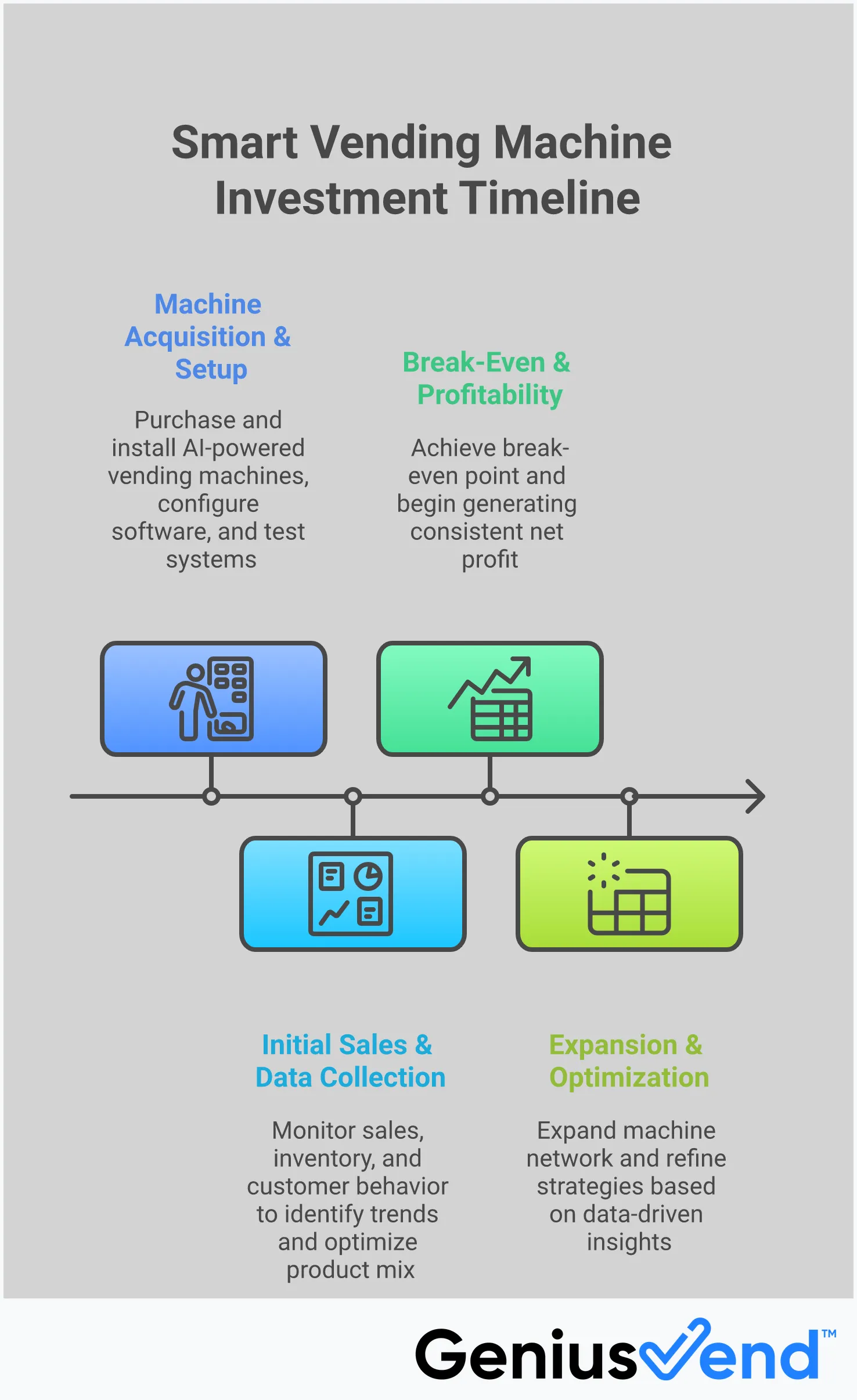
Buying a vending machine is more than just a purchase; it's an investment in your business. Before you commit, it’s essential to understand your potential return on investment (ROI). Calculating your ROI helps you see beyond the initial price tag and forecast your machine's long-term profitability. It’s about figuring out how quickly your new machine will pay for itself and start generating real profit. By projecting your revenue, understanding your break-even point, and keeping an eye on market trends, you can make a confident and informed decision that sets your business up for success.
Project Your Revenue and Profit Margins
First, let's talk numbers. To project your revenue, you need to estimate how many items you'll sell each day. This depends heavily on your location's foot traffic and the products you offer. A good starting point is to research the location and price your items competitively. Your profit margin is the money you make on each sale after accounting for the cost of the product. Smart vending machines give you a huge advantage here, as their data-driven approach helps you track which items are selling best, allowing you to optimize your inventory for maximum profitability.
Determine Your Break-Even Timeline
Your break-even timeline is how long it takes for your machine to earn back its initial cost. The basic formula is: Initial Investment ÷ Monthly Net Profit = Months to Break Even. Your initial investment is the machine's purchase price, while your monthly net profit is your total sales minus the cost of goods and any other operational expenses. Keeping a smart vending machine running requires regular inventory replenishment, but AI-powered systems help you optimize efficiency, which can reduce operational costs and shorten your break-even timeline. By knowing exactly what you need and when, you avoid overstocking and wasted trips.
Compare Traditional vs. Smart Machine Profitability
While smart vending technology represents a higher initial investment than traditional machines, it offers powerful advantages that can lead to greater long-term profitability. AI vending machines are designed to reduce product waste, cut operational costs, and provide deep data insights into what your customers are buying. This information is invaluable for tailoring your offerings. Plus, features like cashless payments and a seamless "Tap, Grab & Go" experience can attract more customers. The enhanced customer experience and operational efficiencies often justify the higher upfront cost by generating more revenue over the machine's lifetime.
Spot Market Trends and Growth Opportunities
The vending industry is growing, and staying aware of market trends can give you a competitive edge. The North America vending machine market is expanding, driven by demand for cashless payments and healthier snack options. Consumers are increasingly looking for convenient, high-quality products, from fresh salads to gourmet coffee. By choosing a versatile smart machine, you can adapt to these trends, offering specialty items that appeal to modern consumers. This flexibility allows you to tap into new growth opportunities and secure your place in an evolving market.
Making the Smartest Purchase for Your Business
You’re not just buying a machine; you’re investing in a core piece of your business. Whether it’s for your office break room or the first unit in a new vending route, the right choice sets you up for success. Thinking through your goals, total costs, and future plans will help you make a purchase you feel confident about for years to come.
Match the Machine to Your Business Goals
Before you even look at a price tag, get clear on what you want this machine to accomplish. Are you an entrepreneur aiming to build a profitable route? Or are you a business owner looking to provide a convenient perk for your employees? Your answer changes everything. A route operator needs top-notch remote management and analytics to run efficiently, while an office manager might prioritize a sleek design and a simple user experience. Choosing a supplier involves looking at more than just the equipment; you need to consider the technology, support, and flexibility that will support your long-term profitability and operational goals.
Evaluate the Total Cost of Ownership
The initial price of a vending machine is only one part of the financial picture. While AI-powered machines have a higher upfront cost than traditional models, they often save you money and generate more revenue over time. Smart vending machines offer huge advantages with features like real-time inventory tracking, AI-powered sales analytics, and a full suite of digital payment options. This technology reduces food waste, minimizes unnecessary restocking trips, and creates a frictionless "Tap, Grab & Go" experience that customers love. Thinking about the total cost of ownership helps you see the bigger picture and understand how a smarter machine is a more valuable long-term investment.
Plan for Growth and Scalability
Your business plans might start with one machine, but where could they be in five years? The vending industry is growing fast, with the North America vending machine market valued at over $10 billion, driven by demand for smart technology and cashless convenience. When you buy your first machine, you’re also choosing a technology partner. Pick a system that can grow with you. Look for a platform that makes it easy to add new machines and manage an entire network from a single app. Choosing a scalable, future-proof solution ensures that as your business expands, your technology can keep up without missing a beat.
Related Articles
- Snack Vending Machine for Sale: A Buyer's Guide
- Where Can I Buy a Vending Machine? A 2025 Guide
- "Vending Machines For Sale Near Me" - Should I Buy New or Used?
- The Essential Mini Vending Machine Guide
- Best-Selling Drinks, Snacks and Candy for Vending Machines
Frequently Asked Questions
Is an AI-powered smart machine really worth the higher price? It’s a great question, and it comes down to thinking about the total value over time, not just the initial price. While a smart machine costs more upfront, it’s designed to make you more money and save you time in the long run. The simple "Tap, Grab & Go" experience encourages more sales, and the remote management tools mean you can run your business from your phone. You’ll make fewer wasted trips for restocking and have the data to stock only what sells, which cuts down on costs and makes your entire operation more efficient.
Besides the machine and the snacks, what other "hidden" costs should I budget for? Thinking about this from the start is so important. Beyond the machine and your initial inventory, you should plan for a few other key expenses. Many locations will ask for a commission or a small monthly fee for the space your machine occupies. You’ll also need business insurance to protect your equipment from things like theft or damage. Finally, it’s always wise to set aside a small fund for any unexpected maintenance or repairs, especially if you decide to start with a used machine.
How do I know if a location is actually good enough for a vending machine? The only way to know for sure is to do a little old-fashioned detective work. Don't just take someone's word for it—go to the potential location and observe it for yourself at different times of the day. Watch the flow of people. Is there consistent foot traffic, or just a quick rush at lunch? A location with a steady stream of people is always a better bet. This also gives you a chance to see who is there, which helps you decide what products would actually sell.
I have a small office breakroom. What's the best type of machine for a limited space? For smaller spaces, you have a couple of excellent options. A combo machine is a classic choice because it offers both snacks and drinks from a single unit, giving people variety without taking up a lot of floor space. An even more flexible choice is a smart cooler. Because of its open design, you can stock anything from drinks and yogurt to fresh salads and sandwiches, all from one compact machine. This allows you to offer a wide range of products that cater perfectly to an office crowd.
I found a cheap used machine online. Is it a safe bet? While a low price is always tempting, buying a used machine from an online marketplace can be a big gamble. These sales are almost always "as-is," which means you have no warranty or support if it breaks down the day after you get it. You also don't know its repair history, and it likely won't have modern features like cashless payments, which will definitely limit your sales. It's often a smarter move to invest in a refurbished or new machine from a reputable supplier who can offer a warranty and support.