

A Realistic Look at Vending Machine Profitability
Running a vending route used to involve a lot of guesswork. You’d drive to a location hoping you had the right products, only to find half your inventory was stale and the other half was sold out. Technology has completely changed the game. Smart vending machines provide real-time data, turning your phone into a command center for your entire business. This isn't just about convenience; it's about making smarter decisions that directly impact your bottom line. By leveraging data to optimize inventory and plan efficient routes, you can dramatically increase your vending machine profitability and build a more resilient, modern operation.
Key Takeaways
- Location and Products Are Your Foundation: The most profitable machines are in high-traffic spots with a captive audience. Use sales data to tailor your product mix to that specific location’s tastes for the best results.
- Understand Your Costs to Protect Your Profit: Your real earnings are what’s left after expenses. Account for everything—product costs, location fees, and fuel—to price items correctly and ensure every sale is making you money.
- Use Smart Technology to Increase Efficiency: Modern vending machines give you the tools to work smarter. Use real-time inventory data to reduce waste, remote management to plan efficient service routes, and cashless payments to make buying easier for customers.
What Really Determines Vending Machine Profit?
So, you’re thinking about getting into the vending business. It’s easy to get caught up in the numbers, but the real secret to a profitable vending machine isn't just about how much you sell—it's about how smart you operate. True success comes down to a powerful trio of factors: placing your machine in the right spot, stocking it with products people actually want, and running your business with efficiency.
Forget the idea of "passive income" for a moment. Profit in vending is the result of good systems, smart choices, and growing your business carefully. It’s an active, hands-on business, but when you get these core elements right, you create a reliable stream of revenue. Let's break down what it takes to build a vending operation that doesn't just survive, but thrives.
Why Location is Everything
Think of your vending machine like a tiny retail store. You wouldn't open a shop on a deserted street, right? The same logic applies here. The single most important factor for your machine's success is its location. A machine placed in a high-traffic area with a captive audience is going to outperform one in a quiet corner every single time. We're talking about places where people are looking for quick, convenient options.
The most profitable locations are often busy hubs like office buildings, hospitals, college campuses, factories, and apartment complexes. These spots have a steady flow of people who might need a snack or a drink throughout the day.
Stocking the Right Products
Once you've secured a great location, your next move is to fill your machine with the right stuff. This isn't a one-size-fits-all game. The products that sell well in a gym (think protein bars and electrolyte drinks) will be very different from what sells in a high school (chips and candy). The key is to understand the demographic of your location and cater directly to their tastes.
Don't be afraid to think beyond the standard chips and soda. While those are classics for a reason, offering unique or specialty items can set you apart and allow for higher profit margins. The goal is to become the go-to spot for your customers' cravings.
Running a Lean Operation
A great location and popular products are just two pieces of the puzzle. The third is running an efficient, well-managed operation. This means keeping a close eye on your inventory, minimizing waste, and optimizing your restocking routes. Wasted trips to a machine that’s still full or losing sales because a popular item is sold out can eat into your profits quickly.
This is where modern technology makes a huge difference. Smart vending machines give you real-time data on sales and inventory levels, so you know exactly what’s selling and when to restock. Using a vending management system allows you to track your performance from anywhere, making smarter decisions that save you time and money. A lean operation is a profitable one.
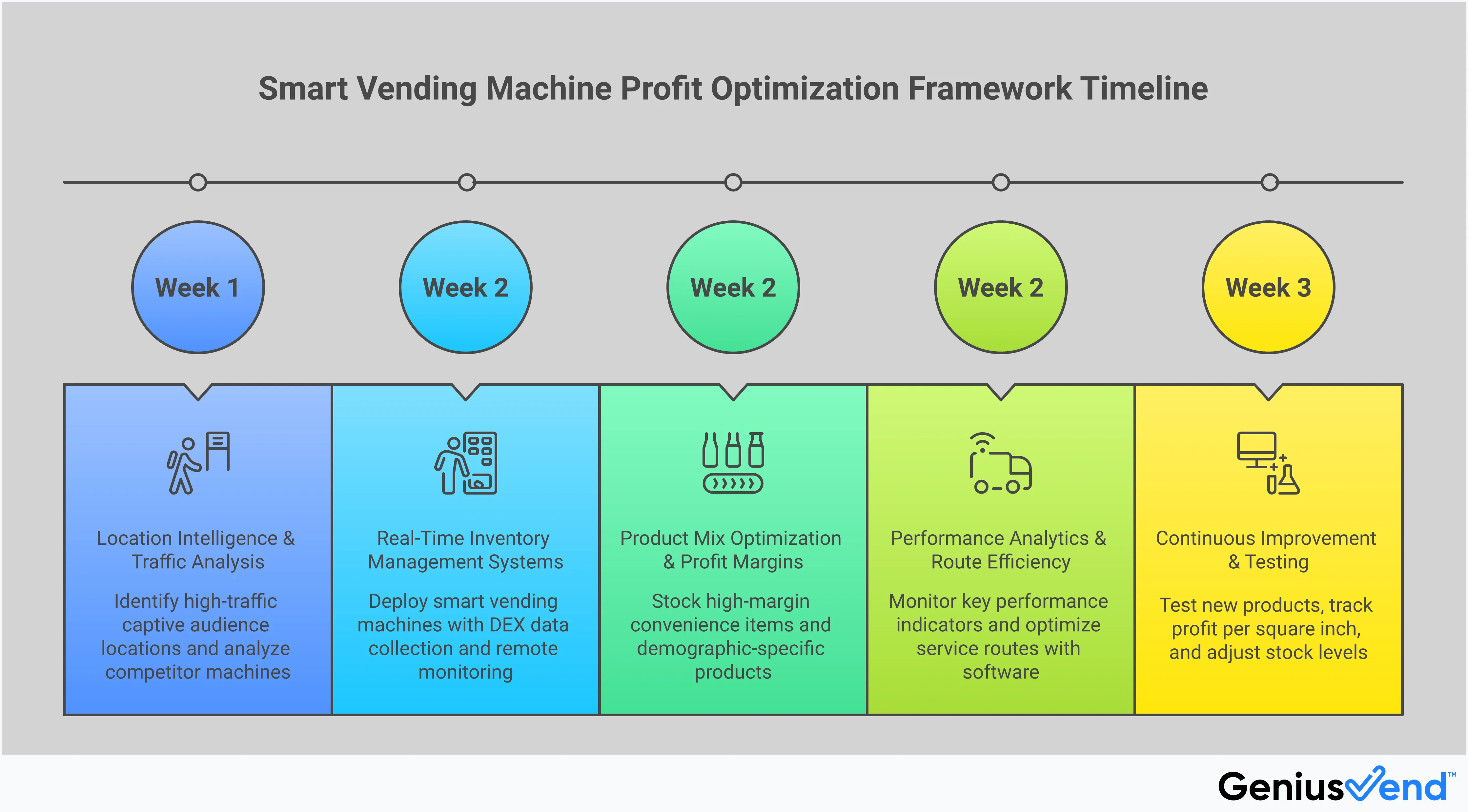
How Much Can You Really Make with Vending Machines?
Let's get straight to the point: you want to know if a vending machine business is actually profitable. The short answer is yes, it absolutely can be. But the amount of money you can make isn't a fixed number. It depends on a mix of smart strategy, good locations, and efficient operations. Think of it less like a get-rich-quick scheme and more like building a small, scalable business. Your income will be a direct result of the effort and planning you put in. Below, we’ll break down what you can realistically expect to earn, what separates simple revenue from real profit, and how long it might take to see a return on your investment.
Breaking Down the Numbers
When you look at the averages, a single vending machine can generate over $300 in gross revenue each month. That breaks down to about $75 or more per week in sales. Of course, that’s not all take-home pay. After you account for the cost of products, your net profit will likely be in the range of $40 to $120 per machine each month. This reflects a healthy profit margin of 25-35%. While one machine can provide a nice bit of side income, you can see how the profits start to multiply as you add more machines to your route, especially when you find highly profitable locations.
Understanding Revenue vs. Real Profit
It’s easy to get excited by gross sales, but your real focus should be on net profit—the money you actually keep. The difference between the two comes down to your operating costs. Making money with vending machines is about more than just collecting cash; it’s about smart management. The most significant factors that influence your realistic vending machine profits are the quality of your locations, the products you sell, your pricing strategy, and how efficiently you manage your inventory and service your machines. Every dollar you save on stale products or wasted trips is a dollar that goes directly into your pocket.
How Quickly You'll See a Return
A new vending machine is a significant upfront investment, so it’s natural to wonder how long it will take to earn that money back. Typically, a well-placed and properly managed machine can pay for itself within 12 to 18 months. It’s important to be patient during this initial period as you recoup your startup costs. Once the machine is paid off, it becomes a powerful source of passive income. This timeline is often the turning point where operators feel confident enough to expand their route, transforming a side hustle into a full-time business with multiple profitable machines.
How to Find Money-Making Vending Locations
If there’s one golden rule in the vending business, it’s this: location is everything. You could have the best machine stocked with the most delicious snacks, but if no one is around to buy them, you won’t make a dime. Finding the right spot is the single most important step in building a profitable vending route. It’s not about finding just any location; it’s about finding the right one for your machine and products. Let’s walk through how to scout and secure those money-making spots.
Identifying High-Traffic Hotspots
The best locations have what’s called a “captive audience”—a steady group of people who are there for extended periods with limited access to other food and drink options. Think beyond just foot traffic. You’re looking for places where people work, wait, or study. Prime examples include office buildings, manufacturing plants, hospitals, car dealerships, and college dorms. These are places where a quick, convenient snack or drink isn’t just a want, it’s a need. When you start your search, make a list of these types of businesses in your area and begin your research there. The right location is crucial for consistent vending machine profit.
Knowing Your Customer
Once you have a potential location type in mind, think about the people who are there every day. The product mix for a high-end corporate office will look very different from the one for a blue-collar factory or a community gym. A gym audience will likely want protein bars, electrolyte drinks, and healthy snacks. An office might prefer premium coffee, sparkling water, and fresh food options for lunch. Don’t assume a one-size-fits-all approach will work. Pay attention to the demographics and cater your offerings to their preferences. This is where smart vending machines shine, as they can track sales data to help you perfect your product lineup.
Sizing Up the Competition
Before you ever approach a location manager, do some recon work. Visit the site and see what, if any, vending options are already available. Is there an old, clunky machine tucked away in a corner that only takes cash? That’s a huge opportunity. Many business owners are unhappy with their current vending service but don’t have the time to find a replacement. If you can offer a modern, reliable machine with cashless payment options, you have a powerful advantage. As many operators will tell you, having a good spot without direct, modern competition can make all the difference in your earnings.
Securing the Best Deal
Finding a great location is only half the battle; you also have to secure it. This means approaching the business owner or property manager with a professional pitch. Don’t just ask to place a machine—explain the value you’re providing. Highlight the benefits for their employees or customers, such as convenient access to a wide variety of products and a seamless payment experience. Building a good rapport with the decision-maker is key. A friendly, professional relationship will not only help you secure the location but also ensure you get a prime spot within the building and maintain a successful partnership for years to come.
What Are the Most Profitable Products to Stock?
Once you’ve secured a great location, your next big profit lever is your product mix. Stocking the right items is a game of knowing your customer and paying close attention to what sells. A machine in a gym will have a completely different set of best-sellers than one in a corporate office or a factory breakroom. The beauty of a smart vending machine is that it gives you real-time data, so you can stop guessing and start making decisions based on what people are actually buying. This lets you fine-tune your inventory, reduce waste from expired products, and keep your customers coming back for their favorite items. Ultimately, a well-curated selection tailored to the specific location is what separates an average machine from a truly profitable one.
Top-Selling Snack Categories
While classic chips and candy bars are vending staples for a reason, thinking outside the box can make a huge difference. The best items to sell often include convenience items that solve an immediate problem. For example, in an office or manufacturing plant, over-the-counter medicines like Tylenol or Advil can be incredibly popular. You’re not just selling a snack; you’re selling relief. Consider the daily rhythm of your location. Are people looking for a mid-morning pick-me-up or a late-afternoon treat? Stocking a mix of sweet, salty, and savory options ensures there’s something for every craving. Don’t be afraid to test different brands to see what resonates with your specific audience.
The Most Profitable Drinks
Beverages typically offer some of the best profit margins in vending. Energy drinks like Monster and Rockstar are consistent top performers, especially in locations with long hours or physically demanding work. Sports drinks like Gatorade are also a safe bet, particularly in gyms, schools, or outdoor-adjacent spots. Beyond the obvious, think about the specific needs of the people you’re serving. For a location with a night shift, breakfast items like orange juice and pastries can be a huge hit. And if you’re using a smart freezer like those from Genius Vend, offering frozen meals can be a game-changer for employees who can’t leave the site for a proper lunch break.
Tapping into Healthy and Niche Markets
Today’s consumers are more health-conscious than ever, and your vending machine should reflect that. Offering healthy alternatives isn’t just a trend; it’s a smart business strategy that can attract a much broader customer base. Think about stocking items like protein bars, granola, baked chips, trail mix, and sparkling water. You can also cater to niche dietary needs with gluten-free, vegan, or keto-friendly snacks. Providing these specialized options shows you understand your customers’ preferences and can turn your machine into the go-to spot for everyone, not just those looking for a sugar rush. This builds loyalty and ensures repeat business from patrons who appreciate the thoughtful selection.
Using Seasons to Your Advantage
A static product lineup can get stale. A simple way to keep things fresh and exciting is to rotate your inventory with the seasons. This strategy shows customers that you’re paying attention and gives them a reason to check out your machine regularly. In the colder months, consider adding items like hot chocolate pods, peppermint-flavored snacks, or even hand warmers. When summer rolls around, you can swap those out for ice cream, popsicles (if you have a smart freezer), iced coffee, and other refreshing treats. Introducing these seasonal items can create a sense of urgency and novelty, encouraging impulse buys and keeping your sales strong all year long.
The True Cost of Running a Vending Machine
Before you start picturing the cash rolling in, it’s important to get a clear-eyed view of the expenses involved in running a vending machine business. True profitability isn't just about the sales you see on a screen; it's about what's left in your pocket after every single cost is accounted for. Many aspiring operators get excited about potential revenue without fully grasping the costs that come with it. From the initial purchase of the machine to the gas you use on your restocking route, several expenses can quietly eat away at your margins. Getting a handle on these costs from the very beginning is one of the most important things you can do. It helps you create a realistic business plan, price your products correctly, and avoid surprises down the road. This isn't meant to discourage you, but to empower you with the knowledge to build a truly profitable operation. Let's break down the real costs you can expect to encounter.
Your Upfront Investment
The first major expense is the machine itself. This is your biggest initial hurdle, and the price can vary quite a bit depending on whether you buy new or used. A single new vending machine typically costs between $5,000 and $6,000. While a used machine might seem like a bargain, it could come with higher maintenance needs down the road. This upfront investment also includes the initial stock of products to fill your machine. Think of this as the foundation of your business—a solid, reliable machine is crucial for long-term success, so it’s worth investing wisely from the start.
Day-to-Day Operating Costs
Once your machine is in place, you’ll have ongoing costs to keep it running. The most significant of these is your inventory. Product costs usually account for 30% to 50% of your selling price, so managing your stock efficiently is key to protecting your margins. If you place your machine in a business or public space you don't own, you'll also likely pay a commission to the location owner. This can be a percentage of your sales, often between 5% and 15%, or a flat monthly fee. These are the predictable, recurring expenses that you’ll need to factor into your monthly budget to stay on track.
Uncovering Hidden Fees and Commissions
Beyond the obvious costs of machines and inventory, there are several "hidden" expenses that can sneak up on you. Things like fuel for your vehicle to restock locations, routine vehicle upkeep, credit card processing fees, business insurance, and unexpected repairs all add up. One operator noted that after factoring in labor and travel, their estimated yearly profit dropped significantly. These smaller, often overlooked costs can make a big difference in your actual take-home pay, so it’s essential to track them carefully to understand your true profitability and avoid any end-of-year financial surprises.
Factoring in Maintenance and Restocking
Your time is valuable, and the hours you spend on maintenance and restocking are a real cost to your business. For each traditional machine, you can expect to spend a few hours every month cleaning it, fixing any issues, and managing your relationship with the location owner. This hands-on work is a necessary part of the job. However, modern solutions can help you work smarter, not harder. For instance, AI-powered smart vending machines can track inventory in real-time, letting you know exactly what’s needed before you even leave the house. This streamlines your restocking trips and reduces the time spent on manual inventory checks.
How Smart Vending Increases Your Profits
Running a vending business used to involve a lot of guesswork. You’d stock a machine and hope for the best, only finding out what sold (and what didn’t) when you showed up to restock it. But technology has completely changed the game. Smart vending machines aren’t just a cool upgrade; they are powerful tools designed to make your business more efficient and profitable from day one.
Instead of reacting to old sales data, you can make proactive decisions based on what’s happening in your machines right now. By leveraging real-time data, remote management, and a frictionless payment process, you can build a more resilient and profitable vending business. These machines give you the insights you need to fine-tune every aspect of your operation, from the products you stock to the routes you drive. Let’s look at exactly how this technology translates into more money in your pocket.
Smarter Inventory, Less Waste
One of the biggest drains on profit for a traditional vending operator is poor inventory management. Every expired bag of chips or melted chocolate bar is money down the drain. At the same time, an empty slot for a best-selling drink is a missed sale. Smart vending machines solve this problem by giving you a live look at your inventory levels. You know exactly what’s selling and what’s sitting on the shelf.
This means you can stop guessing and start making data-driven stocking decisions. AI vending machines give you the data you need to make smart, profitable choices. You can optimize your product mix for each location, ensuring you always have enough of the top sellers on hand while reducing waste from unpopular items. This efficiency leads to higher sales, lower costs, and ultimately, a healthier bottom line.
Managing Your Business from Anywhere
How much time and gas do you spend driving to a machine just to find out it barely needs servicing? With smart vending, those wasted trips are a thing of the past. The ability to manage your entire route from your phone is a massive advantage. You can check sales, monitor inventory, and see the status of all your machines in real-time without ever leaving your home.
This level of control allows you to plan your restocking routes with incredible efficiency. You only visit the machines that actually need attention, saving you time, fuel, and labor costs. The Genius Vend operator’s app puts all this information at your fingertips, turning your smartphone into a central command center for your business. This means you can run a leaner operation and spend your valuable time on activities that actually grow your business.
Why Cashless Means More Cash
Think about the last time you paid for something with cash. For many people, it’s been a while. If your vending machine only accepts coins and bills, you’re missing out on a huge number of potential sales. Today’s customers expect convenient, modern payment options. Smart vending machines cater to this by accepting credit cards, debit cards, and mobile payments like Apple Pay and Google Pay.
Making it easy for customers to buy is one of the simplest ways to increase your revenue. The "Tap, Grab & Go" experience removes friction from the buying process, encouraging more impulse purchases. When a customer can simply tap their phone or card, they’re more likely to buy. This technology makes running your business easier and more profitable by meeting customers where they are and ensuring you never miss a sale because someone didn’t have cash.
Using Data to Make Better Decisions
Beyond just tracking sales, smart vending machines provide deep insights into customer behavior. This data is your secret weapon for maximizing profits. You can see what time of day is busiest, which products are often purchased together, and how new items perform. This information allows you to strategically tailor your offerings for each specific location.
Genius Vend's AI-powered analytics can even suggest promotions or new products based on purchasing patterns. This technology helps you optimize your product mix based on what actually sells, not what you think will sell. You can test new snacks, run targeted promotions during peak hours, and create a custom vending experience that keeps customers coming back. Using this data effectively turns your vending machines into highly efficient, data-powered business assets.
How Many Machines Do You Need to Be Profitable?
This is the million-dollar question, isn't it? The truth is, there’s no magic number. Profitability in the vending world is less about a specific number of machines and more about building a smart, efficient operation. You can be profitable with just a few well-placed machines, or you could struggle with dozens in the wrong spots. The journey from a single machine to a full-time income is a process of learning, scaling, and optimizing. Let’s break down what that looks like at each stage.
The Economics of One Machine
Starting with a single machine is your training ground. It’s where you’ll learn the ropes without a massive upfront investment. On average, a single vending machine can generate a net profit of $40 to $120 per month. While that might not sound like a lot, it’s a solid start, and most machines will pay for themselves within 12 to 18 months. Think of your first machine as your hands-on business school. It will teach you about customer preferences, ideal product mixes, and how to manage inventory. This initial phase is crucial for understanding the fundamentals before you even think about expanding.
Strategies for Growing Your Route
Once you’ve mastered your first machine, you can start thinking about growth. Scaling from one to five or ten machines is where you transition from a side hustle to a real business. This is also where efficiency becomes your best friend. You can’t be everywhere at once, so you need systems. As you grow, you should focus on automation and data to manage your route effectively. Smart vending machines are a game-changer here, allowing you to track sales remotely and know exactly what needs restocking. The key to a profitable vending machine business is building strong relationships with your locations and using the right tools to track performance.
Calculating Your Break-Even Point
Your break-even point is when your machine has officially paid for itself. This typically happens within 6 to 24 months, but it depends on your initial investment and ongoing costs. To figure this out, you need to understand the true cost to run a vending business. Product costs will eat up 30% to 50% of your sales price, and location fees can take another 5% to 15%. Once you have a handle on these numbers, you can project your path to profitability. Many operators find that once they have 15 or more machines, they can start generating a reliable part-time income. The secret is having an efficient operational system in place to manage it all.
Avoid These Profit-Killing Vending Mistakes
Starting a vending business is exciting, but it’s easy to get tripped up by a few common hurdles. Think of these as rookie mistakes that can quietly drain your profits before you even realize what’s happening. The good news is that they are entirely avoidable. By understanding where operators often go wrong, you can build a smarter, more resilient business from day one.
Getting the big things right—like your location, inventory, and pricing—sets the foundation for everything else. It’s not about avoiding every single misstep, but about creating solid systems that protect your time, investment, and bottom line. Let’s walk through the four biggest profit-killers and, more importantly, how you can steer clear of them. With a little foresight, you can sidestep these issues and focus on what really matters: growing your route and increasing your income.
Choosing the Wrong Location
You could have the best machine stocked with the most popular products, but if it’s in the wrong place, it won’t make money. Location is the single most important factor in your vending business’s success. A common mistake is settling for the first spot that says “yes” without doing your homework. You need a location with consistent foot traffic and a captive audience—people who are looking for a quick and convenient snack or drink. Think of places like factory break rooms, busy hospitals, university common areas, or large office buildings. These are spots where people can't easily leave to grab something, making your machine the perfect solution.
Mismanaging Your Inventory
Guessing which products to stock and when to restock is a recipe for lost profits. Show up too early, and you’ve wasted gas and time. Show up too late, and you’ve missed out on sales from an empty machine. Effective inventory management is what separates a hobby from a real business. Using data to see what’s selling and what’s not allows you to optimize your product mix for each specific location. This is where smart vending truly changes the game. With remote monitoring, you know exactly what’s needed before you even leave the house, turning your restocking trips into efficient, profit-driven stops.
Neglecting Maintenance and Marketing
A dirty, poorly lit, or out-of-order machine doesn’t just lose a single sale—it loses customer trust. Regular maintenance is non-negotiable. This means keeping the machine clean, ensuring all payment systems are working, and checking that the temperature is correct. Beyond basic upkeep, think about marketing. Your machine is a mini-storefront. Make it look appealing with bright, clear signage or even a custom wrap. A professional-looking machine not only attracts more customers but also shows the location owner that you’re a serious and reliable business partner.
Common Pricing Pitfalls
Pricing your products can feel like a guessing game, but it needs to be a calculated decision. Simply matching corner store prices or undercutting competitors without knowing your numbers is a fast track to failure. A good rule of thumb is that your product cost should be between 30-50% of your selling price. You also have to account for commissions paid to the location owner, which can range from 5-15% of your gross sales. Forgetting to factor in these commissions is a frequent mistake that can completely wipe out your profit margin. Do the math on every product to ensure each sale is actually making you money.
How to Track Your Performance and Profits
Running a successful vending business means being the CEO of your route, and that requires knowing your numbers inside and out. Guessing which products are selling or when a machine needs a refill can lead to wasted inventory and missed sales. Tracking your performance isn't just about counting the cash you collect; it's about understanding the health of your business so you can make smart decisions that lead to growth. By consistently monitoring your sales and profits, you can fine-tune your operations, identify your best-performing locations, and build a truly profitable vending route.
Key Metrics to Watch
To get a clear picture of your business's health, you need to look beyond the total cash in the drawer. The most important metric is your Net Profit per Machine. After accounting for product costs, fees, and other expenses, a well-placed machine should have a net profit of 25% to 35% of its gross revenue. This often translates to about $40 to $120 per machine each month. Another key figure is the Average Monthly Revenue, which can range from $200 to $500 for a standard machine. Tracking these figures helps you understand the realistic vending machine profits you can expect and identify which machines are your all-stars.
Simple Ways to Track Sales
Accurate tracking starts with consistent data collection. The most effective operators track everything, from sales of individual items to the cash flow of each machine. This allows you to see which products are hits and which are duds, helping you optimize your inventory for every location. For traditional machines, you can pull sales data from DEX files or simply keep a detailed spreadsheet where you manually log sales after each service visit. While it takes discipline, creating a clear record of your sales is the only way to move from guesswork to a data-driven strategy. This information is your roadmap to making better stocking and pricing decisions.
Tools for Analyzing Profitability
Once you start collecting sales data, the right tools can help you turn those numbers into actionable insights. Many operators use vending management software (VMS) to track inventory, plan service routes, and analyze sales reports. These platforms are a huge step up from spreadsheets. Even better, modern AI vending machines have this technology built right in. They automatically track every transaction in real time and send the data straight to an app on your phone. This gives you an instant, up-to-the-minute view of your entire business, allowing you to see what’s selling, manage inventory remotely, and make profitable decisions on the fly.
Playing the Long Game: How to Maximize Your Profits
Once your vending business is up and running, the real work begins. Profitability isn't just about the initial setup; it's about consistent effort and smart, long-term strategy. Maximizing your profits over time comes down to continuously improving your operations, maintaining strong relationships with your location partners, and strategically planning your next move. Focusing on these key areas helps you build a sustainable and increasingly profitable vending route.
Fine-Tuning Your Performance
The days of guessing which snacks will sell are over. To maximize your profits, let data guide your decisions. Modern AI-powered smart vending machines are game-changers because they provide a constant stream of information. You can see exactly what’s selling and what’s not, in real-time. This allows you to optimize your product mix, reduce waste from expired items, and ensure your bestsellers are always in stock. By paying close attention to these sales analytics, you can make small adjustments that lead to significant gains, turning your machines into highly efficient, data-driven assets.
Keeping Your Locations Happy
Your relationship with your location manager is one of your most valuable assets. A happy location partner means a secure, long-term home for your machine. The key is simple: provide great service. This means keeping the machine clean, fully stocked, and running smoothly. It also means listening to their feedback. If they mention people are asking for healthier options or a specific brand of soda, take note. Selecting the right products is crucial for keeping their employees or visitors satisfied and coming back for more. A little attentiveness goes a long way in building a strong partnership.
Planning Your Route Expansion
Growing from one machine to a full route is how you build real wealth in this business. But expansion needs to be strategic. Don't just add machines for the sake of it; focus on securing other high-traffic locations that can significantly increase your sales. Before you expand, make sure your current operations are solid. You need a reliable system for restocking and maintenance that can handle more volume. This is where remote management tools become essential, allowing you to monitor all your machines from your phone. A well-planned expansion, built on a strong foundation, is the most effective way to scale your business.
Related Articles
- Auto Vending Machine Business: The Ultimate Guide
- Where Can I Buy a Vending Machine? A 2025 Guide
- Where to Buy a Vending Machine: The Ultimate Guide
- Buy a Vending Machine Near Me: The Ultimate Guide
- The True Cost to Buy a Vending Machine in 2025
Frequently Asked Questions
Is a vending machine business truly passive income? While a well-run vending route can create a reliable stream of income, it's not entirely passive, especially at the beginning. Think of it as an active business that requires smart management. The real work is in finding great locations, understanding your customers, and creating efficient systems for restocking. Once those systems are in place, the day-to-day work becomes much more streamlined, but it always requires your attention to be truly profitable.
What's the best way to approach a business about placing a machine? Confidence and professionalism are key. When you approach a location manager, don't just ask for a spot—explain the value you're offering their employees or customers. Highlight the benefits of a modern machine with convenient cashless payment options and a product selection tailored to their specific environment. Frame it as a no-cost amenity you're providing for them, and be prepared to answer questions about your service and reliability.
How much money do I actually need to get started with my first machine? Your biggest upfront cost will be the machine itself, which can run between $5,000 and $6,000 for a new, reliable model. On top of that, you should budget a few hundred dollars for your initial inventory to fully stock the machine. Factoring in business registration and insurance, a safe estimate to get your first machine up and running is typically in the $6,000 to $7,000 range.
Do I really need a smart vending machine, or can I succeed with a traditional one? You can certainly start with a traditional machine, but a smart machine is an investment in efficiency that pays for itself. It eliminates the guesswork that sinks many new operators. Instead of driving to a location to discover what you need, you know your inventory levels in real-time from your phone. This saves an incredible amount of time and fuel, reduces product waste, and ensures you never miss a sale on a popular item.
How do I know what to charge for my snacks and drinks? A solid starting point is to ensure your product cost is between 30% and 50% of the final selling price. You also need to factor in any commission you pay to the location owner, which is typically 5% to 15% of your gross sales. Don't just copy prices from the local convenience store; do the math for your own business to make sure every single sale is contributing to your bottom line.
