

The vending machine you remember from your school cafeteria is a thing of the past. Today’s industry is driven by smart technology that offers customers a seamless "tap, grab, and go" experience. This evolution in technology is the biggest factor influencing how much to buy a vending machine. A basic, traditional coil machine has a very different price point than an AI-powered smart cooler that can track inventory in real-time. This guide will explain the price differences between machine types, explore the ongoing operational costs, and show you how investing in smarter technology can lead to higher profits and a more efficient business.
Key Takeaways
- Budget for more than just the machine: The sticker price is your starting point, but a true budget includes ongoing costs like stocking products, location commissions, and maintenance to accurately plan for profitability.
- Choose technology that works for you: Modern features like cashless payments and remote inventory tracking are crucial for increasing sales and saving time, making them a smart investment that directly impacts your bottom line.
- Your location determines your budget: A great location justifies a better machine. Analyze the foot traffic and potential revenue of a spot before you shop, as this will tell you exactly what kind of machine you need and can afford.
How Much Does a Vending Machine Really Cost?
Figuring out the price of a vending machine can feel a bit like asking, "How much does a car cost?" The answer is: it depends! The price tag can swing from a few hundred dollars for a simple, used machine to over $10,000 for a brand-new, high-tech model. The final cost comes down to a few key factors: whether it’s new or used, the technology it includes, and what it’s designed to sell.
Think of it this way: a basic gumball machine is going to have a very different price than a smart cooler that lets customers grab a fresh salad and pay with their phone. As you start your search, you’ll see prices for everything from refurbished snack machines to state-of-the-art smart freezers. Understanding the different types and their features is the first step to creating a realistic business budget. Let's break down the numbers so you can find the right machine that fits your goals and your wallet.
New vs. Used Machines
One of the first decisions you'll make is whether to buy a new or used machine. A used machine can be a great entry point, with prices typically ranging from $200 to $3,000. This lower upfront cost can make it easier to get your business off the ground. However, you might inherit some wear and tear, face potential repair costs, and miss out on modern features like cashless payments. On the other hand, a new machine generally costs between $1,000 and $10,000. While it's a bigger investment, you get the peace of mind of a warranty, the latest technology, and a machine that’s ready to work reliably from day one.
Smart Vending Machine Pricing
Smart vending machines are where the industry is heading, and their pricing reflects their advanced capabilities. These machines often feature AI-powered shopping, touchscreens, and remote management systems that let you track inventory from your phone. Because they offer a seamless "tap, grab, and go" experience, they can generate more sales and require less hands-on work. Our AI-powered smart coolers, for example, are designed to give you a competitive edge. The investment is higher, but the return in customer satisfaction and operational efficiency often makes it worthwhile.
Traditional Machine Pricing
When you picture a classic vending machine with coils that push out snacks and drinks, you're thinking of a traditional machine. These are still workhorses in the industry. A used traditional machine will typically run you between $1,200 and $3,000. If you're buying new, expect to pay anywhere from $3,000 to $10,000. These machines are straightforward and reliable for standard vending needs, but they lack the advanced analytics, payment options, and flexible inventory management that define their smarter counterparts. They get the job done, but they don't offer the same growth potential.
A Look at Prices by Machine Type
The type of product you plan to sell heavily influences the machine's cost. A standard snack machine might cost between $2,500 and $9,000 new, depending on its size and features. Drink machines that dispense cans and bottles often fall in a similar range, from about $3,000 to $6,000 for a new model. Combo machines that offer both snacks and drinks will have their own price points. If you're looking into specialized equipment like smart freezers for ice cream or coolers for fresh food, the price will reflect the more complex temperature control and technology required to start your vending business.
What Drives a Vending Machine's Price?
When you start shopping for a vending machine, you'll quickly notice that prices are all over the map. One machine might be listed for a few hundred dollars, while another costs as much as a small car. So, what gives? The price tag on a vending machine isn't arbitrary; it’s a reflection of its capabilities, technology, and construction. Understanding these key factors will help you choose a machine that fits both your budget and your business goals.
Think of it like buying a vehicle. A basic sedan will get you from point A to point B, but a high-performance truck with all the latest tech is built for heavier-duty tasks and comes with a higher price. Similarly, a simple, used gumball machine has a very different job than a brand-new, AI-powered smart cooler. From size and payment options to temperature control and AI features, each element plays a role in the final cost. Let's break down the six main factors that determine how much you'll invest in your new machine.
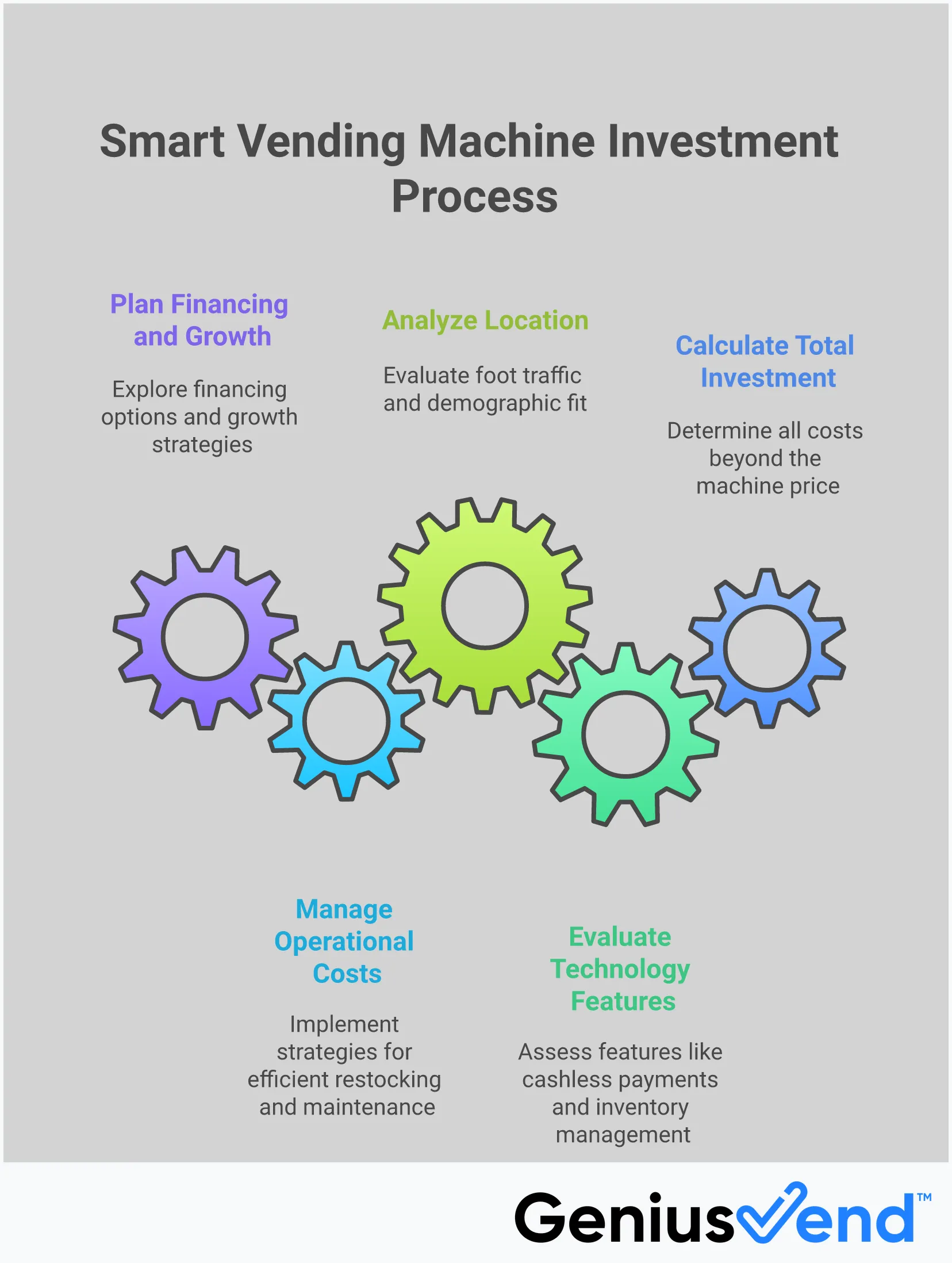
Size and Capacity
It might seem obvious, but the physical size of a vending machine and the number of products it can hold directly impact its price. A small countertop machine for a single type of snack will naturally cost less than a large, freestanding combo machine that offers dozens of snack and drink options. When choosing, think about your location's foot traffic and sales potential. A machine that’s too small will constantly sell out, leading to lost revenue and frustrated customers. A machine that’s too large for a slow location means your money is tied up in a bigger-than-necessary asset.
Payment Technology
How your customers pay is a huge factor in a machine's cost. A basic model might only accept coins and dollar bills, keeping the price low. However, we live in an increasingly cashless world. Machines equipped with credit card readers and mobile payment systems like Apple Pay or Google Pay cost more upfront but can significantly increase your sales. More advanced machines also offer remote inventory monitoring, which allows you to track sales and stock levels from your phone, adding to the machine's value and price.
Temperature Control
Do you plan to sell ice-cold sodas, fresh sandwiches, or frozen treats? If so, you’ll need a machine with refrigeration or freezer capabilities, which adds to the complexity and cost. The technology required to maintain a consistent temperature is more sophisticated than what’s needed for shelf-stable items like chips and candy. This is why a standard snack machine can cost a few thousand dollars, while a refrigerated or frozen model can easily climb toward the $10,000 mark. The ability to offer a wider variety of products, however, can justify the higher initial investment.
Smart Features and AI
This is where vending technology gets really exciting. Smart vending machines are equipped with features like interactive touchscreens, remote management, and AI-powered checkout. Instead of traditional coils, a smart cooler from Genius Vend uses cameras and sensors to know what a customer takes, offering a seamless "Tap, Grab & Go" experience. These advanced systems cost more, but they provide invaluable data, reduce maintenance issues, and create a modern, user-friendly experience that can set your business apart and drive more sales.
Brand and Build Quality
Just like with any major purchase, the manufacturer's reputation and the machine's build quality matter. A machine from a well-known, reputable brand will likely cost more than one from an unknown company, but you're paying for reliability and peace of mind. A durable machine made with high-quality materials is less likely to break down, saving you money on repairs and preventing lost sales from downtime. Investing in a quality build from the start is often a smarter financial decision for the long run.
Customization
A standard-issue vending machine gets the job done, but a customized one can become a marketing tool. Customization options range from simple vinyl wraps with your company's logo to fully interactive touchscreens that can display ads and promotions. These features make the machine more visually appealing and engaging for customers, which can lead to higher sales. While customization adds to the initial cost, it can help your machine stand out in a busy location and strengthen your brand identity.
Don't Forget These Ongoing Expenses
The sticker price of a vending machine is just the first step. To truly understand your investment and map out a path to profitability, you need to account for the ongoing costs of running your business. These recurring expenses will be part of your monthly budget, so it’s smart to plan for them from day one. Think of these not as surprise costs, but as predictable parts of your business plan that you can manage and optimize over time. Let's break down the most common costs you'll encounter after you've purchased your machine.
Installation and Setup
Getting your machine from the warehouse to its final, customer-ready location involves a few costs. You’ll need to think about professional delivery and installation, especially for larger or more complex machines. Some locations might require minor electrical work to accommodate the machine, or you may need to pay for specific placement and setup services to ensure everything is level, plugged in, and running perfectly before you walk away. Factoring this in upfront prevents any day-one surprises.
Location Fees and Commissions
Securing a great location often comes with a price. Most property owners will require a commission, which is a percentage of your machine's monthly sales. This fee can range anywhere from 5% to 25%, depending on the foot traffic and desirability of the spot. This is a significant operating expense, so it’s crucial to negotiate a rate that works for your bottom line. Always get your agreement in writing and consider having a lawyer review the location contract to protect your interests.
Insurance and Permits
Just like any other small business, you'll need to handle some administrative tasks. This includes getting the right insurance to cover liability in case of accidents or machine malfunctions. You’ll also need to research the specific business licenses and permits required by your city and state to operate legally. These requirements vary widely by location, so a quick call to your local municipal office is a great first step to find out exactly what you need to get started on the right foot.
Maintenance and Repairs
To keep the sales coming in, your machine needs to be in top working condition. Set aside a portion of your budget for routine maintenance, like cleaning and servicing the payment systems. You also need a fund for unexpected repairs. A bill acceptor might jam or a cooling unit could fail. Being prepared for these fixes ensures you can get your machine back online quickly, minimizing downtime and lost revenue. Proactive care is always cheaper than reactive repairs.
Stocking Your Machine (Inventory)
Your products are your biggest and most frequent expense. The cost to stock a machine can range from a few hundred to a couple of thousand dollars, depending on its size and the types of items you sell. This isn't a one-time cost; you'll be replenishing your inventory constantly. Smart inventory management is key here—you want to stock enough to meet demand without tying up too much cash in products that aren't selling. This is where data from a smart machine really helps.
Delivery and Transportation
Getting your products from the supplier to your machines costs money. Whether you're driving your own vehicle or using a delivery service, you need to account for fuel, vehicle maintenance, and your time. Planning efficient restocking routes is essential for keeping these transportation costs low. Using a remote management system can help you know exactly what’s needed at each machine before you even leave the house, saving you from making unnecessary trips.
Power and Energy Use
Your vending machine needs electricity to run 24/7, and that power isn't free. While it’s usually not a huge expense for a single machine, the cost can add up as you expand your route. When choosing a machine, look for energy-efficient models to keep this ongoing cost as low as possible. It's a small but consistent expense that you should factor into your monthly profit calculations for each location to get a true picture of your earnings.
Smart Ways to Finance Your Machine
Seeing the price tag on a new smart vending machine can feel like a roadblock, but it doesn’t have to be. The initial investment is your biggest hurdle, and plenty of financing routes are available to help you clear it. Whether you’re buying your first machine or adding a tenth to your route, you don’t need to have all the cash on hand.
Think of financing as a tool to get your business earning money faster. Instead of saving for months, you can get a machine placed and generating revenue right away, letting it essentially pay for itself over time. From simple payment plans to business loans and leasing, there’s a path that fits your financial situation. The key is to understand your options so you can choose the one that makes the most sense for your business goals and cash flow. Let’s walk through the most common ways to fund your new vending machine.
Payment Plans
If you want a straightforward way to break down the cost of a machine, a payment plan is a great option. This approach makes budgeting predictable and manageable by splitting the total price into fixed monthly payments over a set period. Some financing partners, like Abunda, even use soft credit checks, so you can see what you qualify for without impacting your credit score. With payments spread out, you can get your machine up and running while keeping more cash in your pocket for inventory and other startup expenses. It’s a simple, direct way to manage a large purchase without draining your bank account.
Business Loans
A traditional business loan is another solid path for funding your vending venture. Unlike a payment plan that’s tied to a single purchase, a loan provides a lump sum of cash to cover more than just the machine. You can use the funds for initial product stock, location fees, or even a vehicle for your route. Lenders who specialize in vending machine business financing understand the industry's needs and can offer flexible terms. This option is ideal if you’re planning a larger-scale launch or expanding your existing business and need capital for multiple expenses at once. It gives you the financial flexibility to get all your ducks in a row from the start.
Equipment Leasing
Leasing is an excellent alternative to buying a machine outright. Essentially, you’re renting the equipment for a specific term, typically 24 to 72 months, with significantly lower monthly payments than a loan. This frees up your capital for other business needs. At the end of the lease, you often have the option to buy the machine, renew the lease, or upgrade to a newer model. Many equipment financing programs require no money down and may even offer deferred payments for the first 90 days, giving you time to generate revenue before your first bill is due. It’s a great way to get the latest technology without the long-term commitment of ownership.
Tax Considerations
How you finance your machine can have a big impact on your taxes, so it’s smart to think ahead. When you lease equipment, the monthly payments are often considered an operating expense and can be fully deducted from your taxable income. On the other hand, if you purchase the machine (either with cash or a loan), you may be able to take advantage of the Section 179 deduction. This allows you to deduct the full purchase price of qualifying equipment in the year it was placed into service. Always chat with a tax professional to figure out which strategy will give you the biggest financial benefit for your specific situation.
Vendor Financing Options
Don’t overlook the financing options offered directly by the vending machine supplier. Many companies, including us at Genius Vend, have established partnerships with lenders to make the buying process as smooth as possible. This is often the most convenient route because you can apply for financing at the same time you purchase your machine. The lenders are already familiar with the equipment and the business model, which can sometimes lead to better terms and a higher chance of approval. It’s a one-stop-shop approach that gets your machine from the warehouse to your location faster, cutting down on the time you spend searching for a separate lender.
Find the Perfect Machine for Your Budget
Finding the right vending machine is a balancing act. It’s not just about finding the cheapest option; it’s about making a smart investment that aligns with your goals and the needs of your location. Think of it as choosing a business partner—you want one that’s reliable, efficient, and capable of growing with you. By carefully considering the machine type, location potential, and essential technology, you can confidently choose a machine that fits your budget and sets you up for long-term success. Let’s walk through the key steps to make sure you get the most value for your money.
Compare Different Machine Types
First things first, let's talk about the initial investment. The cost to buy a vending machine can range from a few hundred dollars for a used model to over $10,000 for a brand-new, high-tech one. A used machine might seem like a bargain, but it can come with hidden costs like repairs and a shorter lifespan. A new machine, on the other hand, offers reliability, a warranty for peace of mind, and modern features like cashless payment systems that today’s customers expect. Your choice here really depends on your risk tolerance and how hands-on you want to be with maintenance.
Analyze Your Location's Potential
Your location is everything. A high-end machine is wasted in a low-traffic area, and a basic machine might miss out on serious profits in a busy corporate office. Before you even think about a budget, analyze your potential spot. How many people pass by daily? What are their preferences? A great location can justify a larger upfront investment because the return will be faster. The good news is you don't need a massive budget to get started; you can start a basic vending machine business with as little as $2,000 if you find the right spot. Do your homework on the location first—it will tell you exactly how much you should be willing to spend.
Calculate Your Potential ROI
Let’s talk numbers. ROI, or Return on Investment, is just a straightforward way of figuring out how long it will take for your machine to pay for itself. The average vending machine makes around $75 per week, but this can be much higher in a prime location. To calculate your potential ROI, divide the machine's total cost by its estimated monthly profit. For example, if a machine costs $4,000 and you project it will net $400 per month, your breakeven point is 10 months. This simple calculation helps you compare machines not just on price, but on their long-term value.
Decide on Must-Have Technology
In a world of tap-to-pay and instant gratification, technology matters. Your customers will expect convenient payment options, and you’ll want features that make your life easier. Smart vending machines with AI-powered systems and remote inventory management aren't just fancy gadgets; they are powerful tools. They allow you to see what’s selling and what’s not from your phone, so you never show up with the wrong products. Make a list of your "must-haves" versus "nice-to-haves." Cashless payments are pretty much a must-have, while a large interactive touchscreen might be a nice-to-have, depending on your budget and location.
Plan for Future Growth
Your first machine is just the beginning. Are you hoping to eventually manage a whole route of machines? If so, think about scalability from day one. Choosing a machine and a supplier that can support your growth is key. For instance, starting with a smart machine that includes a remote management system makes adding a second, third, or tenth machine so much simpler. You can manage your entire operation from one app. When you buy a vending machine, you're not just buying a piece of equipment; you're laying the foundation for your business. Choose a foundation that’s strong enough to build on.
Keep Your Operating Costs in Check
Buying the machine is just the first step; the real key to a profitable vending business is managing your ongoing expenses effectively. Think of it this way: your machine is the engine, but your operational strategy is the fuel that determines how far and how fast you can go. Every dollar you save on unnecessary trips, wasted inventory, or surprise repairs goes directly to your bottom line. This is where running a vending route becomes less about guesswork and more about smart, data-driven decisions.
Fortunately, modern technology has made this easier than ever. With the right tools, you can get a clear view of your entire operation without having to be physically present at every machine. By focusing on a few key areas—like inventory, maintenance, and route planning—you can create a lean, efficient business that practically runs itself. Let's break down the most effective ways to keep your operating costs low and your profits high.
Smart Inventory Management
Nothing hurts your profits more than a machine full of expired snacks or empty slots where bestsellers should be. Smart inventory management uses real-time data to show you exactly what’s selling and what’s not. Instead of guessing, you’ll know precisely when to restock popular items to avoid missed sales and which products to swap out. This approach drastically cuts down on waste from expired goods. Modern vending management software gives you a live look at each machine’s stock, allowing you to make informed decisions that keep your customers happy and your revenue flowing.
Proactive Maintenance Planning
An "Out of Order" sign is a business killer. Unexpected breakdowns not only lead to costly repairs but also damage your reputation at that location. Proactive maintenance is all about prevention. Smart machines can send you alerts for potential issues, like a temperature drop in a cooler or a jam in the payment system, so you can fix them before they become serious problems. This also includes physical security. Placing your machines in well-lit, secure areas is a proactive step to prevent vandalism and theft, which can save you thousands in potential losses and downtime.
Efficient Restocking Routes
Time is money, and so is gas. Driving to every machine on a fixed weekly schedule is an outdated and inefficient strategy. Why visit a machine that’s still 80% full? With remote inventory tracking, you can plan your restocking routes based on actual need. This means you only visit the machines that require service, grouping them together geographically to create the most efficient route possible. This simple change can save you countless hours on the road and significantly reduce your fuel costs, allowing you to service more machines in less time.
Use a Remote Management System
A remote management system, or Vending Management System (VMS), is your command center. It’s the software that pulls all the data from your machines—sales, inventory, machine health—into one easy-to-use dashboard. If you have more than a few machines, a VMS is essential for scaling your business without losing control. You can track your entire operation from your phone or laptop, giving you the freedom to manage your business from anywhere. Genius Vend’s smart machines come with a free operator’s app, putting all of this power right at your fingertips from day one.
Track Each Location's Performance
Not all locations are created equal. A machine in a quiet office building will perform differently than one in a busy community college. Tracking the performance of each location is critical for maximizing your overall profitability. Your VMS will show you which machines are your star players and which ones are underperforming. This data helps you make strategic decisions. You can test new products in your high-traffic locations or identify a machine that might be more profitable if moved to a new vending location. This data-driven approach removes the guesswork and helps you build a stronger, more profitable route.
Avoid These Common Buying Mistakes
Buying your first vending machine is a huge step, and it’s easy to get tripped up by a few common hurdles. A little prep work upfront can save you a lot of headaches and money down the road. Think of this as your pre-flight checklist to make sure your investment gets off to a smooth start. By steering clear of these frequent missteps, you’ll be in a much better position to build a profitable vending business.
Always Verify the Machine's Condition
Whether you’re buying new or used, you should always see the machine in person if you can. For used machines, this is non-negotiable. You need to test it out yourself—put some money in, buy a product, and make sure the entire transaction goes smoothly. Check for any visible damage, listen for strange noises, and ensure the cooling or heating systems work correctly. As one operator on Reddit wisely put it, you should always visit the machine and test it before handing over any cash. This simple step is your best defense against buying a dud.
Understand the Warranty Inside and Out
A warranty is your safety net, especially when you’re investing in a new, high-tech machine. Don’t just glance at the warranty terms; read them carefully. Know exactly what’s covered (parts, labor, compressor?), how long the coverage lasts, and what the process is for making a claim. A solid warranty from the manufacturer can save you from expensive, unexpected repair bills. New machines almost always come with this protection, which is a major advantage over buying used. Before you commit, ask the supplier to walk you through the details of the warranty so you know you’re protected.
Check Your Supplier's Reputation
Who you buy from is just as important as what you buy. A reputable supplier will not only sell you a quality machine but will also be there to offer support after the sale. Do some digging before you decide on a seller. Look for online reviews, check their rating with the Better Business Bureau, and see how long they’ve been in the industry. A trusted, factory-authorized distributor is often your best bet because they have a direct relationship with the manufacturer. This ensures you’re getting a legitimate product and have access to proper support and parts when you need them.
Make Sure Your Location is Viable
You could have the most advanced vending machine on the market, but it won’t make a dime if it’s in the wrong spot. Securing a profitable location is the foundation of a successful vending business. High-traffic areas like offices, schools, hospitals, and gyms are classic choices for a reason. Before you even think about buying a machine, you need to have a signed agreement for a viable location. Do your research, count the foot traffic, and make sure the demographics of the location match the products you plan to sell. Don’t put the cart before the horse—secure your spot first.
Calculate the Total Cost of Ownership
The sticker price of a vending machine is just one piece of the financial puzzle. To create an accurate budget, you need to calculate the total cost of ownership. This includes the machine’s price plus all the other expenses required to get it up and running. Think about shipping and delivery fees, installation costs, and the initial inventory needed to stock the machine, which can run you several hundred dollars. Factoring in these additional expenses will give you a realistic picture of your startup costs and help you plan your business budget effectively, preventing you from being caught off guard by unexpected bills.
Related Articles
- The True Cost to Buy a Vending Machine in 2025
- How Much Can I Make With a Vending Machine?
- Where Can I Buy a Vending Machine? A 2025 Guide
- How to Start a Vending Machine Business
Frequently Asked Questions
What's a realistic budget for my very first machine? While you can find used machines for under $1,000, a realistic starting budget is closer to $3,000 to $5,000. This range accounts for a reliable new machine and covers the other essential startup costs you'll face. You need to factor in delivery and installation, the initial inventory to fully stock it, and any business permits or location fees required to get started on the right foot.
Are smart vending machines really worth the higher price? In my experience, yes. While the initial investment is higher, a smart machine pays you back in efficiency and higher potential earnings. The ability to accept cashless payments can increase sales on its own. More importantly, remote management saves you from wasting time and gas on unnecessary restocking trips and helps you eliminate waste by tracking which products are actually selling.
Should I find a location before I buy a machine? Absolutely. Securing a signed agreement for a great location should always be your first step. The location dictates everything else. The amount of foot traffic and the type of customers will tell you what size and type of machine to buy and how much you can afford to invest. Buying a machine without a home for it is a classic mistake that can leave you with a very expensive piece of equipment sitting in your garage.
Do I need to have all the cash upfront to buy a machine? Not at all. Most new entrepreneurs don't pay for their first machine with cash. There are many financing options available, from payment plans that break the cost into manageable monthly chunks to equipment leasing with low upfront payments. Using financing allows you to get your machine placed and earning revenue right away, so it can start paying for itself much sooner.
How much should I budget for my initial inventory? The cost to stock your machine for the first time will depend on its size and the products you choose, but a good estimate is to set aside between $300 and $600. Snacks and drinks have different price points, so your final cost will be a mix. This initial stock is a key part of your startup budget, ensuring your machine is full and appealing to customers from the moment you plug it in.