

When you think of a vending machine, you might picture a clunky box that only accepts crumpled dollar bills. That image is a thing of the past. The industry has undergone a major technological shift, and modern smart machines have changed the game entirely. Today’s machines accept cashless payments, track inventory in real-time, and provide you with valuable sales data right on your phone. This isn't just about convenience; it's about efficiency. This guide will walk you through every step you need to take to start a vending machine business in this new era, showing you how to leverage technology to work smarter and build a more profitable operation from day one.
Key Takeaways
- Your Location Determines Your Success: Before anything else, focus your energy on finding high-traffic spots with a captive audience. A great location is the single most important factor in building a profitable vending business.
- Smart Technology is a Non-Negotiable: Modern vending machines with cashless payments and remote management aren't just a nice-to-have; they're essential. This tech saves you time, provides crucial sales data, and gives customers the seamless experience they expect.
- Profit is in the Daily Details: A vending machine is not a "set it and forget it" business. Consistent profit comes from actively managing your inventory based on sales data, keeping your machine clean and functional, and building strong relationships with your location partners.
What Is a Vending Machine Business?
A vending machine business is exactly what it sounds like: you place machines in strategic locations to sell products automatically. It’s a business model famous for its potential to generate passive income, but it can absolutely scale into a full-time career. The core of the business is simple: you buy machines, find high-traffic spots to place them, keep them stocked with products people want, and collect the profits. While it sounds straightforward, success depends on smart planning, from choosing the right machines and locations to managing your inventory effectively.
This isn't just about snacks and sodas anymore. The vending industry has evolved significantly, offering everything from fresh food and coffee to electronics and personal care items. This opens up a world of possibilities for entrepreneurs looking to find their niche. Whether you're starting with a single machine on the side or planning to build an entire route of them, a vending business offers a flexible entry into the world of entrepreneurship. It gives you the freedom to be your own boss and grow at your own pace, all while providing a valuable service to people on the go.
Traditional Vending vs. Smart Vending
When you picture a vending machine, you might think of a clunky box that only takes wrinkled dollar bills. That’s traditional vending. These machines are basic, usually accepting only cash and requiring you to physically visit them to check inventory levels and see what’s sold.
Smart vending, on the other hand, is the future. These modern machines are equipped with technology that makes running your business so much easier. They accept cashless payment options like credit cards and mobile pay, which is a must-have for today's customers. More importantly, they connect to the internet, allowing you to use remote monitoring systems. This means you can check sales data and inventory levels from your phone, so you only restock when you absolutely need to. This efficiency is a game-changer for operators.
How Much Can You Actually Earn?
Let's talk numbers. Your income potential with a vending machine business can vary widely, but it's definitely possible to build a profitable venture. A single machine might bring in anywhere from $5 to over $100 a week, depending on its location and what it sells. On average, a well-placed machine can generate around $300 in monthly sales.
While one machine won't make you rich overnight, the real money comes from scaling up. As you build a route with multiple machines in prime locations, your earnings can grow substantially. Some successful operators report making over $58,000 a month. The key is finding those high-traffic spots where your products are in demand. It’s not a get-rich-quick scheme, but with a smart strategy, it can be a very rewarding business.
How Much Does It Cost to Start a Vending Business?
Let's talk numbers. The cost of starting a vending business can vary quite a bit, but it’s more accessible than many other types of businesses. Your total startup cost depends on the type and number of machines you buy, the products you stock, and your business licensing fees. While you can get started with a relatively small initial investment, it’s important to have a clear picture of all the potential expenses so you can plan for success from day one. We’ll break down the initial investment, ongoing costs, and how you can fund your new venture.
Your Initial Investment
Your biggest upfront cost will be the vending machines themselves. You can find used or refurbished machines for as little as $1,200, while new machines can range from $3,000 to $10,000. While a used machine might seem like a bargain, remember to factor in potential repair costs and a less-than-modern customer experience. Investing in a new, smart machine often pays off with higher reliability and features that attract more customers. Beyond the machine, you’ll also need to budget for business registration fees and any required local permits, which can add a few hundred dollars to your startup costs.
Planning for Ongoing Costs
Once your machine is in place, you’ll have recurring expenses to keep the business running smoothly. The most significant ongoing costs are inventory and location commissions. Initially stocking a machine can cost anywhere from $200 to over $800, depending on the products you choose. You’ll also likely pay a commission to the property owner for the space and electricity your machine uses. This fee typically ranges from 5% to 25% of your gross sales. Don’t forget to also budget for business insurance, payment processing fees, and potential maintenance to keep your machine in top shape.
How to Fund Your Vending Business
You have several options when it comes to funding your new vending business. Many entrepreneurs start by using personal savings to cover the initial investment. If that’s not an option, a business credit card can be a good way to purchase your first machine and inventory, especially if you have a good credit score. For those looking to buy multiple machines, a small business loan might be a better fit. Another popular choice is equipment financing, where the vending machine itself acts as collateral for the loan, making it an accessible option for new business owners.
Your First Steps to Launching a Vending Business
Before you start scouting for the perfect smart vending machine or dreaming up your product lineup, there are a few foundational steps you need to take. Getting these right from the beginning will set you up for long-term success and save you from major headaches down the road. Think of this as building the framework for your business—it’s not the most glamorous part, but it’s what holds everything together.
Putting in the work upfront to understand your market, choose the right legal structure, and create a clear plan will give you a huge advantage. It’s the difference between treating this as a side hustle and building a scalable, profitable company. This initial phase is all about strategy. You’ll be doing some detective work to find the best opportunities, making key decisions that will protect you legally and financially, and creating a roadmap that will guide you as you grow. Let’s walk through exactly what you need to do to get your vending business off the ground and running smoothly.
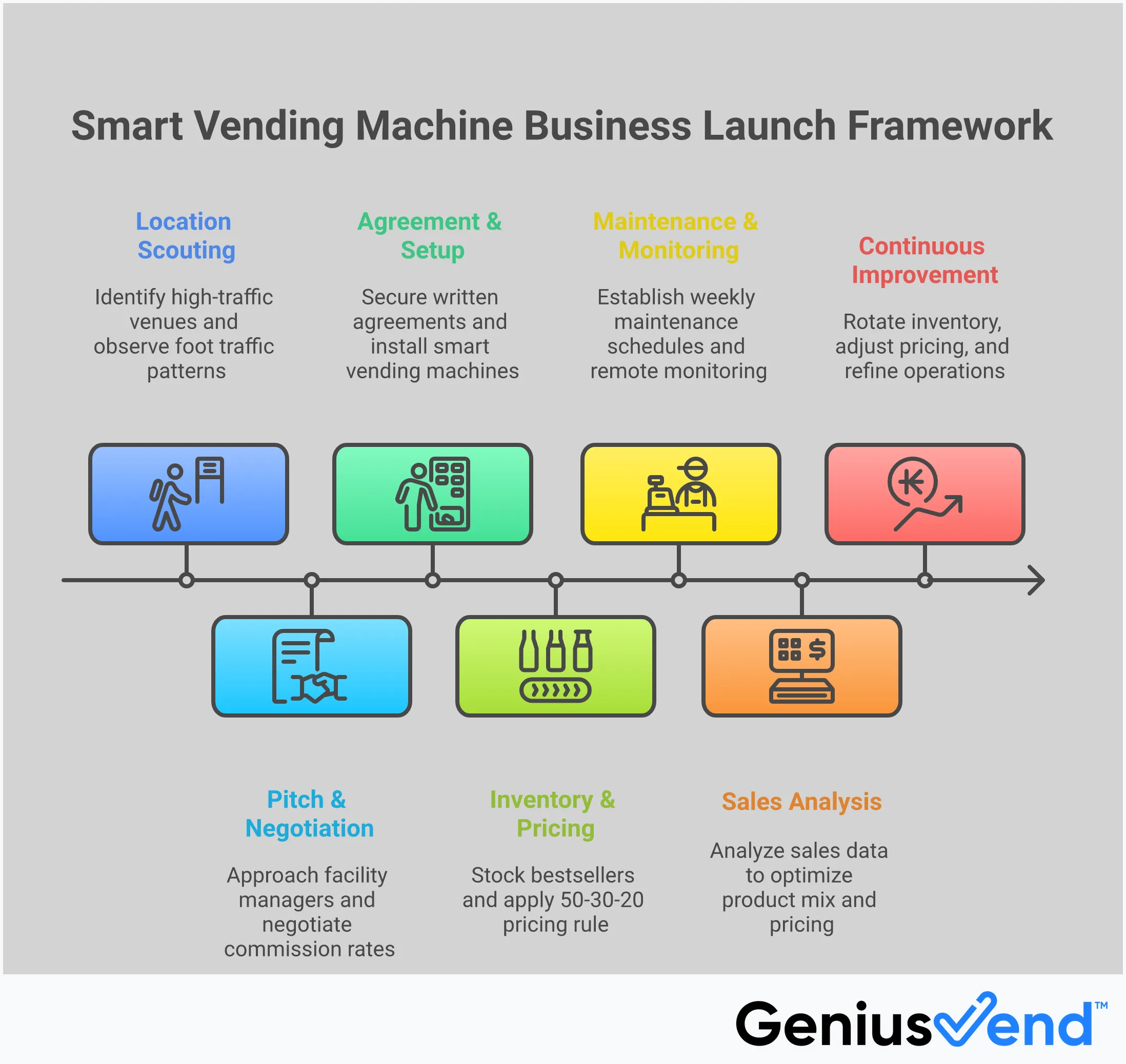
Research Your Market and Make a Plan
Your first move is to become an expert on your local area. Before you invest a dime, you need to do some market research to figure out where your machines will thrive. Start by identifying potential high-traffic locations like office buildings, hospitals, schools, apartment complexes, and gyms. Who are the people in these places, and what would they want to buy? Office workers might crave healthy lunches and premium coffee, while students might be looking for quick, affordable snacks. Pay attention to the existing competition, too. See what other vending machines or nearby stores are offering and look for gaps you can fill. This initial market analysis is your secret weapon for finding profitable spots.
Choose Your Business Structure
Next up is deciding on a business structure. This might sound complicated, but it’s a crucial step for protecting your personal assets. Most new vending operators choose between being a sole proprietorship or forming a Limited Liability Company (LLC). A sole proprietorship is the simplest to set up, but it offers no separation between your personal and business finances. An LLC, on the other hand, creates a legal barrier between you and your business. This means if your business ever faces legal trouble, your personal assets like your home and car are protected. Taking the time to choose a business structure is one of the smartest things you can do for your financial security.
Create a Solid Business Plan
A business plan is your roadmap to success. It’s not just a formal document for getting a loan; it’s a strategic guide that will help you make smart decisions as you launch and grow. Your plan should outline your core strategy, including what types of products you’ll sell, who your target customers are, and how you’ll stand out from the competition. It should also include your financial projections—how much you expect to invest, what your ongoing costs will be, and what your revenue goals are. Writing a business plan forces you to think through every aspect of your operation, from daily logistics to long-term growth.
Get the Right Licenses and Permits
With your plan in place, it’s time to make your business official. The specific licenses and permits you’ll need depend on your city and state, but there are a few common requirements. You’ll likely need a general business license to operate legally in your area. You’ll also need to register your business name and get a federal Employer Identification Number (EIN) from the IRS, which is like a Social Security number for your company. You can apply for an EIN for free online. Depending on what you sell, you may also need a sales tax permit and a food service or health permit. Check with your local city or county clerk’s office to get a clear checklist of everything you need.
How to Choose the Right Vending Machine
Picking your first vending machine is a huge step. It’s more than just a box that dispenses snacks; it’s the foundation of your business operations, customer experience, and, ultimately, your profitability. The right machine makes your life easier and your customers happier, while the wrong one can lead to constant headaches and lost sales.
The good news is that you have more options than ever before. Vending technology has come a long way from the clunky, coin-only machines of the past. Today’s machines are smarter, more reliable, and capable of selling a much wider variety of products. Let's walk through what you need to consider to find the perfect fit for your business goals.
Understanding Different Machine Types
Before you can choose a machine, you need to know what you want to sell. The idea that vending is just for chips and soda is long gone. You can build a business around almost any product, from fresh food and coffee to small electronics and toys. The most common machine types include traditional food and drink machines, bulk dispensers for items like gumballs, and specialty machines for niche products. Each type has its own pros and cons depending on your target location and customer base. A machine that works well in a school might not be the best fit for a high-end office building, so think carefully about what your ideal customer wants to buy.
The Advantages of Smart Vending
If you want to run your business efficiently, investing in a smart vending machine is one of the best decisions you can make. Unlike older models, smart machines are connected to the internet, giving you a powerful set of tools to manage your operations. They offer real-time inventory tracking, so you’ll always know exactly what’s selling and when it’s time to restock—no more wasted trips. They also provide valuable data analytics, helping you understand customer preferences and optimize your product selection. Plus, with a growing number of cashless transactions becoming the norm, modern features like credit card and mobile payment readers are essential for maximizing sales.
Features That Create a Great Customer Experience
A vending machine that is constantly out of order or frustrating to use won’t make you any money. Reliability is crucial for keeping customers happy and coming back. Look for machines that are not only durable but also simple and intuitive to use. A bright, clean design with clear signage can catch someone’s eye, but a seamless transaction is what will earn their loyalty. Modern smart coolers with a "Tap, Grab & Go" system create an effortless experience. Customers can simply tap their card, open the door, take what they want, and walk away. This level of convenience improves customer satisfaction and encourages repeat business, which is exactly what you need to build a profitable route.
How to Find the Perfect Location for Your Vending Machine
You can have the best machine stocked with the most popular products, but if it’s in the wrong spot, it won’t make a dime. Location is truly the most critical factor for success in the vending business. Finding the right place for your machine means getting it in front of a steady stream of people who are ready to buy. It’s all about matching your machine to a location with consistent foot traffic and a clear need for on-the-go snacks, drinks, or meals. Think of your machine as a silent salesperson—your job is to put it where the customers already are.
What Makes a Location Profitable?
A profitable location boils down to one thing: consistent foot traffic. You’re looking for places where people gather, work, or wait. Think office buildings, apartment complexes, manufacturing plants, hospitals, car dealerships, and college dorms. But it’s not just about the number of people; it’s about the type of people. Are they in a rush? Do they have access to other food options? A break room with a hundred employees is a fantastic spot because you have a captive audience looking for a quick and easy treat. Visibility is also key. A machine that’s easily seen and accessible will always outperform one hidden in a back hallway. Your goal is to find a high-traffic area where your machine becomes the most convenient option.
How to Secure Your Location Agreement
Once you’ve scouted a few promising spots, it’s time to make your pitch. When you approach a business, try to connect with the facility manager or HR director—they’re often the decision-makers for employee amenities and are typically more accessible than a general manager. Frame your vending machine as a free, turnkey solution that adds value for their employees or customers. Explain how your modern, reliable machine offers a great experience. Once they agree, it’s time to formalize the partnership. Always use a written agreement that outlines the terms, including commission rates and the length of the contract. It’s a great idea to have a lawyer review your contract to make sure you’re protected.
Setting Up Your Commissions
In exchange for the space and electricity your machine uses, you’ll pay the location owner a commission, which is a percentage of your gross sales. This is a standard part of the business, and it’s important to get it right. Typically, commission rates range from 5% to 25%, depending on the location’s size and potential sales volume. A high-traffic location might command a higher commission, but the sales volume can easily make it worthwhile. Don’t be afraid to negotiate. Your goal is to find a rate that feels fair to the property owner while leaving enough profit for you to run a healthy business. This number will directly impact your bottom line, so make sure it’s sustainable.
How to Stock and Manage Your Machines
Once your machine is in place, your focus shifts to the day-to-day operations that will make it profitable. Managing your inventory and keeping your machine in top shape are just as important as finding the right location. A well-stocked, reliable machine creates a great customer experience and keeps people coming back. This is where you fine-tune your business, turning a good location into a great one by giving customers exactly what they want, when they want it. Let’s walk through how to master your machine management from day one.
Choose Products That Actually Sell
A vending machine is only as good as the products inside it. Guessing what people want to buy is a quick way to lose money on expired inventory. The key is to match your product selection to your location’s specific audience. An office full of health-conscious professionals will have different cravings than students at a university or workers on a construction site. Talk to the location manager about their employees' or customers' preferences. Don’t be afraid to test different items and swap out what isn’t selling. Keeping an eye on current consumer food trends can also give you fresh ideas for new products to try.
Manage Your Inventory with Ease
Knowing your customers is the first step; using data to keep them happy is the next. Effective inventory management means you’re never overstocked on slow-moving items or sold out of your bestsellers. This is where smart vending machines really shine. Instead of tracking sales with a pen and paper, you can see exactly what’s selling and when. This data helps you make smarter purchasing decisions, reduce waste, and plan your restocking trips more efficiently. You can fine-tune your offerings based on real-time information, ensuring your machine is always filled with products that generate revenue and keep your customers satisfied.
The Power of Remote Management
Imagine knowing exactly what your machine needs before you even leave your house. That’s the advantage of remote management. Modern smart vending systems, like the Genius Vend operator’s app, let you monitor your sales and inventory levels from your phone or computer. This technology is a game-changer for route operators. It saves you countless hours and fuel costs by eliminating unnecessary trips to check on fully stocked machines. You can plan your routes with precision, ensuring you only visit the locations that need service. This efficiency allows you to manage more machines in less time, directly impacting your bottom line and helping you grow your business faster.
Plan for Maintenance and Repairs
A clean, functioning machine is essential for building trust and encouraging repeat business. Nothing will turn a customer away faster than a dirty machine or one that takes their money without dispensing a product. Create a simple, regular maintenance schedule. On every visit, wipe down the glass and surfaces, check that the payment systems are working correctly, and ensure the cooling unit is at the right temperature. Being proactive about maintenance prevents small issues from becoming costly repairs. It shows your location partners that you’re a professional and reassures customers that they can count on your machine for a reliable, pleasant experience.
Common Mistakes to Avoid When Starting Out
Starting any new business comes with a learning curve, but learning from others' missteps can save you a ton of time, money, and headaches. When you're launching your vending business, it’s easy to get tripped up by a few common hurdles. By knowing what to look out for, you can sidestep these issues and build a stronger foundation from day one. Let's walk through some of the most frequent mistakes new operators make so you can get started on the right foot.
Buying a Route Without Doing Your Homework
It can be tempting to fast-track your start by buying an existing vending route. While it sounds like a great shortcut, this move is often a trap for newcomers. Many sellers are looking to offload their problem locations or machines that constantly need repairs. You could end up inheriting a route with low traffic, expiring contracts, or a bad reputation you didn't create. Instead of buying someone else's potential problems, focus on building your own route from the ground up. This way, you have full control over your locations, machines, and the quality of your business from the very beginning.
Choosing the Wrong Locations
The old real estate mantra—location, location, location—is everything in the vending world. Placing a fantastic machine in a spot with no foot traffic is a recipe for failure. Before you sign any agreement, do your research. Look for places with a steady flow of people, like office buildings with over 40 employees or community centers with at least 50-100 daily visitors. Think about the audience, too. A gym is a perfect spot for healthy snacks and protein drinks, while a school might do better with classic treats. A great location is your most valuable asset, so be selective and find the right fit for your machine.
Skipping Regular Maintenance
A vending machine is not a passive, "set it and forget it" investment. Neglecting your machines is one of the fastest ways to lose customers and damage your relationship with the location owner. Regular service visits are non-negotiable. This means keeping your machine fully stocked with fresh products, paying close attention to expiration dates, and cleaning it inside and out. A clean, well-functioning machine builds trust and encourages repeat business. Using a smart vending system with a remote management app can make this much easier, alerting you to low inventory or technical issues before they become major problems.
Underestimating Your Total Costs
It’s easy to focus on the price of the machine and forget about everything else. While you can get started for a few thousand dollars, the total startup cost is often higher. You need to budget for your initial inventory, business licenses and permits, and liability insurance. Don't forget ongoing expenses, either. These include commissions paid to the location owner (typically 10-25% of profits), fuel for your vehicle, and a fund for maintenance and repairs. Creating a detailed business budget from the start will give you a realistic picture of your finances and prevent surprises down the road.
How to Market Your Vending Business
Marketing your vending business goes beyond just placing a machine and hoping for the best. It’s about creating an experience that attracts customers and builds a reputation for quality and convenience. A great marketing strategy involves everything from the look of your machine to the relationships you build with your location partners. By focusing on a few key areas, you can make your machines the go-to choice for a quick snack or drink, ensuring a steady stream of revenue and a strong foundation for growth.
Design a Machine That Gets Noticed
Think of your vending machine as your storefront. A clean, modern, and eye-catching design can make all the difference in attracting customers. People are naturally more likely to trust and buy from a machine that looks new and well-maintained. Consider using bright, custom wraps that reflect your brand or complement the location’s decor. Clear signage that highlights your products and easy payment options is also essential. A well-lit machine not only looks more appealing but also makes customers feel safer, especially in quieter locations. Your machine’s appearance is its first impression—make it a great one.
Build Your Online Presence
Even a local business like vending can benefit from a solid online presence. Creating simple social media profiles on platforms like Instagram or Facebook allows you to connect with the community. You can post photos of your machines, announce new products, and even run promotions to draw people to your locations. A Google Business Profile is another powerful tool that helps potential location partners find you and see that you’re a legitimate operator. Encourage customers to tag your business in their posts to build social proof and show that your machines are a valued part of their day.
Create Strong Partnerships with Locations
Your relationship with your location partners is one of your most important marketing assets. A happy partner will champion your business, but a bad relationship can get your machine pulled. The key is to be a great partner. This means keeping your machine consistently stocked with popular items, ensuring it’s always clean and functioning perfectly, and being responsive to any issues. By providing reliable, hassle-free service, you build a strong reputation that can lead to referrals and opportunities for new, profitable locations.
Offer Modern, Cashless Payments
In a world where fewer people carry cash, offering convenient payment options is non-negotiable. A customer might be craving a snack, but if they can't pay with their card or phone, you've lost a sale. Equipping your machines with cashless payment systems that accept credit cards, debit cards, and mobile wallets like Apple Pay and Google Pay removes that barrier. This simple upgrade meets modern consumer expectations and can dramatically increase your sales. It shows customers that you value their convenience, making them more likely to become repeat buyers.
Vending Trends to Watch
The vending industry is always changing, and staying aware of what’s new is key to keeping your business profitable and relevant. Customers' expectations are evolving, from the products they want to buy to how they want to pay for them. By keeping an eye on these key trends, you can make smarter decisions about your machines, locations, and inventory, ensuring your business continues to grow. Here are the most important shifts happening in the vending world right now.
The Shift to Healthier Options
Gone are the days when vending machines were exclusively stocked with candy bars and sugary sodas. Today’s consumers are more health-conscious than ever, and they’re looking for convenient snacks that fit their lifestyle. This means offering things like fresh fruits, nuts, yogurt, salads, and organic juices can be a game-changer for your business. Stocking healthier snack options not only meets a growing demand but also opens up new location possibilities, like gyms, yoga studios, and corporate offices focused on wellness.
The Rise of AI and Smart Vending
Technology is transforming the vending experience for both customers and operators. Smart vending machines powered by AI technology are becoming the new standard. These machines offer a seamless "grab-and-go" experience and accept a variety of cashless payments, from credit cards to mobile wallets. For you, the operator, they provide invaluable sales data, helping you optimize inventory, track performance remotely, and reduce unnecessary site visits. This data-driven approach means you can stock what sells, reduce waste, and keep your customers happy.
Embracing Sustainable Vending
Environmental consciousness is a major factor in consumer decision-making. People feel better about buying from businesses that share their values. You can appeal to this audience by adopting more sustainable practices in your operations. This could mean choosing machines with energy-efficient cooling systems, stocking products with eco-friendly packaging, or sourcing snacks from local suppliers to reduce your carbon footprint. Highlighting these efforts on your machine or website can attract environmentally aware customers and set your business apart.
Finding Your Niche Market
Instead of trying to appeal to everyone, the most successful vending businesses often focus on a specific audience. Identifying and catering to a specific niche market can be incredibly profitable. Think about who you want to serve. Are you placing machines in college dorms, hospitals, or apartment complexes? Your product selection should reflect that. You could specialize in electronics and tech accessories for airports, protein bars and shakes for fitness centers, or even high-quality pet treats for dog-friendly office buildings. A focused approach makes you the go-to choice for that audience.
How to Scale Your Business and Maximize Profit
Once you have your first machine up and running, the real fun begins. Scaling your vending business from a side hustle into a profitable empire is all about working smarter, not just harder. It’s about taking what you’ve learned from your first location and strategically applying it to grow your route. Adding more machines is part of the equation, but true growth comes from optimizing every aspect of your operation, from the products you stock to the prices you set. With the right data and a solid plan, you can build a business that practically runs itself, giving you more time and profit.
Track and Optimize Your Performance
You can’t improve what you don’t measure. The key to maximizing profit is understanding exactly what’s happening inside each of your machines. This means digging into your sales data to see which products are best-sellers and which are just taking up space. Modern smart vending machines make this incredibly easy by giving you real-time access to sales reports and inventory levels right from your phone. By regularly analyzing this data, you can make informed business decisions, spot trends, and tailor your product mix for each specific location. This data-driven approach ensures you’re always stocking what customers want, which means more sales and less wasted inventory.
Set the Right Prices
Pricing your products correctly is a balancing act between what customers are willing to pay and what you need to charge to make a healthy profit. A great starting point is the "50-30-20 rule," where 50% of the price covers the product cost, 30% goes to your profit and expenses, and 20% is set aside for taxes. As a general guideline, aim to charge about three times what you paid for drinks and anywhere from two to ten times what you paid for snacks. Don’t be afraid to test different price points, especially since smart vending machines allow you to update prices remotely without a site visit. What works in an office building might be different from a community gym.
Expand to New Locations
When you’ve fine-tuned your first location and it’s consistently turning a profit, it’s time to expand. The secret to successful expansion is finding new spots that share the same characteristics as your current high-performing ones. Look for places with consistent foot traffic and a captive audience, like apartment complexes, manufacturing plants, or large office buildings. Before you commit, do your homework. Spend time observing the location to understand its traffic patterns and demographics. Securing profitable vending machine locations is the single most important factor in scaling your business, so be selective and choose spots that set you up for success.
Build Great Supplier Relationships
Your suppliers are more than just a source for snacks and drinks; they are your partners in growth. Building a strong relationship with them can unlock significant benefits for your business. When you’re a reliable and communicative partner, suppliers are more likely to offer you better pricing, give you a heads-up on new products, and provide more flexible terms. Don’t hesitate to ask them for advice—they have a broad view of the market and can often suggest popular items you might have overlooked. A solid supplier relationship is a competitive advantage that helps keep your costs low and your machines stocked with products customers love.
Related Articles
- How to Start a Vending Machine Business
- How Much to Buy a Vending Machine: The Real Cost
- How to Buy a Vending Machine: A 7-Step Guide
- Vending Business for Sale: What You Need to Know
Frequently Asked Questions
How much can I realistically expect to make from my very first machine? While some operators report earning over $100 a week from a single machine, it's best to set your initial expectations around $50-$75 per week. Your first machine is as much about learning the business as it is about profit. The exact amount will depend entirely on your location's foot traffic. Focus on finding a great spot and using the data from that first machine to learn what sells, and you'll be in a strong position to grow from there.
Is it better to buy a new smart machine or a cheaper used one when I'm just starting out? It can be tempting to save money upfront with a used machine, but I almost always recommend investing in a new, smart machine. A used machine often comes with hidden problems, a frustrating user experience, and no way to accept cashless payments, which can kill your sales. A new smart machine is reliable, offers a seamless "Tap, Grab & Go" experience for customers, and gives you remote management tools that save you countless hours. That initial investment pays for itself quickly in higher sales and fewer headaches.
What's the most effective way to approach a business about placing my machine? Confidence and professionalism are key. When you approach a location manager, frame your service as a completely free, zero-hassle amenity for their employees or customers. Explain that you provide a modern, reliable machine and handle all the stocking and service. Instead of just asking, lead by explaining the value you offer. A simple "I provide a free vending service for businesses like yours" is a great way to start the conversation.
How do I figure out what to stock in my machine for the very first time? Don't overthink your initial product load. A great strategy is to start with the classics that you know sell well everywhere—think major brands like Coke, Pepsi, and popular chip varieties. Then, dedicate a few slots to test out some different options, like healthier snacks or local favorites. The beauty of a smart machine is that it will immediately start collecting sales data, so you can quickly see what's a hit and what's a miss, and adjust accordingly on your next visit.
Do I really need to form an LLC right away if I'm only starting with one machine? Yes, I strongly recommend it. Setting up an LLC is one of the smartest first steps you can take. It creates a legal separation between your personal finances and your business finances. This means that if your business ever faces a lawsuit or debt, your personal assets—like your home or car—are protected. It might seem like an extra step for just one machine, but it establishes a professional foundation and gives you peace of mind from day one.