

When you think of a vending machine, you might picture a clunky box that eats your dollar and refuses to drop your chips. Thankfully, things have changed. Today’s best machines offer a seamless "Tap, Grab & Go" experience for customers and provide you, the operator, with powerful remote management tools. This technology means fewer service calls, smarter inventory decisions, and higher profits. Choosing your first machine is a critical decision that will shape your business. This guide will break down all your options, from traditional models to advanced AI-powered units, and show you exactly where to buy vending machines that will set you up for success from day one.
Key Takeaways
- Invest in a Smarter Vending Experience: While traditional machines are an option, AI-powered smart coolers create a better customer experience and provide you with real-time sales data, which is essential for managing inventory efficiently and maximizing your profits.
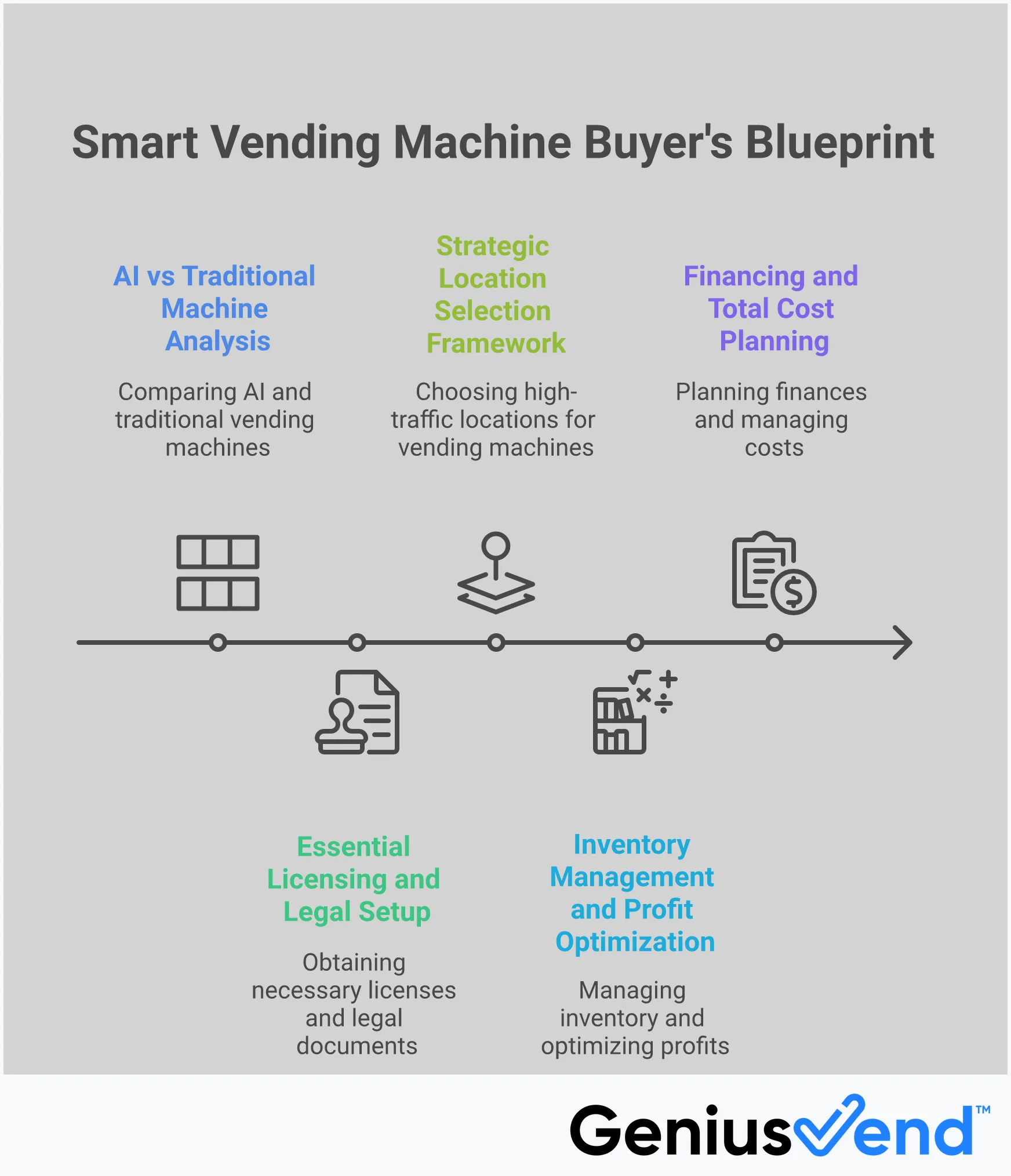
- Do Your Homework Before You Buy: The success of your business depends on the prep work. This means securing a high-traffic location, obtaining the correct business licenses and permits, and creating a complete budget that accounts for the total cost of ownership, not just the machine's price tag.
- Match Your Products to Your People: Avoid the "set it and forget it" mindset. The most profitable vending routes are run by operators who pay close attention to sales data, stock products their specific customers want, and perform regular maintenance to keep machines clean and functional.
What Types of Vending Machines Can You Buy?
When you picture a vending machine, you probably think of the classic coil machine that drops a bag of chips after you punch in a code. While those are still around, the world of vending has expanded quite a bit. Today, you can find a machine for almost any product or location. Let's walk through the main types you'll encounter so you can figure out which one is the right fit for your business goals.
Classic Snack and Drink Machines
These are the workhorses of the vending world. You’ll typically find separate machines for snacks and drinks. Snack machines use the familiar spiral coils to hold items, while drink machines have columns designed for cans or bottles. They are a straightforward option and what most people are used to seeing. Because they’ve been around for so long, you can find a wide variety of both new and certified used vending machines from many different manufacturers. While reliable, they can be prone to product jams and require you to be physically present to know what needs restocking.
Space-Saving Combo Machines
If you’re looking to place a machine in a location with limited floor space, like a small office breakroom, a combo machine is a fantastic choice. As the name suggests, these units combine snacks and drinks into a single machine, offering variety without taking up a huge footprint. This versatility makes them a popular pick for new operators who want to test a location with a wide range of products. Many operators also choose to get a custom vinyl wrap for their combo machines, turning them into a branded storefront that really stands out and attracts customers.
Specialized and Niche Options
Don’t feel limited to just chips and soda. The vending industry has machines for almost anything you can imagine. You can find hot beverage machines for coffee and tea, refrigerated units for fresh sandwiches and salads, and even frozen food machines for ice cream. Beyond food, there are specialized machines that dispense everything from personal protective equipment (PPE) to electronics and beauty products. If you have a unique vending idea, there’s a good chance a machine exists to support it. These niche options are perfect for tapping into underserved markets.
The Modern Choice: Smart AI-Powered Machines
This is where vending gets really exciting. Smart, AI-powered machines are changing the game for both customers and operators. Instead of dealing with coils and payment slots, customers simply tap a card, open the door, grab what they want, and walk away. Smart coolers and freezers use AI and sensors to automatically detect what was taken and charge the customer accordingly. For you, the operator, this means no more product jams and a much better customer experience. Plus, you get real-time inventory data sent straight to your phone, so you always know what’s selling and when to restock. This is the technology behind Genius Vend’s smart coolers, designed to make your routes more profitable and easier to manage.
Where to Find Vending Machines for Sale
Once you know what type of machine you need, it’s time to start shopping. Your best option will depend on your budget, technical needs, and whether you prefer to buy new or used. You can find machines directly from innovative manufacturers, through large online retailers, from local distributors, or on marketplaces that specialize in secondhand equipment. Each path has its own pros and cons, so it’s helpful to explore them all before making a decision.
Genius Vend: The Smart Vending Solution
If you’re focused on maximizing profit and minimizing hassle, going directly to a smart vending machine provider like Genius Vend is your best bet. Modern AI vending machines are designed for today’s consumer, offering a simple “Tap, Grab & Go” experience that traditional machines can’t match. This technology also gives you, the operator, a huge advantage with features like real-time inventory tracking and sales data, all accessible from your phone. Instead of guessing what to restock, you’ll know exactly what your customers want. This efficiency means more sales, less waste, and a much better return on your investment.
Major Online Retailers
For a straightforward purchasing process, major online retailers are a popular choice. Websites like Vending.com act as a one-stop shop, offering a wide selection of new and certified used machines directly from the factory. You can browse different types, compare features, and get a machine shipped directly to you. Other sites, like Vendtek, have a dedicated “Buy Now” section for instant checkout on snack, drink, and combo machines. This route is ideal if you already know what you want and value the convenience of a simple, fast online transaction without needing a lot of hands-on guidance.
Local Distributors and Builders
If you prefer a more personal touch and long-term support, connecting with a local distributor is a great move. These businesses often have showrooms where you can see the machines in person before you buy. They also typically offer valuable services like delivery, installation, and ongoing maintenance and repairs. A good distributor becomes a partner in your business, providing warranties and a reliable parts network to keep your machine running smoothly. This local expertise can be incredibly helpful, especially when you’re just starting out and need guidance on the best equipment for your specific location.
Marketplaces for Used Machines
For entrepreneurs on a tight budget, buying a used machine from a marketplace can be an affordable entry point into the vending world. You can often find standard snack, drink, and combo machines at big-box stores like Sam’s Club or on sites like Craigslist and eBay. While the lower initial cost is tempting, be sure to inspect the machine carefully. Used equipment usually comes without a warranty and may have outdated payment technology, which can deter customers. It’s a trade-off between saving money upfront and potentially facing higher repair costs and lower sales down the road.
How Much Do Vending Machines Cost (And How to Pay for Them)
The price tag on a vending machine is one of the first things you’ll consider, and for good reason. It’s a significant investment, but it’s also the engine of your future profits. The cost can vary widely depending on whether you’re buying a classic spiral machine or a modern smart cooler, and whether it’s brand new or has seen some action.
The good news is you have options—a lot of them. You don’t need a pile of cash sitting in the bank to get started. From traditional loans to zero-interest financing plans, there are plenty of ways to fund your first machine or expand your route. Let’s break down what you can expect to pay and the smartest ways to cover the cost.
New Machine Price Ranges
When you buy a new machine, you’re paying for reliability, the latest features, and a full manufacturer's warranty. For traditional new snack and drink machines, you can expect to pay anywhere from $3,500 to $7,500. The price depends on the machine’s size, capacity, and features, like whether it offers refrigerated options or accepts credit card payments. While this is a solid baseline, remember that advanced smart machines with AI-powered technology will have a different price point that reflects their superior capabilities and profit potential.
The Cost of Used Machines
Buying a used machine can be a great way to lower your initial startup costs. You can often find refurbished machines for a fraction of the price of a new one. However, this route comes with a trade-off. You might be dealing with older technology, more frequent maintenance, and a limited or non-existent warranty. If you decide to go this route, look for "certified" used vending machines from a reputable dealer. These have been inspected and repaired, offering a bit more peace of mind than buying from a private seller online.
Finding Zero-Interest Financing
You don’t have to pay for your machine all at once. Many manufacturers and distributors offer financing options designed specifically for vending operators. Some of the best deals include 0% interest or "Same As Cash" plans, which let you pay off the machine over time without any extra fees. For qualified buyers, some companies even offer plans with zero money down and no payments for the first 90 days. This can be a game-changer, allowing you to get your machine on location and start earning revenue before your first payment is even due.
Exploring Loans and Leasing
Beyond dealer financing, traditional business loans and leasing are also popular ways to fund your vending business. A small business loan can provide the capital you need to purchase one or more machines outright. Leasing, on the other hand, is like renting. You’ll make smaller monthly payments to use the machine for a set period. This is a great option if you want to test a location with lower commitment or preserve your cash for inventory and other startup expenses. Many experienced suppliers can help guide you through these options to find what works best for your business plan.
What Licenses and Permits Will You Need?
Setting up the legal side of your vending business might seem like a lot of paperwork, but it’s a straightforward process that protects you and your investment. Think of it as building a solid foundation for your new venture. If you want to operate a vending machine business in the U.S., you will almost always need some kind of permit or license. The specific requirements can change depending on your state and city, so it’s a good idea to check with your local government to get a clear picture of what’s needed.
The process usually involves filling out some applications, paying fees, and sometimes getting your machines inspected. While it takes a bit of effort upfront, getting everything in order from day one saves you from potential headaches down the road. It ensures you’re operating legally and gives you peace of mind as you start placing machines and earning revenue. Let’s walk through the main licenses and permits you’ll likely encounter.
Getting Your Business License
First things first, you'll need a general business license to operate legally in your city or county. This is a standard requirement for most businesses, and it officially registers your vending company with the local government. The application process is typically simple, but it’s a crucial step you can’t skip. You can usually find all the information you need on your city or state’s official website. The U.S. Small Business Administration is also a fantastic resource for finding out which federal, state, and local licenses you’ll need to get started.
Securing Health Permits for Food and Drinks
If you plan to sell any food or beverages—which is what most vending machines do—you'll also need a health permit. These permits ensure you’re following local health and safety regulations. Health departments want to see that you’re keeping your machines clean, stocking fresh products, and removing anything that’s expired. This might involve regular inspections of your machines. Following these rules isn't just about compliance; it’s about showing your customers that you care about their well-being and providing them with quality products they can trust. It builds a reputation for reliability right from the start.
Handling Sales Tax and Zoning Rules
Next up is sales tax. Most states require you to get a seller’s permit, which allows you to collect sales tax on the items you sell. You’ll then need to report and pay that collected tax to the state. It’s a good idea to check your state’s department of revenue website for the exact requirements. Additionally, be aware of zoning rules. Some locations, especially public properties like schools or government buildings, may have specific regulations or require special permits for placing a vending machine. Always confirm the rules for a location before you sign an agreement.
Why You Need Business Insurance
Finally, let's talk about protecting yourself. Forming a business entity like a Limited Liability Company (LLC) is a smart move. The main benefit of an LLC is that it separates your personal assets from your business assets. If your business were ever to face a lawsuit, your personal property, like your home or car, would be protected. An LLC also offers tax advantages, as your business profits are typically taxed as personal income, avoiding double taxation. It’s a simple way to build a professional and secure business structure from the start.
How to Choose the Right Vending Machine
Picking the right vending machine is about more than just finding one that fits your budget. The best machine for your business is one that meets your customers' needs, fits its future home, and makes your life as an operator easier. Think of it as a strategic business decision, not just a purchase. By focusing on a few key areas—technology, location, size, and management features—you can select a machine that sets you up for long-term success and profitability from day one.
Must-Have Tech Features to Look For
In today’s world, convenience is king, and your vending machine’s technology should reflect that. Gone are the days of coin-only machines. Modern customers expect flexible payment options, so look for machines equipped with contactless and cashless payment readers. Beyond payments, smart, AI-powered machines offer a huge advantage. AI vending machines can track sales and inventory in real-time, which means you’ll know exactly what’s selling and when to restock without having to guess. This technology not only makes your operations more efficient but also creates a smoother experience for your customers.
Match Your Machine to the Location
A vending machine is only as good as its location, and the right machine is one that complements its surroundings. Before you buy, think about where you plan to place it. A high-end office building might be the perfect spot for a machine with fresh food and healthy snacks, while a factory breakroom might see more success with classic sodas and candy bars. Don’t make the mistake of buying a snack-only machine for a gym where customers are looking for post-workout protein drinks. The best vending-machine locations are places where people spend time but have limited access to other food and drink options, like apartment complexes, hospitals, or large office parks.
Consider Size and Capacity
The physical size and product capacity of your machine are critical factors that directly impact your sales and workload. A machine placed in a high-traffic area like a shopping mall or a busy university building will need a large capacity to keep up with demand. If it’s too small, you’ll constantly be restocking it or losing out on sales when popular items sell out. On the other hand, a massive machine in a small office with 20 employees is overkill and an unnecessary expense. Analyze the potential foot traffic of your location and choose a machine with a capacity that matches the expected sales volume.
Prioritize Remote Management and Easy Payments
To run a truly efficient vending business, you need tools that let you work smarter, not harder. Prioritize machines that offer remote management capabilities. This feature allows you to monitor your inventory, track sales data, and even get alerts for technical issues right from your phone or computer. It saves you countless hours and unnecessary trips. Paired with easy payment systems and an intuitive touchscreen, these features create a seamless experience for both you and your customers. Investing in a machine with modern management tools is an investment in the scalability and profitability of your business.
First-Time Buyer? Avoid These Common Mistakes
Starting a vending business is exciting, but a few common missteps can trip up even the most enthusiastic entrepreneurs. Getting ahead of these potential issues from day one will save you a ton of headaches, time, and money down the road. Think of it as learning from someone else's experience so you can start your journey on the strongest possible footing. Let's walk through the three biggest mistakes new owners make and how you can easily sidestep them.
Underestimating the Total Cost of Ownership
The price tag on a vending machine is only part of the story. One of the easiest traps to fall into is forgetting about the ongoing expenses that come with running the business. To get a realistic picture of your investment, you need to factor in the total cost of ownership. This includes the initial cost of inventory to stock your machine, any location fees or commissions you agree to pay, insurance, and a budget for potential maintenance and repairs. Before you make a purchase, sit down and calculate all your potential startup costs. This simple step ensures you have a clear financial plan and won't be caught off guard by unexpected expenses.
Picking the Wrong Machine or Location
A great machine in the wrong spot is just as bad as the wrong machine in a great spot. Success in vending is all about matching the product to the people. A machine filled with candy bars and sugary sodas might not perform well at a health club, just as a machine with only healthy options might be ignored in a factory breakroom. Before you even think about buying a machine, do some recon on your potential locations. Who goes there? What do they need? Answering these questions will help you choose the right vending machine that meets the specific demands of your future customers, leading to much better sales from the start.
Skipping Maintenance and Market Research
It’s tempting to just set up your machine and hope for the best, but a "set it and forget it" approach rarely works. First, you need to do your market research. Understanding your target audience and their preferences is key to stocking products that actually sell. Don't be afraid to ask people at the location what they'd like to see! Second, don't neglect regular maintenance. A dirty or broken machine is a huge turn-off for customers and can lead to lost revenue. A simple cleaning and maintenance schedule can prevent breakdowns and keep your machine looking professional and inviting. Consistent upkeep is a core part of running a successful vending business.
How to Set Up Your Vending Business for Success
Once you have your machine, the real work begins. Setting up your business correctly from the start is the difference between a side hustle that fizzles out and a profitable, scalable operation. It all comes down to three key areas: where you place your machine, how you tell people about it, and how you manage your operations to grow. Let's walk through how to get each part right.
Find the Perfect Location
They say location is everything in real estate, and the same is true for vending. As one expert puts it, "Location is the single greatest factor determining a vending machine's success." You need to find a spot with a steady stream of people who might be looking for a quick snack or drink. Think about places with a captive audience, like office break rooms, apartment building lobbies, gyms, and coworking spaces. High-traffic public areas like malls or community centers are also great options. The key is to find a place where your offerings fill a need and are easily accessible. Scouting for these prime spots is your first and most important mission.
Market Your New Machine
Your machine’s location does a lot of the marketing for you, but a little extra effort can go a long way. Start by making sure your machine itself is appealing—clean, well-lit, and clearly branded. If you have multiple locations, creating a simple website or a social media profile on Instagram can help people find you. You can post about your locations, new products, or special promotions. Engaging with the community online, like following the businesses where your machines are located, helps build relationships and visibility. Think of it as giving your business a personality beyond the box. A strong social media presence can attract both customers and future location opportunities.
Manage Inventory and Scale Your Route
This is where smart planning turns your single machine into a growing business. To build a profitable route, you need to know what’s selling and what’s not. Regularly check your sales data to spot trends and keep popular items in stock. This is where a smart machine with remote management capabilities becomes a game-changer, saving you from unnecessary trips. As you gather data, you can make informed decisions about which products to carry and whether a location is performing as expected. Use this information to optimize your current machine and identify the characteristics of a successful spot, making it easier to choose your next location and scale your business effectively.
Related Articles
- Where Can I Buy a Vending Machine? A 2025 Guide
- How to Buy a Vending Machine: A 7-Step Guide
- Where to Buy a Vending Machine: The Ultimate Guide
- Cost to Buy a Vending Machine: 2025 Pricing Guide
- The True Cost to Buy a Vending Machine in 2025
Frequently Asked Questions
Why should I consider a smart AI-powered machine over a traditional one? Think of it as the difference between guessing and knowing. A traditional machine can't tell you what's sold out until you show up to restock it. A smart, AI-powered machine gives you real-time inventory data on your phone, so you always know what's selling and what's not. This means fewer wasted trips, less unsold product, and a much better understanding of your customers. Plus, the "tap, grab, and go" experience is far more appealing to customers, which often leads to more sales.
Is it smarter to buy a new machine or save money with a used one? This really comes down to a trade-off between your initial investment and long-term reliability. A used machine can definitely lower your startup costs, but it often comes with risks like outdated payment systems, more frequent breakdowns, and no warranty. A new machine costs more upfront but provides peace of mind with modern technology, a full warranty, and the reliability you need to keep customers happy and revenue flowing without interruption.
Do I really need to get licenses and permits if I'm just starting with one machine? Yes, absolutely. It might seem like a lot for a single machine, but setting up your business legally from day one is crucial. A business license and any required health permits protect you and your investment. It establishes your operation as a professional venture and ensures you won't run into fines or legal trouble down the road. Think of it as building a solid foundation, even if you're starting small.
What's the single biggest factor in a vending machine's success? Without a doubt, it's the location. You could have the most advanced machine stocked with the most popular products, but if it's in a place with no foot traffic, it won't make money. The goal is to find a spot with a captive audience—people who are there for long periods with limited access to other food and drink options. A great location is the engine of a profitable vending business.
How do I figure out what snacks and drinks will actually sell? The best way to start is by doing a little research. Before placing your machine, talk to the manager or employees at the location and ask what they'd like to see. When you first stock the machine, offer a wide variety of items. After a few weeks, your sales data will tell you the real story. Pay close attention to what sells out quickly and what sits on the shelf, then adjust your inventory accordingly.