

When you think of a vending machine, you might picture a clunky box that only takes wrinkled dollar bills. But the industry has changed dramatically. Today, the smartest operators are building their vending machine business with AI-powered technology that creates a seamless "Tap, Grab & Go" experience for customers. These modern machines offer cashless payments, track inventory in real-time, and give you the data you need to make profitable decisions right from your phone. In this guide, we’ll explore how this technology is reshaping the business, helping you save time, increase sales, and build a future-proof vending route from day one.
Key Takeaways
- Your location determines your success: A great spot is more critical than the machine itself. Scout high-traffic areas, match your products to the people there, and always get a written contract.
- Embrace smart technology to work smarter, not harder: Use features like remote inventory management and cashless payments to save time, optimize your routes, and give customers the seamless experience they expect.
- Start small and scale strategically: Master the business with one or two machines before expanding. As you grow, group your new locations geographically to create efficient service routes that save you time and money.
What Is a Vending Machine Business?
At its core, a vending machine business is a pretty straightforward concept. You buy a machine, find a great location for it, and keep it stocked with products people want to buy. It’s a business model that has long appealed to entrepreneurs looking for a source of passive income without the overhead of a traditional brick-and-mortar store. You’re essentially running a tiny, automated retail shop that’s open 24/7.
The day-to-day work involves more than just collecting cash, though. You’ll be responsible for sourcing products, managing inventory, servicing your machines, and maintaining good relationships with the owners of your locations. The real beauty of this business is its scalability. You can start with just one machine and gradually build a whole route. As your business grows, so does your potential for profit. And with modern technology, managing multiple machines has become easier than ever, allowing you to monitor sales and inventory from your phone instead of driving to each location just to see what’s running low.
The Different Types of Vending Businesses
When you think of a vending machine, you probably picture the classic glass-front machine filled with chips and soda. While those are definitely still around, the world of vending is so much bigger now. You can find machines that dispense everything from hot coffee and full meals to electronics and personal care items. There are even dozens of types of vending machines designed for specialty products.
Some of the most common categories you’ll see are snack machines, cold drink machines, and combo machines that offer both. But you can also find hot food machines for offices, bulk vendors for candy or toys, and even smart vending machines. These tech-savvy machines use features like cashless payments and remote inventory tracking to create a smoother experience for both you and your customers. The type of business you build will depend entirely on the products you want to sell and the locations you can secure.
Understanding Your Profit Potential
So, let’s talk numbers. How much can you actually make with a vending machine? The truth is, it varies widely. A single, well-placed machine can bring in anywhere from $5 to over $100 a week. The key factors are foot traffic and product selection. A machine in a quiet office breakroom will earn less than one in a busy community center or apartment complex lobby.
Most operators see a profit margin of around 20% to 30% after accounting for the cost of goods. While one machine might only add a little extra cash to your pocket each month, the real income potential comes from scaling up. Once you have a route of several machines, that weekly income starts to multiply. With smart placement and management, many owners find their machines pay for themselves within about 18 months, turning into a reliable source of revenue.
How Much Does It Cost to Start a Vending Business?
Starting a vending business is an exciting venture, but it's important to go in with a clear picture of the initial investment. The total startup cost can vary quite a bit, depending on the type of machines you choose and the scale of your operation. Let's break down the main expenses you'll need to plan for so you can build a solid budget and get your business off the ground.
Calculating Machine and Financing Costs
Your biggest upfront expense will be the vending machines themselves. The price can range from a few thousand dollars for a standard refurbished machine to over $10,000 for a new, high-tech smart model. While a traditional electronic machine might cost around $3,000, investing in an AI-powered machine can offer a better customer experience and higher profit potential down the line. Don't feel like you have to pay for everything at once. Many operators explore business financing to purchase their first machines, which can make it much more manageable to get started without draining your savings.
Budgeting for Inventory and Ongoing Expenses
Once you have your machine, you need to fill it with products people want to buy. Your initial stock for one machine will likely cost between $200 and $500. This cost depends entirely on what you sell—gourmet snacks will cost more than standard candy bars. Beyond the initial stock-up, you'll have ongoing expenses. If you accept cashless payments (which you absolutely should), expect transaction fees of around 2% to 6% per sale. These costs are part of doing business, and it's smart to create a business budget to track them. With a well-placed machine, you can potentially earn up to $400 a month, making these expenses a small part of your revenue.
Factoring in Fees, Permits, and Insurance
Before you place your first machine, you need to handle the administrative side of your business. This includes costs for registering your business, getting the right licenses, and securing any local permits required to operate. These fees vary by state and city, so check with your local government. You'll also need general liability insurance to protect your business, which typically costs between $500 and $1,200 per year. While it might seem like a lot of paperwork, getting the proper business licenses and permits ensures you're operating legally and sets a professional foundation for your vending route from day one.
How to Choose Profitable Vending Locations
You’ve probably heard the real estate mantra: “location, location, location.” Well, the same rule is the absolute foundation of a successful vending machine business. The most advanced machine stocked with the best products won’t make a dime if no one is around to see it. Finding the right spot for your machine is the single most important decision you’ll make, and it’s where many new operators either succeed or fail.
This process isn’t about luck; it’s about strategy. It involves identifying places with a steady stream of people, understanding what those people want to buy, and securing your spot with a professional agreement. A high-traffic location with the wrong products can fail, just as a low-traffic spot with the right ones will struggle. The magic happens when you align the place, the people, and the products. Taking the time to get this right from the start will save you countless headaches and lost revenue down the road. Think of yourself as a location scout for a blockbuster movie—you're searching for the perfect setting where your star (the vending machine) can truly shine. Let’s walk through how to find and lock down those money-making locations.
Find High-Traffic Areas and Analyze Demographics
Your first step is to brainstorm potential locations. Think about places where people gather, wait, or work. High-traffic spots like office buildings, apartment complexes, schools, gyms, and hospitals are classic choices for a reason. But don't just look for crowds—look for the right crowds. The demographics of a location will tell you what products to stock. For example, a fitness center is a perfect place for protein shakes and healthy snacks, while a university dorm might see more success with late-night study fuel like energy drinks and instant noodles. Also, consider practical details like safety and good lighting; a well-lit, secure spot makes customers feel more comfortable making a purchase.
Secure Your Location Contracts
Once you’ve identified a promising spot, you need to make it official. A verbal agreement isn’t enough to protect your business. You need a formal, written agreement with the property owner, often called a site contract. This document lays out the terms of your partnership and prevents future misunderstandings. Your contract should clearly state how long the machine will be on the premises, the commission structure (if any), and the amount of notice required if either party decides to end the agreement. Offering the property owner a small percentage of sales is a common practice and can help you secure those highly sought-after, prime locations.
Research and Select the Best Spots
Finding a great location is often more critical than the specific machine you place there. Be selective and don’t feel pressured to accept the first “yes” you get. A low-traffic spot can end up costing you more in time and gas than it generates in revenue. As a general rule, try to avoid locations with fewer than 50 regular employees or residents unless the business is willing to pay you a monthly fee to have the machine there. Your goal is to find a mutually beneficial partnership where the location provides the foot traffic and you provide a convenient, valuable service. Do your homework, trust your gut, and choose spots that set you up for long-term success.
What Products Should You Stock in Your Machines?
Choosing the right products is just as critical as finding the perfect location. The items you stock directly impact your sales and profitability, so this isn't a step you want to rush. One of the biggest advantages of using a smart vending machine is the freedom it gives you. Unlike traditional coil machines that limit you to specific shapes and sizes, Genius Vend’s smart coolers use an open-shelf design. This means you can offer a much wider variety of products, from fresh salads and sandwiches to energy drinks and kombucha, all in the same machine. This flexibility allows you to cater to a broader customer base and command higher price points for premium items.
The key is to match your product mix to your location’s demographic. An office building might have high demand for healthy lunches and afternoon coffee pick-me-ups, while a community center might see more sales of kid-friendly snacks and drinks. The best strategy is to start with a solid plan but remain flexible. Pay close attention to your sales data to see what’s selling and what’s sitting on the shelf, and don’t be afraid to swap out items to optimize your offerings.
Offer Healthy and Specialty Options
The demand for healthier food choices is not just a passing fad; it’s a significant market shift. More and more people are looking for nutritious and convenient options on the go. As a vending operator, you can meet this demand by stocking your machines with items that cater to a health-conscious audience. Think beyond the standard chips and candy. Consider offering fresh salads, yogurt parfaits, fruit cups, protein bars, and low-calorie beverages. Industry analysis shows that health-conscious consumers are a major driver of growth, seeking out machines with nutritious snacks, low-calorie beverages, and dietary-specific options like gluten-free or vegan products. Locations like gyms, hospitals, universities, and modern office complexes are prime spots for these offerings. Providing specialty items shows you understand your customers' needs and can help you win contracts in high-value locations.
Stock the Classic Snacks and Drinks
While healthy options are on the rise, don’t forget about the classics. There’s a reason chips, chocolate bars, and popular sodas have been vending machine staples for decades—people love them. These familiar favorites provide a reliable and consistent source of revenue that can anchor your sales. A balanced inventory is often the most profitable approach, and you can sell a wide range of items, from classic snacks and drinks to more unique products. The ideal product mix often includes both indulgent treats and healthier alternatives. In a location like a factory breakroom or a hotel lobby, customers might be looking for a quick, comforting snack. By offering a variety of choices, you appeal to a broader range of tastes and cravings, ensuring there’s something for everyone.
Keep Up with Consumer Trends
The vending industry is constantly changing, shaped by new technology and evolving consumer preferences. What’s popular today might not be a top seller next year. To run a successful business, you need to stay informed about what customers want. This means paying attention to broader food and beverage trends and, more importantly, analyzing your own sales data. Are energy drinks outselling sodas? Are customers buying more baked chips than fried ones? This is where technology gives you a serious edge. With the Genius Vend operator’s app, you can track your inventory and sales in real time from your phone. You don’t have to guess which products are performing well; the data tells you everything you need to know. This allows you to quickly adapt your product mix, test new items with minimal risk, and remove underperformers.
Smart Vending vs. Traditional Machines: Which Is Right for You?
Deciding between a classic coil machine and a modern smart machine is one of the biggest choices you'll make as an operator. While traditional machines can be cheaper upfront, smart vending machines offer powerful technology that can lead to higher profits and a much smoother operation. The vending industry is evolving quickly, and understanding the key differences will help you build a business that’s ready for the future. It's not just about snacks anymore; it's about providing a seamless retail experience. Let's break down what sets them apart.
The Power of AI and Remote Management
The biggest game-changer in modern vending is technology. Smart machines, like those from Genius Vend, use AI and cloud connectivity to give you a massive advantage. Instead of guessing what’s selling, you get real-time data on every transaction and inventory level. This means you can see exactly what’s running low from an app on your phone, eliminating wasted trips to check on a full machine. This technology is part of a larger shift toward frictionless autonomous commerce, where technology does the heavy lifting. You can create hyper-efficient restocking schedules, saving time and gas by only visiting machines that need service. Over time, this data also helps you make smarter purchasing decisions, stocking more of what sells and less of what doesn't.
Improve the Customer Experience with Cashless Payments
Think about the last time you saw someone fumbling for wrinkled dollar bills at a vending machine. It’s a frustrating experience that costs operators sales. Smart machines solve this by offering a wide range of cashless payment options, including credit cards, debit cards, and mobile payments like Apple Pay. This convenience alone can significantly increase your sales. Genius Vend machines take it a step further with a simple "Tap, Grab & Go" experience. Customers tap their card, the secure door unlocks, they take their items, and they walk away. AI sensors automatically track their selections and charge their card, creating a seamless and modern transaction that keeps people coming back.
Weighing the Costs and Benefits
It’s true that a smart vending machine is a bigger initial investment than a used traditional machine. However, it’s important to look at the long-term return. For locations with steady foot traffic and tech-savvy customers, like offices or universities, a smart machine often pays for itself quickly. The higher sales from cashless payments, combined with the operational savings from remote inventory management, create a more profitable business model. When you compare the options, you’re not just buying a machine; you’re investing in better data, happier customers, and a more efficient workflow. This allows you to scale your business smarter and faster.
How to Handle the Legal Side of Vending
Let's be honest—the legal side of starting a business can feel a little intimidating. But don't let paperwork stop you from building your vending empire. Getting your business set up correctly from the start saves you major headaches down the road and establishes a professional foundation for your operations. Think of it as the essential, behind-the-scenes work that makes all the exciting parts—like watching your profits grow—possible. It’s a critical step that separates a hobby from a legitimate, scalable business that can support you for years to come.
Tackling these requirements one by one will make the process feel much more manageable. You'll need to handle a few key areas: getting the right licenses, following any health and safety rules, and setting up a system for your finances and taxes. It’s all about ensuring your business is legitimate, compliant, and ready for success. With a clear plan, you can get through the administrative tasks quickly and focus on what you do best: finding great locations and stocking them with products people love. Using tools like the Genius Vend operator app can also simplify tracking sales and inventory, making the financial side even easier to manage from day one.
Get the Right Business Licenses and Permits
Before you place your first machine, you need to make your business official. This starts with choosing a business structure and registering it. Many vending operators start as a sole proprietorship or form an LLC for liability protection. Once you're registered, you'll need to secure the right licenses and permits to operate legally. These requirements vary by city and state, so your first stop should be your local city or county clerk’s office. They can tell you exactly what you need, which might include a general business operating license and a sales tax ID.
Follow Health Department Rules
If you plan to sell any food or beverages—even pre-packaged snacks and sodas—you’ll have to follow local health department regulations. These rules are in place to keep customers safe, and they are not optional. Requirements can differ significantly from one county to the next, so it's crucial to contact your local health department directly. They will provide a checklist of what you need, which could involve permits, inspections, or specific guidelines for handling and storing products. Getting this right from the beginning builds trust and ensures your business operates smoothly without any compliance issues.
Manage Your Taxes and Records
Good financial habits are the backbone of a profitable vending business. If you earn more than $400 in a year, you're required to file business taxes, so it's essential to keep meticulous records from day one. Open a separate business bank account to keep your finances clean and make tracking expenses easier. Keep a detailed log of all your income and costs, from machine purchases and inventory to gas and insurance. This not only prepares you for tax season but also gives you clear insight into your profitability, helping you make smarter decisions about which products to stock and which locations are performing best.
How to Manage and Scale Your Vending Route
Once your machines are in place and stocked with goodies, the real day-to-day work begins. Managing your vending route efficiently is the secret to turning a good side hustle into a seriously profitable business. The goal is to spend less time driving and more time earning. As you grow, you can’t afford to waste time or gas on unnecessary trips. Smart management isn't just about keeping machines full; it's about optimizing every aspect of your operations so you have the time and resources to expand your route.
Scaling your business means moving from guesswork to a data-driven strategy. Instead of checking machines on a fixed schedule, you’ll visit them exactly when they need it. Instead of driving a meandering path across town, you’ll follow the most efficient route. Technology is your best friend here. With the right tools, you can manage a growing number of machines without feeling overwhelmed. Let’s walk through how to create a system that supports your growth from one machine to one hundred.
Create a Smart Restocking Schedule
Running out to a machine only to find it’s still mostly full is a waste of your valuable time. On the flip side, leaving a machine empty means you’re missing out on sales every hour. The key to maximizing profits is to track your inventory effectively. A smart restocking schedule is based on real-time data, not a hunch. This approach ensures you only visit machines that need your attention, carrying only the specific products required for a refill. This transforms your restocking process from a reactive chore into a proactive, profit-focused strategy, freeing you up to focus on finding your next great location.
Plan an Efficient Route
Once you know which machines need servicing, the next step is to plan the most efficient way to get to them. Efficient route planning is a game-changer for vending operators. By optimizing your path, you can significantly cut down on fuel costs and travel time, allowing you to service more machines in a single day. For a small route, a tool like Google Maps might be enough to plan your stops. As you scale, you may want to look into dedicated route-planning software. A well-planned route means less time behind the wheel and more time focused on growing your business.
Use Tech to Monitor Your Machines Remotely
The days of driving to a location just to check inventory levels are over. Modern vending machines have completely redefined how unattended retail operates. The integration of AI allows you to monitor your entire business from your smartphone. Remote management tools give you a live look at inventory levels, sales data, and machine performance in real-time. You can see which items are best-sellers in a specific location and get alerts if a machine has an issue. This technology is what makes a smart restocking schedule and an efficient route possible, giving you complete control over your operations from anywhere.
Prepare for Common Vending Challenges
Every business has its hurdles, and vending is no different. But with a little foresight, you can turn potential problems into opportunities to shine. From standing out in a crowded market to keeping your machines in top shape, being prepared is your secret weapon. Thinking through these common challenges ahead of time will help you build a more resilient and profitable business from day one. Let’s walk through how to handle the top three issues you’re likely to face as a vending operator.
Stand Out from the Competition
Vending machines are everywhere, so how do you make yours the one people choose? It starts with the customer experience. A clean, modern, and well-stocked machine is far more appealing than an old, clunky one. Think about it—customers are more likely to trust and engage with attractive, reliable machines. Using a smart vending machine gives you an immediate edge. The sleek design and simple "Tap, Grab & Go" experience feel fresh and effortless. You can also leverage technology to create a seamless, interactive process that builds customer loyalty and keeps them coming back for more.
Deal with Machine Maintenance
A broken-down machine doesn’t make any money. That’s why regular maintenance is non-negotiable. Beyond keeping your machines clean and presentable, you need to ensure they’re always working correctly. This is where technology can save you a massive amount of time and stress. Instead of waiting for a customer to report an issue, AI-powered machines use smart technology to monitor their own performance and inventory levels. This proactive approach helps you spot potential problems early, reducing the chance of breakdowns and ensuring your products are always available when customers want them. It’s like having a virtual assistant for every machine on your route.
Manage Seasonal Changes in Demand
Customer cravings change with the seasons, and your product selection should, too. A hot coffee might sell out in winter, while cold brew is the top pick in summer. Staying on top of these shifts is key to maximizing your profits. Pay attention to broader consumer trends as well. The demand for health-conscious snacks and drinks is growing fast, so offering nutritious, vegan, or gluten-free options can attract a whole new customer base. Use your sales data to see what’s selling and what’s not, and don’t be afraid to swap out underperforming items to keep your offerings fresh and exciting.
How Much Money Can You Really Make with Vending Machines?
So, let's talk numbers. Starting a vending business is exciting, but you’re probably wondering what the actual return on your investment looks like. The truth is, your income can vary widely, but with a smart strategy, a profitable vending route is well within reach. It all comes down to understanding your margins, projecting your growth, and keeping a close eye on the costs that impact your final take-home pay. By focusing on these key areas, you can build a clear picture of your potential earnings and set yourself up for success from the start.
Break Down Your Profit Margins
Your profit margin is what’s left after you pay for the products you sell. In the vending world, margins typically fall between 20% and 30%. This means if you sell a bag of chips for $1.50 and it cost you $1.00, your profit is 50 cents. The key to a healthy margin is choosing the right products for the right location. A well-placed machine in a busy office building or school can easily bring in anywhere from $5 to over $100 a week. Smart machines give you an edge here, providing real-time data on what’s selling so you can stock more of what people love and less of what they don’t, protecting your profits.
Project Your Revenue and Growth
While a single machine might earn between $5 and $100 per week, the real financial success comes from scaling your operation. Think of each machine as a small stream of income; as you add more, those streams combine into a river. To earn around $5,000 a month in profit, you might need a route of 10 machines each clearing $500 monthly. This is where having a solid vending machine business plan becomes crucial. Modern tech makes scaling much more manageable. With remote management tools, you can monitor inventory, track sales, and plan restocking for your entire route right from your phone, saving you time and fuel.
Know What Affects Your Bottom Line
Your bottom line isn't just about sales; it's about managing your expenses. One of the biggest ongoing costs is the commission you pay to the property owner, which is usually 10% to 25% of your machine's gross sales. You'll need to factor this into your pricing from day one. Other challenges can also affect your profits, like machine breakdowns or losing a great location to a competitor. This is why investing in reliable, modern equipment is so important. An out-of-order machine makes zero dollars, and a frustrating user experience can send customers elsewhere. By understanding all the potential costs of your business, you can plan ahead and build a more resilient operation.
Your Checklist for Vending Success
Running a successful vending business comes down to a few key principles. While it’s tempting to focus only on the machines and products, the most profitable operators know that location, relationships, and smart growth are the real pillars of success. Think of this as your go-to checklist for making sound decisions as you build your vending route. By focusing on these core areas, you can create a stable foundation that supports your business for years to come. Getting these fundamentals right from the start will save you time, money, and headaches down the road, setting you up for a much smoother path to profitability.
Optimize Your Machine Placement
You’ve probably heard the phrase "location, location, location" in real estate, and it’s just as true for vending. The success of your business depends more on where you put your machines than almost anything else. A great location is more critical than the machine itself. Look for places with consistent foot traffic, like office buildings, apartment complexes, schools, or hospitals.
When you scout a location, consider the environment. Is it safe and well-lit? Who are the people there, and what might they want to buy? A gym will have a different customer base than a university library, so you’ll want to match your products to the specific audience. Taking the time to find the right spot is the single best investment you can make in your business.
Build Great Relationships with Location Owners
Once you find a promising location, your next step is to build a strong relationship with the property owner or manager. People want to do business with people they trust, so approach them as a partner, not a salesperson. Be professional, clear, and ready to explain the benefits of having one of your machines on their property.
Always get a written agreement in place before installing a machine. This contract should clearly outline the terms, including the length of the agreement and how profits will be shared, if at all. This protects both you and the location owner. As a general rule, try to secure locations with at least 50 people to ensure enough demand. Smaller spots can work, but only if the business is willing to pay a fee for the service.
Start Small, Then Scale Smart
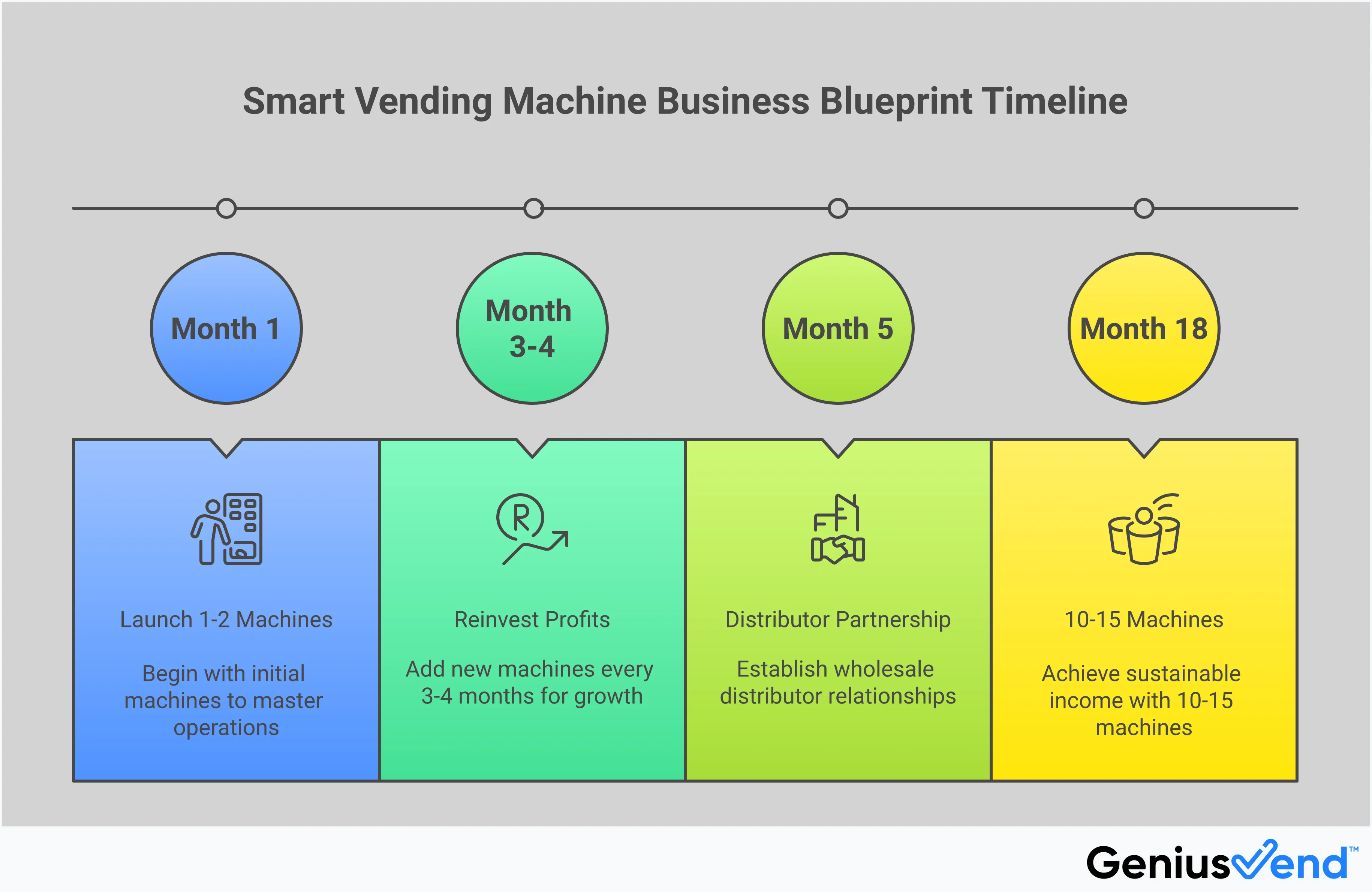
It’s exciting to think about a sprawling vending empire, but the smartest way to grow is to start small. Begin with just one or two machines to learn the business without taking on too much risk. This allows you to understand restocking, maintenance, and customer preferences on a manageable scale. Many successful operators began their vending route as a side business and grew it over time.
When you’re ready to expand, do it strategically. Add new machines gradually and try to place them near your existing ones. Grouping your machines geographically creates an efficient route, saving you valuable time and fuel costs during service and restocking trips. This thoughtful approach to scaling helps you grow your business sustainably without getting overwhelmed.
Related Articles
- How to Start a Vending Machine Business
- How Much to Buy a Vending Machine: The Real Cost
- How to Buy a Vending Machine: A 7-Step Guide
- Vending Business for Sale: What You Need to Know
Frequently Asked Questions
Is a vending machine business truly passive income? While a vending business offers a lot more freedom than a typical 9-to-5 job, it’s not completely hands-off. Think of it as flexible income rather than passive income. You’ll still be actively involved in stocking products, servicing your machines, and managing relationships with location owners. The great part is that you get to decide when you do that work. Technology like remote monitoring helps streamline the process, but the most successful operators are the ones who stay engaged with their business.
What's the single biggest mistake new vending operators make? The most common pitfall is choosing the wrong location. It’s easy to get excited and accept the first spot that says yes, but a low-traffic location will never be profitable, no matter how great your machine or products are. A machine in a quiet office with 15 employees will just cost you time and gas. Take the time to research and secure a spot with consistent foot traffic. Being selective about your location from the very beginning is the best thing you can do for your business.
Do I have to pay the location owner to place my machine there? Yes, it's standard practice to offer the property owner a commission, which is a percentage of the machine's gross sales. This is usually somewhere between 10% and 25%. This payment serves as an incentive for the business to give you their valuable floor space. It’s best to view it as a partnership where you provide a convenient service for their employees or customers, and they share in the revenue. This should always be clearly outlined in your written location agreement.
Where do I actually buy the products to stock my machines? When you're just starting out, the easiest place to source your inventory is from wholesale clubs like Costco, Sam's Club, or BJ's. These stores allow you to buy popular snacks and drinks in bulk at a lower price than a regular grocery store. As your business grows and you need to buy larger quantities, you can set up accounts with dedicated snack and beverage distributors who can deliver products directly to you.
How much time should I expect to spend on one machine each week? On average, you can expect to spend about one to two hours per machine each week. This includes the time it takes to travel to the location, restock the products, clean the machine, and handle any administrative tasks like tracking sales. Using a smart machine with remote inventory monitoring can cut this time down significantly, since you’ll know exactly when a machine needs service and what products to bring, eliminating wasted trips.