

When you think of a beverage vending machine, you might picture a clunky box that eats your dollar and refuses to drop your drink. Thankfully, those days are fading. The new generation of machines is smarter, more reliable, and designed for how people actually pay for things today—with a tap of a card or phone. This guide explores the full spectrum of options available, from traditional workhorses to advanced AI-powered units that let customers simply grab what they want and go. We’ll break down the costs, features, and operational details to help you choose the perfect beverage vending machine for your business goals.
Key Takeaways
- Prioritize Modern Machine Features: Select a vending machine with essentials like cashless payment options and remote inventory tracking. These tools not only make the buying process easier for customers but also save you time and money on service trips.
- Profitability Is a Formula: Your success hinges on a repeatable strategy. Secure a high-traffic location, stock it with products tailored to that audience, and actively manage your operating costs to protect your profit margins.
- Build Your Business Professionally from Day One: Handle your licenses, insurance, and location agreements before you start. Partnering with a reputable supplier who offers training and support provides a crucial foundation for growth.
What Are Your Beverage Vending Machine Options?
When you picture a beverage vending machine, you probably think of the classic soda machine. But the options available today go far beyond that. Choosing the right machine is all about knowing your location and what your customers will want. From a simple can of soda to a gourmet coffee or a full "Tap, Grab & Go" buying experience, there’s a machine built for every need. Let's walk through the main types you'll encounter.
Classic Cold Drink Machines
This is the workhorse of the vending world. Classic cold drink machines are designed to do one thing exceptionally well: keep beverages ice-cold and ready for customers. You’ll find them in high-traffic areas like schools, offices, and community centers. While the concept is traditional, modern versions have seen significant upgrades. Many new models are more energy-efficient, saving you money on electricity bills. They are reliable, familiar to users, and a straightforward way to sell popular sodas, juices, and bottled water. You can find many kinds of high-quality beverage vending machines that are built to last and serve customers without a hitch.
Hot Beverage Dispensers
A hot beverage dispenser can be a game-changer in the right location. Think office break rooms, hospital waiting areas, or college campuses during late-night study sessions. These machines serve up coffee, tea, hot chocolate, and sometimes even soup, providing comfort and a caffeine fix on demand. They offer incredible convenience, saving people a trip to the local coffee shop. For business owners, placing hot drink machines is a great way to cater to the morning rush or the afternoon slump, turning a simple craving into a consistent source of revenue for your vending business.
Versatile Combo Machines
What if you don’t have the space for separate snack and drink machines? That’s where versatile combo machines come in. These units offer the best of both worlds, dispensing cold drinks from one section and snacks like chips, candy, or healthy options from another. This flexibility makes them perfect for locations with a smaller footprint but a diverse set of customer preferences. By offering a wider variety of products in a single machine, you can maximize your sales potential per square foot. It’s an efficient way to give customers more choice and increase the chances of a purchase.
The Future: Smart & AI-Powered Machines
The next generation of vending is already here with smart and AI-powered machines. These aren't your average vending machines; they offer a completely different buying experience. Instead of punching in a code, customers simply tap their card, open the door, grab what they want, and walk away. Smart sensors and AI figure out what was taken and charge them automatically. This eliminates frustrating product jams and creates a seamless, modern transaction. For operators, this smart store technology provides real-time inventory data and sales analytics right on your phone, making your business more efficient and profitable.
What to Look For in a Beverage Vending Machine
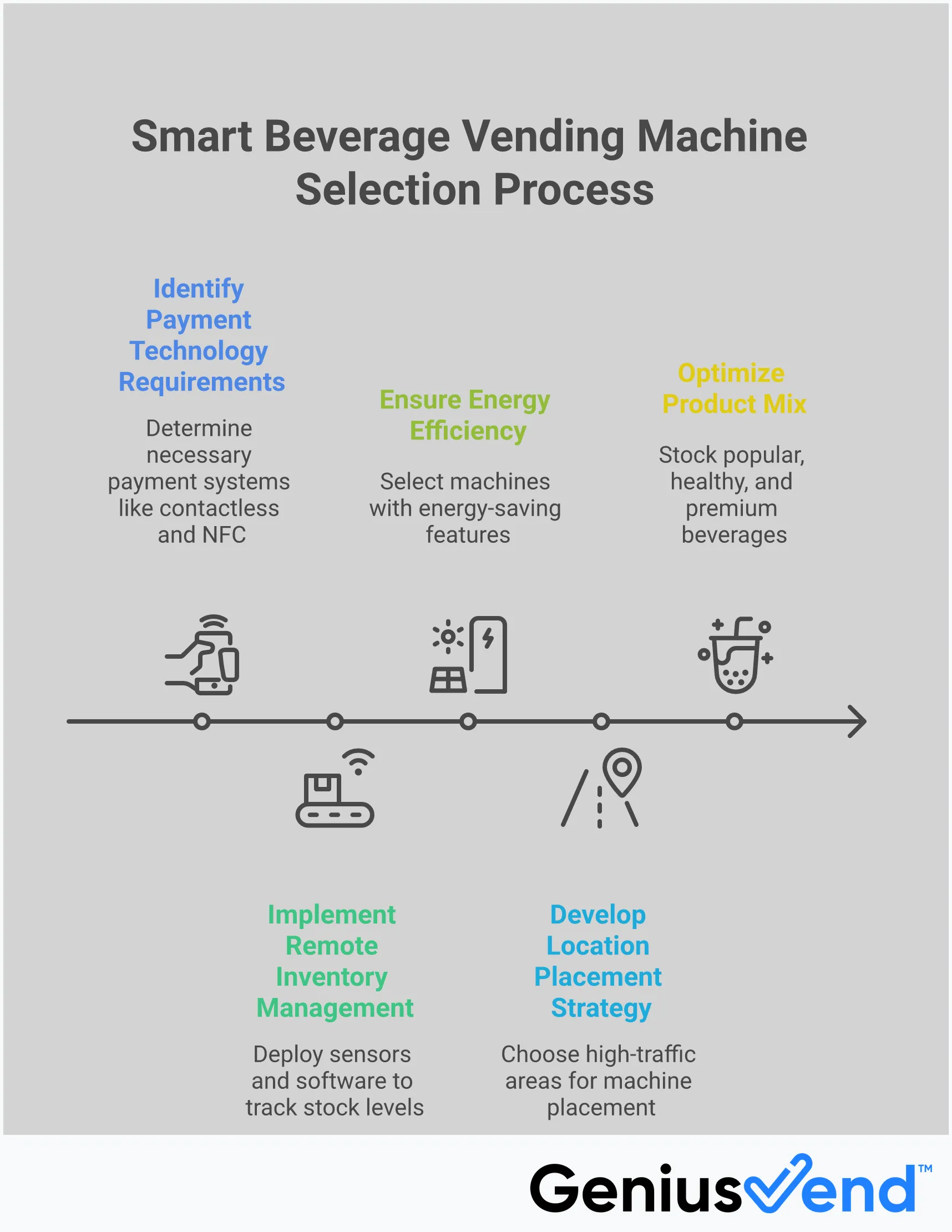
Choosing the right beverage vending machine is one of the most important decisions you'll make for your business. The machine you pick affects everything from your daily operations to your long-term profitability. While it might be tempting to just find the cheapest option, a little research goes a long way. You’ll want to consider how customers will pay, how much the machine costs to run, and how easy it is to manage. Let’s walk through the key features that separate a high-performing machine from one that just causes headaches.
Flexible Payment Options
Think about the last time you wanted a drink but only had a credit card. It’s a frustratingly common experience. In a world where fewer people carry cash, your vending machine absolutely must accept cashless payments. This isn’t just about convenience; it’s about maximizing your sales. When customers can tap their card or phone, they’re more likely to make a purchase. Modern payment systems also offer better security than a cash box and provide you with real-time sales data you can use to make smarter business decisions. Look for a machine that accepts credit cards, debit cards, and mobile payments like Apple Pay and Google Pay to serve every potential customer.
Energy Use and Operating Costs
Your initial investment in a machine is just one part of the financial picture. You also need to think about the ongoing operating costs, and electricity is a big one. A refrigerated beverage machine runs 24/7, and its energy consumption can eat into your profits. When comparing models, look for energy-efficient options, like those with an ENERGY STAR rating. Beyond electricity, consider the potential for maintenance and repairs. While you can't predict every issue, newer machines are generally more reliable and come with warranties that can protect you from the hidden costs of running a business.
Machine Capacity and Variety
The right machine for a small office breakroom is different from one needed for a busy university campus. You need to match the machine’s capacity to the location’s foot traffic. A machine that’s too small will require constant restocking, while one that’s too large can lead to products expiring before they sell. Also, consider the flexibility of the machine. Can it hold different types of beverages, like cans, bottles, and cartons? Some modern machines even function as hybrid models that can vend drinks and snacks, allowing you to offer a wider variety and adapt your product mix to customer preferences.
Remote Management Capabilities
Driving to a machine just to find out it only needs a few items restocked is a huge waste of time and gas. This is where remote management technology changes the game. Modern smart vending machines allow you to see real-time inventory levels, track sales, and monitor the machine’s status from your phone or computer. This means you can plan your restocking routes efficiently, visiting only the machines that need service. Using smart software helps you run a leaner, more profitable operation and is essential if you plan to scale your business beyond just a few machines.
The Customer Experience
Never underestimate the power of a great customer experience. A clean, modern, and well-lit machine will always attract more sales than an old, clunky one. Customers are more likely to trust a machine that looks reliable and is easy to use. The transaction should be seamless—from selecting a product to payment and retrieval. An intuitive interface and a reliable dispensing system prevent customer frustration and encourage repeat business. By focusing on providing a smooth and pleasant experience, you build a reputation for quality that will set your vending business apart from the competition.
How Much Do Beverage Vending Machines Cost?
Figuring out your startup budget is one of the first big steps, and the cost of the machine itself is your main initial investment. Prices for beverage vending machines can vary widely, from a few thousand dollars for a used model to well over $10,000 for a brand-new, high-tech unit. The right choice for you depends on your budget, business goals, and how much time you want to spend on maintenance. Let's break down what you can expect to pay.
The Price of a New Machine
When you buy a new beverage vending machine, you're paying for the latest technology, a full warranty, and the peace of mind that comes with a fresh-from-the-factory unit. Prices can range from around $5,500 to nearly $13,000. For example, a straightforward model like the Vendo 721 Black Ice might cost about $5,595. On the higher end, a more advanced machine with a larger capacity and more features, such as the CRANE BevMax Media2, can run you close to $12,995. While the upfront cost is higher, new beverage vending machines often come with energy-efficient features and modern payment systems that can lead to better long-term profitability.
What to Expect with Used Machines
If you're working with a tighter budget, a used or refurbished machine can be a great way to get started. You can often find reliable, remanufactured models for a fraction of the price of a new one. For instance, a refurbished Vendo 720 might only cost around $2,995. This lower entry cost allows you to get your business off the ground with less financial risk. The trade-off, however, is that used machines may require more maintenance, lack modern features like cashless payments, and come with a limited or non-existent warranty. You'll want to be sure you're buying from a reputable seller who has properly serviced the machine before you purchase it.
What Influences the Final Price?
The sticker price of a vending machine isn't the only cost to consider. Several other factors can influence your total investment and ongoing expenses. The technology inside the machine plays a huge role; units with credit card readers, mobile payment capabilities, and remote inventory management will naturally cost more than basic models. Beyond the machine itself, remember to account for potential repairs, the cost of inventory, and any fees associated with securing a great location. Understanding the common problems in the vending business, like machine breakdowns and competition, will help you create a more realistic budget and business plan from the start.
New vs. Used: Which Vending Machine Is Right for You?
One of the first major decisions you'll make is whether to invest in a brand-new machine or save some cash with a used one. There’s no single right answer—it all comes down to your budget, business goals, and how much risk you’re comfortable with. Both paths can lead to a profitable business, but they offer very different experiences, especially when you're just getting started. Let's break down the pros and cons of each so you can feel confident in your choice.
The Perks of Buying New
Buying a new vending machine is all about peace of mind. It’s a bigger investment upfront, but it comes with some serious advantages that can save you headaches down the road. The biggest benefit is the manufacturer's warranty. Most new machines include at least a one-year warranty on all parts, and some companies even offer two. This means if something breaks, you’re covered. Plus, new machines almost always come with lifetime technical support, which is incredibly valuable when you’re learning the ropes. You’re not just buying a machine; you’re buying reliability and a direct line to experts who can help you solve any problem that comes up.
The Case for Buying Used
If your startup budget is tight, a used vending machine can be a fantastic way to get your business off the ground. The most obvious advantage is the lower price tag, which can free up capital for inventory and finding great locations. Many entrepreneurs start with refurbished machines to test the waters before scaling up. Some sellers even offer free training with their used machines, helping you get up to speed on operations and maintenance. While you might miss out on a long-term warranty, the initial savings can make entering the vending industry much more accessible. Just be sure to buy from a reputable seller who has thoroughly inspected and serviced the equipment.
How to Decide for Your Business
The best choice for you depends entirely on your business plan. Start by thinking about your ideal location and customers. Are you placing a machine in a high-end office building where a sleek, modern machine would fit right in? A new machine might be the better investment. Or are you starting out in a local community center where a reliable, budget-friendly option will do the trick? A used machine could be perfect. Also, consider what you want to sell. If you plan to offer a wide variety of products, you’ll need a flexible machine that can handle different shapes and sizes. Your vending machine location is one of the biggest factors in your success, so let it guide your decision.
How to Find the Right Vending Machine Supplier
Choosing a vending machine supplier is one of the most important decisions you'll make for your business. This isn't just a one-time purchase; you're starting a long-term relationship. The right partner will be there to support you long after the machine is delivered, offering help, resources, and reliable service that keeps your business running smoothly. A great supplier doesn't just sell you a piece of equipment—they invest in your success because when you do well, they do well.
Think beyond the initial price tag and consider the total value a supplier brings to the table. Do they have a history of happy customers? What happens if a machine has a technical issue at a high-traffic location? Will they be there to help you solve it quickly? The answers to these questions separate the average suppliers from the great ones. As you compare your options, focus on three key areas: their reputation and support system, the warranty and service they offer, and whether they provide training to help you get started on the right foot.
Check Their Reputation and Support
A supplier's reputation is a direct reflection of their product quality and customer service. Before you commit, do a little digging. Look for online reviews, testimonials, and case studies from other vending operators. A reliable company will have a track record of positive feedback. Pay close attention to what people say about their customer support. When a card reader acts up or a customer needs a refund, you want a responsive support team you can count on to help you troubleshoot problems quickly and efficiently. A supplier with a strong support system proves they stand behind their products and are committed to helping their operators succeed.
Understand the Warranty and Service
A vending machine is a significant investment, and a good warranty is your protection. Make sure you clearly understand what’s covered before you buy. Most new machines should come with at least a one-year warranty on all parts, which is a great safety net as you get your business off the ground. But don't stop there. Ask about the availability of lifetime technical support. This can be a lifesaver down the road when you run into an unexpected issue. Knowing you can pick up the phone and get expert help provides peace of mind and helps you keep your machines in top working order for years to come.
Look for Training and Ongoing Help
Especially if you're new to the vending world, the learning curve can feel steep. A great supplier will help flatten it by providing comprehensive training. Many companies offer free training with the purchase of a machine, covering everything from basic operation and maintenance to inventory management and using their software. This initial guidance is incredibly valuable and sets you up for success from day one. This kind of ongoing assistance shows that a supplier is more than just a seller—they're a partner dedicated to helping you grow your business.
How to Make Your Vending Machine Profitable
Once your beverage vending machine is up and running, your focus shifts to a single goal: turning a profit. Profitability isn't about luck; it's the result of a smart, repeatable strategy. Think of it as a three-part formula. First, you need to place your machine where thirsty customers can always find it. Second, you have to stock it with the right drinks at the right price to keep those customers coming back. Finally, you must keep a close eye on your expenses to ensure your revenue translates into actual profit.
Mastering these three areas will set you on the path to a successful and scalable vending business. It’s a continuous cycle of placing, pricing, and managing. The good news is that modern technology makes this easier than ever. With the right machine, you can get real-time data on what’s selling, manage your inventory from your phone, and reduce wasted trips for restocking. This allows you to spend less time guessing and more time making strategic decisions that grow your bottom line. By focusing on these core principles, you can build a business that not only survives but thrives.
Why Location Is Everything
You’ve probably heard the real estate mantra, "location, location, location." Well, it’s just as true for vending machines. The single most important factor in your machine’s success is where you put it. A state-of-the-art machine stocked with the best drinks will fail if it’s hidden in an empty hallway. You need foot traffic. It's no surprise that vending machines in busy places generate the most sales. Think about places where people gather, wait, or work: office break rooms, apartment complexes, gyms, hotels, and schools are all prime real estate. The key is to match the location to your offerings and ensure a steady stream of potential customers.
Smart Product and Pricing Strategies
Placing your machine in a great spot is only half the battle. Now you have to fill it with products people actually want to buy. The drink selection that works in a high school won't be the same as what sells in a corporate office. Understanding your audience is crucial. You can talk to the location manager, survey potential customers, or—even better—use sales data from a smart machine to see what’s selling and what’s not. Pricing is also a delicate balance. You need to cover your costs and make a profit, but you also want the price to feel fair to the customer. Don't be afraid to test different products and price points to find the sweet spot for each location. You can even implement loyalty programs to encourage repeat business.
Managing Costs and Profit Margins
High sales numbers look great, but they don’t mean much if your expenses are eating up all your revenue. Running a vending business comes with several potential hidden costs, including machine repairs, fuel for restocking trips, transaction fees, and commissions paid to the location owner. To maximize your profit margin, you need to manage these costs effectively. Investing in a reliable, energy-efficient machine can significantly cut down on maintenance and utility bills. And with remote inventory management, you can plan restocking routes efficiently, saving time and gas by only visiting machines that actually need service. A balanced approach that combines smart planning with operational efficiency is essential for long-term profitability.
What Are the Legal Requirements?
Let's get the legal stuff out of the way. It might not be the most exciting part of starting your beverage vending business, but getting it right from the start saves you major headaches down the road. Think of it as building a solid foundation for your future success. Every city and state has its own set of rules, so your first step is always to check what’s required in your specific area. A quick search for your local small business administration or county clerk’s office is a great place to start.
Handling the paperwork properly shows potential location partners that you’re a serious and professional operator. When you approach a business owner about placing a machine, having your licenses and insurance in order demonstrates that you’re reliable and trustworthy. This is especially true when you're pitching a modern, high-tech solution like a Genius Vend smart machine. A professional approach from day one can make all the difference in securing those prime, high-traffic spots that will make your route profitable. We’ll walk through the main things you’ll need to consider: business licenses, health codes, and the agreements that protect both you and your location partners.
Licenses and Permits You'll Need
First up, you'll need to make your business official. This usually means registering your business name and choosing a legal structure, like a sole proprietorship or an LLC. An LLC is a popular choice because it can help protect your personal assets from your business debts. Once your business is registered, you’ll likely need a general business license from your city or county. Since you'll be selling products, you'll also need to get a sales tax permit from your state's department of revenue. This allows you to collect sales tax from your customers and pay it to the state.
Following Health and Safety Rules
Because you’re selling beverages for people to drink, you have to follow health and safety regulations. These rules are in place to make sure your products are safe for customers. Your local health department will have specific guidelines for vending machines, which might cover things like proper food handling (if you offer fresh items), temperature controls, and keeping your machines clean. It’s essential to comply with local health regulations to operate legally and build trust with your customers. A quick call or visit to their website will give you the exact checklist you need to follow.
Securing Location Agreements and Insurance
Never place a machine without a written agreement. A location agreement is a contract between you and the property owner that outlines all the important details. It should specify the commission you’ll pay them (if any), who is responsible for the electricity bill, and how long the agreement lasts. This simple document prevents misunderstandings and protects both of you. Additionally, you’ll need business insurance. General liability insurance is crucial, as it covers you in case your machine causes property damage or someone gets hurt. It’s a non-negotiable part of running a professional and protected vending business.
Growing Your Vending Business: Tips for Success
Once your first few machines are up and running, the real fun begins: growing your business. Scaling a vending operation isn't just about buying more machines; it's about making the ones you have as profitable as possible. This means thinking like a true business owner and focusing on three key areas: marketing, customer loyalty, and smooth operations. It might sound like a lot, but with the right strategies, you can create a system that works for you, not the other way around.
Effective growth is about working smarter. How can you attract more people to your machines? How do you turn a one-time buyer into a regular customer? And how can you handle the day-to-day tasks of restocking and maintenance without running yourself ragged? The answers often lie in paying attention to the details and leveraging technology to your advantage. Modern smart machines, for example, can give you a huge leg up with remote inventory tracking and a frictionless customer experience. Let's walk through some practical tips to help you expand your vending empire, one successful machine at a time.
Simple Marketing for Your Machines
Your vending machine is your best marketing tool. Think of it as a tiny, automated storefront. Keep it sparkling clean, brightly lit, and fully stocked with desirable products. A messy or half-empty machine can turn customers away before they even consider a purchase. Use simple, clear signage on or near the machine to announce new items or special deals. You can even add a decal with your business name and contact information. Effective marketing for your vending machine business doesn’t have to be complicated; it’s about creating an inviting and reliable experience that draws people in.
Keep Customers Coming Back
Getting a customer to use your machine once is great, but getting them to come back is how you build a stable business. Consider running simple promotions, like a "buy four, get one free" punch card you leave at the location's front desk. If you're using a smart machine, the technology itself can foster loyalty. A seamless "Tap, Grab & Go" experience removes friction and makes buying from you the easiest choice. When a customer knows they can get what they want quickly and without hassle, they're far more likely to become a regular. Simple loyalty programs can also be a powerful way to reward your best customers.
Handling Maintenance and Operations
Nothing kills profits faster than a machine that's out of order. Proactive maintenance is your best defense against unexpected breakdowns and lost sales. Create a regular schedule for checking on your machines, cleaning them inside and out, and testing all components. Smart inventory management is just as crucial. Using a remote monitoring system lets you see what's selling and what's not, so you can restock efficiently and avoid stockouts of popular items. Every vending business will eventually face common challenges, but having a solid operational plan in place will help you handle them with ease.
Related Articles
- How to Buy a Vending Machine Near Me: A 2025 Guide
- Where Can I Buy a Vending Machine? A 2025 Guide
- Vending Machine Buy Online: The Ultimate Guide
- Vending Machines for Sale: A Buyer's Guide
- The 5 Best Places to Buy Vending Machines
Frequently Asked Questions
What exactly makes a "smart" vending machine different from a traditional one? Think of it as the difference between a vending machine and a tiny, automated store. Instead of dealing with cash, codes, and potential product jams, a customer simply taps their card to open the door, grabs whatever they want, and walks away. Sensors and AI figure out the purchase and charge them automatically. For you, the operator, the difference is even bigger. Smart machines give you real-time sales and inventory data on your phone, so you know exactly when to restock and what's selling best, which saves you countless hours and wasted trips.
I'm on a tight budget. Is buying a used machine a mistake? Not at all! A used machine can be a fantastic, budget-friendly way to get your business started without a huge upfront investment. Many successful operators begin with refurbished equipment. The key is to manage your expectations. You'll likely miss out on a manufacturer's warranty and modern features like cashless payments or remote tracking. Be sure to buy from a reputable seller who has thoroughly serviced the machine, and be prepared to handle more hands-on maintenance yourself.
Besides the machine and the products, what are the biggest ongoing costs I should plan for? It's smart to look beyond the initial price tag. Your main ongoing costs will be the inventory itself, fuel for your restocking route, and any credit card transaction fees. You should also budget for potential repairs, especially if you have an older machine. Finally, many locations will ask for a small commission, which is a percentage of your sales. Factoring these expenses into your pricing from the start is essential for running a profitable business.
How do I convince a business to let me place my machine in their building? The best approach is to be professional and show them how your service is a benefit, not a burden. Have your business license and insurance information ready to show you're a serious operator. When you pitch them, focus on the value you provide to their employees or customers, like convenience and great product selection. A clean, modern, and reliable machine that accepts cashless payments is a much easier sell than an old, clunky one.
Do I really need a formal contract for each location? Yes, absolutely. A simple written agreement is one of the most important things you can do to protect your business. It prevents future misunderstandings by clearly outlining details like the commission rate, who pays for electricity, and the length of the agreement. It shows the location owner that you are a professional, and it protects your investment by ensuring your machine can't be unexpectedly removed.