

Vending Machine Installation: Your Complete Guide
You’ve invested in a state-of-the-art, AI-powered vending machine because you want to run a smarter, more efficient business. That same smart approach should apply to its setup. While the technology inside is advanced, the physical vending machine installation still requires careful, practical planning. You need to ensure the machine has a clear path for delivery, the right power source, and enough space to operate correctly. Then comes the fun part: connecting it to your network and syncing it with your operator’s app. This guide will walk you through both the physical and technical steps for a flawless installation, ensuring your smart machine is perfectly positioned and fully connected to start maximizing your profits immediately.
Key Takeaways
- Plan Your Placement Before Delivery: Ensure a smooth installation by measuring the entire delivery path, securing a dedicated power outlet, and handling any necessary local permits ahead of time.
- Choose Technology That Simplifies Your Work: Modern smart machines create a better customer experience and give you real-time sales data, which helps you manage inventory efficiently and increase your profit.
- Stock What Your Customers Actually Want: The most successful machines are in high-traffic locations where the products are tailored to the people there. Use sales data to fine-tune your offerings and keep customers coming back.
What Do You Need to Install a Vending Machine?
Before your new vending machine arrives, there are a few practical details to sort out. Getting these things right from the start will save you major headaches down the road and set your machine up for success. It’s not just about finding a spot and plugging it in; you’ll need to think about the physical space, the power source, and any local rules. Let's walk through the three main things you need to have in place for a smooth installation.
Finding the Right Space
Picking a spot for your machine is about more than just its dimensions. You need to account for "breathing room." The machine needs enough clearance on all sides for proper ventilation to prevent overheating. Just as important, you need to leave enough space for customers to comfortably walk up, browse, and make a purchase. Don't forget about your own access, either. You'll need to be able to open the door fully for restocking and maintenance. Good planning for your space is a simple step that directly impacts how well your machine performs and how easy it is to manage.
Checking Your Electrical and Utility Hookups
Every vending machine needs a reliable power source. Typically, this means a dedicated, standard, three-prong outlet. It's best practice to give each machine its own outlet to avoid tripping a circuit breaker, especially if you plan on having more than one. Make sure the outlet is close enough to your chosen spot so you don't have to rely on extension cords, which can be a workplace safety hazard. If you're considering a machine that serves hot drinks or dispenses water, you'll also need to think about plumbing. These machines often require a direct connection to a fresh water supply and a nearby drain.
Handling Permits and Legal Requirements
Now for the paperwork. The specific permits and licenses you'll need can vary quite a bit depending on your city and state. At a minimum, you'll likely need a general business license and a sales tax permit. If you're selling food or drinks, you may also need a food handler's permit or to pass a health department inspection. It's crucial to check with your local government to understand exactly what's required. Also, be mindful of accessibility laws, like the Americans with Disabilities Act (ADA), which sets standards for how much space is needed around the machine for wheelchair access. Taking care of the legal side first ensures you start your business on the right foot.
Choosing Your Vending Machine
Picking the right vending machine is one of the most important decisions you’ll make. The machine you choose affects everything from the products you can offer to your daily operations and, ultimately, your bottom line. Think about it from a customer's perspective: a modern, easy-to-use machine creates a great experience, while an old, clunky one can be frustrating. For you as an operator, the right technology can save you countless hours on inventory checks and service calls.
The classic snack machine still has its place, but technology has opened up a world of new possibilities. Before you decide, think carefully about your location, your potential customers, and your own business goals. Do you need a simple, reliable workhorse for a low-traffic area, or a high-tech machine that offers a seamless customer experience and gives you powerful data to grow your business? Let’s walk through the most common types to find the perfect fit for you.
The Future is Here: Smart AI-Powered Vending
This is where vending gets exciting. Smart, AI-powered machines are changing the game with a simple "Tap, Grab & Go" experience. Customers tap their card, open the door, take what they want, and walk away. The machine uses AI and sensors to see what was taken and charges them automatically. For you, the operator, this means you can sell anything that fits on the shelf—from fresh salads and sandwiches to electronics—without worrying about restrictive coils. Plus, you get real-time sales data and inventory alerts sent straight to your phone, making route management incredibly efficient. These machines align with modern workflows and provide a premium experience that keeps customers coming back.
Classic Snack and Drink Machines
You know these machines—they’re the reliable staples of breakrooms everywhere. Classic spiral vending machines dispense pre-packaged snacks, while separate refrigerated machines handle canned or bottled drinks. They are straightforward, familiar to customers, and can be a cost-effective way to get started in the business. While they lack the advanced features of smart machines, many modern versions have been updated with reliable cashless payment systems and are more energy-efficient than older models. They are a solid choice for locations with predictable demand for traditional chips, candy, and sodas, but they do require more hands-on inventory checks and offer less product flexibility.
All-in-One Combo Machines
If you’re short on space but want to offer variety, a combo machine is a great solution. These units combine non-refrigerated snack spirals in the top section with a refrigerated area for drinks below, all within a single footprint. It’s a practical way to provide a little bit of everything. The newest generation of smart coolers takes this concept even further. Because they use open shelving instead of restrictive coils, a single smart machine can function as a combo machine, holding drinks, snacks, fresh food, and more. This gives you ultimate flexibility in one sleek package, allowing you to change your product mix with zero hassle.
Specialty Machines for Unique Spaces
Vending isn’t just for snacks and drinks anymore. Specialty machines are designed to meet specific needs in unique environments. You might see machines dispensing personal protective equipment (PPE) on a construction site, office supplies in a coworking space, or frozen meals in an apartment complex. The potential goes far beyond what you might expect. An AI-powered smart freezer or cooler is perfect for this role, allowing you to sell high-value or unconventional items securely. If you’ve identified a niche market—like healthy meals for a gym or gourmet frozen pizzas for a hotel—a specialty smart machine can help you serve it perfectly and profitably.
Breaking Down the Costs
Let's talk numbers. Before you can enjoy the profits, you need a clear picture of the investment required to get your vending machine business off the ground. The costs can be broken down into two main categories: the initial, one-time investment to get started, and the ongoing expenses you'll need to budget for each month. Understanding these figures is the first step to building a profitable operation.
While the initial price tag might seem high, remember that a well-placed machine is an asset that generates revenue around the clock. The key is to plan for all associated costs so you can set realistic financial goals and accurately track your return on investment. From the machine itself to the snacks and drinks inside, every dollar counts. We'll walk through the typical startup costs, daily operational expenses, and what you can realistically expect to earn.
Your Upfront Investment
Getting your first vending machine up and running typically requires an initial investment of between $2,000 and $10,000. This range is quite broad because the final cost depends heavily on the type of machine you choose, the initial inventory you purchase, and any fees associated with securing a great location. A basic, refurbished machine will be on the lower end, while a brand-new, high-tech smart machine will be at the higher end. This initial investment is a key part of any guide to starting a vending machine business, as it's the biggest hurdle for most new operators.
Day-to-Day Operating Expenses
Once your machine is installed, you'll have recurring monthly expenses. The most significant cost is restocking your inventory—the snacks, drinks, or other products you sell. You'll also need to budget for potential maintenance and repairs, as well as any location fees or commissions you pay to the property owner for the space. While electricity costs are usually minimal, they are still a factor. Thinking through these details will help you accurately calculate the monthly profit of a vending machine and ensure your business stays healthy and profitable long-term.
What to Expect for Revenue and ROI
So, what can you actually make? A single, well-stocked vending machine in a high-traffic area can generate between $300 and $600 in gross revenue each month. After you subtract the cost of your products and other operating expenses, your net profit will likely be in the range of $100 to $300 per machine. Vending machines generally offer a solid return on investment, with typical profit margins falling between 20% and 30%. Your success hinges on choosing the right location, stocking products people want, and keeping your machine in perfect working order.
How to Handle Common Installation Hurdles
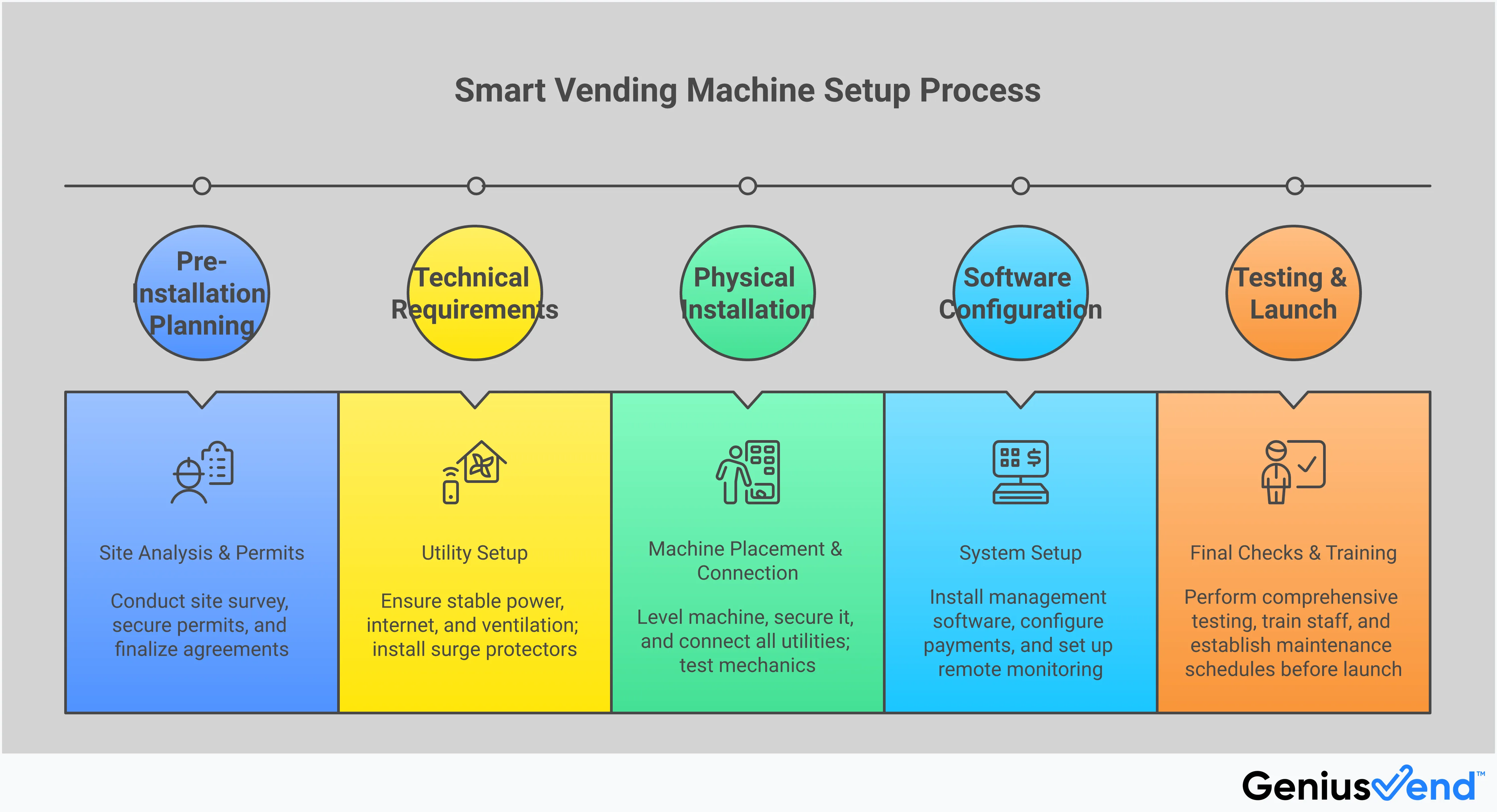
Getting a new vending machine delivered is an exciting step, but a smooth installation day doesn’t just happen by chance. A little bit of planning can help you sidestep the common hiccups that can turn excitement into a major headache. Before your machine even leaves the warehouse, it’s smart to think through the entire process, from the delivery truck to its final, plugged-in spot.
Think of it like this: you wouldn’t buy a new sofa without first measuring your doorframe. The same logic applies here, but with a few more variables to consider. We’ll walk through the most common hurdles operators face during installation, like tricky delivery paths, local regulations, and simple spacing mistakes. By thinking about these things ahead of time, you can ensure your installation is seamless. This proactive approach means you can get your machine stocked, running, and generating profit that much faster, without any frustrating delays or last-minute scrambles.
Solving Delivery and Access Issues
Your machine’s journey doesn’t end at the curb. Before you confirm your order, you need a clear plan for getting it inside and into position. Start by measuring every part of the delivery path—doorways, hallways, elevators, and any tight corners. It’s a good idea to do a physical walkthrough of the route the delivery team will take. Some providers offer a professional site survey to handle these measurements for you, ensuring the machine can fit without any issues. Don’t forget to check for stairs or ramps, as these can present major challenges for moving a heavy piece of equipment.
Staying Compliant with Local Rules
Once you have a spot in mind, it’s time to check the rulebook. Depending on your location, there may be specific regulations you need to follow. For example, you’ll need to comply with accessibility standards like the Americans with Disabilities Act (ADA), which sets requirements for how much clear space must be available around the machine for wheelchair access. It’s also crucial to confirm that the location is properly zoned for commercial activity and that your machine’s placement doesn’t violate any building or fire codes. A quick chat with the property manager or a look at local ordinances can save you from a costly mistake.
Avoiding Common Space and Maintenance Mistakes
A vending machine needs a little breathing room to function properly. It’s not enough for the machine to simply fit in a space; you also need to leave adequate clearance around it. A good rule of thumb is to leave at least three feet of open space in front of the machine so customers can comfortably browse and make their purchases. You should also leave a few inches of space on the sides and in the back. This ensures proper ventilation so the cooling unit doesn’t overheat, and it gives you or a technician enough room to access key components for restocking and maintenance.
Picking the Right Machine for Your Spot
The best vending machine is one that fits the physical space and the needs of the location’s customers. A traditional snack machine might be perfect for a factory floor, but a sleek office breakroom might be better served by a modern smart cooler. Some high-traffic locations like hotels or large apartment buildings may even qualify for free vending programs from certain providers, so it’s always worth exploring your options. Versatile, AI-powered machines offer the most flexibility, allowing you to stock anything from kombucha and fresh salads to classic candy bars, all from the same unit. This adaptability makes them a great fit for almost any environment.
Should You Partner with a Vending Provider?
Deciding to add a vending machine is the first step, but the next big question is whether you should manage it yourself or partner with a full-service vending provider. Think of a provider as your all-in-one partner. They typically supply the machine at no upfront cost and then handle every single detail: installation, stocking, service calls, and maintenance. You simply provide the space and, in most cases, share a portion of the revenue.
This path is incredibly popular for businesses that want to offer snacks and drinks as an amenity for employees or customers without adding "vending machine manager" to someone's job description. It’s a hands-off approach that lets you enjoy the benefits without the operational work. For entrepreneurs just starting out, partnering with a provider can be a way to learn the business before investing in your own equipment. The trade-off is less control over product selection and a smaller cut of the profits. The alternative is to buy your own machine, which gives you total control and 100% of the revenue, but also makes you responsible for all the logistics we're about to cover.
Getting Professional Installation
Let’s be honest: vending machines are big, heavy, and awkward. Getting one into your building isn’t always as simple as rolling it through the front door. A professional provider eliminates this entire headache. Before a machine even arrives, they often conduct a free site survey to find the perfect spot. Their team will measure everything—doorways, corridors, and even stairwells—to map out the safest and most efficient delivery path.
On installation day, experienced engineers handle the entire setup. They ensure the machine is level, properly connected to power, and running correctly from the start. Plus, they’ll walk you through the basics of how to use it. This professional touch prevents damage to your property and the machine, and it ensures everything is set up for success from day one.
The Perks of Ongoing Maintenance and Support
What happens when a machine stops accepting payments or a customer’s favorite snack gets stuck? If you own the machine, that service call is on you. When you work with a provider, however, you get the peace of mind that comes with ongoing support. Most full-service companies offer free maintenance and have a dedicated customer support line for any issues.
This means if something goes wrong, their team will come out to fix it at no extra cost. This is a huge advantage, as it prevents you from having to diagnose mechanical problems or hire a third-party technician. It keeps the machine running smoothly and your customers happy without adding unexpected stress or repair bills to your plate.
Simplifying Your Product Sourcing and Stocking
Keeping a vending machine stocked with products people actually want to buy is a job in itself. It involves tracking inventory, purchasing products in bulk, storing them, and physically refilling the machine on a regular basis. A vending provider handles all of this for you. They use their experience and sales data to stock the machine with popular items that are likely to sell well in your specific location.
They manage the entire supply chain, so you never have to worry about running out of top-sellers or guessing what new products to try. This service saves an incredible amount of time and effort. Of course, if you prefer to manage your own inventory, smart machines with remote monitoring can make the process much more efficient than it used to be, giving you real-time data right on your phone.
Finding the Perfect Spot for Profit
Location is everything in the vending business. It’s a common myth that you can place a machine just anywhere and expect the profits to roll in, but the reality is far more strategic. The perfect spot is more than just a place with people; it’s an ecosystem where high traffic, the right customer, and the perfect products come together. Finding that sweet spot is the single most important step you’ll take toward building a successful vending operation.
Think of it as a puzzle. The first piece is finding a location with a steady stream of people. But traffic alone isn’t enough. You also need to understand who those people are and what they’re looking for. A machine in a busy gym will fail if it’s stocked with candy bars, just as a machine in a high school will struggle if it only offers expensive health foods. Finally, the machine itself plays a huge role. A modern, reliable machine with easy payment options can turn a good location into a great one. By focusing on these key elements—location, customer, product, and technology—you can create a vending setup that not only serves customers but also generates consistent revenue.
How to Identify High-Traffic Locations
The best locations for vending machines are places where people congregate, wait, or work for extended periods. You’re looking for a captive audience. Think about office break rooms, apartment building lobbies, college dorms, hospitals, and 24-hour gyms. These spots have consistent foot traffic from people who will appreciate the convenience. Before you commit, spend some time observing your potential vending machine locations. Visit during different times of the day to see how the flow of people changes. A busy lunch spot might be a ghost town by 3 p.m., while a residential building sees more activity in the evenings. The goal is to find a place with a reliable presence of people who will see and use your machine daily.
Understanding Your Target Customer
Once you’ve identified a high-traffic area, the next step is to figure out who is walking by. The demographics of your location will dictate what products you should offer. Are they health-conscious professionals in a corporate office? They’ll likely want salads, healthy snacks, and sparkling water. Are they college students pulling all-nighters? They’ll probably be looking for energy drinks, instant noodles, and classic comfort snacks. Don’t be afraid to ask the location manager or business owner about their employees or residents. Understanding your target customer is crucial for making sure your machine becomes a welcome amenity rather than just a box in the corner.
Stocking Products People Actually Want
With a clear picture of your customer, you can stock your machine with items they’ll actually buy. A great strategy is to offer a mix of well-known favorites and some unique options to keep things interesting. For example, alongside classic sodas and chips, you could offer locally made snacks or trendy new beverages. The best part about using a smart vending machine is that you don’t have to guess. You can track sales data in real-time to see what’s selling and what’s not. This allows you to fine-tune your inventory, remove unpopular items, and double down on best-sellers, ensuring your machine is always stocked with in-demand products.
Why Modern Features Attract More Customers
The machine itself can make or break the customer experience. We’ve all been frustrated by an old machine that rejected our crumpled dollar bill or was out of our favorite item. Modern, AI-powered machines eliminate these issues and attract more users. Features like cashless and mobile payments, a simple “Tap, Grab & Go” system, and a bright, clean interface make purchasing effortless. This advanced technology not only meets the expectations of today’s consumers but also builds trust. When a customer knows your machine is reliable and easy to use, they are far more likely to become a regular. A better experience leads to more sales and a stronger reputation for your business.
Your Installation Day Checklist
The big day is here! Your new vending machine is about to arrive, and a little preparation goes a long way in making sure everything goes smoothly. Think of it as setting the stage for your new stream of income. A successful installation day means you can start earning money faster and with fewer headaches. This checklist will walk you through the key steps, from prepping your space before the delivery truck arrives to getting your smart features up and running.
Preparing Your Location Before Arrival
Before your machine even shows up, the most important thing you can do is confirm your measurements. You’ve picked the perfect spot, but can the machine actually get there? Measure the entire path from the delivery truck to its final destination, including all doorways, hallways, and any tight corners. Also, remember that vending machines need to breathe. Make sure you leave at least a few inches of clearance on the sides and back for proper airflow. This simple step prevents the machine from overheating and helps it run efficiently for years to come. Many providers offer a free site survey to handle these installation requirements for you, which is a great perk to look for.
Testing Everything After Setup
Once the machine is in place and plugged in, it’s time for a full systems check. Don’t let the installation team leave until you’ve seen everything work with your own eyes. Test the payment system to ensure it accepts all forms of payment you plan to offer, like credit cards and mobile tap-to-pay. For refrigerated or frozen machines, check that the cooling system is running and reaching the correct temperature. The installers should also give you a basic tutorial on how to operate and perform simple maintenance on your machine. This is your chance to ask questions and get comfortable with your new equipment before you’re on your own.
Setting Up Remote Management for Easy Oversight
This is where modern vending machines truly shine. If you have a smart machine, the final step is connecting it to your network and setting up the remote management software. This usually involves downloading an operator’s app to your phone and syncing it with your machine. Once connected, you can see real-time sales data, track inventory levels, and receive alerts if there’s an issue. This technology is a game-changer, transforming vending from a guessing game into a data-driven business. You’ll know exactly what to restock and when, saving you countless hours and maximizing your profits from day one. It’s one of the most powerful smart vending best practices you can adopt.
Related Articles
- The Ultimate Checklist for Buying Vending Machines
- Grab and Go Vending Machine: The Ultimate Guide
- Where Can I Buy a Vending Machine? A 2025 Guide
- Where to Buy a Vending Machine Online: 6 Top Picks
- The True Cost to Buy a Vending Machine in 2025
Frequently Asked Questions
What's the biggest difference in running a smart AI machine versus a traditional one? From an operator's perspective, the main difference is moving from guesswork to data. With a traditional machine, you have to visit it in person to know what's sold out. With a smart machine, you can see your inventory and sales in real-time on your phone. This means you know exactly what to bring for a restock, saving you time and wasted trips. It also gives you the flexibility to sell anything that fits on a shelf, not just items that fit in a spiral coil.
Besides the machine itself, what's the most significant ongoing expense I should plan for? Your single largest recurring cost will be your inventory—the products you stock in the machine. This is also directly tied to your revenue, so it's an expense you want to have. You'll need to budget for purchasing snacks, drinks, or other items in bulk to keep your machine full. Other costs like location commissions or maintenance are usually smaller, but keeping a healthy budget for new products is essential for keeping your business running and profitable.
How do I actually get permission to place a machine in a location like an office building or gym? Securing a location starts with a simple conversation. First, identify the decision-maker, which is usually a property manager, HR director, or business owner. Prepare a brief, friendly pitch that explains the benefits for their employees or customers, such as convenience and modern payment options. It's helpful to have photos of your machine and a potential product list ready. The key is to present it as a no-cost, hassle-free amenity that you will manage completely.
Is it better to buy my own machine or use a full-service vending provider? This really comes down to a choice between control and convenience. When you buy your own machine, you have total control over product selection and you keep 100% of the profits, but you're also responsible for all stocking, maintenance, and service calls. Partnering with a provider is a hands-off approach where they handle everything for you in exchange for a share of the revenue. It's a great option if you want the amenity without the work, while owning is better if you're building your own vending business.
What's the most common mistake new vending operators make during installation? The most frequent and frustrating mistake is failing to properly measure the delivery path. People often measure the final spot for the machine but forget to measure the doorways, hallways, and elevators it needs to pass through to get there. A machine that gets stuck in a corridor on delivery day is a major headache that can be easily avoided with a tape measure and a quick walkthrough before you ever place your order.
