

When you're looking to buy a vending machine, Best Buy might not be the first name that comes to mind. You’ve probably seen their blue-and-yellow Express kiosks in airports and thought they were a neat idea, but did you know they also sell vending machines directly to entrepreneurs like you? It's true, but the reality is a bit more complicated than just adding one to your cart. The machines you can actually purchase aren't the famous airport models. This guide is here to clear up the confusion. We'll walk through exactly what kind of vending machine Best Buy offers, who makes them, and what features they have, so you can decide if a big-box retailer is the right starting point for your vending business.
Key Takeaways
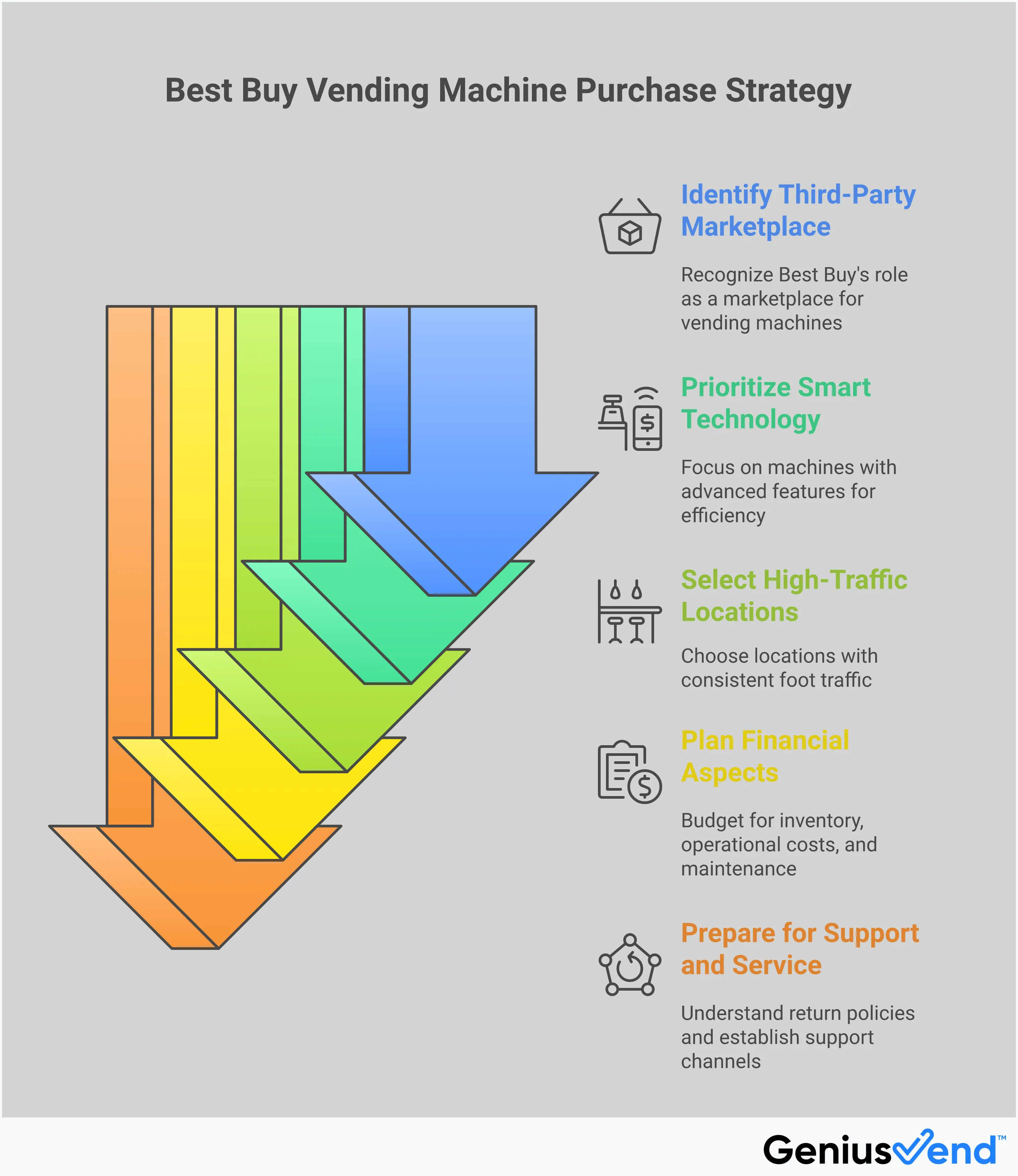
- Understand the Marketplace: Best Buy doesn't sell its iconic airport kiosks; instead, their website lists machines from third-party brands. This means you're buying through a major retailer, not directly from a specialized vending supplier, which can affect service and support.
- Prioritize Smart Features for Profit: To run an efficient business, focus on machines with essential technology like remote inventory tracking and versatile payment systems that accept credit cards and mobile pay. These features directly improve your sales and save you time.
- Evaluate the Full Commitment: Your investment goes beyond the initial price. Carefully review the warranty, the retailer's strict return policy for large items, and how you'll get technical support or parts before you buy to avoid future headaches.
What Vending Machines Does Best Buy Offer?
When you think of Best Buy, you probably picture aisles of TVs and laptops, not vending machines. But the electronics giant has a notable presence in the automated retail space. Their offerings generally fall into two categories: their own branded electronics kiosks, which you’ve likely seen in airports, and third-party machines from other manufacturers that they sell directly to businesses and entrepreneurs.
If you're looking to start or expand a vending route, it's helpful to understand what you can—and can't—get from a major retailer like Best Buy. While their famous blue-and-yellow kiosks aren't for sale, they do list other smart vending solutions on their website. These machines are geared toward operators who need a reliable unit for a break room or public space. Let's walk through the specific types of vending machines connected with the Best Buy brand.
Airport Express Kiosks
You’ve probably rushed past a Best Buy Express kiosk in an airport terminal. These automated machines are a lifesaver when you realize you’ve forgotten your headphones or need a last-minute phone charger. For over a decade, these kiosks have been serving travelers by offering popular electronics like headphones, chargers, and even GoPros. As Best Buy’s corporate news celebrated, these vending machines turned 10 back in 2018, marking a long history of successful automated retail. While they are a fantastic example of unattended retail, these machines are owned and operated by Best Buy itself and are not available for individual purchase.
Koolmore Smart Vending Solutions
For entrepreneurs looking to purchase a machine, Best Buy’s marketplace offers options from other brands, such as Koolmore. These are typically combination machines designed to dispense both snacks and drinks, making them a versatile choice for many locations. For example, one popular refrigerated Koolmore model features 60 product slots, a large 22-inch touch screen for easy customer interaction, and a bill acceptor. With a price tag of over $7,000, it represents a significant investment, but it provides the modern features customers have come to expect from a smart vending machine.
Available Models and Specifications
Diving into the details, the machines available through Best Buy come with different specifications to fit various needs. You can find both refrigerated models for cold drinks and perishable snacks, as well as non-refrigerated units for chips, candy, and other shelf-stable items. A typical non-refrigerated Koolmore machine stands over six feet tall (76.4 inches) and is about four feet wide (49.7 inches), so you’ll need to plan your space accordingly. These models often include 60 slots and come equipped with a 22-inch touch screen and acceptors for both bills and coins, covering the basic requirements for a modern vending setup.
Product Selection and Capacity
The capacity of a vending machine directly impacts your product variety and how often you need to restock. The Koolmore machines sold through Best Buy feature 60 slots, giving you plenty of room to offer a wide range of snacks and drinks. This allows you to cater to diverse tastes, stocking everything from classic potato chips and candy bars to healthier options and popular sodas. The Best Buy Express kiosks, by comparison, hold around 50 different products. Regardless of the model, a key benefit of any vending machine is its ability to operate 24 hours a day, ensuring you can make sales around the clock without needing staff on-site.
A Look at the Features and Technology
Vending machines have come a long way from the clunky, coin-only boxes of the past. The technology packed into today's machines is designed to create a smoother experience for customers and a more profitable, hands-off operation for you. When you're shopping for a new machine, you're not just buying a box that dispenses snacks; you're investing in a piece of retail technology. Understanding the key features available will help you choose a machine that not only meets customer expectations but also makes your life as an operator much easier.
From interactive touchscreens to sophisticated remote management systems, these advancements are changing the game. They allow you to accept more forms of payment, protect your inventory, and manage your business from anywhere. As we break down these features, think about your ideal business setup. Do you want to be able to check inventory from your phone? Do you want to offer a wide range of payment options? Knowing what's possible will help you find the perfect fit for your vending route or business location.
Touchscreen Interface
Gone are the days of dusty buttons and faded product labels. Many modern vending machines now feature sleek, user-friendly touchscreen interfaces. For example, some Koolmore models available through Best Buy come with a 22-inch touch screen that completely changes the customer interaction. Instead of just punching in a code, customers can browse products, view nutritional information, and even see promotions right on the screen. This creates a more engaging and intuitive shopping experience, similar to ordering from a kiosk at a fast-food restaurant. For operators, a good interface can lead to more sales and happier, repeat customers.
Payment Systems and Options
One of the fastest ways to lose a sale is by not accepting a customer's preferred payment method. That's why versatile payment systems are a non-negotiable feature. Today’s machines are equipped to handle a variety of transactions, including credit cards, coins, and bills. More importantly, they embrace the move toward a cashless society by accepting contactless payments like Apple Pay and Google Pay. Offering these options ensures you never miss out on a sale just because someone doesn't have cash on hand. This flexibility is essential for maximizing your revenue at any location.
Remote Management Capabilities
Imagine knowing exactly what's selling in your machines without ever leaving your house. That's the power of remote management. This technology connects your machine to the internet, allowing you to monitor inventory levels, track sales data, and receive alerts in real-time through a dedicated app. You’ll know precisely when a machine is running low on a popular item, which means you can optimize your restocking trips to save time and fuel. This feature is a game-changer for efficiency, helping you keep your machines stocked and profitable with minimal guesswork.
Security Features
Protecting your investment is crucial, and modern vending machines come with robust security features to safeguard your inventory and cash. Look for machines with drop sensors, which confirm a product has been successfully dispensed. This simple feature prevents customer frustration and eliminates the need for refunds. Many machines also include anti-theft mechanisms and heavy-duty lock systems to deter tampering and break-ins. These security measures provide peace of mind and protect your bottom line from unnecessary losses due to malfunction or theft.
Product Dispensing Technology
How a product gets from the shelf to the customer matters. Traditional coil systems can sometimes damage fragile items like chips or cause products to get stuck. To solve this, many newer machines use an elevator lift dispensing system. This technology gently retrieves the selected item from its shelf and delivers it to the access door, minimizing the risk of drops, damage, or jams. It’s especially important if you plan to sell glass-bottled drinks or delicate snacks. A reliable dispensing system ensures a smooth transaction every time, which builds customer trust and reduces service calls.
Breaking Down the Costs and Value
Buying a vending machine is a major business decision, so let's talk numbers. The initial price tag is just one piece of the puzzle. To truly understand the value of your investment, you need to look at the complete financial picture, from the upfront cost to ongoing expenses and, most importantly, your potential return. Think of it less like buying a piece of equipment and more like launching a small business. The right machine in the right location can be a steady source of passive income, but getting there requires a clear understanding of all the costs involved.
We'll break down what you can expect to pay for different types of machines, the hidden operational costs you need to budget for, and how to calculate the potential profit. This isn't just about finding the cheapest option; it's about finding the smartest investment for your goals. Whether you're adding a machine to your office breakroom or starting a full-fledged vending route, knowing these details will help you make a confident and profitable choice.
Price Comparison Across Models
When you start shopping, you'll see that vending machine prices can vary quite a bit. The cost depends on factors like size, refrigeration, and technology. For example, a modern machine like the Koolmore refrigerated vending machine with a large touch screen and 60 slots can cost over $7,000. Non-refrigerated versions with similar tech might be slightly less. Simpler, traditional machines will be on the lower end, while advanced smart machines with AI-powered systems represent a higher initial investment. Consider which features are essential for your business plan to find the right balance between cost and capability.
Operating and Maintenance Costs
Beyond the purchase price, you'll have ongoing costs to keep your machine running smoothly. The most significant will be your inventory—the snacks and drinks you stock. Other expenses include credit card transaction fees, potential location commissions, and electricity. Modern machines help you manage these costs with smart features. For instance, drop sensors ensure customers get their products, reducing refund requests and service calls. Similarly, anti-theft designs protect your inventory and cash. Budgeting for these operational expenses from the start is key to maintaining profitability.
Warranty Coverage
A good warranty is your safety net. It protects your investment from unexpected defects or malfunctions, which can save you a lot of money and stress down the road. Warranty terms vary widely between manufacturers and retailers, so don't just skim this part of the purchase agreement. Before you buy, make sure you understand exactly what is covered (parts, labor, etc.) and for how long. If the warranty information isn't clear on the product page, don't hesitate to contact the seller directly. A comprehensive warranty is a sign of a quality product and a reliable company.
Energy Efficiency Ratings
Your vending machine will be running 24/7, so its energy consumption will directly impact your monthly utility bill. While it might seem like a small detail, these costs add up over the life of the machine, especially if you operate a refrigerated unit. When comparing models, look for energy efficiency information in the product specifications. Manufacturers of newer machines often highlight energy-saving features, like efficient cooling systems or low-power standby modes. Choosing an energy-efficient model is a smart move that lowers your operating costs and contributes to a healthier bottom line.
Potential Return on Investment
This is where the investment starts to pay off. A well-placed and well-stocked vending machine can be a fantastic source of revenue. According to Shopify, a single machine can generate several thousand dollars in profit per year. The total initial investment for a machine typically falls between $2,000 and $10,000. Your actual return will depend on your location's foot traffic, product pricing, and operating costs. Once you find a profitable formula with your first machine, you can scale your business by adding more, multiplying your income streams.
Your Guide to Purchase and Setup
Once you’ve picked out your machine, the next step is getting it up and running. This is where the planning pays off. A smooth setup process involves more than just finding a place to plug it in; it’s about integrating the machine into its new environment and preparing it for business. From ensuring you have the right power source to figuring out how you’ll keep it stocked, let's walk through the key steps to get your vending machine ready for its first customer.
Installation Requirements
Before your machine arrives, make sure you have a dedicated spot ready. You’ll need a standard three-prong electrical outlet with reliable power. It’s also important that the location has a flat, level surface to ensure the machine operates correctly and safely. While older, traditional machines can be incredibly heavy and difficult to move, many modern units are designed for easier placement. When you start a vending machine business, thinking through these logistical details ahead of time will save you a major headache on delivery day.
Inventory Management System
How will you know when it’s time to restock? With older machines, the only way is to physically go and check, which costs you time and gas. This is where modern technology creates a huge advantage. Smart vending machines come equipped with remote management capabilities, allowing you to see real-time inventory levels from your phone or computer. This means you can plan your restocking routes efficiently, only visiting machines that actually need service. You’ll know exactly what products to bring, which helps you maximize sales and keep your customers happy.
Payment Processing Setup
In a world where fewer people carry cash, offering flexible payment options is non-negotiable. Your machine should be equipped to handle everything from cash and coins to credit cards and mobile payments like Apple Pay or Google Pay. Many modern machines feature user-friendly touch screens and reliable payment systems that make transactions quick and easy. Setting up these systems is usually straightforward, often involving creating an account with a payment processor that integrates with your machine. This ensures your funds are deposited directly into your bank account, simplifying your bookkeeping.
Location Considerations
The right location is everything. You’re looking for places with consistent foot traffic, like office break rooms, apartment building lobbies, gyms, or schools. Before you decide on a spot, spend some time observing the area to understand the potential customers. Are they students looking for a quick snack between classes or office workers needing a midday caffeine fix? Once you find a promising location, you’ll need to speak with the property owner or manager to agree on terms. A simple contract outlining placement and any potential commission is a professional way to secure your spot.
Available Financing Options
A new vending machine is a significant investment, but you don’t always have to pay the full cost upfront. Many retailers and manufacturers offer financing plans to make the purchase more manageable. For example, retailers like Best Buy often provide deferred interest financing offers that can give you time to get your business running before you have to start making payments. Exploring these options can be a smart financial move, allowing you to preserve your cash for stocking inventory and covering other startup costs. Always be sure to read the terms carefully to understand the interest rates and payment schedule.
Finding Support and Service
Buying a vending machine is a big step, but what happens after the purchase is just as important. Think of it as a long-term relationship. You need to know who to call when you have a question, how to handle returns if something isn't right, and where to turn for repairs down the road. The quality of support and service can be the difference between a profitable investment and a frustrating headache. While buying from a major retailer offers convenience, it's smart to look closely at their support structure for specialized equipment. Before you commit, let's walk through what you can expect and the right questions to ask to ensure you have a safety net for your new machine.
How to Purchase
When you’re ready to buy a machine like the Koolmore snack vendor, the process is often as simple as adding it to your cart on a retail website. Major stores like Best Buy list these machines online, allowing you to compare specs and complete the purchase from your computer. One of the key advantages of buying from a large retailer is their potential for competitive pricing. For example, Best Buy offers a Price Match Guarantee, which can give you peace of mind that you're getting a fair deal. Just be sure to read all the terms and conditions before you finalize your order.
Return Policy Guidelines
This is one area where you need to pay close attention. Return policies for large, specialized items purchased from big-box stores can be incredibly strict. It’s not like returning a pair of headphones. For some machines, you can only make a return if the product is completely unopened or proven to be defective upon arrival. Once it's out of the box and set up, you may be locked in. Before you buy, read the fine print on the return policy. Understand the exact conditions, the timeframe for returns, and who is responsible for shipping costs, which can be substantial for a heavy machine.
Accessing Technical Support
When your machine has a technical hiccup, you want fast and knowledgeable help. The ideal support experience involves clear communication and deep product knowledge. While some customers report positive interactions with retailer support teams, it's important to remember you'll likely be dealing with a general customer service department, not vending machine specialists. This can sometimes lead to longer wait times or being passed between departments. Before purchasing, it’s a good idea to find out if the manufacturer offers a direct support line you can call for more specialized assistance.
Parts and Repairs
Every machine will eventually need a new part or a repair. A down machine isn't making you money, so quick access to parts is critical. One of the potential challenges of buying from a general retailer is navigating their system for replacement parts. It’s wise to ask about the process upfront. How do you order a replacement part? What is the typical shipping time? Knowing this ahead of time can save you from future stress and extended downtime. Some operators have faced customer service challenges with large retailers, so being proactive is your best strategy.
Maintenance Resources
Consistent maintenance keeps your machine running smoothly and your customers happy. The most crucial task is keeping it stocked. Some modern machines have smart technology that allows for remote management, sending you an alert when inventory is low. This is a game-changer for efficiency, saving you from unnecessary trips. If the model you're considering doesn't have this feature, you'll need to establish a regular schedule to check it yourself. Creating a simple maintenance checklist for cleaning and testing components will also help extend the life of your investment.
Related Articles
- Where Can I Buy a Vending Machine? A 2025 Guide
- The True Cost to Buy a Vending Machine in 2025
- Vending Machine with Touch Screen: Buyer's Guide
- How to Buy a Vending Machine: A 7-Step Guide
Frequently Asked Questions
Can I buy one of the Best Buy Express kiosks I see in airports? That’s a common question, but unfortunately, no. Those blue-and-yellow kiosks are owned and operated directly by Best Buy as part of their own retail strategy. They are a great example of automated retail in action, but they aren't for sale to individual operators. Instead, Best Buy's website acts as a marketplace where you can purchase machines from other manufacturers, like Koolmore, for your own business.
What are the biggest advantages of a machine with remote management? Remote management is a feature that will completely change how you run your business. It allows you to see your machine's sales and inventory levels in real-time from an app on your phone. This means you can stop wasting time and gas money on unnecessary trips to check on a machine that's already full. You'll know exactly which products are running low and can plan your restocking routes with incredible efficiency.
How much should I budget for a new vending machine, beyond the initial price? The sticker price is just the beginning. You'll need to set aside funds for your first round of inventory to stock the machine completely. You should also account for ongoing operational costs, such as credit card transaction fees for every cashless sale and potentially a commission for the property owner where your machine is located. Factoring these expenses into your plan from day one is essential for accurately projecting your profitability.
What's the most important thing to know before buying a machine from a big retailer like Best Buy? The most critical thing to investigate is the return policy and the process for technical support. Unlike a specialized vending supplier, large retailers often have very strict, non-negotiable return policies for oversized items, and returns may only be accepted if the box is unopened. You should also clarify who you would contact for repairs—the retailer or the manufacturer—as getting specialized help through a general customer service line can sometimes be a challenge.
How do I choose the right location for my vending machine? A great location is the single most important factor for success. Look for places with a steady stream of people who might be stuck in one place for a while, like office break rooms, waiting areas, or apartment complex common rooms. Before you approach a property manager, spend some time observing the foot traffic. This will help you pitch your machine effectively and decide on a product mix that perfectly matches the needs of the people there.