

You’re here because you want a straightforward answer to a simple question: how much does a modern vending machine actually cost? While the touch screen vending machine price can vary, this guide is designed to give you a clear and realistic financial picture. We’ll go beyond the initial purchase price to cover the total cost of ownership, including ongoing expenses like inventory, software fees, and maintenance. We'll also discuss financing options and what you can realistically expect in terms of profitability. Think of this as your complete financial roadmap to launching or upgrading your vending business with the right technology.
Key Takeaways
- Price Reflects Technology: A machine's cost, from $3,000 to over $8,000, is directly tied to its capabilities. You're investing in features like AI-powered checkout and remote management, which create a better customer experience and make your business easier to run.
- Look Beyond the Sticker Price: Your initial purchase is just the start. A realistic business plan must include ongoing costs like inventory, software subscriptions, and payment processing fees to accurately understand your true profit potential.
- Profit Hinges on Smart Placement and Management: The most advanced machine won't earn money in an empty room. Secure high-traffic locations and use remote management tools to keep popular items stocked, ensuring you can efficiently meet customer demand and grow your business.
How Much Do Touch Screen Vending Machines Actually Cost?
Let's talk numbers. When you start looking into touch screen vending machines, you'll quickly notice that the prices can feel like they're all over the map. One machine might be listed for a few thousand dollars, while another with a similar look costs double. So, what’s the real story behind the price tag? The truth is, the cost of a touch screen vending machine depends entirely on what’s under the hood. You’re not just paying for a screen; you’re investing in technology, capacity, and features that directly impact your business's efficiency and profitability.
Think of it like buying a car. A basic model will get you from point A to point B, but a premium model offers a completely different experience with features like GPS, a better sound system, and advanced safety tech. Vending machines are similar. An entry-level machine might have a simple touch interface for selecting products, while a top-tier, AI-powered machine offers a seamless "grab-and-go" experience and gives you powerful remote management tools. To help you make sense of it all, we can break down the average vending machine cost into three main categories: entry-level, mid-range, and premium AI models.
Starting Point: Entry-Level Machines
If you're just dipping your toes into the world of modern vending, you'll likely start by looking at entry-level machines. These typically range from $3,000 to $5,000. For this price, you get a machine with a basic touch screen interface that replaces the old-school buttons and coil system. It’s a solid step up in terms of customer experience, offering a more modern look and feel.
However, these machines usually lack the advanced software and connectivity of their smarter counterparts. You might not get detailed sales analytics, remote inventory tracking, or AI-driven checkout. They are a functional and affordable way to upgrade from traditional machines, but they don't offer the powerful management tools that can truly streamline your operations.
The Sweet Spot: Mid-Range Smart Vending
This is where things get interesting for many vending operators. Mid-range smart vending machines, which often fall in the $5,500 to $8,000 range, strike a great balance between features and price. These machines typically come equipped with more robust software, allowing for remote monitoring of sales and inventory levels. This means fewer wasted trips to restock and better data to inform your product choices.
The touch screens on these models are often more responsive and may support digital advertising. While they might not have the full AI-powered, open-door shopping experience, they represent a significant operational upgrade. For many entrepreneurs, these touch screen smart vending machines are the perfect middle ground, providing the essential tech needed to run a more efficient and profitable business.
Top-Tier Tech: Premium AI-Powered Models
At the premium end of the spectrum, you’ll find the most advanced machines on the market, typically starting around $8,000 and going up from there. These are more than just vending machines; they are fully autonomous retail points. The higher price tag is justified by cutting-edge technology, most notably AI-powered systems that allow for a "Tap, Grab & Go" experience. Customers simply tap their card, open the door, take what they want, and walk away.
This technology eliminates product jams and creates a frictionless customer experience. More importantly for you, the operator, these machines provide deep analytics and complete remote control over every aspect of your business. Understanding the true cost to buy a vending machine at this level means looking at the long-term return on investment from increased sales and unmatched operational efficiency.
What Are You Paying For? A Look at Price Factors
When you see the price tag on a touch screen vending machine, you're looking at more than just a box that dispenses snacks. The cost is a reflection of the technology packed inside—the hardware and software working together to create a seamless experience for both you and your customers. A basic machine might seem like a bargain, but it could lack the features that truly drive sales and make your life easier.
Understanding what goes into the price helps you make a smarter investment. From the physical size and the quality of the screen to the payment systems and the intelligence running behind the scenes, each component plays a role. Let's break down the key factors that determine the final cost, so you know exactly what you’re paying for and why it matters for your business.
Size and Capacity: How Much Can It Hold?
It might seem obvious, but one of the biggest factors in a machine's price is its physical size and how many products it can hold. A larger machine with more slots and a higher capacity will naturally cost more upfront than a compact model. While a standard new machine for snacks or drinks can start in the low thousands, more advanced, high-capacity units will command a higher price. Think about it this way: a larger machine allows you to offer a wider variety of products and requires fewer restocking trips, saving you valuable time and fuel. This means you can better serve high-traffic locations without constantly worrying about sold-out items and lost sales.
The Screen Itself: Quality and Resolution
The touch screen is the centerpiece of the modern vending experience, and its quality directly impacts the machine's price. A bright, high-resolution screen that is responsive to the touch creates a premium feel and makes it easy for customers to browse products. Cheaper models might use lower-quality screens that can be frustrating to use or difficult to see in bright light. Investing in a machine with a durable, user-friendly interface is about more than just looks; it builds customer confidence and makes them more likely to complete a purchase. A great screen signals that you're running a professional, reliable operation.
The "Smart" Factor: AI and Advanced Features
This is where today’s vending machines truly separate themselves from the old coil-and-key models. The "smart" factor refers to the advanced technology inside, like the AI that powers a "tap, grab, and go" system. Instead of punching in a code, customers can simply open the door, take what they want, and walk away. This frictionless experience is made possible by sophisticated sensors and software that track inventory in real time. These AI-powered features not only delight customers but also provide you with incredibly accurate sales data, which is a huge step up from traditional machines.
Making the Sale: Payment System Options
How your customers pay is critical, and a modern payment system is a non-negotiable feature that influences the overall cost. Gone are the days of "cash only." Today's top machines are equipped to handle any way a customer wants to pay, from credit and debit cards to mobile payments like Apple Pay and Google Pay. A machine that includes a versatile card reader will cost more than one with a simple bill and coin acceptor, but it's an essential investment. By offering flexible payment options, you ensure that no sale is lost simply because a customer isn't carrying cash.
Keeping it Cool: Refrigeration and Climate Control
If you plan to sell anything beyond shelf-stable snacks, you'll need a machine with refrigeration or freezer capabilities, which adds to the cost. A reliable cooling system with digital temperature controls is necessary to keep drinks cold and fresh food safe for consumption. This technology requires more complex hardware, including compressors and insulation, which increases the manufacturing cost. While a refrigerated or frozen machine is a bigger initial investment, it dramatically expands your product offerings. You can sell popular sodas, energy drinks, sandwiches, or even frozen treats, opening up new revenue streams and catering to a wider range of customer preferences.
Eyes on Your Business: Remote Management Tech
One of the most valuable features included in the price of a smart vending machine is the ability to manage it from anywhere. Remote management technology connects your machine to the cloud, allowing you to see real-time sales data, check inventory levels, and monitor the machine's status right from your phone or computer. This means you can say goodbye to unnecessary trips just to see what needs restocking. You can plan your routes with precision, ensuring you only visit the machines that need attention. This level of insight is a game-changer for efficiency and profitability, making the operator's app an indispensable tool for any serious vending entrepreneur.
How Costs Vary by Machine Type
Not all touch screen vending machines are created equal, and their price tags reflect that. The type of product you want to sell—be it a cold drink, a bag of chips, or a frozen meal—is the biggest factor in determining the machine's cost. The technology needed to store and dispense a can of soda is much different from what’s required to keep ice cream frozen. Let's break down the common categories to see how their features influence their price.
Smart Coolers and Combo Machines
Smart coolers are some of the most versatile and popular options on the market. These machines are perfect for drinks, snacks, and fresh food items. A standard model with smart capabilities, like the ones we offer at Genius Vend, typically runs between $2,000 and $3,000. The "smart" part comes from features like a simple "Tap, Grab & Go" system and remote management, which lets you track inventory from your phone. More advanced models with larger capacities or additional features will cost more, but they provide incredible flexibility for a modern vending business.
Touch Screen Snack Machines
When you picture a classic snack machine, you're probably thinking of a coil-based system. Modern touch screen versions of these machines start at around $3,100 for smaller units, with more standard smart models priced closer to $5,500. The price increases with size and the complexity of the internal mechanics needed to dispense a wide variety of fragile items like chips without breaking them. While they offer a familiar experience for customers, the technology is often less advanced than the open-door concept of a smart cooler.
Specialty Machines: Freezers and Fresh Food
If you want to stand out, specialty machines are the way to go. Vending machines that handle frozen products like ice cream or fresh items like salads and sandwiches require more sophisticated technology to maintain precise temperatures. This specialization means a higher upfront investment. While these machines cost more, they open up unique market opportunities with less competition. Offering premium frozen meals or healthy lunch options can lead to higher profit margins, making a smart freezer a powerful addition to your route.
Beyond the Sticker Price: What Are the Ongoing Costs?
Buying your touch screen vending machine is just the first step. To run a successful business, you need to plan for the expenses that come after the initial purchase. Think of it like owning a car—the sticker price is one thing, but you also have to budget for gas, insurance, and oil changes. For vending, these ongoing costs include everything from the snacks you sell to the software that keeps your machine running smoothly. Factoring these expenses into your business plan from day one is the key to understanding your true profitability and setting yourself up for long-term success. Let's break down what you can expect to pay for on a regular basis.
Keeping It Running: Maintenance and Repairs
Just like any piece of technology, your vending machine will need some TLC to stay in top shape. While modern machines are built to be reliable, you should always set aside a budget for routine maintenance and occasional repairs. This could include anything from cleaning the machine to replacing a part down the road. Planning for these costs prevents a small issue from becoming a major headache. A good practice is to treat preventive maintenance as a regular business expense, ensuring your machine is always ready to serve customers and generate income without unexpected downtime.
Stocking Up: Inventory and Product Costs
Your biggest and most frequent ongoing expense will be your inventory. You have to spend money to make money, and that means keeping your machine filled with products your customers love. The cost of inventory will vary depending on what you sell—gourmet snacks will cost more than standard chips—and how quickly your products sell out. This is a direct investment in your sales, so it’s important to develop a smart product sourcing strategy. Tracking your sales data will help you understand which items are most popular, allowing you to optimize your stock and manage your inventory costs effectively.
The Fine Print: Software and Processing Fees
Modern touch screen machines run on sophisticated software and rely on cashless payment systems, both of which can come with recurring fees. Many smart vending platforms require a subscription for remote management features, which allow you to track sales and inventory from your phone. Additionally, every time a customer pays with a credit card, debit card, or mobile app, you’ll pay a small transaction fee. These credit card processing fees are standard in any retail business. Be sure to ask your machine provider for a clear breakdown of all software and payment processing costs so you can factor them into your pricing.
Getting Help: Support and Warranty Plans
When you invest in a high-tech machine, you're also investing in the company behind it. A strong warranty and accessible customer support can save you a lot of money and stress. Before you buy, look into the support and warranty plans offered. A good plan will cover critical components and give you access to a knowledgeable team that can help with setup and troubleshooting. Think of this as a safety net for your business. Having reliable customer support to call when you have a question or a problem is invaluable and helps protect your investment for years to come.
The Big Question: Are They a Profitable Investment?
After looking at the costs, the next logical question is about the return. Is a touch screen vending machine a smart place to put your money? The short answer is yes, but profitability isn't automatic. It comes from making smart choices about your machine, location, and products. Let's break down what you can realistically expect and clear up some common misconceptions about making money in the vending world. This isn't about getting rich overnight; it's about building a steady, scalable income stream with the right technology on your side.
Breaking Down Your Earning Potential
Let's talk numbers. The monthly earning potential for a single smart vending machine can be significant, with most falling somewhere between $800 and $2,500. Of course, this is a wide range because your actual income depends heavily on a few key factors. A machine in a busy office building with 500 employees will perform differently than one in a quiet community center. The products you stock and how you price them also play a huge role. The goal is to find that sweet spot where high foot traffic meets a demand for the specific snacks, drinks, or meals you offer.
How Quickly Can You See a Return?
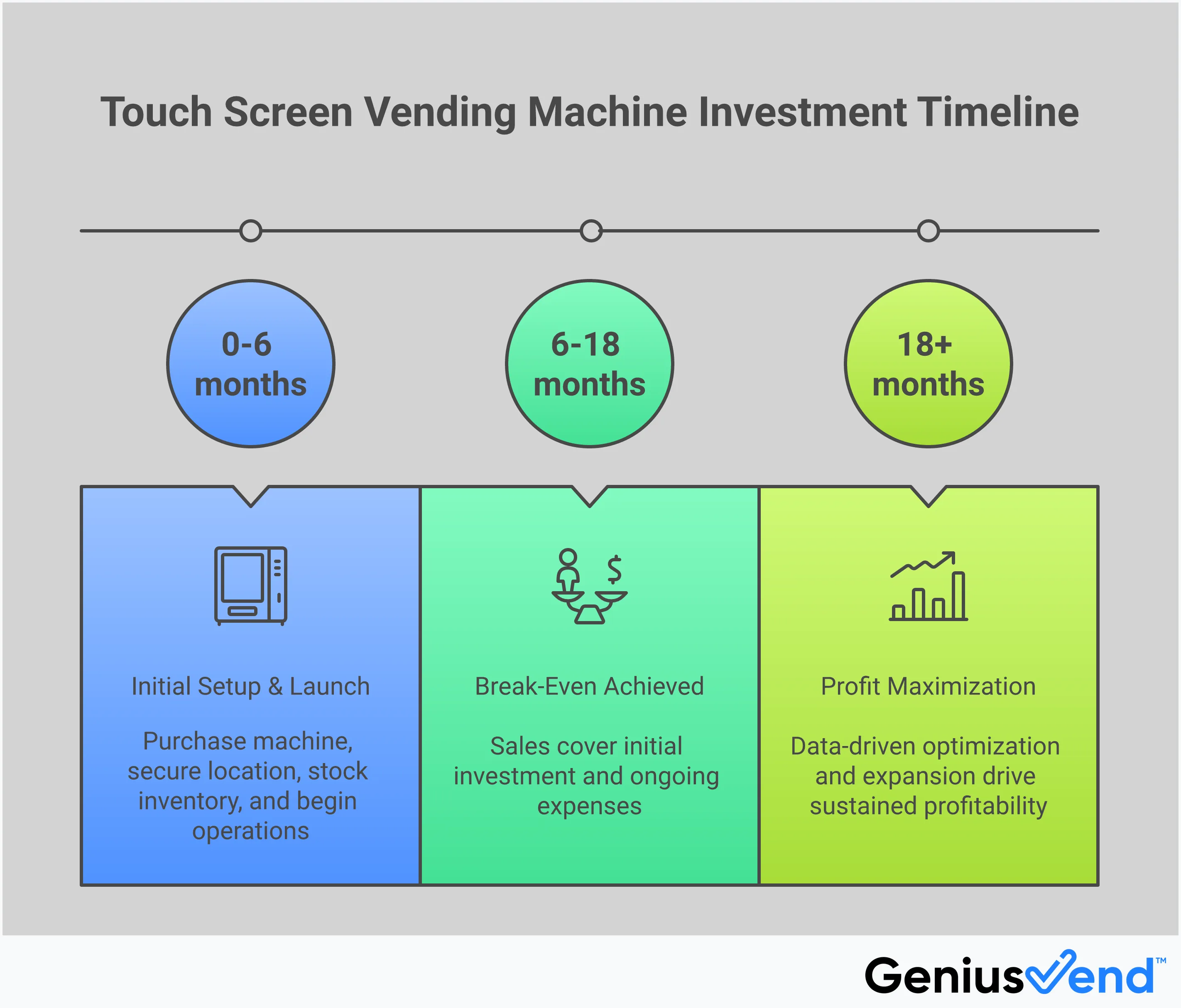
Once you've made the initial investment, you'll want to know when you'll start turning a profit. For most operators, vending machines break even within 6 to 18 months. This is the point where the machine has paid for itself, and everything it earns from then on is profit. Speeding up this timeline comes down to operational efficiency. A great location and a popular product mix will get you there faster. Using a smart system like Genius Vend's remote management app also helps by minimizing wasted trips and ensuring your machine is always stocked with best-sellers, pushing you toward profitability sooner.
Clearing Up Common Profit Myths
There are a few persistent myths about vending that can scare potential owners away. One is that the machines are an expensive, high-maintenance headache. The truth is, modern vending machines are one of the most cost-effective amenities you can add to a location. Another common mistake new owners make is an inadequate profitability assessment, leading them to underestimate their potential. Today’s smart machines are efficient, reliable, and backed by support, allowing you to manage your business from your phone. The key is to do your research and treat it like the real business it is.
How to Maximize Your Vending Machine Profits
Once you’ve invested in a smart vending machine, the next step is to make sure it’s working as hard as you are. Maximizing your profit isn’t about luck; it’s about making strategic decisions that turn a good business into a great one. It comes down to a few core principles: putting your machine in the right place, filling it with the right products, leveraging technology to create a seamless customer experience, and managing your operations efficiently.
Focusing on these four areas will help you build a sustainable and profitable vending route. You can create a business that not only generates steady income but also provides real value to your customers. Let’s break down the actionable steps you can take to get the most out of every machine you own.
Location, Location, Location: Finding the Perfect Spot
The old real estate mantra holds true for vending: location is everything. A state-of-the-art machine won’t earn a dime if no one is around to use it. The best places for vending machines are busy spots where people have limited food and drink options. Think office break rooms, apartment complex lobbies, hospitals, manufacturing plants, and universities. These are high-traffic areas with a built-in audience that appreciates convenience. Before you sign a placement agreement, spend some time doing on-the-ground market research to understand the foot traffic and the needs of the people there. A great location builds consumer trust and makes your machine the go-to choice.
Stocking Smart: Product and Pricing Strategy
What you sell is just as important as where you sell it. The quality and variety of products in your machine directly affect customer satisfaction and encourage repeat business. Take the time to understand your audience at each location. Are they health-conscious office workers who would appreciate salads and kombucha, or students looking for late-night energy drinks and chips? Don’t be afraid to test different products and use sales data to refine your offerings. Your pricing should be competitive yet profitable. Find that sweet spot where customers feel they’re getting good value and you’re earning a healthy margin on every item sold.
Using Smart Tech to Increase Sales
Modern vending machines are more than just metal boxes that dispense snacks; they are sophisticated retail points. Features like touch screens and cashless payment options are no longer just nice-to-haves—they’re expected. When a customer can simply tap their card or phone for a quick purchase, they’re more likely to buy. Genius Vend’s "Tap, Grab & Go" system removes friction from the buying process, making it incredibly simple and fast. This enhanced customer experience not only increases sales but also makes your machine a valued amenity, improving satisfaction wherever it’s placed.
Work Smarter: Managing Your Fleet Remotely
The days of driving to every machine just to see what needs restocking are over. Smart technology allows you to manage your entire operation from anywhere. Using an operator’s app, you can see real-time sales data and inventory levels for every machine in your fleet. This means you can plan your restocking routes with incredible efficiency, saving time, fuel, and money. Smart inventory tracking ensures you never run out of top-selling items, preventing lost sales and disappointed customers. This level of remote management transforms how you run your business, letting you handle more machines in less time and with fewer headaches.
Common Mistakes to Avoid When Buying
Buying your first (or next) touch screen vending machine is a huge step, and it’s easy to get caught up in the excitement. But moving too quickly can lead to some costly errors. I’ve seen many new operators make the same few mistakes that can trip them up right out of the gate. By knowing what they are ahead of time, you can set yourself up for a much smoother, more profitable start. Let’s walk through the most common pitfalls and how you can sidestep them.
Ignoring the Total Cost of Ownership
The sticker price on a vending machine is just the beginning of the story. To truly understand your investment, you need to look at the total cost of ownership. This includes all the ongoing expenses required to keep your machine running and profitable. Think about costs like restocking inventory, routine maintenance, potential repairs, and credit card processing fees. You might also have to pay a commission to the location or carry business liability insurance. Factoring these expenses in from the start gives you a realistic picture of your potential profits and helps you budget effectively.
Mismatching Features to Your Customers
It’s tempting to go for the machine with the most impressive technology, but the best features are the ones your customers will actually use and appreciate. A high-tech machine in a low-tech environment might not perform as well as a simpler, more familiar model. Before you buy, think about your target audience at a specific location. Are they tech-savvy office workers who would love a slick "tap, grab, and go" experience, or are they factory workers on a quick break who just want a simple, fast transaction? Aligning the machine’s features with your customers’ needs is key to creating a great user experience that keeps them coming back.
Forgetting About Space and Placement Needs
You could have the most advanced, perfectly stocked vending machine in the world, but if it’s in the wrong spot, it won’t make money. Your business depends on being seen and easily accessed by people who are ready to buy. Before you even purchase a machine, you should have a clear idea of where it will go. Scout for high-traffic locations with plenty of potential customers, like busy office break rooms, apartment building lobbies, or school lounges. Make sure you also measure the space to ensure the machine will fit comfortably and be compliant with any accessibility requirements. The right placement is just as important as the right machine.
How to Find the Right Machine for Your Budget
Finding a smart vending machine that fits your budget feels like a huge hurdle, but it’s more about smart planning than just finding the lowest price. The initial investment can range from a few thousand dollars to over $10,000, depending on the tech you’re after. But the sticker price is just one piece of the puzzle. A cheaper machine isn't a better deal if it costs you more in the long run. Let's walk through how you can secure the right machine for your business without breaking the bank.
Buying Direct vs. Through a Dealer
Your first big decision is where to buy your machine. Going directly to a manufacturer like Genius Vend means you’re getting the latest technology straight from the source. You’ll have direct access to their support team, a full warranty, and you cut out the middleman, which can often mean a better price. On the other hand, a third-party dealer might offer multiple brands or used machines. While a used machine might seem cheaper upfront, it could come with an expired warranty and older tech that’s more prone to issues, costing you more in repairs and lost sales down the line.
Exploring Your Financing and Leasing Options
Don’t let a high upfront cost stop you from getting the machine you really want. Most manufacturers offer flexible business equipment financing options that let you break down the payment into manageable monthly installments. This is a fantastic way for new entrepreneurs to get started with a top-tier machine without draining their cash reserves. Leasing is another route to consider. It’s similar to renting—you get to use the latest equipment for a set period with lower monthly payments. This can be a great choice if you want to test a location or prefer to regularly upgrade your technology.
Tips for Getting the Best Price
Getting the best value is about looking at the big picture, not just the initial price tag. The total cost of ownership includes everything from maintenance and software fees to energy consumption. A slightly more expensive, energy-efficient machine with a great warranty might save you hundreds of dollars over its lifetime. Also, think about your return on investment. A premium AI-powered machine can create a better customer experience and process sales faster, helping you break even in as little as 6 to 18 months. Finally, don’t be afraid to ask about any available promotions, bundle deals for multiple machines, or included software packages.
Related Articles
- Cost to Buy a Vending Machine: 2025 Pricing Guide
- Vending Machine with Touch Screen: Buyer's Guide
- The Ultimate Touch Screen Vending Machine Guide
Frequently Asked Questions
What's the main difference between a cheaper touch screen machine and a premium AI model? Think of it in terms of the experience for both you and your customer. A lower-cost touch screen machine is essentially a traditional vending machine with a screen instead of buttons. A premium AI model, however, completely changes the interaction. Customers can tap a card, open the door, and grab whatever they want, which feels much more modern and convenient. For you as the operator, that premium price includes powerful remote management tools that give you real-time sales data and inventory alerts, saving you time and helping you run your business more efficiently.
Do I really need an AI-powered machine, or is a simpler smart machine good enough? This really comes down to your location and your goals. A mid-range smart machine is a fantastic workhorse and a huge step up from old coil machines. However, if you're placing a machine in a high-traffic, modern environment like a tech company's break room or a busy airport, the seamless "Tap, Grab & Go" experience of an AI model can make a huge difference in sales. It's about matching the technology to the customer's expectations to get the best possible return.
Is buying a used machine a good way to save money when I'm starting out? While the lower upfront price of a used machine is tempting, it can often be a case of "you get what you pay for." Used machines typically come with older technology, no warranty, and a higher risk of breaking down, which leads to lost sales and repair costs. Investing in a new machine, especially with financing options, gives you reliability, a full warranty for peace of mind, and the modern features that attract more customers from day one.
Besides the machine itself, what are the biggest initial costs I need to budget for? Your single biggest startup cost after the machine will be your first full load of inventory. You need to have enough cash on hand to stock it with a good variety of products. You should also plan for business setup costs, such as forming an LLC, getting any necessary permits, and potentially paying a commission or placement fee to the location owner. Having a buffer for these expenses will give you a much smoother start.
How much control do I really have over my machine from the operator's app? You have a surprising amount of control right from your phone. A good remote management system allows you to see every sale in real-time, so you know exactly which items are popular and which aren't moving. You can track inventory levels for every single slot, which means you can plan your restocking trips with precision instead of guessing. This isn't just about checking in; it's about having the data to make smart business decisions from anywhere.