

When you picture a vending machine, you might think of a clunky box that only takes crumpled dollar bills. But the industry has changed dramatically. Today, success is driven by smart technology, cashless payments, and a seamless customer experience. If you’re looking to buy a vending machine business, you’re not just buying machines and locations; you’re investing in a technology-driven retail operation. Understanding how to leverage modern tools like remote inventory monitoring and AI-powered coolers is what separates a thriving business from one that’s stuck in the past. This article will guide you through evaluating a business with a modern operator’s mindset.
Key Takeaways
- Profitability starts with the basics: Your success hinges on the powerful combination of securing high-traffic locations, stocking products that match local tastes, and meticulously tracking your expenses to protect your bottom line.
- Use smart technology for data-driven decisions: Move beyond guesswork by using remote monitoring to create efficient service routes and analyzing sales data to perfect your product mix, ensuring every machine performs at its peak.
- Proactive management prevents problems: Stay ahead of common challenges by learning basic machine repairs to minimize downtime, adapting your inventory to changing customer preferences, and building strong relationships with your location managers.
What Makes a Vending Business Profitable?
A profitable vending business isn't just about placing a machine and hoping for the best. It’s a strategic operation that balances several key factors. From securing the perfect spot to stocking the right items and using modern technology, every decision impacts your bottom line. Understanding these core elements is the first step toward building a business that doesn't just run, but thrives. Let's walk through the five pillars of a profitable vending operation.
Find the Right Location
Location is everything in the vending world. A machine in a high-traffic area like an office building, hospital, or school will naturally generate more sales than one tucked away in a quiet corner. When you're looking to buy a vending business, you're not just buying machines—you're buying their locations and the contracts that come with them. Buying an existing vending route can be a great way to start, as it gives you immediate cash flow and established locations. The most valuable part of any vending business is its portfolio of long-term contracts with great spots.
Choose the Best Products
What you sell is just as important as where you sell it. The key is to match your product selection to the preferences of the people at each location. An office full of health-conscious workers might prefer salads and kombucha, while a factory breakroom might see higher sales of classic chips and soda. A great strategy for growth is to diversify your product range. Smart vending machines, like Genius Vend’s coolers, give you the flexibility to offer everything from fresh meals and energy drinks to personal care items, opening up a wider customer base and increasing your sales potential at every stop.
Calculate Your Operating Costs
To understand your potential profit, you need a clear picture of your expenses. Your main operating costs will include the products you stock (cost of goods sold), fuel for your vehicle, and machine maintenance. You should also factor in insurance, payment processing fees, and any rent or commission you pay to the location owner. On average, you can expect to spend between $50 and $100 per machine on routine maintenance. Keeping a close eye on these ongoing operational expenses is crucial for setting the right prices and protecting your profit margins.
Estimate Your Revenue
Estimating your potential revenue helps you determine if a business is a worthwhile investment. Revenue is a simple calculation: the number of items sold multiplied by their price. This figure is directly tied to the quality of your locations and the appeal of your products. A well-placed machine in a busy office building can easily generate several hundred dollars a week, while a slower location might only bring in a fraction of that. When evaluating a business for sale, always ask for detailed sales reports to verify the seller's revenue claims and ensure the numbers add up.
Leverage Smart Technology
Modern vending technology can dramatically increase your efficiency and profitability. Features like cashless payments and remote monitoring are no longer just nice-to-haves; they're essential for meeting customer expectations and running a lean operation. Connected vending machines allow you to see sales data and inventory levels in real time from your phone. This means you can skip unnecessary trips to restock, optimize your routes, and ensure your machines never run out of top-selling items. This data-driven approach helps you make smarter decisions that directly impact your profits.
Which Vending Business Model is Right for You?
Choosing the right business model is the first major decision you'll make as a vending operator. Your choice will shape everything from your initial investment and daily tasks to your long-term growth potential. There’s no single "best" path—it’s all about finding the model that aligns with your budget, goals, and the amount of time you want to commit. Some operators prefer the straightforward nature of traditional routes, while others are drawn to the higher profit potential of niche markets or the efficiency of modern technology. Understanding the fundamental differences between these approaches will help you build a business that not only succeeds but also fits your lifestyle. Let's walk through the most common options to help you figure out where you fit in.
Traditional Snack and Drink Routes
This is the classic vending model most people picture: machines stocked with well-known chips, candy bars, and sodas. The appeal is its simplicity. The products are familiar, and demand is generally consistent in high-traffic areas like offices, schools, and waiting rooms. One of the biggest draws is that you can often buy an existing route with machines and locations already in place, giving you immediate cash flow. However, this model faces heavy competition and often operates on thin profit margins. It can also be labor-intensive, requiring frequent trips to restock popular items and collect cash from machines.
AI-Powered Smart Vending
Smart vending is the modern evolution of the traditional model, and it’s a game-changer for operators. These machines offer a completely different customer experience, often a simple "Tap, Grab & Go" system that feels effortless. Smart vending machines use technology to accept cashless payments, track inventory in real-time, and manage operations remotely from an app. This means you always know what’s selling and what needs to be restocked before you even leave your house, saving you time and fuel. The technology also allows you to sell a wider range of items, including fresh food and higher-priced products, which can significantly increase your profit per machine.
Specialty and Niche Vending
Instead of competing with everyone else selling snacks and sodas, you can build a business around a specific product or customer type. Think healthy, organic snacks in a yoga studio, personal protective equipment (PPE) on a construction site, or even hot meals in a hospital breakroom. Finding a niche allows you to serve an unmet need, which often means you can charge premium prices and build a loyal customer base. Diversifying your product offerings is a key strategy for scaling your business. This model requires more upfront research to validate your idea, but the payoff can be a highly profitable business with very little direct competition.
Franchise vs. Independent Operator
This choice comes down to how much support you want versus how much control you want to keep. With a franchise, you buy into an established brand and a proven system. They provide you with machines, locations, and operational support, which can be great for beginners. However, you’ll have to pay ongoing franchise fees and royalties, which cut into your profits. Many operators feel that with vending's slim margins, a vending machine franchise might not be the best investment. As an independent operator, you have complete freedom. You choose your own machines, products, and locations, and you keep 100% of the profits. It’s more work upfront, but your potential for growth is entirely in your hands.
How to Evaluate a Vending Business for Sale
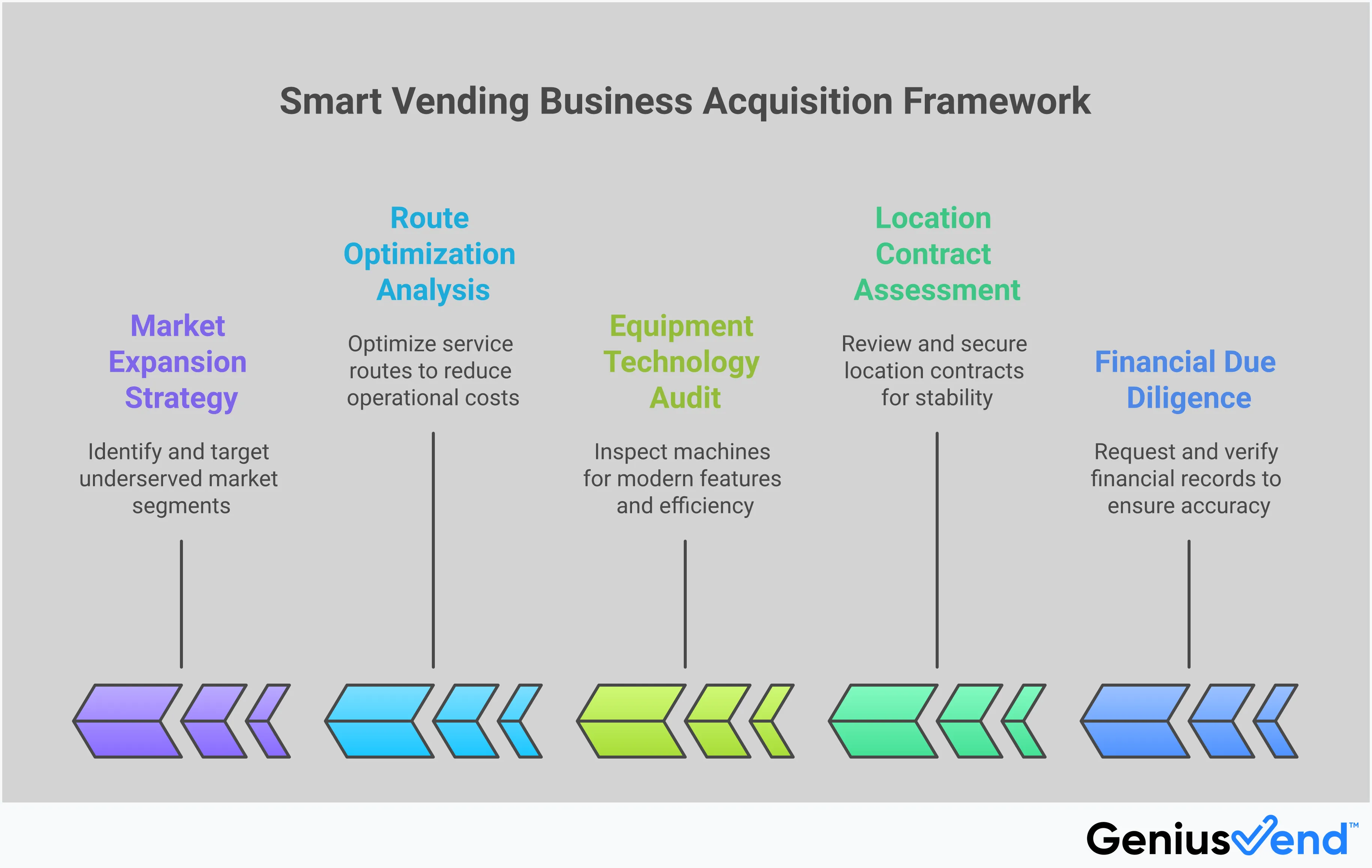
Buying an existing vending business can be a fantastic way to hit the ground running, with established locations and immediate cash flow. But before you sign on the dotted line, it’s essential to do your homework. A thorough evaluation will help you understand exactly what you’re buying and ensure you’re making a smart investment for your future. Think of it as looking under the hood before you buy a car—you want to be sure there are no surprises waiting for you down the road.
Perform Financial Due Diligence
First things first: you need to verify the money. Don’t just take the seller’s word for it—ask for detailed financial records for at least the past two to three years. This includes profit and loss statements, sales reports for each machine, and bank statements. Your goal is to confirm the business’s profitability and make sure the numbers are consistent and accurate. Cross-reference the reported earnings with the actual deposits. If the seller is hesitant to share this information, consider it a major red flag. A healthy, legitimate business should have nothing to hide from a serious buyer.
Assess the Vending Equipment
The vending machines are the core assets of the business, so their condition is critical. You should personally inspect every machine on the route. Check for their age, overall cleanliness, and any signs of damage or excessive wear. Do they have modern features like credit card readers, or will you need to invest in immediate upgrades? Outdated equipment can lead to frequent breakdowns and expensive repair bills, eating into your profits. This is also a good time to consider how newer, AI-powered smart coolers could improve performance at these locations in the future, offering a better customer experience and reducing service calls.
Review Location Contracts
A vending route is only as good as its locations. You must review the contracts for every single spot. Are the agreements in writing, or are they based on a handshake? Written contracts are always better. Look at the terms, especially the length of the agreement, the commission paid to the location, and any clauses that might allow for early termination. Most importantly, confirm that the contracts are transferable to a new owner. Losing a high-traffic location right after you take over could seriously damage your revenue stream, so securing these agreements is a non-negotiable step.
Analyze the Local Market
Take a step back and look at the bigger picture. What does the local market look like for this vending route? Are the machines in stable environments like hospitals, large offices, or universities? Or are they in businesses with high turnover? Research the local competition to understand how saturated the market is. A route with solid locations and little competition has great potential for growth. This analysis will help you gauge the long-term stability of the business and identify opportunities to expand or optimize the existing route once you take over.
Investigate the Seller
Understanding why the owner is selling is just as important as analyzing the financials. There are plenty of legitimate reasons, such as retirement, health issues, or relocating. Be direct and ask them about their motivations. If their answers are vague or don't quite add up, it’s worth digging a little deeper. You want to be sure they aren’t trying to offload a failing business with declining sales or locations that are about to be lost. A transparent seller who is open about their reasons for moving on is a good sign that you’re dealing with a solid opportunity.
Avoid Common Purchase Mistakes
Many aspiring vending operators get caught up in the excitement of buying a business and overlook crucial details. One of the most common mistakes is failing to conduct thorough due diligence. Don’t rush the process or feel pressured to make a quick decision. Verify everything, from the cash flow to the condition of the machines and the security of the location contracts. Overpaying based on inflated or unverified numbers is another pitfall. By taking your time and carefully evaluating every aspect of the business, you can avoid costly errors and confidently invest in a vending route that is set up for success.
Calculate the True Cost of Ownership
The sticker price of a vending machine is just the beginning of your financial story. To build a truly profitable business, you need to understand the total cost of ownership, which includes everything from the initial purchase to daily operations and unexpected repairs. Getting a clear picture of these numbers from the start helps you set your prices correctly, project your income accurately, and create a sustainable business model. It’s the difference between running a successful venture and a costly hobby. Let's break down all the financial components you need to consider before you buy.
Your Initial Investment
This is the big one—the cost of the machine itself. As you start your search, you'll see a wide price range. The cost of a vending machine can be as low as a few hundred dollars for a used gumball machine or over $10,000 for a new, high-tech smart model. While it’s tempting to go for the cheapest option, remember that your machine is your primary asset. An older, refurbished machine might save you money upfront, but it could lead to more frequent breakdowns and a less appealing customer experience. Investing in a modern, reliable machine often pays off with higher sales and fewer headaches down the road.
Ongoing Operating Expenses
Once your machine is in place, you'll have recurring costs to keep it running smoothly. The most obvious expense is your inventory—the snacks, drinks, or other products you sell. But don't forget about maintenance. In most places, you can expect to spend around $50 to $100 on vending machine maintenance per machine each month, though this can vary based on the age and type of your equipment. Other operating costs include fuel for driving your route, any commission you pay to the location owner, and electricity. Tracking these expenses carefully is essential for understanding your actual profit margins and making smart decisions about your business.
Watch Out for Hidden Costs
Beyond the obvious expenses, several hidden costs can catch new operators by surprise. It’s easy to focus on the machine and the products, but a successful business accounts for everything. Some of the most common costs include the purchase price, maintenance, inventory, location fees, transportation, and even marketing. For example, you might need to create flyers or business cards to pitch your services to new locations. You'll also need to account for spoilage or theft, which can eat into your profits. Creating a detailed budget that includes a contingency fund for these unexpected expenses will help you stay on track and avoid financial stress.
Insurance and Legal Fees
Running a professional vending business means protecting yourself and your assets. This starts with setting up the right legal structure, often an LLC, to separate your personal finances from your business liabilities. Beyond forming an LLC, you might need other licenses and permits. Depending on what you sell and where your machines are located, this could include a beverage license, a food service license, or passing health department inspections. You’ll also want to invest in general liability insurance to cover potential accidents or property damage. These administrative costs are a necessary part of building a legitimate and secure business.
Payment Processing Fees
In a world where fewer people carry cash, accepting credit cards and mobile payments is non-negotiable. Many modern vending machines come equipped with advanced features like cashless payment readers, which is fantastic for customer convenience and can lead to higher sales. However, these transactions aren't free. You'll pay a small percentage of each sale in payment processing fees. While it might seem minor, these fees add up over thousands of transactions. It's crucial to factor these costs into your product pricing to ensure you're still hitting your target profit margin on every item you sell.
Manage Your Day-to-Day Operations
Once you’ve bought the business, the real adventure begins. Running a successful vending route is all about mastering the daily details. Think of yourself as the CEO, logistics manager, and customer service rep all rolled into one. Your profitability hinges on how efficiently you can handle the core tasks of the business: servicing your machines, keeping them stocked with products people love, and ensuring everything runs smoothly. Getting a handle on these day-to-day operations is what will turn your initial investment into a steady, reliable source of income.
The good news is that you don’t have to figure it all out through trial and error. By focusing on a few key areas, you can create a system that saves you time, money, and headaches. We’ll walk through how to optimize your service routes, manage your inventory like a pro, stay on top of maintenance, choose the right payment technology, and even market your services to keep growing. With the right approach—and the right technology—you can streamline these tasks and spend more time focusing on scaling your business.
Plan and Optimize Your Routes
One of the biggest drains on your time and profit is inefficient routing. Driving to a machine only to find it’s still half-full is a waste of gas and a missed opportunity to service a machine elsewhere that’s nearly empty. The key is to work smarter, not harder. After every service trip, you should be tracking sales data, what products are left, and how much you collected. This information is gold. It helps you understand the sales velocity at each location, allowing you to build a dynamic service schedule based on actual need, not just a fixed calendar. Modern management systems can even alert you when a machine needs attention, making it easy to plan your routes for maximum efficiency.
Master Your Inventory
What sells like crazy in an office breakroom might sit on the shelf for months in a gym. Mastering your inventory means treating each machine as its own unique storefront. Use your sales data to identify the top-sellers and slow-movers for every single location. Don’t be afraid to experiment and swap out underperforming items. A huge part of inventory management is also ensuring freshness. Nothing will kill your reputation faster than a customer getting a stale bag of chips. Regularly check expiration dates and rotate your stock to minimize waste and keep your customers happy. This attention to detail not only maximizes sales but also builds trust in your service.
Handle Maintenance and Repairs
A machine that’s out of order is a machine that’s losing you money. Proactive maintenance is your best defense against costly, unexpected breakdowns. Just like your car needs regular oil changes, your vending machines need routine check-ups. This includes cleaning the glass, wiping down surfaces, testing the payment systems, and checking the cooling unit. While you can expect to spend a bit on routine vending machine maintenance, this small investment can prevent major repairs that lead to prolonged downtime. Keep a small toolkit with you on your routes for quick fixes, and have the number of a trusted repair technician handy for bigger jobs.
Choose Your Payment Technology
We live in a world where fewer and fewer people carry cash. If your machines are coin-and-bill only, you’re leaving money on the table. Upgrading to modern payment systems that accept credit cards, debit cards, and mobile payments like Apple Pay is one of the single best ways to increase sales. It removes a major barrier for customers and makes purchasing incredibly convenient. Many connected vending machines come standard with this technology, along with remote monitoring that gives you real-time sales and inventory data. This tech not only improves the customer experience but also gives you the insights you need to run your business more effectively.
Market Your Vending Services
Marketing a vending business isn't about running ads; it's about building relationships and maintaining a professional image. Your best marketing tool is a clean, well-stocked, fully functional machine. Make sure your branding is visible and that there’s a clear, easy-to-read sticker with your contact information in case of a problem. The other side of marketing is securing new, high-traffic locations. Develop a simple sales pitch that highlights the benefits of your service—whether it’s your unique product selection, modern payment options, or reliable service. A strong strategy for marketing your vending machine business is essential for long-term growth.
Use Smart Technology to Grow Your Business
Growing a vending business isn't just about adding more machines—it's about making each machine work harder for you. Smart technology is the key to making that happen. Modern vending machines have moved far beyond simple coin mechanisms. They are now powerful tools equipped with software and sensors that give you a real-time view of your entire operation. By using these features, you can streamline your daily tasks, make data-driven decisions, and ultimately increase your profits. Instead of guessing which snacks will sell or driving across town just to find a machine is still full, you can manage your business from your phone. This shift allows you to spend less time on routine labor and more time on strategic growth, like finding new locations and building relationships with your partners.
Implement Cashless Payment Systems
One of the fastest ways to increase sales is to make it easy for people to buy from you. Fewer people carry cash these days, so if your machine only accepts coins and bills, you’re missing out on sales. Implementing cashless payment systems that accept credit cards, debit cards, and mobile payments like Apple Pay is essential. This simple upgrade meets modern customer expectations and can capture impulse buys from customers who don't have cash on hand. Modern vending machines often come with this technology built-in, making the transition seamless and giving every potential customer a convenient way to purchase.
Monitor Your Machines Remotely
Imagine knowing exactly what’s in every one of your machines without leaving your house. That’s the power of remote monitoring. Smart vending machines connect to the internet, allowing you to track inventory levels, sales data, and machine status in real time through an operator's app. This technology transforms how you manage your routes. You can plan your restocking trips with perfect efficiency, only visiting machines that actually need service. This saves an incredible amount of time, fuel, and labor, freeing you up to manage more machines and grow your business more effectively.
Consider Energy-Efficient Machines
Operating costs can quietly eat away at your profits, and electricity is a significant one. Older machines can be energy hogs, running their cooling systems and lights 24/7. Modern, energy-efficient machines are designed to minimize power consumption. They often feature LED lighting and smart cooling systems with sensors that manage power usage, only running at full capacity when needed. Choosing an energy-efficient model is a smart investment that lowers your monthly operating expenses, putting more money back into your pocket with every utility bill.
Use Inventory Tracking Software
Data is your best friend when it comes to choosing the right products. Smart vending machines use inventory tracking software to show you exactly what’s selling and what’s not at each specific location. You can see which items are best-sellers, which ones are sitting on the shelf, and even track sales trends by time of day. This information allows you to tailor your product mix to the unique tastes of each location, maximizing sales and reducing waste from expired products. Some AI-powered systems can even offer recommendations, helping you make smarter stocking decisions.
Create a Plan for Expansion
Smart technology doesn't just make your current route more efficient; it makes your entire business more scalable. The time you save with remote monitoring and optimized routes can be reinvested into finding and securing new, high-traffic locations. Because you can manage more machines in less time, your capacity for growth increases significantly. A solid expansion plan involves continuously reassessing your equipment and placement strategies. The data from your smart machines will help you identify which types of locations are most profitable, allowing you to target similar businesses as you expand.
Build Strong Location Partnerships
The quality of your vending machines directly reflects on the businesses where they are placed. A modern, clean, and reliable machine with convenient payment options creates a positive experience for customers and makes you a valuable partner. Smart technology helps you provide better service by ensuring machines are always stocked with popular items and are functioning correctly. This reliability minimizes complaints and strengthens your relationship with location managers. A great reputation and strong partnerships are your best assets when it comes to keeping your prime locations and securing new ones.
How to Handle Common Vending Challenges
Every business comes with its own set of hurdles, and vending is no exception. From machine malfunctions to shifting snack trends, running a successful route means being prepared for anything. The key is to anticipate these challenges and have a solid plan in place. By staying proactive, you can keep your machines running smoothly, your customers happy, and your profits secure. Let’s walk through some of the most common issues you’ll face and how to handle them like a pro.
Build Relationships with Suppliers
Your suppliers are more than just vendors; they're your partners in this business. A reliable supplier ensures you have consistent access to the products your customers love at prices that work for your bottom line. When you're starting out, it's smart to do your homework. As one guide to buying a vending route notes, "It's crucial to dig deep and verify everything the seller tells you," and the same principle applies to your product sources. Don't be afraid to ask for references or compare pricing between different wholesalers. A strong relationship can lead to better deals, early access to new products, and more flexibility when you need it most.
Manage Local Competition
You likely won't be the only vending operator in town, so you need to find ways to stand out. The best approach is to focus on what you can control: your service and your product selection. A key part of growing your business is your ability to attract and retain customers. Take a look at what your competitors are offering. Do they only stock sugary snacks? That’s your chance to offer healthier options. Are their machines old and unreliable? You can win over locations by providing modern, dependable equipment. Differentiating yourself with superior technology and a better customer experience is a surefire way to gain an edge.
Troubleshoot Equipment Issues
Nothing stops your cash flow faster than a broken machine. While it’s tempting to call a technician for every little problem, those costs add up quickly. As many seasoned operators will tell you, you should learn how to repair your own vending machines. Learning to fix common issues like a jammed coin mechanism or a faulty bill validator will save you a significant amount of money and minimize downtime. Keep a small toolkit in your vehicle and watch online tutorials to build your skills. Being self-sufficient with basic maintenance is one of the most valuable skills you can develop in this industry.
Adapt to Changing Tastes
The snacks and drinks that are popular today might not be in demand next year. To keep your business thriving, you have to pay attention to what your customers are buying and adjust your offerings accordingly. As one industry guide points out, "Consumer preferences evolve, competitive landscapes shift, and ongoing reassessment of both equipment and placement strategies is necessary." Use your sales data to identify top-sellers and slow-moving items. Don't be afraid to experiment with new products, especially healthier or locally sourced options. Regularly asking your location managers for feedback is another great way to stay on top of what people want.
Protect Your Profit Margins
The vending business is often a game of pennies, where small costs can have a big impact. Many operators find that it has "very small profit margins," making it essential to watch your expenses closely. Your biggest costs will be the products themselves, fuel for your route, and any commissions you pay to the location. To protect your profits, buy your inventory in bulk from wholesalers to get the best prices. Plan your service routes efficiently to save on gas and time. Most importantly, price your products strategically to cover all your costs while still offering good value to your customers.
Related Articles
- How to Start a Vending Machine Business
- How to Buy a Vending Machine: A 7-Step Guide
- Grab and Go Vending Machine: The Ultimate Guide
- How Much Can I Make With a Vending Machine?
Frequently Asked Questions
How much money can I realistically expect to make with a vending machine? Your income can vary dramatically based on the machine's location and the products you sell. A machine in a slow spot might only bring in $50 a week, while one in a high-traffic office building or hospital could easily generate several hundred dollars in the same timeframe. The key to profitability isn't just sales, but also how well you manage your costs, like product inventory and fuel for your route.
Should I buy an existing vending route or start my own from scratch? This really comes down to a trade-off between immediate income and long-term control. Buying an existing route gives you machines, locations, and cash flow from day one, which is a great way to learn the business. Starting from scratch requires more upfront work to find locations and build your route, but it gives you complete freedom to choose your machines and products, and you keep 100% of the profits without paying a premium for someone else's business.
Are smart vending machines worth the higher initial cost? While the upfront investment for a smart machine is higher, they often pay for themselves through increased efficiency and sales. Features like cashless payments mean you never miss a sale because someone doesn't have cash. Remote inventory monitoring saves you countless hours and gallons of gas by eliminating unnecessary trips to restock. This technology allows you to run a leaner, more profitable business and manage more machines in less time.
What's the single biggest mistake new operators make when buying a business? The most common and costly mistake is failing to do thorough research before buying. It's easy to get excited and take the seller's claims at face value, but you must verify everything yourself. This means reviewing detailed financial records, personally inspecting every machine, and reading every single location contract to ensure they are secure and transferable. Rushing this process is the fastest way to overpay for a business with hidden problems.
How do I convince a business to let me place my machine in their building? The best approach is to present your vending service as a no-cost, hassle-free amenity for their employees or customers. Prepare a professional proposal that highlights the benefits you offer, such as modern and reliable machines, convenient cashless payment options, and a product selection tailored to their workplace. A clean, high-tech machine reflects well on their business, and your reliable service means they never have to worry about a thing.