

The vending industry has changed. Gone are the days of clunky, cash-only machines that operate like a black box. Today, success is driven by data and technology. A modern machine gives you the power to manage your entire business from your phone, from tracking sales in real-time to knowing exactly when to restock. Your first vending machine buy sets the tone for your entire business, determining whether you'll be guessing about performance or making informed, data-driven decisions. This article will guide you through the essential features of a modern machine and show you how to leverage that technology to find great locations and run a highly efficient operation.
Key Takeaways
- Embrace smart technology for data-driven decisions: A modern machine does more than accept credit cards; it gives you real-time sales data to perfect your product mix, plan efficient restocking routes, and understand your business's performance from anywhere.
- Match your products to the right location: The most critical factor for success is placing your machine where your target customers are. Research foot traffic and demographics to find a high-demand spot, then stock it with products those people actually want to buy.
- Plan ahead to avoid common pitfalls: Treat your vending route like a serious business by creating a realistic budget, securing written location agreements, and performing regular maintenance. Proactive planning is the best way to prevent costly errors and build a sustainable operation.
Which Vending Machine Should You Buy?
Choosing your first vending machine is a huge step. This decision shapes your daily operations, your profit potential, and the experience you offer customers. It’s not just about snacks and sodas anymore; the technology inside the machine is what truly sets your business up for success. Let's walk through the main types of machines you'll encounter so you can find the perfect fit for your new venture.
Smart Vending Machines
Think of smart vending machines as your business partner. They use technology to give you a massive advantage, streamlining everything from sales to inventory. With features like cashless payments, real-time sales tracking, and remote management, you always know what's selling and when to restock without ever leaving your office. Genius Vend’s AI-powered smart vending machines take this even further, creating a simple "Tap, Grab & Go" experience for customers that can seriously increase your revenue. This technology gives you the data you need to make informed decisions and run your routes with incredible efficiency.
Traditional Vending Machines
You know the type: the classic coil machine that takes cash and drops a snack. While they often have a lower upfront cost, they operate like a black box. You won’t know what’s sold out until you physically visit the machine, which can lead to wasted trips and lost sales from empty slots. Running a business with traditional machines is like trying to get around a new city without a map; you’re essentially guessing about performance. Without data, it's much harder to optimize your product selection and understand what your customers actually want.
Specialty Vending Machines
Vending isn't limited to chips and candy. Specialty machines open up a world of possibilities, dispensing everything from fresh salads and coffee to electronics and personal care items. The key to success here is matching the product to the location. A machine with healthy, fresh food could be a hit in a gym or corporate office, while one with tech accessories might do well on a college campus. By working with a location, you can customize your inventory to meet an existing need, creating a dedicated customer base that sees your machine as a convenient solution.
New vs. Refurbished Options
Deciding between a new or refurbished machine often comes down to budget and risk tolerance. A used machine can save you money initially, but be careful—a cheap machine with frequent breakdowns can quickly eat into your profits. Underestimating the true cost of a low-quality machine is a common pitfall for new operators. A new machine is a larger investment, but it comes with reliability and a manufacturer's warranty, giving you peace of mind. Some companies also offer warranties on refurbished machines, so be sure to ask about support and coverage before you buy.
Breaking Down Vending Machine Costs
Let's talk money. Buying your first vending machine is a big step, and understanding the full financial picture is key to making your business a success. It’s not just about the sticker price of the machine; it’s about planning for the initial purchase, ongoing expenses, and ultimately, your return on investment. Getting this right from the start will save you from the major headaches and lost profits that can come from poor planning. Many aspiring operators stumble early by picking the wrong machine or location, a misstep that can unfortunately sink a business before it even gets going.
That’s why we’re going to walk through every financial aspect you need to consider. Think of this as your financial roadmap. We’ll cover the big upfront costs, shine a light on those sneaky ongoing expenses that can surprise you, explore smart ways to finance your purchase, and show you how to track your success by calculating your return on investment. A solid financial plan is the foundation of a profitable vending route. It helps you set the right prices, choose the right products, and know when it's time to expand. By the end of this section, you’ll have a clear, realistic budget and the confidence to make smart financial decisions for your new vending business.
Your Initial Investment
This is the upfront cost to get your business off the ground, and it’s more than just the machine itself. Your initial investment includes the price of the vending machine, any delivery and installation fees, and the first round of inventory to stock it. A high-tech smart machine might have a higher initial cost than a used traditional one, but its features could lead to much higher profits over time. Carefully researching your options will help you make a choice that pays off in the long run, preventing the costly error of picking the wrong machine for your goals.
Ongoing and Hidden Costs
Once your machine is up and running, you’ll have recurring expenses. It’s easy for new owners to overlook these, but they are crucial for your budget. These ongoing costs include restocking inventory, paying location fees or commissions to the property owner, and covering transaction fees for cashless payments. You should also set aside funds for potential maintenance and repairs—even the best machines need a little TLC now and then. Factoring in these expenses gives you a realistic view of your profitability and helps you avoid surprises that can eat into your earnings.
How to Finance Your Machine
Don't have a pile of cash ready for your initial investment? That’s perfectly fine. Many successful entrepreneurs get started using financing. This allows you to get a high-quality, modern machine with manageable monthly payments instead of a large upfront expense. Genius Vend offers flexible vending machine financing options designed to help new operators launch their businesses without draining their savings. Think of it as a strategic tool that lets you invest in better equipment from day one, which can lead to a faster return on your investment and a more professional operation.
How to Calculate Your ROI
Return on Investment, or ROI, is the metric that tells you how profitable your vending machine is. Simply put, it compares the money you earn to the money you’ve spent. To calculate it, you need to track everything: total sales, cost of goods sold, location fees, and maintenance expenses. Running a vending business without monitoring your machine’s performance is like trying to find your way in a new city without a map. Using a remote management system, like the one included with Genius Vend machines, makes it easy to see your sales data in real-time, so you always know exactly how your investment is performing.
Must-Have Features for a Modern Vending Machine
When you picture a vending machine, you might think of a clunky box that only takes crumpled dollar bills. But today’s machines are so much more. They’re sophisticated, smart, and designed to make your life as an operator easier while creating a seamless experience for your customers. Choosing a machine with the right features isn't just about convenience; it's about maximizing your profits and future-proofing your investment. Let's walk through the essential features you should look for in a modern vending machine.
AI-Powered Technology
Forget the old coil machines where snacks get stuck. Modern vending is all about intelligence. AI-powered technology transforms a simple machine into a smart retail hub. This tech enables incredible features like real-time sales tracking, dynamic pricing you can adjust on the fly, and a frictionless "Tap, Grab & Go" customer experience. Instead of guessing what’s selling, you get hard data. This intelligence allows you to make smarter decisions about products and pricing, ensuring your machine is always stocked with what customers want. The right AI-powered smart vending machines don't just dispense products; they provide insights that help you grow your business.
Remote Management Systems
One of the biggest game-changers for vending operators is the ability to manage everything from anywhere. Remote management systems let you check on your machines from your phone or laptop. You can see sales data in real-time, get alerts for low stock, and even monitor the machine's health without ever leaving your home. This means no more wasted trips to check on a fully stocked machine. You can streamline your operations, plan your restocking routes more efficiently, and spend less time on logistics and more time on strategy. It’s the key to scaling your business from one machine to a whole network.
Flexible Payment Options
Cash is no longer king. To capture every possible sale, your vending machine needs to accept a variety of payment methods. Modern consumers expect convenience, and that means letting them pay how they want. Look for machines that are equipped with cashless payment systems, including tap-to-pay for credit and debit cards as well as mobile wallets like Apple Pay and Google Pay. By offering flexible payment options, you remove a major barrier to purchase. You’ll cater to a wider audience and likely see a significant increase in sales, as customers are no longer limited by the cash in their pockets.
Inventory Tracking
Knowing what’s in your machine and what’s selling is crucial for profitability. Advanced inventory tracking uses sensors and AI to monitor stock levels with incredible precision. Some systems, like the Genius Vend AI Smart Cooler, can track inventory with up to 99% accuracy. This means you know exactly what was purchased the moment it happens. With this data, you can eliminate stockouts of popular items, reduce waste from expired products, and optimize your product mix based on real customer behavior. It’s like having a tiny inventory manager working for you 24/7, ensuring your machine is always earning its keep.
Energy Efficiency
An often-overlooked feature that directly impacts your bottom line is energy efficiency. A vending machine runs 24/7, and electricity costs can add up quickly. Modern machines are designed with energy efficiency in mind, using features like LED lighting, superior insulation, and energy-saving cooling systems. Choosing an energy-efficient model lowers your monthly operating expenses, which in turn increases your profit margins on every item sold. It’s a smart choice for both your wallet and the environment. Over the lifetime of the machine, these savings can be substantial, helping you 2-3x your profits and get a faster return on your initial investment.
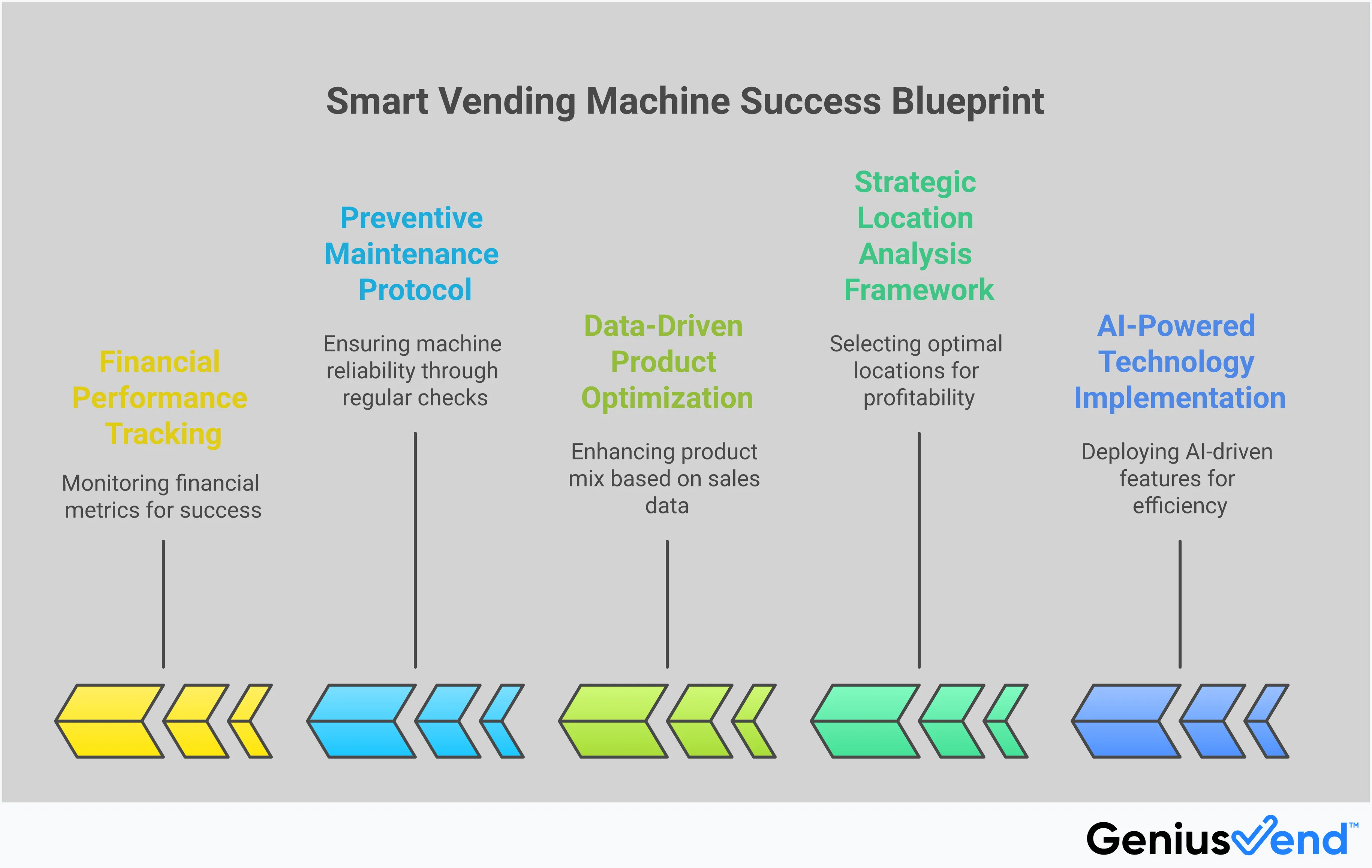
Find the Perfect Location for Your Machine
You can have the smartest machine stocked with the most desirable products, but it won’t make a dime if no one sees it. Location is everything in the vending business. The right spot can make your machine a runaway success, while the wrong one can leave you with nothing but expired snacks and a lot of frustration. Choosing your location is the single most important decision you’ll make after buying your machine.
Think of your vending machine as prime real estate. You’re looking for a place with a steady stream of people who are likely to want what you’re selling. This means doing a bit of detective work before you ever move the machine into place. A little research upfront will save you a massive headache later and set you on the path to a profitable route. Let’s walk through the key steps to finding that perfect, money-making spot.
Analyze Foot Traffic and Demographics
The first rule of vending is to go where the people are. High foot traffic is essential, but you need the right kind of traffic. Think about who your ideal customer is and where they spend their time. An office building full of busy professionals is a great spot for healthy snacks and coffee. A college dorm is perfect for late-night study fuel. Other prime locations include apartment complexes, hospitals, gyms, and manufacturing plants. Spend some time observing potential spots. How many people pass by each day? Are they in a hurry, or do they have time to stop for a snack? Matching your machine’s offerings to the local demographics is the secret to success.
Consider Your Space Needs
Once you have a few potential locations in mind, it’s time to get practical. Pull out a tape measure and confirm the spot can actually accommodate your machine. You’ll need enough clearance for the door to open, for customers to comfortably use it, and for you to restock it. Is there a reliable power outlet nearby? Is the location easily accessible for both customers and your delivery dolly? A machine tucked away in a dark, forgotten corner won’t perform well, no matter how great the foot traffic is in the main hallway. Ensure your machine is visible, accessible, and has the basic utility connections it needs to operate.
Research Your Competition
Before you commit to a location, take a look around. What other food and drink options are available? If there’s another vending machine just down the hall or a cafeteria right next door, you’ll be facing an uphill battle. However, competition isn’t always a deal-breaker. It can also signal a location with high demand. Your goal is to find a gap in the market. Maybe the existing machine only takes cash, or it’s always sold out of the most popular items. A modern, reliable machine like a Genius Vend with its "Tap, Grab & Go" system can easily outperform an older competitor and win over frustrated customers.
Secure a Location Agreement
Never place a machine without a written agreement. A verbal "yes" from a friendly manager isn't enough to protect your business. A formal location agreement is a contract between you and the property owner that outlines the terms of your arrangement. It should specify details like the length of the contract, any commission you’ll pay to the location owner (typically 10-25%), and who is responsible for what. A solid business contract protects both you and the location owner, creating a professional and lasting partnership. It ensures your machine has a secure home for the long term.
Know the Legal Requirements
Finally, make sure you’re operating by the book. Every city and state has different rules for vending businesses. You will likely need a business license, and you may also need special permits or to follow specific health codes, especially if you’re selling perishable food. The best place to start is your local city hall or the county clerk’s office. You can also find a wealth of information on the U.S. Small Business Administration website. Getting all your legal ducks in a row from the beginning prevents fines and ensures your business operations run smoothly without any unexpected interruptions.
How to Market Your Vending Business
Once your machine is in place, your work isn’t done. Marketing is what separates a decent side hustle from a thriving business. You’re not just selling snacks and drinks; you’re selling a convenient, reliable service to location owners and a great experience to customers. A solid marketing plan helps you land more high-traffic locations and keeps the people using your machines coming back. The good news is, you don’t need a huge budget to make a big impact. With a few smart strategies, you can build a professional brand that stands out.
Digital Marketing Strategies
Your vending business needs a professional online presence, even if it’s a simple one. Start by creating a clean, straightforward website that acts as your digital business card. It should clearly explain your services, showcase your modern machines, and provide an easy way for potential location managers to contact you. This is your opportunity to highlight what makes you different, like offering a “Tap, Grab & Go” experience. Think of your website as the central hub for all your marketing efforts. It establishes your credibility and gives interested businesses a place to learn more about partnering with you. A strong digital marketing foundation helps you attract the right kind of location partners from day one.
Local SEO
For a vending business, your customers are local. That’s why local search engine optimization (SEO) is so important. When a facility manager in your city searches for “vending services near me,” you want your business to pop up. The most powerful tool for this is a Google Business Profile. Setting one up is free and relatively simple. Be sure to fill out every section with accurate information, including your service area, contact details, and high-quality photos of your clean, well-stocked machines. Encourage happy location partners to leave reviews, as positive feedback can significantly improve your visibility and build trust with prospects before you’ve even spoken to them.
Social Media Presence
Social media is a great way to build your brand and connect with potential clients. You don’t need to be on every platform, just the ones where decision-makers for businesses spend their time. LinkedIn is perfect for professional networking. You can connect with office managers, HR directors, and property managers in your area to introduce your services. On platforms like Instagram or Facebook, you can create a visual portfolio for your business. Post photos of your sleek machines in different environments, highlight popular or unique products you offer, and share testimonials from satisfied clients. The goal is to present a professional, modern, and reliable image that makes businesses want to partner with you.
Promotions and Deals
Marketing doesn’t stop once you’ve secured a location; you also need to market to the end-user. Running promotions is a fantastic way to increase sales and build a loyal customer base at each machine. You could offer a “two-for-one” deal on a specific drink or a discount on a snack combo. With a smart vending machine, you have more flexibility to test different offers. Use a small, well-designed sign on or near the machine to advertise the current deal. These small incentives can encourage impulse buys and make your machine a favorite spot in the building, leading to more consistent revenue and happy location partners.
Customer Engagement
Great service is your best marketing tool. Engaging with both your location partners and the customers using the machine builds loyalty and a positive reputation. For location managers, this means being proactive with communication and responsive to their needs. For customers, provide a simple way to offer feedback or report an issue, like a QR code on the machine that links to a contact form. Using the sales data from your smart machine allows you to refine your product mix based on what people are actually buying. When customers see their favorite items are always in stock, they feel heard, and it shows you’re committed to providing a top-notch experience.
How to Run Your Vending Business
Once your machine is in place, the real work begins. Running a successful vending business is about more than just stocking snacks; it’s about creating a smooth, reliable experience for your customers. Day-to-day operations involve a cycle of stocking, pricing, maintaining, and managing your inventory. Smart systems can make this process much easier, but the core principles remain the same. By focusing on these key areas, you can build a profitable route and keep your customers happy and coming back for more.
Choose the Right Products
The golden rule of vending is that location dictates everything, especially your product mix. An office breakroom will have different demands than a gym or a school. Start by stocking a variety of popular items, but pay close attention to what sells. Your vending machine business depends on consumer trust and having the products people want. Smart vending machines give you a huge advantage here by providing real-time sales data. You can see which items are flying off the shelves and which are collecting dust, allowing you to fine-tune your offerings and maximize profit without any guesswork.
Set Your Prices
Pricing your products is a balancing act. You need to cover your costs—the machine, the products, any location fees, and your time—while still offering a price that customers find reasonable. Don't fall into the trap of simply copying prices from a nearby convenience store. You're offering convenience, and that has value. A common mistake is underestimating the real cost of running your business, which can eat into your profits. Calculate your cost per item, add your desired profit margin, and set a price that reflects the convenience you provide.
Create a Maintenance Schedule
A broken-down machine doesn't make any money. Worse, it can frustrate customers and damage your reputation. Regular maintenance is non-negotiable. Create a simple checklist to run through every time you service your machine: clean the glass, wipe down surfaces, and test the payment systems. Customers need to know they won't lose their money in your machine, as unreliable payment systems can quickly drive them away. Modern machines often come with remote diagnostics that alert you to problems, but a hands-on check is still essential for keeping everything in top shape.
Manage Your Inventory
Trying to run a vending route without tracking sales is like flying blind. You need data to make smart decisions. Knowing what sells and when helps you optimize your stock levels, preventing you from running out of popular items or overstocking slow movers. This is where remote management systems truly shine. Instead of visiting a machine just to see what it needs, you can check inventory levels from your phone. This saves you time, gas, and ensures you always show up with exactly what you need to restock.
Provide Great Customer Service
Excellent customer service can set you apart. Make it easy for customers to reach you if they have a problem. A simple sticker on the machine with your phone number or email address for refunds or feedback goes a long way. You can also use promotions or loyalty programs to build a loyal customer base. A positive experience turns a one-time buyer into a regular customer. Remember that you’re not just selling products; you’re providing a convenient service, and a little bit of care can make a big difference.
Common Mistakes to Avoid
Starting a vending business is exciting, but it's easy to stumble if you're not prepared. Think of me as your business bestie who's seen it all and is here to help you sidestep the common pitfalls. Getting ahead of these issues from day one will save you a ton of headaches—and money—down the road. Let's walk through the five biggest mistakes new operators make and how you can steer clear of them.
Poor Location Choices
This is the big one. You could have the most advanced machine stocked with the best snacks, but if it's in the wrong spot, it won't make a dime. The most common and costly mistake is choosing the wrong location. A bad location is one with little to no foot traffic, the wrong demographic for your products, or poor visibility. Before you sign any agreement, spend time observing a potential spot. Are people actually there? Do they look like they'd buy what you're selling? Don't let excitement rush you into a bad deal. A little patience and research upfront will pay off massively.
Wrong Product Mix
Once you've secured a great location, your next challenge is filling your machine with products people actually want to buy. Your machine is competing with the corner store, the coffee shop, and the lunch someone packed from home. To win, you need to offer convenience and the right selection. A one-size-fits-all approach doesn't work. A gym needs protein bars and healthy drinks, while an office might want gourmet coffee and afternoon snacks. Pay close attention to your sales data to see what's selling and what's not, and don't be afraid to adjust your offerings until you find the perfect mix for that specific location.
Skipping Maintenance
An "Out of Order" sign is the fastest way to lose customers for good. A machine that eats someone's money or fails to dispense a product isn't just a one-time sale lost; it's a customer who will never trust your machine again. Regular maintenance is non-negotiable. This means keeping the machine clean, ensuring all parts are functioning, and immediately fixing any issues. Using unreliable payment systems will drive customers away quickly. Luckily, smart machines can send you real-time alerts about malfunctions, so you can address problems before they cost you sales and damage your reputation. A well-maintained machine is a profitable one.
No Marketing Plan
You might think a vending machine markets itself, but a little promotion can go a long way. Don't just place your machine and hope for the best. Develop a simple marketing plan to let people know you're there. This could be as simple as clear, attractive branding on your machine or a small sign announcing new products. If your machine is in a business, work with the location owner to announce it in their company newsletter. You can also enhance your vending machine business’s visibility with a simple website or social media page for your route. A proactive approach shows you're a serious business owner and helps build a loyal customer base.
Bad Financial Planning
It's easy to focus on the sticker price of a machine, but that's just one piece of the financial puzzle. Underestimating the full cost of running your business can put you in a tough spot. The real cost of a cheap vending machine often includes frequent repairs and lost sales from downtime. Beyond the machine itself, you need to budget for inventory, insurance, gas, potential location fees, and payment processing fees. Create a detailed business plan and have a cash reserve for unexpected expenses. Being realistic about your numbers from the start sets you up for long-term success instead of short-term stress.
Related Articles
- Where Can I Buy a Vending Machine? A 2025 Guide
- The True Cost to Buy a Vending Machine in 2025
- How to Buy a Vending Machine: A 7-Step Guide
Frequently Asked Questions
Is a smart vending machine really worth the higher initial cost? Think of it less as a cost and more as an investment in your own efficiency. While a used, traditional machine might seem cheaper upfront, a smart machine pays you back in time and data. You’ll save countless hours and gas money because you won’t need to physically visit a machine just to see what’s sold out. Plus, features like cashless payments mean you never miss a sale because someone doesn’t have cash, which can significantly increase your revenue from day one.
How do I convince a business to let me place my machine in their location? The key is to present yourself as a professional partner providing a valuable, no-cost amenity for their employees or customers. Do your homework and understand their business. When you approach them, have a simple proposal ready that showcases your modern, reliable machines and highlights the benefits for them. Frame it as a way to improve their workplace or facility with zero effort on their part. A clean machine and a professional attitude go a long way.
Do I have to pay a commission to the location owner? In most cases, yes. It’s standard practice to pay the location owner a percentage of the machine's sales. This is a fair way to compensate them for the space and electricity your machine uses. Think of it as a partnership; when your machine does well, you both benefit. This commission is typically negotiated before you sign a location agreement and is an important expense to factor into your pricing and overall budget.
How much time does it really take to manage a vending machine each week? This depends heavily on the type of machine you choose. With a traditional machine, you could spend a lot of time driving to locations just to check inventory levels. A smart machine with a remote management system, however, completely changes the game. You can check sales and stock from your phone in minutes, allowing you to plan one efficient restocking trip when it's actually needed. This can turn a time-consuming chore into a streamlined process that only takes a couple of hours a week.
What's the single biggest mistake I can make when starting out? Without a doubt, the most critical mistake is choosing a poor location. You can do everything else right—buy the best machine, stock the perfect products—but if it’s placed where there isn’t enough foot traffic, it simply won’t be profitable. Don't get so excited that you rush this step. Take the time to research and observe potential spots to ensure there’s a built-in customer base before you commit.