

When you hear "toy vending machine," you might picture a simple gumball dispenser that takes quarters. While those classics still exist, the industry has evolved significantly. Today’s smart machines offer a completely different level of profitability and convenience, equipped with credit card readers, remote inventory tracking, and a seamless "tap, grab, and go" experience for customers. Choosing the right machine is the most critical decision you'll make. It directly affects your income potential, the amount of time you spend on maintenance, and the type of locations you can secure. This article breaks down all your options, from simple mechanical units to advanced smart dispensers.
Key Takeaways
- Embrace Modern Payments to Maximize Sales: Relying only on coins leaves money on the table. A machine equipped with credit card and mobile payment options meets modern customer expectations and makes it easy for anyone to buy, directly increasing your income.
- Prioritize Safety from Toy to Location: Your reputation depends on keeping kids safe. This means sourcing federally compliant (CPSIA) toys, using capsules for small prizes to prevent choking, and securing your machine on a stable, level surface.
- Master the Vending Trifecta: Location, Inventory, and Maintenance: A great machine is just the start. True profitability comes from placing it in a high-traffic family area, curating a fun and rotating selection of toys to encourage repeat business, and keeping it clean and functional.
What Kinds of Toy Vending Machines Are There?
When you think of a toy vending machine, you might picture the classic red machine that dispenses bouncy balls for a quarter. While those are still around, the options have expanded quite a bit. Choosing the right type of machine is the first step in building a profitable route, and your decision will depend on your location, your target audience, and the kind of experience you want to offer. From simple, mechanical dispensers to high-tech smart machines, let's look at the main categories you'll find.
Classic Capsule and Gumball Machines
These are the timeless, mechanical workhorses of the vending world. They’re simple, durable, and operate without electricity, making them easy to place almost anywhere. Classic machines are designed to dispense small, uniform products like gumballs, jawbreakers, bouncy balls, and of course, 2-inch toy capsules. Their main appeal is their low cost of entry and straightforward operation—there are no complex electronics to worry about. However, they are limited to coin-only payments and offer a very basic customer experience, which can cap your potential earnings per machine. They are a great starting point but may not be the best fit for high-traffic, modern locations.
Modern Electronic and Smart Dispensers
This is where toy vending gets a major upgrade. Modern electronic and smart dispensers cater to today’s customers with features like digital screens, credit card readers, and mobile payment options. For you as an operator, the benefits are huge. Smart machines connect to the internet, allowing you to track sales and inventory remotely from your phone. This means no more wasted trips to check on a machine that’s still full. You can also vend larger, higher-priced toys, which significantly increases your profit potential. These machines provide a seamless "tap, grab, and go" experience that customers now expect, making them ideal for premium locations like malls, family entertainment centers, and airports.
Fun Mystery and Surprise Box Machines
Tapping into the popular "unboxing" trend, mystery and surprise box machines add a layer of excitement to every purchase. Instead of seeing the exact toy they’ll get, customers are drawn in by the thrill of the unknown. These machines dispense a capsule containing one of several possible mystery toys, encouraging repeat business from kids and collectors trying to get the whole set. While some are simple mechanical dispensers, many modern versions incorporate electronic features and payment systems. The success of these machines relies heavily on curating a compelling and regularly updated collection of toys that keeps customers coming back for another chance at their favorite prize.
Key Features to Look For in a Toy Vending Machine
Choosing the right toy vending machine is about more than just picking one that looks fun. The features you select will directly impact your sales, how much time you spend on maintenance, and the overall security of your investment. Let’s walk through the four key areas you need to consider to make sure you get a machine that works as hard as you do.
Finding the Right Size and Capacity
Before you fall in love with a machine, think about where it’s going to live. The right size and capacity are critical for maximizing profit and minimizing hassle. A giant machine might seem impressive, but it will look out of place in a small doctor's office waiting room. Conversely, a small, single-column machine will constantly run out of stock in a busy family entertainment center. Look for models with clear, wide fronts so kids can easily see the prizes inside—this visibility is your best salesperson. Also, consider the types of toys you plan to sell. Ensure the machine’s dispensing mechanism is a good fit for everything from small capsules to larger mystery boxes.
Modern Payment Options and Tech
While classic coin-operated machines have a certain nostalgic charm, relying solely on change can seriously limit your sales. We live in a world where fewer people carry cash. Equipping your machine with modern payment options, like credit card readers and mobile payment compatibility, makes it easy for anyone to make a purchase. Beyond payments, smart features can completely change how you manage your inventory. Machines with Wi-Fi connectivity allow you to track sales and stock levels remotely from your phone. This means no more wasted trips to check on a full machine or losing sales because you didn’t know it was empty. It’s about working smarter, not harder.
Assessing Durability and Build Quality
A toy vending machine, especially one in a high-traffic area, needs to be tough. Durability is one of the most important factors for ensuring a long and profitable life for your machine. Opt for models with sturdy metal frames and high-impact plastic or polycarbonate windows. All-plastic machines might be cheaper upfront, but they are far more susceptible to damage from daily use and potential vandalism. A well-built machine isn't just an expense; it's a long-term asset. Investing in quality from the start will save you a significant amount of money and headaches on repairs and replacements down the road.
Essential Security and Anti-Theft Features
Protecting your machine and your money is paramount. High-quality, durable locks are the first line of defense against theft and should be a non-negotiable feature. Look for machines that are designed to be difficult to break into, with minimal external weak points. A great security practice is to choose a machine that comes with two different keys—one for the person servicing the machine to refill toys and a separate one for the person collecting the cash. This simple division of access adds a powerful layer of security to your operation. After all, the money your machine earns is only yours once it’s safely in the bank.
How Much Does a Toy Vending Machine Cost?
Figuring out the price of a toy vending machine is a lot like car shopping—the final cost depends entirely on whether you’re looking for a basic, reliable sedan or a high-tech luxury model. You can get started for just a few hundred dollars, or you can invest several thousand in a machine packed with the latest technology. The great news is that there’s an option for every budget and business plan.
The price spectrum is wide, influenced by factors like age, features, and size. A simple, mechanical capsule machine will naturally cost less than a smart dispenser with a touchscreen and remote inventory tracking. Understanding the different tiers will help you pinpoint the right machine for your goals, whether you're placing your very first machine or scaling up a profitable route. Let’s break down the typical price ranges so you can find the perfect fit for your business.
Entry-Level Options (Under $1,000)
If you're just starting out or want to test a new location without a huge upfront investment, the entry-level tier is your best friend. You can find classic capsule or gumball machines for as little as $200, especially if you’re open to buying used equipment. These machines are the essence of simplicity: they’re typically mechanical, durable, and easy to service. While they won’t have fancy features like credit card readers or remote monitoring, their low cost of entry makes them an excellent way to learn the vending business with minimal risk. This is the perfect starting point for dipping your toes in the water.
Mid-Range Workhorses ($1,000-$5,000)
This price range is where you’ll find the reliable workhorses of the vending world. Machines in this category often offer a great balance of modern features and affordability. You can expect to find new or refurbished electronic machines with more capacity and better payment options, like basic credit card readers. Combo machines that dispense both toys and snacks also tend to fall in this bracket, typically costing between $3,000 and $5,500. These are solid investments for serious operators who need dependable equipment that can handle higher traffic locations. They offer more functionality than entry-level models without the premium price tag of a fully smart machine.
Premium Smart Models ($5,000+)
For operators focused on maximizing efficiency and providing a top-tier customer experience, premium smart models are the way to go. These machines cost $5,000 to $10,000 or more, but they come loaded with technology that can significantly increase your profits. Think features like the "tap, grab, and go" systems, full cashless payment integration, and real-time inventory management features you can access from your phone. This technology means fewer site visits for you and no missed sales due to a machine being out of stock or unable to take a customer's preferred payment method. It’s a bigger investment, but the return in time saved and sales captured is often well worth it.
What Affects the Final Price?
Several key variables determine where a machine falls on the price spectrum. When you're shopping, keep these factors in mind to understand why one machine costs more than another. The most obvious one is whether the machine is new or used—a brand-new machine comes with a warranty and peace of mind, while a used one offers a lower initial cost. Beyond that, the machine’s features play a huge role. Things like cashless payment systems, interactive touchscreens, and remote monitoring software all add to the price. Finally, the type, size, and build quality will also influence the final cost you pay.
Important Safety Considerations for Toy Vending
When your customers are children, safety becomes your number one priority. It’s not just about being a responsible business owner; it’s about protecting your brand’s reputation and building trust with parents and location managers. A single safety issue can have serious consequences, so it’s crucial to get this right from the very beginning. Before you even think about profits, you need to have a solid plan for ensuring every aspect of your toy vending operation is safe, from the machine itself to the tiny treasures inside. This means carefully vetting your toy suppliers, understanding federal regulations, and thinking critically about where and how you place your machine to prevent accidents.
Meeting Child Safety and Compliance Standards
First things first, let’s talk about regulations. Any toy sold in the United States must comply with a set of federal safety rules. The most important one to know is the Consumer Product Safety Improvement Act (CPSIA), which includes standards like ASTM F963. These rules cover everything from the materials used in the toys to ensuring they don't have sharp edges or other physical dangers. When you're sourcing toys, always confirm with your supplier that their products are CPSIA compliant. Reputable vendors will have this information readily available. Don't be shy about asking for documentation—it’s a critical step in protecting both your customers and your business.
Choosing Safe, Age-Appropriate Toys
The toys you choose are the main attraction, but they also pose the biggest risk if not selected carefully. The primary concern is preventing choking hazards. A general rule of thumb is to avoid any toy or part of a toy that can fit through a 1.25-inch circle, as this is roughly the size of a young child's throat. You can even buy a small parts tester to check your inventory. If you want to offer smaller, popular items, always use capsules. These plastic bubbles keep tiny toys safely contained until an adult can open them. Always consider the intended age group for your location and select toys that are appropriate and engaging for them.
Proper Machine Placement and Accessibility
The physical safety of your vending machine is just as important as the toys inside. Your machine should be placed on a level surface in a high-traffic, well-lit area where it’s stable and won't risk tipping over. This visibility also helps deter theft and vandalism. Look for machines with durable construction, clear fronts so you can see the products, and high-quality anti-theft locks. You also want to make sure the machine is accessible. Placing it in a spot that’s easy for parents and kids to get to will encourage sales and ensure it’s a welcome addition to any profitable location.
Where to Buy a Reliable Toy Vending Machine
Once you know what you’re looking for, the next step is finding the right place to buy your toy vending machine. You have a few solid options, each with its own pros and cons. Whether you’re looking for a brand-new machine with all the latest features or a budget-friendly used model to get started, knowing where to look is half the battle. The key is to find a reputable source that offers quality equipment and stands behind its products. Let’s walk through the most common places to find your perfect machine.
Go Direct to Dealers and Manufacturers
Going straight to the source is often the best way to get a great deal and see the widest selection. Manufacturers and official dealers have a deep understanding of their products and can guide you to the perfect machine for your needs. They often offer competitive pricing because you’re cutting out the middleman. For example, a major supplier like CandyMachines.com highlights its large inventory and low prices as a key benefit for buyers. This route also gives you direct access to warranties, customer support, and replacement parts, which can be a lifesaver down the road. It’s an excellent choice if you’re buying new and want the peace of mind that comes with a factory-fresh machine.
Browse Online Marketplaces
If you’re open to a used machine or want to compare a wide range of options from different sellers, online marketplaces are a fantastic resource. Websites like eBay, Craigslist, and specialized vending forums can be goldmines for finding equipment. You can find everything from vintage capsule machines to nearly new electronic dispensers. The price range is huge; you might find a used machine for a couple of hundred dollars or a high-end smart model for several thousand. While you can find great deals, be prepared to do a bit more homework. You’ll need to carefully inspect listings, ask sellers plenty of questions, and factor in potential shipping costs.
How to Vet Your Supplier
No matter where you decide to buy, properly vetting the supplier is the most important step. A reliable machine is the foundation of a successful vending business, so you want to partner with a seller you can trust. Look for suppliers with a history of positive reviews and a strong reputation in the industry. Don’t be afraid to ask for references or inquire about their warranty and return policies. A good supplier will be transparent and happy to answer your questions. Your goal is to find a machine that is durable, easy to maintain, and safe for children. A trustworthy seller will provide equipment that meets these standards, helping you avoid common vending pitfalls and build a lasting business.
Setting Your Toy Vending Machine Up for Success
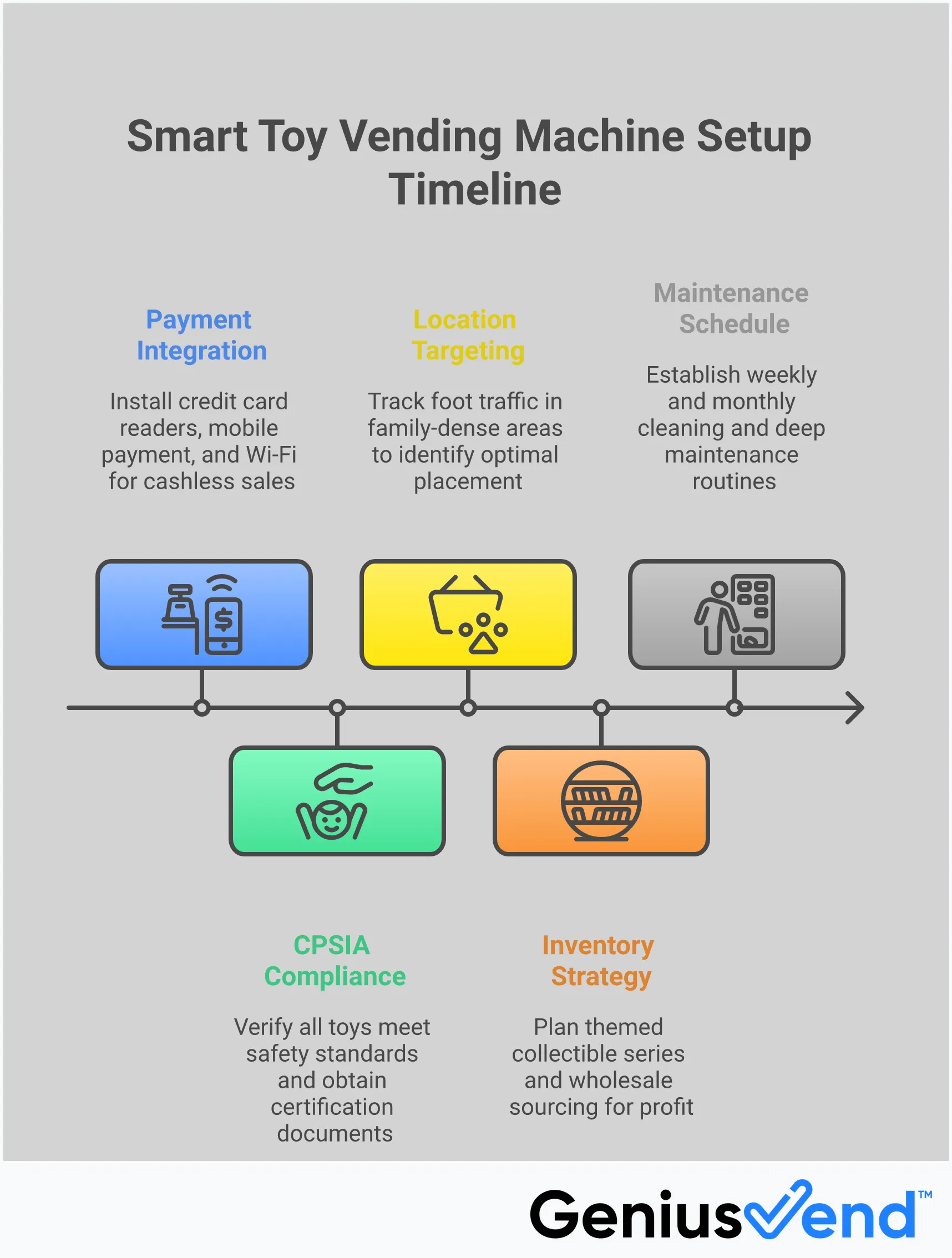
You’ve done the research and picked out the perfect machine. That’s a huge step! But the machine itself is just the beginning. Turning that shiny new box into a profitable business comes down to three key things: where you put it, what you put inside it, and how well you take care of it. Think of it as the classic "location, location, location" mantra, but with a couple of extra steps for the vending world. This is where the real work—and the real fun—begins, transforming a piece of equipment into a reliable source of income.
Getting these elements right from the start will save you a ton of headaches and help you build a steady stream of income. It’s all about creating an experience that’s exciting for kids and effortless for parents. A well-placed, well-stocked, and well-maintained machine practically runs itself, letting you focus on growing your business instead of putting out fires. This setup phase is your opportunity to build a strong foundation for a passive income stream that delights customers and consistently performs. Let’s walk through how to nail each of these crucial steps to get your new venture off the ground and running successfully.
Pick a Profitable Location
As any seasoned operator will tell you, location is everything in the vending business. You can have the coolest toys in the world, but if no one sees your machine, you won’t make any sales. The goal is to place your machine directly in the path of your ideal customers: kids with a little bit of pocket money and parents ready to treat them. Think high-traffic areas where families spend time.
Malls, movie theaters, family-friendly restaurants, and grocery stores are classic choices for a reason. You can also get creative and explore places like pediatricians' offices, indoor playgrounds, or local community centers. Before you commit, spend some time observing the foot traffic to make sure you’ll have a steady flow of potential customers. A great location can truly make or break your toy vending venture, so it pays to find the right spot for your machine.
Curate Your Toy Inventory
The toys are your main event, so make them irresistible. A thoughtfully curated inventory will keep kids coming back again and again. One of the most effective strategies is to offer themed sets, like a "Dino Series" or "Mini Monsters" collection. This encourages repeat business because kids will want to collect them all. It turns a simple purchase into a fun treasure hunt.
It’s also smart to rotate your inventory every few months to keep things fresh and exciting. Pay attention to what’s selling and what isn’t, and don’t be afraid to swap out less popular items. Keeping up with trends in toys and pop culture can also give you an edge. A well-stocked machine with a fun variety is a magnet for curious kids.
Keep Up with Simple Maintenance
A clean, functioning machine shows customers that you’re a professional and that your products are worth buying. Regular maintenance is non-negotiable for protecting your investment and ensuring a positive customer experience. Luckily, it doesn’t have to be complicated. When you first buy your machine, look for models that are easy to service—for example, front-opening doors are much simpler to refill than models you have to take apart.
Schedule regular visits to clean the glass, wipe down the exterior, and test the payment and dispensing mechanisms. This is also your chance to restock popular items. Modern smart machines, like the ones we offer at Genius Vend, can even send alerts to your phone when inventory is low or if there’s an error, which simplifies your vending machine maintenance routine and keeps your business running smoothly.
Related Articles
- The Essential Mini Vending Machine Guide
- 7 Best Vending Machines to Buy for High Profits
- Automated Vending Machines: The 2025 Guide
- Smart Vending Machines: The Ultimate Guide
Frequently Asked Questions
How do I decide between a classic coin-operated machine and a modern smart one? Your choice really comes down to your business goals. A classic, mechanical machine is a low-risk way to learn the ropes, as the initial investment is minimal. However, if you're serious about building a profitable route, a smart machine is a much stronger asset. The ability to accept credit cards and mobile payments means you'll never miss a sale from customers who don't carry cash. Plus, remote inventory tracking saves you countless hours and fuel by telling you exactly when a machine needs a refill.
How much profit can I expect to make from one toy vending machine? Profitability varies quite a bit and depends heavily on your location's foot traffic and the cost of your toys. A machine in a quiet laundromat will earn less than one in a busy family entertainment center. That said, you can greatly influence your earnings. By choosing machines that accept cashless payments, you make it easier for people to buy. Sourcing popular toys at a good wholesale price also protects your margins, ensuring each sale is as profitable as possible.
What are the best kinds of toys to stock for consistent sales? The most successful strategy is to offer toys that are part of a collectible series. When kids know there are multiple variations to get, like different colored dinosaurs or a full set of cartoon characters, they are far more likely to become repeat customers. It's also smart to pay attention to current trends and popular kids' movies or shows. Stocking a few licensed, recognizable characters alongside your collectible sets creates an inventory that appeals to a wide range of children.
Is it better to start with a new or used machine? While a used machine can lower your initial startup cost, it often comes with risks like potential maintenance issues and outdated technology. A new machine is a larger upfront investment, but it provides reliability, a manufacturer's warranty, and modern features right out of the box. Having a dependable machine with cashless payment options from day one means you can focus on finding great locations instead of dealing with unexpected repairs or lost sales.
How do I convince a business to let me place my machine in their location? When you approach a location manager, frame it as a zero-cost, zero-effort benefit for them. Explain that you are offering a free amenity that will entertain their customers and their children. Emphasize that you handle everything—the installation, stocking, and all maintenance—at no charge to them. A clean, modern, and reliable machine makes this an easy "yes" for most businesses, as it enhances their customer experience without adding to their workload.